
It was 5:00 AM on a Tuesday, and I was already running late for a job site when I heard it: that pathetic, rhythmic clicking that sounds like a death knell for your morning plans. I’d seen the signs—the slow crank on Monday, the flickering dome light—but I figured I could make it until my next scheduled oil change. I was dead wrong. Standing there in the dark with my hood up, I realized I’d fallen into the same trap most drivers do: assuming a battery is either ‘good’ or ‘trash’ with no middle ground. Today, I’m going to show you how to avoid that $150 replacement cost and get twelve more months of life out of that black box under your hood.
Stop Throwing Money at Your Battery Every Three Years
Most folks treat car batteries like disposable AA’s in a TV remote. They wait until it fails, get a jump-start, and then head straight to the parts store. But through years of hands-on auto repair hacks, I’ve learned that a lot of ‘failed’ batteries are just suffering from a build-up of grime and neglect. One of my biggest early mistakes was replacing an entire battery when the real culprit was a loose ground wire—a classic case of misreading simple vehicle diagnostics that cost me eighty bucks I didn’t have. Batteries are often the most misunderstood part of a car’s electrical system, yet they are the heart of everything.
Is a maintenance-free battery actually a lie?
You’ve probably seen the label ‘Maintenance Free’ on your battery and thought, ‘Great, one less thing to worry about.’ But that’s a marketing term, not a technical one. Even ‘sealed’ batteries are subject to the laws of physics. According to the Battery Council International, heat is the primary cause of battery failure, not the winter chill we all fear. Heat evaporates the internal liquid and causes plates to warp. If you aren’t checking for things like an alternator that is overcharging, you are literally cooking your investment. It’s no different than ignoring a necessary brake service; by the time the symptoms are loud, the damage is done. Sometimes, the problem isn’t even the battery’s fault; for instance, using the wrong oil viscosity in cold weather makes the engine so hard to turn that even a healthy battery struggles to keep up. Have you ever been stranded because of a clicking sound when you try to start it? It’s frustrating, but usually, it’s a problem we can solve with a little elbow grease and a wire brush. Let’s look at why your battery might be dying prematurely and how we can stop the bleed before you’re stuck waiting for a tow.
Scrub the Grime Before You Toss the Battery
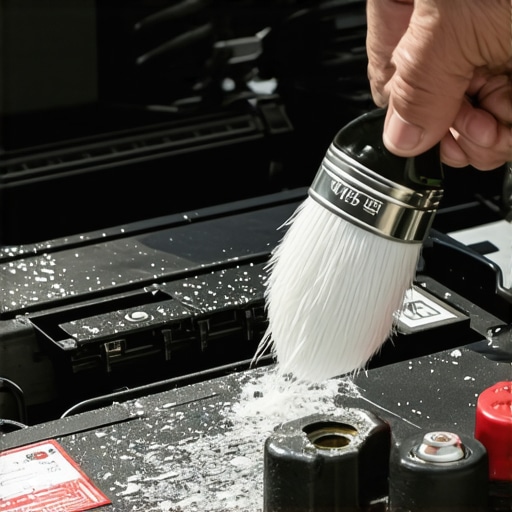
Corrosion is a silent power killer. Think of your battery terminals like a doorway; if that doorway is blocked by a massive pile of white, crusty junk, the electricity simply cannot get into the house. I remember a humid July afternoon working on an old Ford truck. The owner was 100% convinced the battery was toast because the dash wouldn’t even light up. Instead of calling a tow, I spent twenty minutes with a $5 wire brush and a little baking soda mixed with water, scrubbing those lead posts until they shone like new dimes. I tightened the terminals back down, and the engine roared to life on the first turn. He’d already priced out a replacement, but these auto repair hacks saved him a trip to the store and a hundred bucks. If you see that blue or white powder, you’re looking at electrical resistance, and resistance is what makes you think your battery is dead when it’s actually just suffocating.#IMAGE_PLACE_HOLDER_B#
Find the Ghost Draining Your Power
Sometimes the battery is perfectly healthy, but something is sucking the life out of it while you sleep. This is what we call a parasitic draw. It’s like leaving a faucet dripping in the kitchen; eventually, the entire well goes dry. If you find your car battery dies every three days even after a long drive, do not just rush out to buy a new one. You need to check for a stuck relay, a malfunctioning computer module, or a trunk light that won’t turn off. I once spent a whole weekend chasing a mystery drain only to find a glovebox light was staying on because the tiny plastic latch had snapped. It’s a simple fix that requires zero new parts.
Don’t Let Your Alternator Cook the Internals
We always worry about a battery not getting enough charge, but too much juice is just as destructive. An overcharging alternator is like a pressure cooker with a stuck safety valve. It literally boils the liquid electrolyte out of the battery, warping the lead plates inside until they short out. You need to perform simple vehicle diagnostics with a basic $20 multimeter. If you see more than 15 volts on the screen while the engine is running, you need to learn how to tell if your car alternator is overcharging the battery before it melts your investment. It’s a classic mistake to blame the battery for the alternator’s failure.
Check the Hidden Ground Connection
The black cable on your battery doesn’t just sit there; it connects directly to the frame or the engine block to complete the circuit. If that connection point is rusty, greasy, or loose, your car will act exactly like it has a dead battery. It’s a ground wire problem that mimics a bad starter motor almost perfectly. I’ve seen frustrated owners replace batteries, starters, and even ignition switches, only to realize a single $2 bolt was just loose on the frame. If you’re unsure if the clicking is the battery or the electronics, knowing how to tell if your car starter is going bad will save you from expensive guessing games. And if you do end up needing a jump-start to get home, make sure you don’t make the mistake people make when jump-starting a modern car, which can fry the delicate computer modules and turn a simple fix into a thousand-dollar nightmare.The Maintenance-Free label is one of the most successful marketing campaigns in automotive history, leading millions of drivers to believe that as long as the plastic casing isn’t cracked, everything is fine. In reality, these batteries still lose water through outgassing—it just happens slower. If you aren’t periodically cleaning the casing to prevent case drain, where a layer of conductive dirt allows current to leak across the top, you are shortening its life by years. This is a nuance often missed even in top auto repair tips to extend your vehicles lifespan. Most mechanics will tell you to just replace the battery if it fails a load test, but I disagree. Sometimes the failure is a symptom of a software glitch or a sensor sending bad data. For example, the truth about using cheap aftermarket sensors in your engine is that they can provide incorrect resistance values to the ECU, which then tells the alternator to under-charge. You replace the battery, but the root cause remains.
Why does my battery voltage look perfect but still fail under load?
It’s a frustrating scenario: your multimeter reads 12.6 volts, but the second you turn the key, everything goes black. This happens because of internal resistance. Think of it like a water pipe that is almost completely clogged with rust; the pressure might look fine when the tap is closed, but as soon as you open it, only a trickle comes out. Experts at the ASE point out that surface charge can mask a dying cell. This is why how advanced vehicle diagnostics prevent costly breakdowns involves more than just reading numbers—it requires understanding the chemical state of the lead plates. One major oops factor I see is people obsessed with the battery when the problem is mechanical load. If you’ve been following oil change innovations and technologies that save your engine, you know that modern oils maintain flow better, but using high-viscosity oil in a car not designed for it makes the engine so hard to turn that it mimics a weak battery. Similarly, don’t get distracted by electrical issues if your car behaves strangely while stopping; check out these brake service myths busted to see what actually impacts performance. Always remember: the battery is a team player. If the rest of the team isn’t doing its job, the battery takes the fall. If you’re struggling with why your car battery dies every time it gets cold outside, start by looking at the connections before you look at your wallet. Have you ever fallen into the trap of replacing a part only to find the problem was something much simpler? Let me know in the comments below! #IMAGE_PLACE_HOLDER_C#
Buy the $20 Load Tester You’ll Use Forever
If you’re serious about never being stranded again, you need to graduate from the basic multimeter to a dedicated load tester. I personally use a 100-amp carbon pile tester because it does what a digital meter can’t: it actually puts a physical strain on the battery plates. It’s the difference between asking someone if they can lift a heavy box and actually watching them try to do it. When you’re performing how advanced vehicle diagnostics prevent costly breakdowns, this tool is your best friend. It reveals if a cell is structurally weak, even if the voltage looks perfect at rest.
How do I keep my car’s electrical system healthy for years?
The secret to longevity isn’t just buying the most expensive ‘Platinum’ grade battery; it’s about reducing the workload on the alternator and starter. I make it a habit every six months to spray a bit of terminal protector—that red, gooey stuff—on the posts. It stops the oxidation process in its tracks. This is one of those auto repair hacks that takes ten seconds but prevents a $200 repair. You should also ensure you’re using the right consumables. Just like the synthetic oil myth that costs you fifty dollars every visit can lead to overspending on fluid, buying the wrong battery group size for your climate is a waste of money. While you’re under the hood, take a second to verify how to tell if your oil filter is actually doing its job and check for leaks near the alternator, as oil contamination is a silent killer of electrical components. These essential auto repair strategies for frequent drivers turn a reactive owner into a proactive one. #IMAGE_PLACE_HOLDER_D#
Smart Charging is the Next Big Thing
The industry is moving toward Battery Management Systems (BMS) that are far more sensitive than the old-school regulators. According to technical documentation from the Battery Council International (BCI), modern AGM batteries require specific charging profiles that differ significantly from traditional flooded lead-acid types. If you replace an AGM with a standard battery without ‘registering’ it in the car’s computer via a scan tool, the alternator will likely cook the new battery within months. This is why top auto repair tips to extend your vehicles lifespan now include owning a basic OBDII scanner that can handle battery registration. Looking ahead, we’re seeing a shift where the traditional 12V lead-acid battery might finally be replaced by lithium-ion counterparts even in non-electric vehicles. These units weigh 70% less and last three times longer, though the cost is currently prohibitive for most. For now, your best bet is to master the tools you have. I want you to try this: tomorrow morning, before you start the car, check the resting voltage. If it is below 12.4V, put it on a slow 2-amp trickle charger for the afternoon. You’ll be amazed at how much crisper the starter sounds. It’s a simple test that could save you from a very cold walk to the bus stop.
Hard-Earned Truths from a Decade of Dead Batteries
Over the years, I’ve learned that the battery is rarely a lone wolf; it is the heart of a complex ecosystem. My biggest lightbulb moment came when I realized that many ‘electrical ghosts’—like flickering screens or odd sensor data—weren’t failures of the computers themselves, but rather the result of low-voltage instability. If you’ve been practicing auto repair hacks for a while, you know that a clean terminal is the foundation of a healthy car. Another major realization was ‘short trip syndrome.’ If you only drive five minutes to work, your alternator never has time to replenish the energy used to start the engine. This is a simple reason your car won’t start after a short trip that many people mistake for a dying battery. Finally, always inspect the frame connection; a rusty bolt is a ground wire problem that mimics a bad starter motor perfectly, often leading drivers to waste money on parts they don’t need.
The Gear That Keeps My Garage Running
I don’t believe in guessing when it comes to electrical health. If you want to move beyond basic vehicle diagnostics, I highly recommend picking up a real load tester. I personally trust the Solar 100-Amp Load Tester because it is a ‘dumb’ tool—it uses a physical heating element to see if the lead plates can actually hold up under pressure. For maintaining chemistry, I swear by the NOCO Genius series; these smart chargers are essential if you have a modern vehicle that sits for more than a few days. I also recommend bookmarking the technical resources from Battery Council International (BCI). They provide the raw data on lead-acid chemistry that marketing brochures usually gloss over. Relying on these tools is a core part of how advanced vehicle diagnostics prevent costly breakdowns and keeps my fleet reliable year-round.
#IMAGE_PLACE_HOLDER_E#
Take Control of Your Electrical Destiny
You don’t need to be a certified master technician to keep your car starting reliably every morning. By shifting your mindset from ‘replacing parts’ to ‘maintaining systems,’ you are already ahead of most drivers on the road. Whether you are troubleshooting a battery or performing a routine brake service, the principles of consistency and cleanliness remain the same. Don’t let a small bit of corrosion turn into a three-digit repair bill. Your car will thank you for the extra ten minutes of attention you give it today. Have you ever replaced an entire battery only to find out the problem was just a loose $2 bolt? Let me know your story in the comments below!