
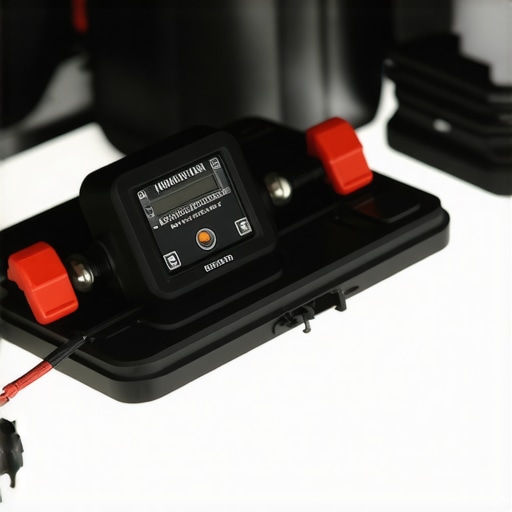
I will never forget the smell of sulfur wafting through my vents on a Tuesday afternoon. It was that sharp, rotten-egg scent that makes your nose crinkle and your heart sink. I was convinced I had a dead battery, but when I popped the hood, the casing was actually warm to the touch and slightly bulging. I made a huge mistake that day: I just swapped the battery and went on my way. Within forty-eight hours, the new one was toast too. It turns out, I wasn’t dealing with a ‘bad’ battery; I was dealing with an alternator that had lost its mind and was shoving way too much voltage through the system.
Your Battery is Literally Boiling Under the Hood
Most of us are used to the car not starting when the charging system fails, but overcharging is a different beast entirely. It’s like trying to fill a water balloon with a fire hose. If you have noticed why your headlights are flickering when you use the power windows, or if your dash lights seem unnaturally bright at night, your alternator’s internal regulator might be stuck wide open. This isn’t just a minor annoyance; it can fry your ECU or even cause a fire. Trust me, I’ve been there, and ignoring it is one of those essential auto repair strategies you cannot afford to skip.
Is a cheap multimeter really accurate enough for this?
You don’t need a thousand-dollar diagnostic rig to figure this out. I used to think you did, but I eventually learned that the $20 tool every driver needs for basic electrical troubleshooting is more than sufficient. According to technical data from the Battery Council International, a charging system consistently outputting over 15.2 volts will cause the electrolyte to evaporate, leading to plate damage and eventual battery failure. Have you ever seen your battery case look like it is about to pop? If so, you need to check your voltage immediately before you are stuck looking for vehicle diagnostics at 2 AM on a Saturday.To stop the guessing game, you need to see exactly what is happening in real-time. Grab that multimeter—I personally keep one in my glovebox alongside my registration because it has saved me more times than a spare tire. First, set your meter to the 20V DC setting. With the engine off, your battery should sit around 12.6 volts. But the real test starts when you twist the key. If the reading jumps and stays above 15.5 volts while you are idling, your alternator is essentially a rogue power plant. I remember once ignoring a high-pitched whistle coming from the front of my truck; I thought it was just an old belt, but what that whistling sound under your hood actually means is often an alternator working so hard it is literally screaming. I ended up with a battery case that looked like a bloated tin can.
Put Your Charging System to the Test
Testing isn’t just about the idle speed. To get a true picture, you need to put the system under load. Turn on your high beams, blast the AC, and crank the radio. If the voltage remains dangerously high, the internal voltage regulator has failed. This is one of those top auto repair tips to extend your vehicles lifespan because an overcharged battery will eventually vent hydrogen gas—which is as flammable as it sounds. While you are at it, it is worth learning how to find a parasitic battery drain with a basic multimeter if your battery still feels weak after you fix the overcharging issue. 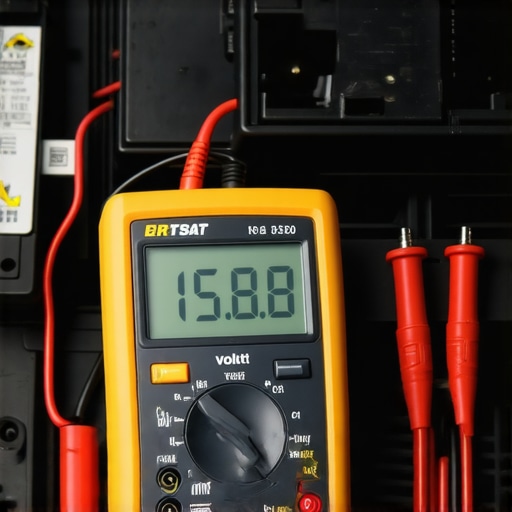
Why 14 Volts is Your Sweet Spot
Most modern cars like to live between 13.8 and 14.4 volts. Think of it like a garden hose; you need enough pressure to get the water to the end of the line, but too much will burst the pipe. When the regulator fails, that ‘pressure’ spikes. I once saw a dashboard light up like a Christmas tree—ABS lights, traction control, and the airbag warning all flashing—simply because the computer was being overwhelmed by 16 volts of electricity. If you see weird electronic glitches, check the charging system immediately. These are the kinds of vehicle diagnostics explained easy checks before your road trip that keep you from ending up on the side of the road.
Don’t Ignore the Physical Warning Signs
Beyond the digital readout, your eyes and nose are your best diagnostic tools. A battery that is being overcharged will often feel hot to the touch—not just engine-bay hot, but ‘don’t touch that’ hot. You might also see a white, powdery residue around the vents. This is dried acid from the boiling electrolyte. If you have ever wondered why your car battery dies every time it gets cold outside, it is often because summer overcharging boiled away the fluid, leaving the plates exposed to the elements.
Check Your Ground Wires Before Swapping Parts
Before you drop a few hundred on a new alternator, check your connections. A loose or corroded ground can sometimes trick the regulator into thinking the battery needs more juice than it actually does. I once spent an entire Saturday replacing an alternator only to find out why your new alternator still is not charging the battery was due to a ground strap that had frayed to a single thread. Clean the terminals with a wire brush until they shine like a new penny. It is a messy job, but seeing that steady 14.2 volts on the screen afterward is incredibly satisfying.Most folks think that once they have a code reader, they’ve graduated to master mechanic status. But here is the nuance: a scan tool doesn’t tell you what is broken; it tells you what circuit is reporting a value outside of its expected range. This is where most people fail at decoding vehicle diagnostics. They see a ‘Lean’ code and immediately buy an oxygen sensor, when in reality, they just have a $2 vacuum leak or a loose air intake. This ‘parts cannon’ approach is the most expensive way to fix a car. I’ve seen people spend $500 on sensors only to realize the check engine light code that actually means your air filter is loose was the culprit all along.
Why does your engine oil level rise between oil changes?
It sounds like a miracle—free oil!—but it is actually a nightmare. If you check your dipstick and see the level has gone up, you likely have fuel dilution. According to research by SAE International, modern direct-injection engines are particularly prone to this, where unburnt fuel escapes past the piston rings and thins out your lubricant. If you ignore why your engine oil level rises between oil changes, you are essentially washing your engine bearings with gasoline. This is the exact opposite of the engine protection you get from oil change innovations.
The Myth of Using Thicker Oil to Stop Leaks
Everyone says that if an old engine is leaking or burning oil, you should just switch to a thicker weight. In my experience, this is a band-aid that eventually breaks the wound open wider. Modern engines have incredibly tight tolerances and variable valve timing systems that rely on specific oil pressures. Using a 10W-40 when the manual calls for 0W-20 is the mistake of using the wrong oil viscosity in cold weather that can starve your top end of lubrication. 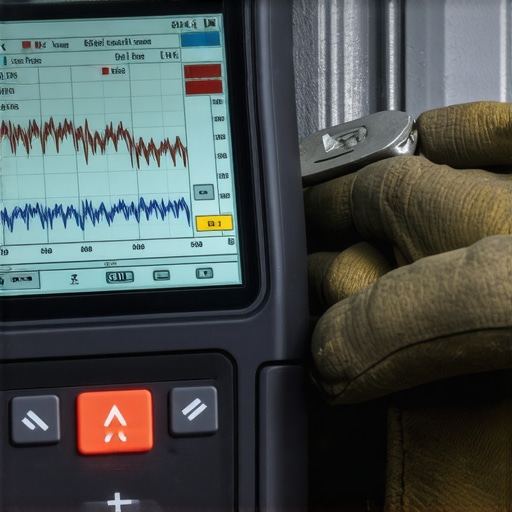
Don’t Trust Your Scanner Blindly
I’ve seen too many people fall into the P0420 trap. They see ‘Catalyst Efficiency Below Threshold’ and run to buy a $1,000 converter. But why your scanner says p0420 but the converter is actually fine often comes down to a tiny exhaust leak upstream. If air gets into the pipe before the sensor, the reading is skewed. This is why how advanced vehicle diagnostics prevent costly breakdowns is about looking at live data streams, not just the stored code. Finally, let’s talk about brakes. Most drivers assume that if the pedal isn’t vibrating, the system is healthy. However, brake service myths busted reveal that slide pins can seize long before the pads wear down, causing uneven braking that you won’t feel until an emergency stop. Have you ever fallen into the trap of replacing a part just because a code told you to? Let me know in the comments.I used to beg my wife to sit in the driver’s seat and pump the pedal for hours every time I did a brake job. It was the fastest way to start an argument. Then I discovered the Motive Power Bleeder. It’s a pressurized tank that forces fluid through the lines from the top down, meaning I don’t need a second person at all. This is the ultimate way to master the trick to bleeding brakes alone without a helper. When you use pressure instead of the pedal, you avoid pushing the master cylinder seals into ‘uncharted’ territory where years of corrosion can tear them. It’s one of those auto repair hacks save money without sacrificing quality because it ensures a 100% air-free system every single time.
Stop Begging for Help with Your Brake Pedal
According to the Society of Automotive Engineers (SAE) Standard J1703, brake fluid can absorb up to 3% of its weight in water within just one year in humid climates. This moisture lowers the boiling point and leads to that ‘mushy’ feeling when you’re coming down a steep hill. By using a power bleeder annually, you ensure your system stays within performance specs. This is why the ultimate guide to brake service for safety and performance always emphasizes fresh fluid over just changing pads. 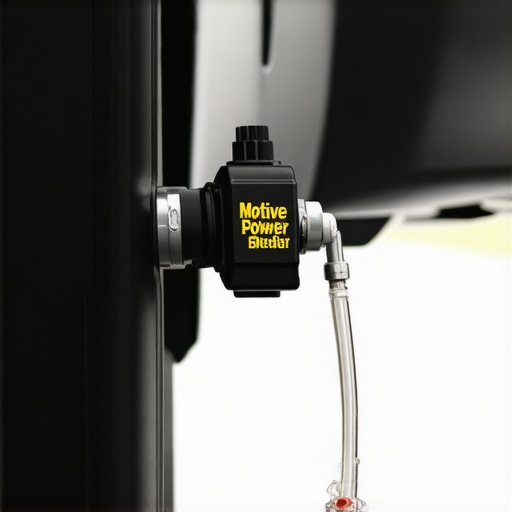
How do I maintain my vehicle’s complex systems over time?
Consistency beats intensity every single time. I keep a digital log of my ‘live data’ from my scan tool. Every six months, I record my fuel trims and oxygen sensor response times while the car is idling. If I see my Long Term Fuel Trim (LTFT) creeping up from 1% to 8%, I know a vacuum leak is forming before the check engine light even thinks about turning on. This is how advanced vehicle diagnostics prevent costly breakdowns. You aren’t just reacting to failures; you are predicting them.
Why Data Logs Are Better Than Your Mechanic’s Gut Feeling
I predict that within the next five years, we won’t even be checking dipsticks manually; we’ll be looking at ‘oil health’ sensors that measure the dielectric constant of the lubricant in real-time. We are moving toward a world of predictive maintenance where your car tells you it needs an oil change based on actual molecular breakdown, not just a mileage counter. For now, the best thing you can do is invest in a mid-range bidirectional scan tool. Being able to command a fuel pump to turn on or a radiator fan to spin via your tablet is a game-changer for troubleshooting. If you’ve been on the fence, go buy a pressure bleeder today—it will change your relationship with your car’s maintenance schedule forever.
The Expensive Lessons I Had to Learn Twice
If there is one thing a decade of grease under my fingernails has taught me, it is that your car is always trying to talk to you; we just usually lack the vocabulary to listen. I spent years firing the ‘parts cannon’ at problems because I was too lazy to do the basic electrical tests. I learned that the truth about using cheap aftermarket sensors in your engine is that they often create more ghosts in the machine than they solve. Always verify the circuit before you condemn the component. Another lightbulb moment for me was realizing that a visual inspection is 90% of the battle. Before you plug in a scanner, look for the frayed wire, the weeping seal, or the corroded ground. These are the essential auto repair strategies for frequent drivers that save thousands over the life of a vehicle.
#IMAGE_PLACEHOLDER_E#
Tools That Earned a Permanent Spot in My Toolbox
You don’t need a professional garage to get professional results, but you do need tools that don’t lie to you. Here is what I personally vouch for: First, a high-impedance multimeter. Even a basic unit allows you to see the invisible and catch a boiling battery before it ruins your alternator. Second, a bidirectional scan tool. Stop just reading codes and start testing components. Being able to toggle a fuel pump or a radiator fan via a command makes you feel like a wizard and cuts troubleshooting time in half. Finally, combining these tools with how advanced vehicle diagnostics prevent costly breakdowns allows you to move from ‘fixing things that are broken’ to ‘maintaining a machine that never fails.’ It is one of those auto repair hacks save money without sacrificing quality that pays for itself in one use.
Take the Fear Out of Your Driveway Repairs
Modern cars can be intimidating with their dozens of computers and miles of wiring, but the physics of a combustion engine haven’t changed. Whether you are performing a simple oil change, a complex brake service, or diving into deep vehicle diagnostics, the goal is the same: reliability. Don’t be afraid to get your hands dirty and start tracking your own data. By staying ahead of the curve with top auto repair tips to extend your vehicles lifespan, you ensure that your car serves you, rather than the other way around. Every successful auto repair starts with curiosity and a little bit of patience. Have you ever replaced a part only to find out the real problem was something much simpler? Let me know in the comments below!