
How to Find an Honest Albuquerque Mechanic Without Getting Overcharged for Simple Fixes
There is a specific kind of dread that settles in the pit of your stomach when a dashboard light flickers on while you’re driving down I-25 or navigating the congestion of Montgomery Boulevard. It’s not just the fear of a mechanical failure; it’s the fear of the unknown cost. For many drivers, searching for auto repair near me feels less like looking for a service and more like walking into a trap. We’ve all heard the horror stories: the $50 oil change that somehow turns into a $1,200 “emergency” suspension overhaul, or the simple sensor replacement that is billed as a full engine rebuild.
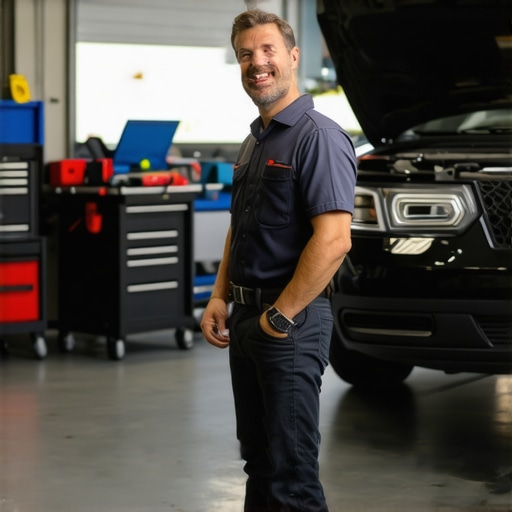
My name is Dustin Brown, and I’ve spent over 25 years in the independent auto repair industry. As the owner of Brown’s Automotive Experts, I’ve seen the best and the worst of this business. I know that the “trust gap” in automotive repair is real, and in a city like Albuquerque, it’s a frequent topic of conversation. If you head over to local forums like the Albuquerque subreddit (r/Albuquerque), you’ll see the same questions over and over: “Who can I trust?” and “Where can I go without getting ripped off?” Honesty isn’t just a buzzword for us; it’s the foundation of a sustainable business. In this guide, I’m going to pull back the curtain and show you how to navigate the Albuquerque repair landscape like an insider.
The Current Landscape of Auto Repair Shop Albuquerque
When you need work done on your vehicle, you generally have two choices: the dealership service center or an independent Auto Repair Shop Albuquerque. Both have their place, but the experience and the price tag can vary wildly. Dealerships often have massive overhead – glass-walled waiting rooms, fleets of loaner cars, and layers of corporate management. To pay for that overhead, they often rely on high-margin routine maintenance and “menu pricing” that doesn’t always reflect the actual work being performed.
Many Albuquerque drivers feel pressured by these “big box” service centers. You walk in for a routine check-up, and a service advisor – who is often paid on commission – presents you with a “red-yellow-green” inspection report that makes it look like your car is about to explode. The reality is that “simple fixes” are often where the highest profit margins are hidden. Because these repairs are easy to explain and quick to perform, shops can easily double or triple the price of parts and labor without the average consumer noticing. Understanding this landscape is the first step in protecting your wallet. You need a shop that treats you like a neighbor, not a sales quota.
5 “Simple Fixes” That Mechanics Often Overcharge For
In my two and a half decades of experience, I’ve identified five specific areas where car owners are most likely to be overcharged. These are the “bread and butter” of dishonest shops because they rely on the owner’s lack of technical knowledge.
1. Cabin Air Filters
This is perhaps the most common “upsell” in the industry. Your cabin air filter is responsible for cleaning the air that comes through your vents. When it gets clogged, you might notice the dirty cabin filter making your AC smell like wet dog. A high-quality filter usually costs about $20. In most modern cars, it takes about two minutes to replace – often just by dropping the glove box. Yet, I’ve seen shops charge $70, $80, or even $100 for this service. If a shop is trying to charge you $50 in labor for a two-minute task, it’s a sign they aren’t being transparent about their rates.
2. Brake Pad Replacement
Brakes are a major safety item, which makes them a perfect tool for high-pressure sales. A common tactic is telling a customer that because their pads are low, they *must* replace the rotors as well. While resurfacing or replacing rotors is sometimes necessary, it isn’t a universal rule. For a deeper dive into what you actually need, check out The Ultimate Guide to Brake Service for Safety and Performance. An honest mechanic will measure your rotors with a micrometer and show you the specs rather than just telling you they “look thin.”
3. Diagnostic Fees
This is a misunderstood area. Many people think that because a “Check Engine” light is on, the mechanic just plugs in a tool and the tool tells them exactly what to fix. In reality, the tool only points to a system that is malfunctioning. However, there is a difference between a legitimate diagnostic fee and a “button-pushing” fee. For complex issues, read How Advanced Vehicle Diagnostics Prevent Costly Breakdowns. If a shop charges you $150 just to read a code and then tries to sell you a $400 part without performing a pin-out test or a vacuum leak check, you’re being overcharged.
4. Fluid Flushes
The “flush” is a favorite of the high-volume shop. While transmission fluid and coolant do need to be changed according to your owner’s manual, some flushes are unnecessary or even harmful. For example, the truth about engine flushes and why they can be risky is that they can sometimes dislodge sludge that then clogs oil passages. Similarly, you should know the brake fluid secret that keeps your calipers from seizing: it’s about moisture content, not just the color of the fluid. If a shop recommends five different flushes at 30,000 miles without checking the fluid condition, be skeptical.
5. Battery and Alternator Misdiagnosis
I’ve seen many customers come in after being told they need a $600 alternator, only to find out it was a simple ground wire that makes your dashboard look like a Christmas tree. Or sometimes, it’s just the $20 sensor that stops your engine from stalling in traffic. A dishonest shop will take the “replace the most expensive part first” approach, whereas an honest one will start with the basics.
Red Flags: How to Spot a Dishonest Shop Before You Hand Over the Keys
Finding a Car repair shops near me requires a bit of detective work. Before you sign the work order, look for these warning signs:
- The “Vague Estimate” Trap: If a mechanic says, “It’ll probably be around $500, but we’ll see,” run. A professional shop provides a written estimate that breaks down parts, labor, and shop supplies.
- Refusal to Show Old Parts: You have a legal right to see the parts that were replaced. If a shop gets defensive when you ask to see the old water pump or timing belt, they might not have replaced it at all.
- High-Pressure Tactics: If a mechanic says, “I wouldn’t drive this another mile,” they are trying to bypass your logic and trigger your fear. Unless your wheel is literally falling off or your brakes have failed entirely, you almost always have time to get a second opinion.
- Lack of Certification: Look for ASE (Automotive Service Excellence) certifications and RepairPal certification. These mean the shop has met certain standards of quality and pricing transparency.
For more tips on navigating these interactions, you can read our guide on Auto Repair Hacks: Save Money Without Sacrificing Quality. Knowledge is your best defense against predatory pricing.
The Dustin Brown “Insider Strategy” for Vetting a Mechanic
If I were looking for a shop in a new city, here is exactly how I would vet them. This is the strategy I’ve shared with friends and family for years.
Ask for the “Why”
A good mechanic is also a good teacher. If they tell you that you need a new part, ask them to explain how they reached that conclusion. They should be able to show you the failure. If it’s a suspension component, they should show you the play in the joint. If it’s a leak, they should show you the fluid. If they can’t explain the failure, they don’t understand the repair.
Check for Specialization
If you have a specific, nagging issue – like the transmission shudder that feels like you’re driving over rumble strips – ask the shop if they have experience with your specific make and model. Some shops are great at Toyotas but struggle with European cars like BMWs or Volkswagens. Don’t be afraid to ask, “How many of these have you done this month?”
The “Small Job” Test
Don’t wait for a major breakdown to find a mechanic. Start with a small, routine job like an oil change. This allows you to see how they communicate, how clean their shop is, and if they try to upsell you unnecessarily. Pay attention to the details; even something as small as why cheap oil filters are a gamble for your engine’s longevity should be something they can discuss intelligently. If they fail the “small job” test by being rude or pushy, you’ve only lost the cost of an oil change, not a transmission.
Location and Convenience
In Albuquerque, location matters. If you work in the city center, finding a reliable auto repair downtown can save you hours of logistical headaches. A shop that offers a shuttle service or is near public transit shows they value your time as much as your business.
Finding Reliable Car Repair Shops Near Me in the 505
Albuquerque is a unique place to own a vehicle. Our high altitude, extreme summer heat, and the fine “Pueblo dust” that gets into everything mean that cars here work harder than they do at sea level. When searching for a Mechanic Shop Near Me, you need someone who understands these local conditions. Don’t just click the first ad you see on Google. Those top spots are often purchased by national chains with high turnover and low accountability.
Instead, look for shops with deep roots in the 505. Look for places that sponsor local little league teams or have been in business for decades. A long-standing Auto Repair Shop Albuquerque survives on repeat business and word-of-mouth. They can’t afford to burn a customer for a quick buck because this is a small town in many ways. Transparency in pricing – such as posting labor rates or using digital vehicle inspections that text photos of the problems directly to your phone – is the gold standard for modern, honest repair.
Technical details matter, too. For instance, a lazy shop might ignore the “crush washer” during an oil change. We call this the drain plug crush washer mistake that ruins driveways. It’s a 50-cent part, but skipping it leads to slow leaks. An honest shop sweat the small stuff because they know the small stuff prevents big problems later.
Conclusion & Call to Action
At the end of the day, finding an honest mechanic is about building a relationship. It’s about finding a professional who views themselves as a consultant for your vehicle’s health, not just a parts-changer. You deserve a shop that respects your budget and prioritizes your safety without the smoke and mirrors. By asking the right questions, recognizing the red flags, and testing shops with smaller jobs, you can navigate the Albuquerque auto repair scene with confidence.
If you’re tired of the runaround and want a team that values transparency and technical excellence, stop by and see us. Whether you need a complex diagnostic or just a reliable Mechanic Shop Near Me to keep your car running through the New Mexico heat, we are here to help. Let’s get your car back on the road without the stress of being overcharged.