
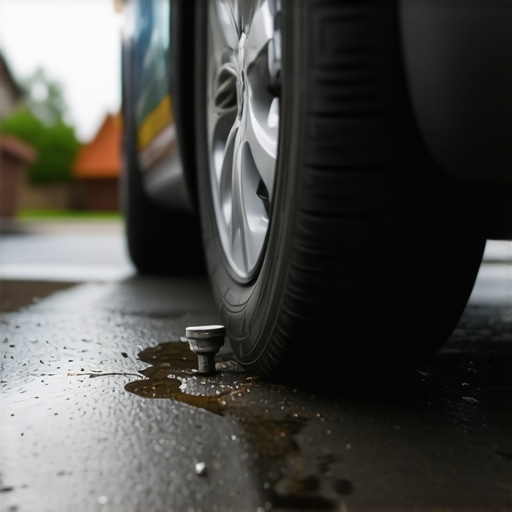
Ever had that sinking feeling when you notice a pool of oil or a mysterious stain spreading across your driveway after a simple oil change? I remember the first time I experienced it—trust me, it’s a wake-up call you won’t forget. That mess was a direct result of a small mistake with the drain plug crush washer, something I learned the hard way.
As someone passionate about car maintenance, I want to share my experience so you can avoid the same trouble. Today, we’ll dive into the common pitfalls involving drain plug crush washers and how those tiny errors can lead to big driveway disasters. Whether you’re a seasoned DIY enthusiast or just starting out, understanding this issue can save you time, money, and a lot of frustration.
Why A Simple Mistake Can Ruin Your Driveway and Your Day
We often overlook the little things in auto repair—tightening that bolt just right, replacing a worn washer, or ensuring proper torque. But those small details are crucial. I once tightened the drain plug a bit too much without considering the crush washer’s proper installation. The result? A slow leak that turned into a full-blown oil spill. Not only did it stain my driveway, but it also posed environmental hazards and added cleaning costs.
What I didn’t realize then is that the crush washer is designed to create a seal that prevents leaks but can be easily damaged if installed improperly. A common mistake is reusing old washers or over-tightening, both of which compromise the seal and lead to drips and messes. According to auto maintenance experts, improper installation of drain plug washers is one of the leading causes of oil leaks in DIY repairs.
So, why does this matter more than just a quick cleanup? Because an unnoticed leak can lead to costly engine damage over time, and the cleanup process can be a real headache, especially when it stains your driveway or garage floor. Plus, if you’re like me, the last thing you want is to feel guilty every time you pull into your driveway, knowing you’ve left a mess behind.
Have you faced that frustrating scenario where a misstep during a DIY oil change turned into a driveway disaster? If so, you’re not alone. Many car owners overlook the importance of proper drain plug washer installation, thinking it’s a small detail. But as I learned early on, ignoring it can have big consequences.
To avoid becoming the next victim of this sneaky mistake, I’ll walk you through the essentials of correctly installing drain plug crush washers, so you can keep your driveway clean and your engine happy. Ready to learn the simple steps to get it right the first time? Let’s gear up for some practical tips and tricks that will make your next oil change mess-proof.
Secure the Drain Plug Correctly in Five Simple Steps
Start by ensuring the engine is cool to prevent burns and reduce oil flow. Use a clean, lint-free rag to wipe the drain plug area, revealing any debris or old washer remnants. Carefully unthread the drain plug using the correct size ratchet socket, avoiding overtightening. When installing the new crush washer, place it evenly around the drain plug threads, making sure it sits flat—think of it as a gasket and not just a washer. Hand-tighten the drain plug initially, then tighten further with a torque wrench to the manufacturer’s specified torque—usually between 20-30 ft-lbs—much like tightening a bicycle bolt to prevent it from slipping.
Use Proper Tools and Techniques to Avoid Damage
Using the right tools is crucial. A torque wrench ensures you apply the exact pressure needed—over-tightening can crush the washer excessively, damaging it and causing leaks. Under-tightening risks oil drips, which I learned firsthand when my first attempt resulted in a slow seep that eventually became a significant stain on my driveway. Think of tightening as flossing: too loose, and debris collects; too tight, and you risk damaging the material. The torque specs are like the recommended thread count of bedding—measurements matter.
Recognize the Signs of a Failed Crush Washer
If oil begins to leak shortly after your oil change, recheck the drain plug’s tightness and inspect the washer. A crushed or deformed washer indicates improper installation or reuse of an old washer. Visual cues include warping or cracking—similar to how a bent soda can indicates it was crumpled improperly. In my experience, a quick visual inspection saved me from a bigger mess, reinforcing the importance of proper installation. Remember, a compromised washer can be likened to a worn-out gasket in brake service—small issue but large consequences if ignored. For more safety-critical tips, see brake service myths busted.
Prevent Future Leaks With Routine Checks
After each oil change, a quick check around the drain plug area can preempt leaks. Clean the area, wipe off excess oil, and monitor for drips over the next day. Developing this habit avoids costly repairs and environmental hazards. Think of it as a health check for your vehicle—regular inspections extend the lifespan of your engine and keep your driveway clean. Over time, mastering this process will make oil changes quick, clean, and stress-free, saving you time and money, and maintaining your vehicle’s performance without surprise leaks. For comprehensive maintenance strategies, visit tips to extend your vehicle’s lifespan.
Even seasoned car enthusiasts sometimes fall prey to misconceptions that can lead to costly mistakes. While most believe that auto repairs are straightforward, the real nuances often get overlooked, leading to unintended consequences. For example, many assume that a quick oil change is always enough to keep the engine healthy, but neglecting proper oil diagnostics can mask underlying issues, resulting in long-term damage. Dive into the details and learn how expert attention to nuances can save you money and hassle.
A widespread myth is that brake pads wear evenly over time, but in reality, uneven wear signals alignment issues or suspension problems that, if ignored, can compromise safety and lead to more expensive repairs. Regular inspections and understanding the signs of irregular wear are vital. Rushing through brake service without verifying these nuances can result in brake failure at the worst moment.
Many drivers underestimate the importance of vehicle diagnostics, believing that a flashing Check Engine light is just a minor annoyance. However, advanced diagnostics can uncover hidden problems like faulty sensors or malfunctioning emissions systems before they escalate. Expert technicians use tools that interpret complex data, providing a clear picture of your vehicle’s health—something casual inspections can’t match. For comprehensive insights, check out this guide to vehicle diagnostics.
One trap that catches even experienced DIYers is reusing old filters or cheap parts, thinking it’s a cost-saving move. But this often backfires, causing leaks or component failure. For example, reusing a worn crush washer during an oil change might seem innocuous, yet it can lead to oil leaks and environmental hazards—posing a hidden risk many overlook. Learning to recognize critical nuances in parts replacement is essential for long-term vehicle health.
Suspecting a quick fix might be enough? Think again. Some parts like transmission mounts or wheel bearings degrade gradually but show subtle signs—like strange noises or vibrations—that, if dismissed, can lead to complete system breakdowns. Regular, detailed inspections with an auto professional can spot these issues early. Want strategies to prevent such breakdowns? Explore this resource on auto repair strategies.
Lastly, advanced technicians know that not all repairs are equally effective if performed superficially. A simple brake pad replacement without checking rotor condition or caliper function misses a crucial step, potentially causing uneven wear or pedal pulsation. The devil is truly in the details—attention to every nuance makes a difference. For a deeper dive into brake service, visit that comprehensive guide.
By understanding the intricacies and common pitfalls in auto repair, you can approach maintenance with a more discerning eye. Remember, the little details often determine the big picture. Have you ever fallen into this trap? Let me know in the comments to share your experience and learn from others.Maintaining your vehicle’s performance over time hinges on the right tools and a disciplined approach. As auto repair trends advance, embracing precise equipment and software ensures long-term reliability and saves costly repairs later. One tool I personally rely on is the digital torque wrench. Unlike traditional torque wrenches, these devices allow for exact settings, preventing over-tightening of critical components like drain plug crush washers, which can cause leaks if improperly torqued. This precision is crucial because even small errors can snowball into engine damage or environmental hazards. Additionally, I recommend using automotive diagnostic scan tools such as the Innova 3160g, which interfaces with your vehicle’s onboard computer via Bluetooth. This setup lets me perform thorough health checks, identify trouble codes, and clear faults with ease—saving time and reducing trips to the mechanic. Looking ahead, I predict that vehicle diagnostics will become even more integrated with smartphone apps and AI-powered systems, providing real-time insights and predictive maintenance prompts. To keep your vehicle in top shape, regularly check the health of vital systems and leverage these digital tools for proactive care. For example, routinely performing advanced diagnostics can preempt breakdowns and extend your car’s lifespan. Want to make your next maintenance session more effective? Try calibrating your torque wrench with certified standards to ensure perfect tightness on critical components. This small step can make a substantial difference in avoiding leaks and mechanical failures over time.
Lessons Only Experience Teaches About Oil Change Nuances
One of the biggest revelations I had was realizing how crucial every tiny step is during an oil change. Skipping routine checks or reusing old washers can seem harmless until you face a messy driveway and costly repairs. Auto professionals often avoid shortcuts because they understand that even minor oversights, like improper torqueing, can lead to leaks and engine damage, insights I wish I knew when I first started DIYing.
Tools and Resources I Swear By for Leak-Free Maintenance
Investing in a quality torque wrench changed my entire approach—ensuring I tighten the drain plug to exact specifications. The advanced diagnostic tools I use give me early warnings of potential issues, saving me from surprise breakdowns. Pairing these with reliable guides, like the tips to extend vehicle lifespan, helps maintain my car’s health proactively.
Embracing the Power of Routine Checks and Proper Technique
Developing a habit of inspecting around the drain plug area after each oil change has been a game-changer. It’s a simple step that can catch small leaks before they become disasters. Knowing the signs of a crushed or deformed washer—like visual warping—helps me act quickly. This attention to detail not only preserves my engine but also keeps my driveway spotless and environmentally safe.
My Mistakes and the Hard Lessons They Taught
- I used to think reusing old washers was okay—until I learned that they can deform and cause leaks, leading to unwanted messes.
- Over-tightening the drain plug was an easy trap; I cracked my first washer and faced a slow, stubborn leak that became a major headache.
- Neglecting torque specs seemed insignificant, but I discovered the hard way that proper tightening prevents future failures.
- I underestimated how crucial routine inspections are—now, a quick check has saved me from costly repairs and environmental damage.
Action Tips for Your Next Vehicle Care Session
Next time you perform an oil change, set aside a few minutes for a visual inspection around the drain plug. Use a precision torque wrench to avoid under or over-tightening, and always replace the crush washer with a new one. If you’re unsure about your results, consider consulting auto repair hacks that emphasize proper techniques—your driveway and engine will thank you.