
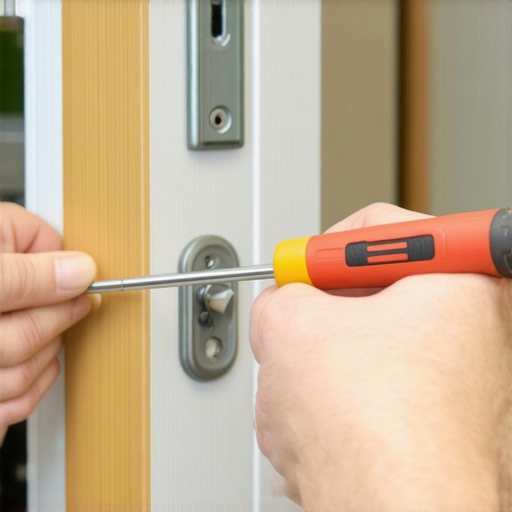
I stood in the driveway for ten minutes, tugging at the handle of my old truck, feeling like a total amateur. The lock popped up just fine, but the handle had zero resistance. It was just… dead. I actually ended up climbing through the passenger side for a week because I was too intimidated to take the door panel off. Looking back, that was my first mistake—letting a small mechanical hiccup dictate how I used my car. I eventually learned that most of the time, the fix is way simpler than you’d think, and it certainly doesn’t require a master’s degree in mechanical engineering. If you’ve ever felt that sinking feeling of a ‘loose’ handle, you’re in the right place. Today, I am going to show you how to diagnose the internal components of your door and get that latch working again without spending a fortune at the dealership. [image_placeholder_1]
When Your Door Handle Goes Limp in the Driveway
It is a visceral moment of frustration when your vehicle decides to ignore your commands. You click the fob, you hear the familiar ‘thunk’ of the actuator, but the exterior handle just flaps in the wind. This is usually more than just a minor annoyance; it is a safety hazard. While we often focus on essential auto repair strategies for frequent drivers, we sometimes forget the basics of entry and exit. Early in my DIY journey, I once tried to ‘force’ a stuck handle with a flathead screwdriver, thinking I could just jimmy it open. All I did was gouge the paint and bend the metal rod inside, making a twenty-minute fix turn into a three-hour ordeal. Trust me, finesse beats force every single time when it comes to door hardware.
Is This Actually Fixable Without a Professional?
You might be worried that you’ll take the door apart and never get it back together, or that the problem is a complex electronic failure. The truth is that most door handles operate on a very simple system of rods and plastic clips. Even if you aren’t a pro, following top auto repair tips to extend your vehicles lifespan usually involves getting comfortable with these small mechanical fixes. Have you ever had to do the ‘passenger side shuffle’ because your driver’s door gave up on you?
The Real Reason Your Handle Feels Disconnected
Most of the time, the culprit is a broken plastic clip or a rod that has simply popped out of its socket. According to data from the Car Care Council, small mechanical failures like door latches and window regulators are among the most common ‘nuisance’ repairs that owners put off, often leading to more expensive interior damage if the door is forced repeatedly. If you’ve noticed other issues recently, like how to stop your doors from creaking every time they open, it is a sign that the lubrication in your entire door assembly is drying out. Before you call a locksmith or a mechanic, we need to peek behind the curtain—or in this case, the door panel—to see which tiny component has gone on strike.
Strip Away the Interior Plastic to See the Guts
Before you can fix what is broken, you have to see it. Removing a door panel is like performing surgery through a keyhole if you aren’t careful. Most modern cars hide their screws behind little plastic caps or inside the pull-handle recess. I learned the hard way that if you don’t find every single hidden fastener, you’ll end up snapping the plastic hooks that hold the panel to the frame. In my early twenties, I was so impatient with a stuck door on my old sedan that I yanked the panel and heard a sound like dry twigs snapping—I’d missed a screw hidden behind the window switch. Use a dedicated plastic trim tool rather than a flathead screwdriver to avoid scarring your interior. Once the screws are out, the panel is usually held on by ‘Christmas tree’ clips. Pull firmly but steadily. As the panel comes free, don’t just walk away with it; you’ll have a spiderweb of wires for the speakers and power locks still attached. Unclip these gently to avoid needing to research the hidden fuse that kills your power locks later on. 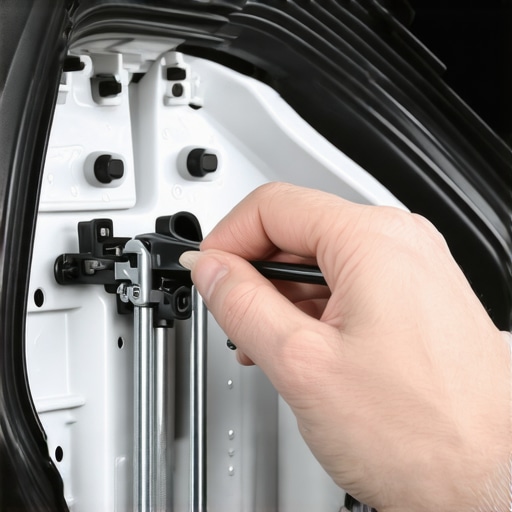
Locating the Ghost in the Machine
With the panel off, you’ll see a thin plastic vapor barrier. Peel this back carefully—it’s held on by a sticky black butyl rubber that gets on everything it touches. Now, reach inside the door cavity and pull the exterior handle while watching the internal linkage. You are looking for a long metal rod. Think of this rod like a bicycle brake cable; if it isn’t connected at both ends, nothing happens. Often, the rod has simply fallen out because a tiny plastic clip, worth about fifty cents, has perished from heat and age. If the rod is dangling, you’ve found your culprit. This kind of hands-on inspection is much more effective than relying on electronic tools, though decoding vehicle diagnostics can help if you suspect the actuator itself is the problem.
The Simple Fix for a Flapping Handle
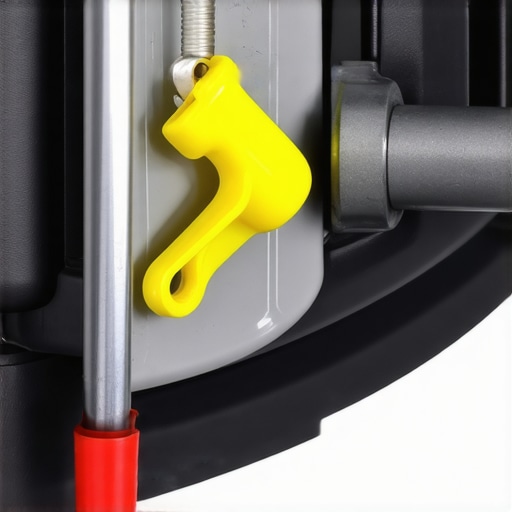
If the clip is broken, don’t try to use duct tape or zip ties. The vibration of the door slamming will shake those loose in a week. Go to the auto parts store and buy a ‘door handle hardware kit.’ These kits contain various clips for different makes and models. Snap the new clip into the handle or the latch mechanism, then slide the rod into the hole and swing the locking arm of the clip over the rod. It should click into place with a satisfying ‘pop.’ If the handle still feels a bit mushy, the rod might be slightly bent. You can usually straighten it with a pair of pliers, but be gentle—you don’t want to snap the metal. This level of attention to detail is what separates a hack job from top auto repair tips to extend your vehicles lifespan.
Stop the Grinding Before It Starts Again
While you have the ‘guts’ of the door exposed, it is the perfect time for some preventative maintenance. Over time, the factory grease on the latch mechanism turns into a sticky, dust-trapping paste. This resistance is exactly what puts extra stress on those plastic clips, causing them to break in the first place. Wipe away the old gunk and apply a fresh dab of white lithium grease to the moving pivot points. If you’ve been wondering how to stop your doors from creaking every time they open, this is your golden opportunity to silence those hinges and latches once and for all. A well-lubricated door system feels like a luxury car, even if you’re driving a beat-up work truck. Before you snap the panel back on, test the handle ten times from both the inside and outside. There is nothing more soul-crushing than putting all those screws back in only to realize the rod popped out on the very first try.
Now that you have the mechanical rod back in place, I want to challenge a common piece of ‘driveway wisdom’ that usually does more harm than good. Most DIYers believe that more grease equals more life for their door assembly. In reality, over-applying heavy grease is the fastest way to turn your door cavity into a sandpaper factory. Road dust and pollen find their way inside the door skin, stick to that grease, and create an abrasive paste that grinds down your new plastic clips faster than if you had left them dry. According to experts at the National Institute for Automotive Service Excellence (ASE), improper lubrication in high-dust environments is a leading cause of premature mechanical linkage failure in vehicle doors. I always tell people: use a dry PTFE spray instead of globs of lithium grease if you want it to last.
Avoid the Trap of the Ghost Battery Drain
One ‘oops’ factor that separates the amateurs from the pros is failing to check the door’s microswitch after a handle repair. If you bumped the latch assembly while fishing for that rod, you might have slightly misaligned the sensor that tells the car the door is shut. You’ll walk away thinking the job is done, but that tiny sensor remains open, keeping the interior lights or the door-ajar warning active. This is how a simple handle fix leads to a dead battery by morning. If you find yourself in this situation, you might need to look into how advanced vehicle diagnostics prevent costly breakdowns to pinpoint exactly which module is refusing to sleep. Have you ever fallen into this trap? Let me know in the comments.
Why does your dashboard still say the door is open after you fixed the handle?
This is a sophisticated headache that often requires decoding vehicle diagnostics. Modern cars use the door latch as a primary data point for the alarm and power management systems. If the handle feels right but the electronics are acting up, you have likely disturbed the wiring harness or blown a hidden fuse that kills your power locks during the panel removal. I once spent four hours chasing a ‘bad handle’ only to realize I had pinched a single wire against the metal frame when I snapped the panel back on. Always check your harness routing twice before you push those plastic Christmas tree clips back into their holes.
Skip the Cheap Aftermarket Hardware
While I am all for saving money, the door handle is one place where ‘cheapest is best’ is a flat-out myth. The ten-cent plastic clips from a generic bulk bin often lack the UV and temperature resistance of OEM (Original Equipment Manufacturer) parts. I have seen those cheap clips become brittle and snap during the first freeze of winter, leaving you right back where you started: doing the passenger-side shuffle. Much like the brake service myths busted by professionals, the real value in auto repair comes from the quality of the small components, not just the labor. If you want to ensure your door stays functional for the long haul, investing in high-grade nylon clips is part of the top auto repair tips to extend your vehicles lifespan. Don’t let a tiny piece of inferior plastic ruin your week.
If you want to move beyond basic survival and actually master these fixes, you need to stop using kitchen knives and flathead screwdrivers to pop your door panels. I used to be that guy, but after breaking enough forty-dollar plastic bezels, I finally invested in a set of nylon pry tools. These are one of the best auto repair hacks to save money without sacrificing quality. They allow you to apply even pressure across the clip without gouging the metal door skin or marring the upholstery. The Society of Automotive Engineers (SAE) provides rigorous standards, such as SAE J1351, which detail how interior materials and fasteners degrade over time under thermal stress; a good set of tools respects those material limits, while a metal screwdriver simply destroys them. Having the right kit means you can perform a repair once and never have to look back.
Stop Using Screwdrivers as Pry Bars
Beyond the pry tools, I highly recommend keeping a dedicated magnetic parts tray nearby. There is nothing more frustrating than being at the finish line and realizing a critical screw for the armrest has vanished into the driveway gravel. This organized approach is a cornerstone of top auto repair tips to extend your vehicles lifespan. When you respect the hardware, the vehicle stays tight, quiet, and rattle-free. If you find your power locks aren’t cycling correctly after you’ve handled the wiring, you might have tripped a safety circuit, in which case you’ll need to check the hidden fuse that kills your power locks before tearing the door back apart.
How do I maintain these tiny moving parts over time?
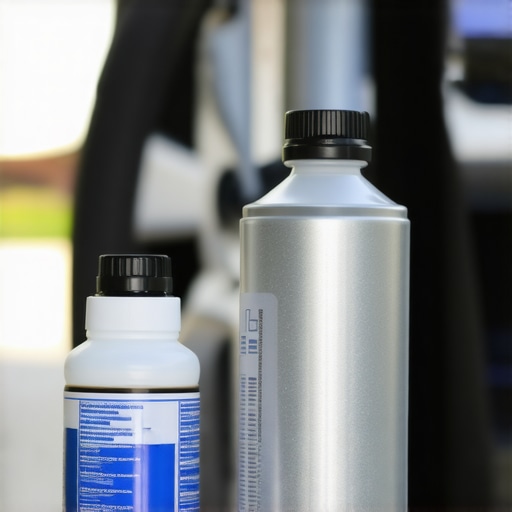
Maintenance is less about heavy grease and more about cleanliness. Every six months, I make it a point to roll the window down and spray a tiny bit of dry lubricant into the latch mechanism from the side of the door. This prevents the linkage from binding and puts significantly less stress on those fragile plastic clips. By keeping the movement fluid, you avoid the mechanical resistance that leads to the handle ‘snapping’ in the first place. Think of it like a mini-version of the ultimate guide to brake service for safety and performance; keeping moving parts clear of debris is the secret to longevity. It takes thirty seconds but can save you a whole Saturday of labor down the road.
The Future of Getting Inside Your Car
I predict that within the next decade, the mechanical rod will be a relic of the automotive past. We are already seeing ‘e-latches’ on higher-end vehicles and EVs where a simple button press sends an electronic signal to a solenoid. While this removes the ‘limp handle’ problem, it introduces complex electrical failures that will make knowing how advanced vehicle diagnostics prevent costly breakdowns even more critical for the average owner. We are trading plastic clips for copper wires and sensors, but the core lesson remains: stay ahead of the wear. My challenge to you this weekend is to go out and test every door handle on your car. If one feels even slightly stiff, hit it with some PTFE spray now before it leaves you climbing through the window. It is the easiest way to ensure you are practicing essential auto repair strategies for frequent drivers.
Hard Lessons from a Decade of Banging on Door Panels
If there is one thing I have learned from years of working on my own fleet, it is that patience is a physical tool you must bring to the job. My biggest ‘lightbulb moment’ came when I realized that if a door panel isn’t moving, there is always a hidden screw I missed; yanking harder is never the solution. I also discovered that these small mechanical fixes are the ultimate gateway drug to more complex maintenance. If you can navigate the internal rods of a door, you have the fine motor skills to tackle essential auto repair strategies for frequent drivers. Another hard truth: a snapped plastic clip is a lesson, not a failure. Even if you end up having to learn how to remove a broken bolt without losing your mind during the process, you are still ahead of the person who paid a dealership five hundred dollars for a fifty-cent part.
Tools That Turn a Frustrating Afternoon Into a Win
I don’t believe in buying every gadget on the shelf, but for door work, three things are non-negotiable. First, a dedicated set of nylon pry bars is the only way to protect your interior paint and plastic. Second, I always keep a bottle of high-quality dry PTFE lubricant; it stays slippery without attracting the grit that destroys latches. Finally, a telescoping magnet is a lifesaver for when you inevitably drop a screw into the bottom of the door cavity. These items are the foundation of auto repair hacks to save money without sacrificing quality. I trust these tools because they respect the materials of the car, ensuring that when you finish, you don’t have to worry about how to stop the annoying rattle behind your dashboard caused by loose or damaged components.
#IMAGE_PLACEHOLDER_E#
Your First Step Toward Garage Independence
Fixing that limp handle is about more than just being able to open your door; it is about the confidence that comes from knowing how your machine actually functions. When you stop being intimidated by the plastic and metal under the surface, you start practicing the kind of top auto repair tips to extend your vehicles lifespan that keep a car on the road for decades. You might even notice other small issues while the panel is off, like why your power windows are moving slower than they used to, and be able to address them right then and there. Don’t let a small mechanical hiccup keep you climbing through the passenger seat. You have the tools, the knowledge, and the strategy to get it done right today. Have you ever successfully fixed a door handle only to realize you forgot to reconnect the lock cable at the very last second? Let me know your best (or worst) DIY stories in the comments below!