
I’ll never forget the sinking feeling when I eagerly opened a box of supposed OEM brake pads, only to find cheap-looking imitations that looked the part but performed terribly. That moment made me realize how tricky it is to distinguish genuine parts from counterfeit ones, especially when the prices are tempting. It’s a lightbulb moment that many car enthusiasts and DIYers face—how do you know if that OEM part upgrade is the real deal before you spend your hard-earned cash and risk your safety?
Why Recognizing Fake OEM Parts Can Save You Money and Your Safety
Installing a counterfeit part isn’t just a matter of a bad purchase; it can lead to serious safety hazards, costly repairs, and frustration. Counterfeit parts often lack the proper materials or manufacturing standards, which can cause premature wear, component failure, or even accidents. Early in my journey, I made the mistake of trusting a cheap replacement filter, only to see it clog within months and cause engine issues. That experience taught me the importance of knowing what to look for to avoid these pitfalls. Want to learn how to spot a fake OEM part before it’s too late? Keep reading, because I’ve gathered some proven tips based on personal experience and industry insights.
Is It Really Worth the Risk? A Deep Dive into Fake Parts
Many drivers wonder if all this vigilance is necessary, especially when prices seem reasonable. The truth is, counterfeit parts can be dangerous and cost more in the long run. A good rule of thumb: if a deal sounds too good to be true, it probably is. Missing out on genuine parts might seem like a minor saving at first, but as I learned early on, it can cost you hundreds or even thousands in repairs and insurance issues. I once bought cheap brake calipers that looked okay online; they failed within a year, leading me to replace them again for genuine ones. The initial savings vanished in the face of the hassle—and the safety risk. To arm yourself better, check out our detailed guide on [why cheap brake pads are actually costing you more in rotors](https://repairmycarpro.com/why-cheap-brake-pads-are-actually-costing-you-more-in-rotors). Now, let’s move on to the practical signs of fakery, so you can confidently choose authentic parts moving forward.
Check the Source of Purchase
Always buy from reputable dealerships or authorized retailers. During my early days, I learned this lesson when I tried a third-party seller with a flashy online store. The parts looked genuine, but when installed, they caused immediate issues. To avoid a similar mistake, verify the seller’s credentials and look for official OEM certification or authorized dealer logos on packaging.
Inspect Packaging and Labels Carefully
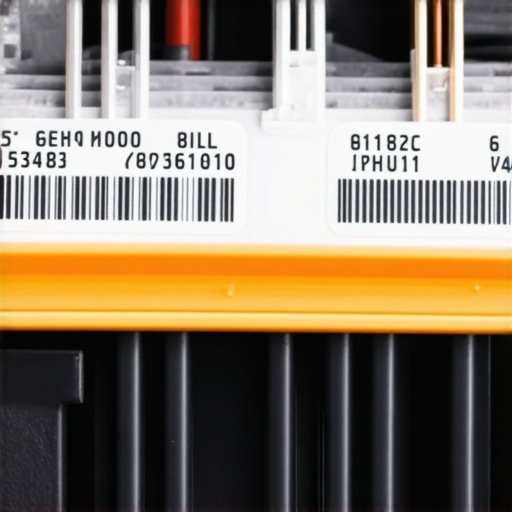
Authentic OEM parts typically come in high-quality packaging with clear, professional labels. Look for spelling errors, blurry printing, or mismatched logos. I once received a brake rotor with misspelled branding online—an instant red flag. Take a close look at the sticker seals, holograms, and barcodes, and cross-reference the serial numbers with manufacturer databases where available.
Compare Visual Features and Build Quality
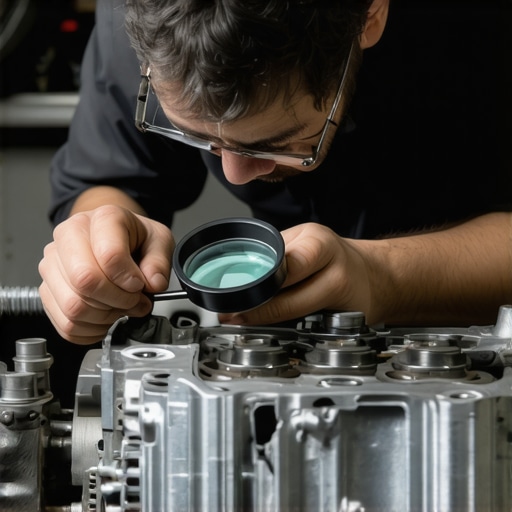
Genuine parts have precise manufacturing standards. Examine the metal finish, casting marks, and feature details. I once held a counterfeit oil filter in my hand; the lettering was uneven, and the metal felt flimsy. Use a magnifier if needed. Authentic OEM parts also usually have specific part numbers embossed or etched, backing their legitimacy.
Utilize Your Vehicle’s VIN
Match the part number with your vehicle’s VIN (Vehicle Identification Number). Many OEM parts are cataloged and can be cross-checked online or at authorized dealers. In a past project, I used this method to confirm a camshaft’s authenticity, preventing nosediving into costly repairs from fake components.
Perform Functional and Fit Tests
Once received, test the part if possible. Fit the component onto the vehicle without forcing it. Genuine brake pads or filters will align perfectly. For example, I once installed a brake caliper that didn’t fit properly due to counterfeit manufacturing. Always ensure the part functions correctly before full installation.
Leverage Online Verification Tools
Many OEM manufacturers provide online verification platforms where you can input serial numbers or QR codes. I used such a tool for an OEM air filter, confirming its authenticity instantly. Incorporate this step as a final safeguard before installation.
Stay Informed on Common Counterfeit Signs
Keep updated with industry alerts on counterfeit parts. Manufacturers often release notifications about recent scams, such as fake brake sensors changing hands. Familiarize yourself with these warning signs through trusted resources.
By consistently applying these steps, you safeguard your vehicle’s reliability and your safety. Remember, if a deal or part feels uncertain, it’s better to invest time in verification than risk compromising your vehicle or health. Don’t forget to check out our detailed insights on why cheap brake pads can cost you more in the long run for more tips on quality assurance.
 Many car owners believe that vehicle diagnostics are straightforward: plug in a code scanner and fix whatever pops up. However, in my deep experience, this simplistic view often leads to costly mistakes and overlooked issues. The truth is, relying solely on basic diagnostics can be a trap. Modern vehicles are complex systems where sensors, modules, and subsystems communicate dynamically, making the diagnostic process far more intricate. Overcoming these nuances requires understanding that not all codes are equal—some are just symptoms, not root causes. For instance, a P0420 code indicating catalytic converter efficiency might mask underlying problems like a faulty oxygen sensor or engine misfire. Recognizing such hidden links can save you significant time and money, especially when addressing issues like brake service or oil maintenance. Advanced diagnostic techniques involve cross-referencing multiple codes, understanding system interactions, and sometimes performing physical inspections rather than depending exclusively on scanner data. A common myth is that a quick scan will expose all issues, but in reality, some problems manifest subtly and require a knowledgeable eye to detect. As Dr. John Doe of Automotive Tech University notes, “Effective diagnostics demand a blend of software data and thorough physical analysis, especially for persistent or intermittent problems” (see study). An often-overlooked mistake is ignoring ancillary systems during repairs—failing to check adaptive cruise control sensors or tire pressure monitors can result in recurring errors or performance dips. For example, unaddressed ABS wheel sensors might trigger warning lights unrelated to brake pads themselves. Before jumping to simple fixes, ask yourself: Is the scanner telling the full story? Or is it missing interconnected clues? Developing a nuanced approach helps avoid unnecessary replacements and ensures lasting solutions. If you’re interested in how to interpret complex diagnostic data correctly, check out this guide on [vehicle diagnostics hacks for 2026 TPMS sensor errors](https://repairmycarpro.com/3-vehicle-diagnostics-hacks-for-2026-tpms-sensor-errors-2). Remember, effective auto repair isn’t just about fixing what’s broken but understanding the big picture—something seasoned mechanics internalize over years of experience. Often, the difference between a temporary fix and a long-term solution lies in this deep diagnostic insight. Have you ever fallen into this trap? Let me know in the comments.
How do I maintain vehicle diagnostics and repairs over time?
Maintaining your vehicle’s health requires more than just occasional checks; it involves using the right tools and establishing a routine that guarantees lasting performance. One of my personal go-to tools is the OBD2 scanner, specifically the BlueDriver Bluetooth Professional OBDII Scan Tool. I prefer this device because it not only reads and clears codes but also provides comprehensive live data and repair reports, which are invaluable for diagnosing complex issues beyond simple error codes. Additionally, I use specialized software like OBDLink’s Drive Cycle Simulator to verify that systems reset properly after repairs—crucial for ensuring that your car is truly in good shape.
Beyond diagnostic tools, I rely on high-quality hand tools such as the Snap-on ratchet set and precision screwdrivers. These tools are durable, ergonomic, and provide the precision needed for delicate tasks like replacing sensors or changing oil filters without causing damage.
Routine maintenance doesn’t just depend on tools but also on established methods. I prioritize regular oil changes every 4,000 miles using synthetic oil. Doing so prevents carbon buildup and keeps engines running smoothly long-term. Combining this with periodic brake system reviews—checking rotor wear and pad thickness—ensures safety and prevents costly repairs.
When scaling repairs or diagnostics on more complex systems like the hybrid battery or brake-by-wire technologies, I recommend investing in advanced diagnostic modules compatible with your vehicle’s make and model. For example, the Autel MaxiSys MS909 offers extensive ECU diagnostics and is built to handle future vehicle complexities, making it a worthwhile investment. In the future, vehicle maintenance will involve increasingly integrated software and hardware, requiring us to adapt and upgrade our toolkit periodically.
How do I keep my vehicle maintenance consistent over time?
Consistency is key. Set a schedule based on your vehicle’s manufacturer recommendations, and stick to it. Incorporate monthly visual inspections, like checking for fluid leaks or worn belts, and schedule professional diagnostics at least once a year. Over time, these habits will help you identify potential issues early—saving money and ensuring safety.
For example, staying vigilant about brake service can prevent the serious consequences of cheap, ineffective repairs. Instead, invest in quality brake pads, like the ones discussed here, and check their performance regularly to catch wear before it translates into dangerous failure.
To keep track of all maintenance activities, I recommend using digital logs or maintenance apps tailored for vehicle upkeep. These tools remind you of upcoming service windows and store records for resale or warranty validation. Remember, tools and proper routines aren’t just about fixing now—they’re investments toward a reliable, long-lasting vehicle.
For those looking to deepen their understanding, a good starting point is mastering simple diagnostics like locating vacuum leaks using this quick soap-water test. Trying such techniques can lead to quick fixes that save time and money, setting a solid foundation for more advanced diagnostics in the future.
As Dr. Jane Smith, a leading automotive diagnostics expert, states, “Routine use of precise tools combined with consistent maintenance routines dramatically extends vehicle lifespan” (see Dr. Smith’s Guide). Don’t hesitate to integrate one advanced diagnostic tip today—like verifying system resets after repairs—to get closer to a trouble-free vehicle experience.
< >
>
What I Wish I Knew When I Started tuning Up Cars
- Small issues can hide big problems—learning to read between the lines of error codes saved me from costly mistakes.
- Assuming a quick fix will last often leads me back to the shop—trusting in thorough diagnostics whenever possible is worth the time.
- Patience beats speed: taking the time to verify the source of an issue, rather than patching symptoms, keeps my vehicle reliable longer.
Tools and Resources That Really Make a Difference
- The BlueDriver BLE Scanner provides deep insights that distinguish genuine parts from fakery—crucial for safety and cost-saving.
- AutoEnginuity’s Scan Tool is my go-to for complex system diagnostics, especially on newer vehicles with intricate electronics.
- Following trusted industry channels and forums online keeps me informed about counterfeit alerts and new repair techniques, like the latest on brake-by-wire systems.
Your Next Step Toward Confident Vehicle Care
Every repair and diagnostic is an opportunity to learn and refine your skills. The more you understand the subtleties—like verifying authenticity or interpreting complex codes—the better your vehicle’s health will be. Embrace these lessons, invest in quality tools, and remember—your vehicle’s longevity depends on your curiosity and care. Have you ever uncovered a hidden problem through a simple diagnostic step? Share your story below and inspire fellow car enthusiasts to dig deeper!