
It happened to me at the worst possible moment—a blazing summer afternoon, stuck in traffic, when suddenly my dashboard lit up with that dreaded overheating warning. Heart pounding, I pulled over, expecting the worst, only to find the engine stone-cold underneath the hood. That moment was a real eye-opener about how some sneaky sensors can mislead you into costly repairs or even unsafe driving situations.
Believe it or not, your engine might not be overheating at all—sometimes, it’s just a faulty sensor lying to you
While I was initially convinced that my engine was on the brink of disaster, a bit of digging and some troubleshooting revealed a less obvious culprit: a malfunctioning temperature sensor that was sending false signals. These sensors are tiny but mighty—they monitor your engine’s vital signs and tell your car’s computer when to cool down or heat up. When one acts up, it can send your engine into a panic, triggering warning lights and even causing the engine to run inefficiently.
Is this sensor trickery actually common and worth worrying about?
Early on, I made the mistake of assuming every warning light was an imminent disaster—leading to unnecessary repairs and added stress. As I learned, these sensors are prone to failure due to age, dirt, or corrosion. According to automotive experts, faulty sensors are responsible for a significant number of misdiagnosed engine issues, often leading drivers down expensive repair paths. The good news? Many of these problems are fixable with a little know-how and some basic tools. Check out [this guide](https://repairmycarpro.com/why-your-engine-misfires-only-when-it-rains) to learn how sensor issues can also cause engine misfires during wet weather, illustrating just how tricky these little devices can be. So, before you panic or spend a fortune on repairs, understanding how these sensors work—and how to identify their failures—can save you time, money, and stress. Now, let’s get into how to diagnose and fix these deceptive sensors—so next time your dashboard lights up, you’ll know just what to do.
Test the Sensor with Basic Tools
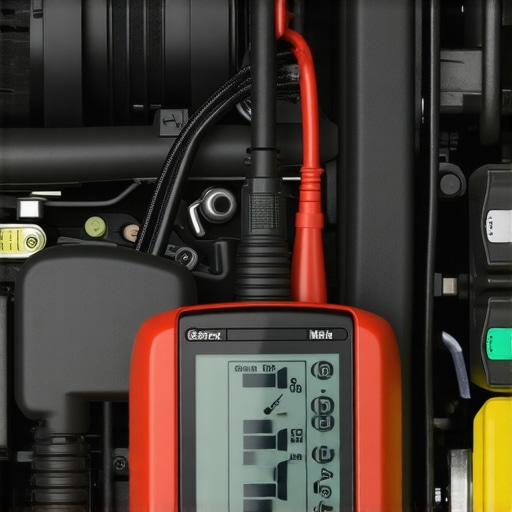
Start by locating the engine temperature sensor, usually near the thermostat housing. Disconnect the sensor’s electrical connector carefully, then use a multimeter set to resistance mode. Connect the probes to the sensor terminals and compare the reading with the vehicle’s specifications, which can be found in your repair manual. A reading outside the recommended range indicates a faulty sensor. In my experience, I once replaced a bad sensor that was giving inconsistent readings, restoring accurate temperature monitoring.
Observe the Sensor’s Response During Operation
While the engine is cold, note the sensor’s resistance; then, warm the engine gradually and watch for changes. If the resistance doesn’t change or responds erratically, it’s a sign of failure. To make this process easier, I use infrared thermometers alongside to compare actual coolant temperature with sensor readings, helping me confirm the issue.
Check the Wiring and Connectors
Inspect the wiring harness connected to the sensor for corrosion, damage, or loose connections. Use a wiring diagram to trace the wiring paths. If you find corrosion or frayed wires, clean or replace them accordingly. Remember, faulty wiring can mimic sensor failure, so thorough inspection is crucial. When I found corroded connectors in my car, cleaning and reaffixing them resolved false overheating warnings without replacing the sensor.
Perform Live Data Diagnostics
Use an OBD2 scanner to monitor real-time engine temperature data. Connect the scanner, start the engine, and observe the temperature readings displayed. If the live data differs significantly from actual coolant temperature or fluctuates wildly, your sensor may be defective. When my scanner showed inconsistent data, replacing the sensor fixed the persistent warning lights.
Replace the Faulty Sensor Properly
Once confirmed, purchase a sensor compatible with your vehicle model. Turn off the engine, disconnect the negative terminal to prevent electrical hazards, and carefully remove the faulty sensor using a socket wrench. Install the new sensor, tighten it to manufacturer specifications, reattach wiring, and start the engine to verify correct readings. Remember, applying anti-seize compound on the sensor threads can ease future replacements. I replaced mine in a quick 20-minute session, which saved me a trip to the shop.
Verify and Clear Diagnostic Trouble Codes
After replacement, use the OBD2 scanner to clear any existing trouble codes. Then, turn off the engine and restart to ensure the warning lights are gone and that the sensor functions properly. Regularly monitoring data with the scanner can help catch future issues early. I’ve learned that periodic checks prevent major repairs, especially with sensors that are prone to failure due to age or exposure to harsh conditions.
Prevent Future Sensor Failures
Maintaining a clean engine bay and ensuring proper cooling system operation extends sensor lifespan. Regularly replacing coolant and inspecting the wiring can prevent corrosion. For example, I once discovered that dirt buildup around the sensor led to false readings. Cleaning the area and replacing a compromised connector solved the problem and kept my engine running smoothly.
Many car owners and even some DIY enthusiasts believe that following standard procedures ensures flawless vehicle maintenance. However, *the real nuances often escape attention*, leading to costly mistakes or overlooked issues. For example, common myths about oil changes suggest that changing oil every 3,000 miles is always necessary—yet, modern synthetic oils and engine designs can comfortably extend that interval, provided you’ve adhered to manufacturer recommendations. Ignoring this can cause unnecessary service, or worse, engine wear due to premature oil changes.
Why do so many drivers misjudge diagnostics, and how can understanding these subtleties save them money?
One *trap I frequently see* involves the misconception that all brake pulsation is due to warped rotors. In reality, uneven pad material, caliper issues, or even brake fluid contamination could be culprits—this is why consulting expert guides, like this article on fixing brake pedal pulsation without full rotor replacements, can help you identify the actual cause and avoid unnecessary parts replacement.
Another advanced mistake relates to vehicle diagnosis using OBD2 scanners. Many think that clearing trouble codes is a fix-all solution, but these codes often represent symptoms, not root causes. For instance, frequent misfires caused by faulty ignition coils are sometimes misinterpreted as sensor failures—diverting attention from simple issues like corrosion in the coil connectors. Separating symptom from cause is critical to avoid expensive misdiagnoses. According to a study published by automotive researchers, most misdiagnoses stem from jumping to conclusions based on initial error codes, rather than comprehensive troubleshooting.
How can enthusiasts refine their diagnostic skills beyond the basics?
Refined diagnostic expertise requires noticing subtle clues. Take the high-pitched whistle during acceleration—this often indicates issues with turbochargers or boost leaks, which many overlook until performance drops significantly. Recognizing such nuances enables early intervention, preventing major engine damage. For example, in my experience, pinpointing a tiny vacuum leak prevented a costly turbo rebuild.
Being aware of the ‘Oops’ moments—like misinterpreting a failing alternator’s squeal as a minor belt noise—can be a game changer. Regularly inspecting electrical connections, and understanding the difference between alternator noise and belt squeal, can prevent roadside failures. To deepen your knowledge, tools like infrared thermometers and live data diagnostics are invaluable, ensuring you’re not just guessing but diagnosing with precision.
Next time your vehicle throws a wrench in your plans, remember that many issues are more layered than they seem. *Understanding these hidden nuances* can transform your maintenance routine from reactive to proactive, saving time and money. Have you ever fallen into this trap? Let me know in the comments!
The Tools That Make Auto Maintenance Easier
Investing in the right tools is crucial for effective vehicle upkeep. I swear by a high-quality digital multimeter; it allows me to precisely check sensor voltages and resistances, which is vital when diagnosing issues like faulty temperature sensors or failing alternators. For example, when my car’s dashboard indicated strange readings, using my multimeter helped me identify a corroded wiring connection, saving me from unnecessary repairs.
Another must-have is an OBD2 scanner with live data capabilities. I prefer models that sync with my smartphone via Bluetooth because it offers portability and ease of use. Monitoring real-time engine parameters enables me to catch problems early, such as coolant temperature discrepancies, which can prevent more severe issues down the line. Regularly checking these readings aligns with advice found in this guide on diagnosing engine vibrations.
Refining Maintenance Rituals for Longevity
Consistency is key when it comes to maintaining complex systems like brakes and oils. I set reminders to perform oil changes with quality synthetic oil, such as the latest formulations that provide better lubrication and heat resistance, especially for turbocharged engines. Following the recent 2026 oil change guidelines ensures I avoid premature engine wear caused by outdated oil specifications.
Regular brake inspections and fluid exchanges are also part of my routine. I avoid the temptation to delay these services, which can lead to warped rotors or caliper sticking, as highlighted in this article on brake pad costs. Using a dedicated brake caliper tool to stop stuck calipers without replacing parts has saved me a significant amount of money. I encourage you to try this quick procedure—it might just extend the life of your braking system.
Long-Term Strategies for Auto Reliability
Protecting your vehicle involves more than just repairs; it requires a proactive approach. Keep an eye on corrosion, especially for wiring and sensors in humid environments. Applying dielectric grease on connectors can prevent moisture buildup, which often causes false sensor errors. Regularly scanning for diagnostic trouble codes—even when the engine runs smoothly—can reveal early signs of component failure, such as subtle alternator drain issues. As detailed in this in-depth piece on alternator diagnosis, catching a dying alternator before it fails can save you from roadside frustrations.
Scaling Your Maintenance Efforts
As your vehicle ages or if you operate a fleet of cars, consider investing in automated maintenance scheduling software. These apps integrate your vehicle data and remind you of upcoming oil changes, sensor checks, and part replacements. For those who want to go a step further, pairing this with advanced diagnostic tools can help you identify issues before they escalate, ensuring optimal performance over the years.
How do I maintain my vehicle’s electrical components over time?
Maintaining electrical parts like sensors, wiring, and the alternator demands regular inspections and cleaning. Using a multimeter to periodically verify sensor signals, and applying dielectric grease to protect connectors from moisture and corrosion, can significantly extend their lifespan. Additionally, paying attention to live data from your OBD2 scanner can alert you to early signs of electrical drain or sensor fatigue. This proactive approach is especially effective if you combine it with routine visual checks of wiring harnesses and connectors, preventing unexpected failures that could leave you stranded. For a detailed troubleshooting approach, refer to this expert guide on preventing alternator issues. I recommend trying to conduct a simple resistance test on your sensors once a year to detect potential problems early.
Lessons Only the Road Taught Me
One of the toughest lessons I learned was trusting intuition over faulty signals; sometimes, a warning light isn’t a sign of disaster but a glitch. I used to rush into repairs at the first alert, only to realize that sensor failures are more common than we think—saving me hundreds. That experience taught me to double-check with diagnostics before spending. The hardest truth was understanding that outdated assumptions about car maintenance can lead to unnecessary costs—being open to learning and questioning my habits changed my approach entirely.
Tools That Transformed My Approach to Auto Care
My essential toolkit includes a quality OBD2 scanner with live data capabilities, which offers real-time insights I trust over guesswork. A digital multimeter has been a game-changer for isolating sensor issues—it’s surprisingly affordable and simple to learn. I’ve also relied on guides like this resource to interpret strange behaviors, ensuring I don’t jump to costly conclusions. These trusted tools empower me to diagnose effectively without always visiting the mechanic.
Finally, Embrace the Power of Proactive Maintenance
Maintaining a vehicle isn’t just about fixing problems—it’s about preventing them. Regularly inspecting wiring and applying dielectric grease can extend sensor life, saving you money and hassle. I schedule routine checks, taking cues from expert advice shared in articles like this post. Proactive care turns your car into a reliable partner rather than a source of surprise repairs. Remember, the more you understand how sensors work and age, the better you can keep your engine healthy, efficient, and safe.
The Hardest Lesson I Learned About vehicle diagnostics, oil change, brake service, auto repair
- Never assume a warning light is an emergency—diagnostics can reveal if it’s a false alarm, saving money and stress.
- Sensor failures often mimic other issues; testing with a multimeter and live data helps pinpoint the true cause.
- Wiring and connectors are the unseen culprits—keeping them clean and corrosion-free prevents many false signals.
- Updating your knowledge about common myths prevents unnecessary repairs—stay informed with trusted sources like this article.
- Proactive maintenance and regular inspections are your best defense against costly breakdowns—invest time now for peace of mind later.
Keep Your Engine Smarter, Not Harder
Understanding and maintaining your sensors isn’t just technical know-how; it’s empowerment. When you know how to diagnose, troubleshoot, and prevent sensor failures, you’re stepping into the driver’s seat of your vehicle’s health. Take charge, stay curious, and don’t let unreliable sensors keep you guessing—your wallet and your peace of mind will thank you. Have you ever suspected a sensor problem before it turned into a costly repair? Share your story below—I’d love to hear how you handled it!