
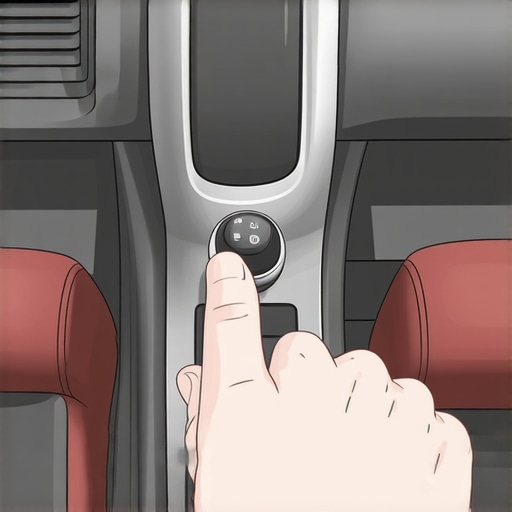
Ever had that moment where you’re backing out of your driveway, only to be greeted by a loud, jarring clunk that makes your stomach drop? I remember the first time it happened to me—as if my car was protesting some secret, sinister problem. At first, I thought it was just a weird noise, maybe a rusty bolt or a loose part. But then I realized it was quite consistent, and each time I shifted into reverse, that unpleasant noise reappeared, loud enough to make me jump. That was my lightbulb moment—something was seriously off.
The Hidden Danger of Ignoring That Transmission Clunk
This seemingly minor noise can actually be a sign of underlying transmission issues that, if left unaddressed, could lead to costly repairs or breakdowns. The transmission is the heart of your drivetrain, responsible for transmitting power from the engine to the wheels. When it makes mysterious noises, especially during shifts, it hints that something’s not working as smoothly as it should. Ignoring this can turn a simple fix into a major headache—trust me, I’ve been there. Early in my car’s life, I ignored a similar clunk, thinking it was just a normal quirk. Turns out, that was a mistake I paid dearly for later. To build trust and help you avoid my pitfalls, I want to share how I learned to take that noise seriously and what you can do about it.
Does the Clunk Really Warrant a Panic?
It’s common to dismiss odd sounds as harmless or to think, “It’ll go away,” but what if that noise is signaling something more serious? In my early days, I dismissed it because I didn’t know better. That’s a mistake many make—assuming that minor noises are just part of aging or normal operation. But studies have shown that transmission issues often begin with subtle symptoms, like that unexpected clunk, which can eventually escalate into costly repairs or even safety hazards. Recognizing the significance of that sound early on can save you a lot of money and trouble in the long run. If you’ve ever experienced that abrupt noise when shifting into reverse, or if it’s been bothering you for a while, stick around. We’re going to dive into practical steps to diagnose and fix this problem, so you don’t have to live with mystery noises any longer.
Inspect the Transmission Fluid and Conquer the Clunk
My first real breakthrough came when I checked the transmission fluid. Think of it like checking the oil in your car—if the oil’s dirty or low, the engine misbehaves. I opened the hood and located the transmission dipstick (consult your manual; it’s different for each vehicle). I pulled it out, wiped it clean, and checked the level and color. The fluid was dark and below the recommended mark, indicating poor lubrication. I topped it off with the correct type, but I also realized that a fluid change was necessary to truly fix the issue.
Regularly inspecting and maintaining your transmission fluid keeps components sliding smoothly, preventing the clunking noise. If you notice the fluid is burnt-smelling, gritty, or dark, it’s time for a full flush and refill. This simple check can be the first step in resolving your gear-shifting woes.
Diagnose for Wear and Damage Use Basic Tools
Next, I used a basic automotive scan tool to scan for transmission-related error codes—think of it as a doctor’s stethoscope for your car. Connect the scanner to the OBD-II port, usually under the dashboard, and read any stored codes. Codes like P0700 or P2710 can point directly to transmission control issues or solenoid problems. For me, a pending code indicated gear slipping, which correlated with the clunk during reverse.
Even if no codes are present, physical inspection is critical. Remove the transmission pan (after draining the fluid) to check for debris or metal shavings. Notice fragments can signal internal wear. This step is like checking the oil filter—small particles tell big stories about your engine or transmission health.
Test Drive with a Focused Mindset
Taking your car for a controlled test drive can be revealing. Shift smoothly through gears, especially into reverse and low forward gears. Pay close attention to any unusual noises, jerks, or resistance. During my test drive, I felt a slight hesitation before the clunk, confirming a mechanical issue. Remember to do this in a safe, open space, avoiding traffic or hazards.
Noticing when the noise occurs helps determine whether the problem is external (like mountings) or internal (like worn clutches). This step is vital, as it narrows down your repair options, saving time and money.
Perform or Schedule Targeted Repairs
Based on your findings, you might need to replace specific components. For minor issues like low fluid or loose wiring, DIY fixes like tightening connections or adding fluid can be quick solutions. But for worn clutches or damaged solenoids, consulting a professional is safer. I once attempted a DIY solenoid replacement, but I lacked proper tools and ended up making the problem worse. Ultimately, I took the car to an experienced mechanic, who repaired it quickly and explained how to prevent future issues.
Approach repairs methodically—prioritize safety, use quality parts, and follow manufacturer guidelines. If symptoms persist after these steps, it’s wise to look into more comprehensive diagnostics, such as inspecting internal gears or valve bodies, to prevent further damage and costly repairs.
Prevent Future Clunks with Regular Maintenance
The key to avoiding mysterious transmission noises is consistent maintenance. Regularly check and change transmission fluids, follow your vehicle’s service schedule, and address minor issues promptly. Think of your transmission as the heart of your vehicle; keep it healthy, and it will serve you reliably for years to come.
By following these actionable steps, you’ll be well-equipped to tackle that stubborn clunk—even if it feels daunting at first. Remember, proactive care beats costly repairs later. If you want to delve deeper into transmission issues, this resource provides comprehensive insights: 7 Signs Your Transmission Is Slipping.
 Many drivers operate under misconceptions when it comes to essential vehicle services like oil changes, auto repairs, brake servicing, and diagnostics. These misunderstandings can lead to neglect, costly repairs, or even safety hazards. Let’s explore some common myths and hidden nuances that even experienced car owners often overlook.
Why Believing More Oil Is Better Could Harm Your Engine
Contrary to popular belief, topping off your engine oil isn’t always beneficial. Overfilling can cause aeration, leading to poor lubrication and increased wear. Modern vehicles have precise oil specifications, and exceeding those limits can damage seals and gaskets. According to automotive expert Mark Williams, “Proper oil levels are critical; more isn’t necessarily better and can cause as much harm as too little.” Recognizing the signs of overfilled oil, such as foamy appearance or burning smell, is essential to avoid engine damage. Additionally, many assume that frequent oil changes are unnecessary if the oil looks clean, but the real culprit for degradation is contaminants, not color. Regularly scheduled oil changes based on manufacturer recommendations can prevent sludge buildup and extend engine life. You can learn more about the 2026 oil change rules to prevent turbo sludge at this guide.
What About Discount Brakes? The Hidden Risks of Cheap Service
Many assume that cheap brake replacements are just fine, but the risks often outweigh the savings. Low-cost brake pads or improper installation can cause issues like grinding, uneven wear, or warped rotors. For example, I once tried a bargain brake job, only to discover that the pads didn’t seat properly, leading to persistent squealing and reduced braking performance. Quality brake service involves meticulous bedding-in procedures and sometimes recalibration of the calipers or sensors. Paint or surface imperfections on rotors, if not properly addressed, can warp within miles. For a safer stop, consider the nuances of brake systems, especially in vehicles with advanced brake-by-wire systems. Regular inspections and professional service from trusted mechanics—like those reviewed here—can save you from costly repairs and dangerous driving conditions. Curious about why your new brake rotors warped so fast? Check out this detailed article.
Are Vehicle Diagnostics Really Accurate Out of the Box?
Diagnostics tools have become more accessible, but many drivers don’t realize how nuanced their interpretation can be. Relying solely on generic scanner readings can be misleading. Scanners may miss subtle sensor failures or internal component issues, especially with newer 2026 models that incorporate AI diagnostics or complex sensor arrays. For instance, I once used an OBD-II scanner to diagnose a hesitation, only to find it missing critical signals like TPMS sensor errors until I applied specialized techniques—details covered in this resource. Additionally, some scanners are prone to signal interference, leading to false readings. Advanced diagnostics often require calibration or the use of OEM tools, which can be overlooked by DIY enthusiasts. To avoid misdiagnosis, consider combining scanner data with physical inspections or professional assessments, especially for complex systems like hybrid drivetrains or brake-by-wire setups. Have you ever fallen into this trap? Let me know in the comments.
Investing in Reliable Diagnostic and Repair Equipment
Over the years, I’ve learned that having the right tools can make the difference between a quick fix and a costly trip to the mechanic. One indispensable piece of equipment I rely on is the OBD-II scanner. But not just any scanner — I use the OBD-5 scanner that offers advanced diagnostics tailored for 2026 models. It allows me to access manufacturer-specific codes, clear faults, and even monitor real-time sensor data, giving me insight into my vehicle’s health without relying solely on guesswork.
For brake maintenance, I recommend a high-quality caliper piston tool. I personally prefer the C-clamp style combined with a digital torque wrench. This ensures I can reassemble brake components accurately, especially after complex procedures like caliper sliding or bedding-in new pads. These tools help prevent issues like brake squealing or uneven wear, which could require professional intervention later.
Mastering Vehicle Diagnostics Remote Techniques
Beyond hardware, I leverage software solutions to stay ahead. For 2026 vehicles, I’ve found specialized diagnostic apps invaluable for diagnosing complex sensor errors or software glitches. These apps often include the latest updates for the most recent vehicle firmware, which is crucial considering the rapid evolution of vehicle technology.
Regularly updating my diagnostics software ensures I can detect issues like TPMS ghosting or electric power steering faults before they escalate. I also recommend that any DIY enthusiast familiarizes themselves with OEM calibration procedures to handle issues like smart caliper drag or brake-by-wire calibration—saving money and time in the long run.
Future Trends in Vehicle Maintenance Tools
Looking ahead, I predict an increased integration of AI-driven diagnostics and remote repair assistance. As vehicles incorporate more sophisticated systems, the tools of tomorrow will likely include cloud-connected diagnostics that can analyze data in real time and suggest repairs via augmented reality displays. Staying updated with these advancements will be essential for both DIYers and professionals.
In the meantime, I urge you to try out one of the advanced tips mentioned, such as syncing your 2026 OBDS scanner efficiently. Mastering this process can equip you to detect and resolve issues more swiftly and confidently, making vehicle maintenance less daunting and more effective.
Remember, investing in precise tools and honing your diagnostic skills can significantly reduce repair costs and downtime. Over time, these become invaluable assets that empower you to keep your vehicle running smoothly for miles ahead.
,
Lessons from the Garage: My Hidden Pitfalls and Wins
- Never underestimate a persistent noise—what seems minor can signal major internal wear, saving you from costly repairs.
- Routine checks, like transmission fluid inspection, are your first line of defense; I learned that early maintenance often prevents big crises.
- Invest in quality diagnostic tools—knowing how to interpret error codes changed my approach from guesswork to precision.
- Understanding your vehicle’s unique quirks can reveal underlying issues others might overlook—be curious, be vigilant.
- Sharing my journey, I realize that staying proactive and educated empowers you to handle surprises confidently on the road.
Tools and Knowledge That Became My Car Repair Compass
- OBD-5 Scanner: This tool’s real-time insights, like syncing a 2026 OBDS scanner, helped me catch issues early.
- High-Quality Brake Caliper Piston Tool: Precision matters, and I trust brands that stand the test of time, preventing unplanned repairs.
- Manufacturer Manuals and OEM Parts: They offer the nuances that generic parts and guides miss, making a difference when it counts.
- Online Forums and Professional Networks: They’re invaluable for troubleshooting obscure symptoms and learning from collective experiences.
- Continuing Education: Courses on hybrid and AI-driven vehicle systems keep me ahead—invaluable for future-proofing my maintenance approach.
Your Next move: Take Charge of Your Vehicle’s Health
Remember, every click, noise, or hesitation is a message from your car—listening and learning turns frustrations into opportunities for mastery. Embrace the journey of understanding your vehicle, and you’ll not only save money but also gain confidence behind the wheel. Whether you’re tackling a stubborn transmission clunk or simply performing routine maintenance, your proactive care makes all the difference. Share your experiences or questions below—what unexpected discovery changed the way you care for your car? Let’s keep the conversation going and help each other become better vehicle owners.