
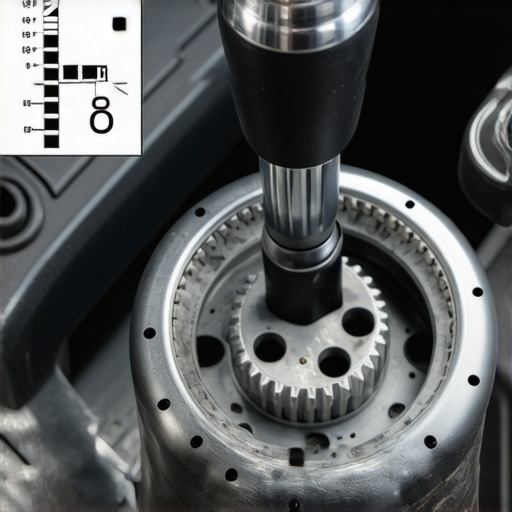
Ever been behind the wheel, ready to zip off, only to feel that frustrating delay when your car’s transmission takes its sweet time to find the right gear? I remember the first time it happened to me—sitting at a red light, pressing the accelerator, and then… nothing. That awkward pause that feels like your car is debating whether to move at all. At first, I thought it was just a quirky quirk, but it turned into a regular annoyance that left me scratching my head.
The Real Reason Your Transmission Hesitates
That three-second delay might seem like a minor hiccup, but it’s often a sign of underlying issues that could lead to bigger problems down the road. The most common culprit is worn or low transmission fluid, but there are other factors at play as well. In my experience, neglecting these signs can quickly turn into costly repairs or complete transmission failure. The good news? With just a bit of knowledge, you can troubleshoot and often resolve the issue yourself.
Have you noticed this slow gear engagement? You’re not alone—and understanding the root cause can save you a lot of time and money. Today, I’m going to walk you through what’s really happening beneath your hood and how to address it effectively.
Is Your Transmission Issue Really Worth Worrying About?
Early on, I made the mistake of dismissing that sluggish shift as a simple glitch. Turns out, ignoring such signs can escalate into serious damage, especially if ignored for too long. Learn from my slip-up: understanding these symptoms now can prevent a complete transmission rebuild later. For a deeper dive into related issues, you might find this article on 7 signs your transmission is slipping helpful.
Stay tuned as we peel back the layers of this common problem and discover practical solutions you can try today. Whether it’s a simple fluid check or a more involved repair, knowing the truth about your transmission’s behavior is the first step toward keeping your car running smoothly.
Check and Replace Transmission Fluid
Start by ensuring your transmission fluid is at the correct level and condition. Park your vehicle on a level surface, engage the parking brake, and locate the transmission dipstick, usually marked with “Trans” or “Transmission.” Carefully pull it out, wipe it clean, reinsert, and then remove it again to check the fluid level and color. If the fluid is low, topping it off might resolve hesitation issues. If it’s dark, gritty, or smells burnt, a full fluid change is necessary. Remember, using the correct type of transmission fluid is crucial; consult your vehicle’s manual. For detailed guidance, consider this article on transmission fluid maintenance. Proceed with caution—overfilling can cause problems. For a quick fix, some owners have found that a simple fluid top-up reduces hesitation and improves shifting smoothness.
Inspect for Transmission Fluid Leaks
Leaking fluid can cause low levels, leading to delayed or jerky shifts. Look under your car for puddles or wet spots around the transmission area, especially near the pan or seal areas. Use a flashlight to check visible hoses and seals for cracks or leaks. If you spot any leak, repairing or replacing the faulty seal or hose is critical. Leaks often stem from worn-out gaskets or clips; replacing these parts can prevent fluid loss. To avoid the hassle of diagnosing leaks yourself, consider a professional inspection. For quick troubleshooting, check out this guide on fixing common oil pan bolt issues—many tips are similar for transmission pans.
Test the Transmission Controller and Sensors
Modern transmissions rely on sensors and computer control modules to shift gears properly. A faulty sensor, like the throttle position sensor or speed sensor, can cause hesitation. Connect a diagnostic scanner compatible with your vehicle’s system—some basic OBD-II scanners are inexpensive—and check for error codes related to the transmission. Codes like P0700 or P0715 hint at sensor or control module issues. Clearing these codes after repairs can help determine if the problem persists. If you’re comfortable, use a multimeter to test sensor voltages or replace suspect sensors. A quick test can sometimes be as simple as observing if the car hesitates more when turning sharply or accelerating hard. For thorough diagnostic techniques, check out this overview of transmission slipping signs.
Perform a Road Test with Observation
After checking fluid levels, fixing leaks, and testing sensors, take your car for a controlled drive. Shift through all gears smoothly, accelerate to higher speeds, and note any hesitation or jerking. Pay attention to how the transmission behaves when cold versus warm; some issues worsen as the vehicle heats up. Use a scanner to watch live data—such as transmission temperature and gear signals—if available. Document any irregularities like delayed shifts or RPM surges. This practical step can uncover issues not evident during static inspection. Remember, sometimes a simple pedal-to-the-metal test reveals if throttle and shift controls are synced properly. This >method helps identify related drivetrain problems. Keep detailed notes to assist any professional diagnostics later.
Seek Professional Help When Needed
Some issues, especially internal transmission problems or complex electronic failures, require specialized tools and expertise. If after performing these steps hesitation persists, consult a qualified transmission technician. They can perform advanced diagnostics like hydraulic pressure tests or tear down the unit for internal inspection. Maintaining open communication about what you’ve already checked helps streamline the repair process. Regular maintenance, like scheduled fluid changes and sensor checks, can prevent hesitation issues. Learn more about why neglecting proper maintenance accelerates transmission failure from this insightful article. Precaution and proactive service save money and extend your vehicle’s lifespan.Many car owners operate under misconceptions when it comes to essential vehicle maintenance, often believing that simple routines like oil changes and diagnostics are straightforward. However, there’s a nuanced landscape many overlook, which can lead to costly repairs. For instance, the myth that changing oil every 3,000 miles applies universally has been debunked by modern turbo engine designs, where longer intervals are safe if the correct synthetic oil is used, as explained in this detailed article. Neglecting this nuance can cause unnecessary oil changes, wasting money and resources. Another common mistake involves vehicle diagnostics; many rely solely on basic code scans without understanding that sensors like oxygen sensors or MAF sensors often fail gradually, giving false negatives during quick tests. This oversight might lead mechanics or DIY enthusiasts to overlook deeper issues, emphasizing the importance of specialized testing to pinpoint subtle faults.
An advanced mistake involves underestimating the significance of routine brake servicing. Some drivers delay brake pad replacements or ignore uneven wear signs, risking damage to rotors or calipers. Notably, cheap brake pads might seem like a savings upfront but can cause more extensive—and expensive—rotor replacement, as shown in expert reviews. Moreover, many fail to realize that brake calipers can seize due to dirt or corrosion, especially when preventive maintenance is skipped. Regularly checking for sticking calipers can prevent a sudden brake failure, a trap many inadvertently walk into.
For those pushing their vehicles to the limit—like off-road drivers or heavy-haulers—the importance of advanced diagnostics becomes even more critical. Internal transmission issues or subtle fluid degradation are easy to miss during quick inspections, but persistent hesitation or shuddering signals deeper problems. Relying solely on visual checks isn’t enough; a skilled technician employs hydraulic pressure tests and sensor calibrations to uncover hidden faults. As highlighted in this comprehensive guide, understanding these layered nuances saves money and prevents breakdowns.
**Why You Should Love Deep Diagnostics**
Deep diagnostics aren’t just for fixing emergencies—they’re the cornerstone of proactive vehicle health. Modern cars are equipped with complex electronic systems, where even a tiny sensor fault can cascade into major malfunctions. For example, a faulty oxygen sensor might not trigger a check engine light immediately but can cause fuel economy decline and increased emissions. This is why advanced testing and interpreting sensor data correctly is crucial, as detailed in technical studies. Skipping these steps often leads to replacing parts unnecessarily or ignoring underlying issues that silently damage other components.
Overcoming these misconceptions may seem daunting, but understanding the layered nuances can empower you as a vehicle owner. Regularly educating yourself, utilizing specific diagnostic tools, and consulting expert resources ensures you’re not just reacting to problems but preventing them before they escalate. Remember, knowledge is your best defense against costly auto repairs.
Have you ever fallen into this trap? Let me know in the comments, and share your experiences or questions about vehicle maintenance nuances.
Investing in Quality Diagnostic Equipment
One of the most effective ways to ensure your vehicle remains reliable is by using a dedicated OBD-II scanner that offers live data streaming and diagnostic code reading. Personally, I rely on the BlueDriver Bluetooth Scanner. Its ability to quickly pinpoint subtle transmission control issues allows me to catch problems before they escalate, saving time and money. When choosing a scanner, prioritize models that support advanced sensors and provide detailed data logs, which are invaluable during long-term maintenance planning.
Maintaining Fluids with Precision and Care
Regularly checking and replacing vital fluids forms the backbone of vehicle health. I avoid generic approaches, opting instead for specific tools like a quality fluid pump and a clean funnel with a narrow spout. This setup ensures I can top off or replace oil and transmission fluid without spills or contamination. Since synthetic oils are now standard for turbocharged engines, using the correct type—as discussed in this article—not only prolongs engine life but also optimizes performance. Over time, consistent fluid maintenance prevents hesitations, overheating, and gear slipping, keeping the vehicle running smoothly mile after mile.
Applying Precise Brake Service Techniques
Brake maintenance demands meticulous care. I recommend a power bleeder kit for efficient brake fluid flushes, ensuring the system is entirely free of moisture and debris. When dealing with calipers, I use a simple trick for freeing sticky calipers, which can save you the expense of replacement. As brake pads wear unevenly, I always inspect the rotors for warping or grooving—using a dial indicator or borrowing a friend’s straight edge. Replacing worn pads with reputable brands and avoiding cheap, low-quality pads not only boosts safety but also extends rotor lifespan, which aligns with insights from this detailed guide.
Long-Term Results Through Scheduled Checks
Creating a maintenance schedule tailored to your vehicle’s mileage and usage ensures issues are caught early. I highly recommend setting calendar alerts or using vehicle maintenance apps that log diagnostic trouble codes and service history. For instance, tracking oil degradation patterns through test strips or oil analysis can predict impending failures, preventing costly repairs. Additionally, regular visual inspections, such as checking for leaks or corrosion, help maintain safety and reliability over several years. The key is consistency—addressing small problems today prevents major breakdowns tomorrow.
How do I maintain my vehicle’s health over time?
Staying proactive is critical. Use quality diagnostic tools like the BlueDriver scanner, adhere to manufacturer-recommended fluid change intervals, and perform routine brake inspections. Embrace technology and precise methods—investing in the right tools and knowledge today will pay dividends in vehicle longevity. For example, regularly testing and confirming transmission fluid conditions, as discussed in this article, can uncover issues before they become costly repairs.
To get started, try checking your transmission fluid with a reliable dipstick method and top it off if necessary. Small steps like this support long-term vehicle health and ensure you stay safely on the road.
Unearthing Hidden Truths from My Auto Journey
- One of the toughest lessons I learned was the importance of consistent fluid checks; neglecting this small task often masked bigger transmission issues.
- I realized that advanced diagnostics are invaluable—relying solely on visual inspections or basic codes can lead to missed opportunities for early intervention.
- Understanding that not all transmission hesitation signs point to the same cause was eye-opening; sometimes, a simple fluid top-up masks deeper electronic problems.
- Patience and methodical troubleshooting saved me thousands; dismissing symptoms or rushing repairs only prolonged the problem and increased costs.
- Investing in quality tools and resources transformed my approach, making me more confident when facing complex vehicle diagnostics.
Tools and Reads That Reshaped My Repair Approach
- My go-to is the BlueDriver Bluetooth Scanner; it provides detailed live data and helps catch subtle sensor failures early.
- The guide on fixing stripped oil pan bolts reminded me how delicate transmission components can be and the importance of proper torque during maintenance.
- Cleaning and inspecting brake components regularly helped prevent additional complications that could mimic transmission hesitation.
- Detailed manuals and tutorials, like those on vehicle vibration issues, expanded my diagnostic toolbox beyond the basics.
Let Your Inner Gearhead Shine
Taking control of your vehicle’s health can be a rewarding journey—each repaired symptom is a badge of confidence. Remember, understanding your car’s signals isn’t just about fixing issues; it’s about building trust in your mechanical intuition. I encourage you to embrace every diagnostic opportunity, learn from every hiccup, and invest in the right tools—your vehicle will thank you. Have you ever struggled with interpreting transmission codes or performing fluid checks? Share your experiences or questions below, and let’s keep the conversation rolling.