
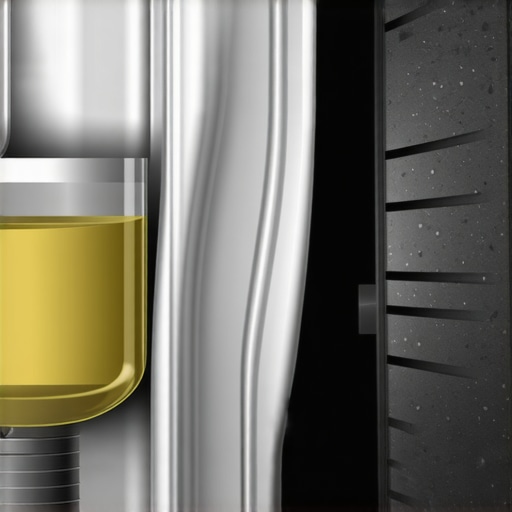
I was staring at the reservoir on my old sedan a few years back, scratching my head in total disbelief. The brake light had flickered on during my morning commute, and sure enough, the level was sitting right at the minimum line. I grabbed a flashlight and crawled under the chassis, fully expecting to see a dripping mess. Nothing. Not a drop on the driveway, no wet spots on the wheels, and the lines looked bone dry. It is a maddening feeling, isn’t it? You know the fluid didn’t just evaporate into thin air, yet your car is playing a high-stakes game of hide-and-seek with your safety. Today, I am going to help you find where that fluid is hiding before it turns into a real emergency.
The Mystery of the Vanishing Brake Fluid
Most of us are taught that if a fluid is low, there has to be a puddle. But brakes are a closed system, and they are a bit more sophisticated than a leaky radiator. If you have noticed that your brake pedal feels different after a long drive, you are already dealing with the consequences of this disappearing act. I made a huge mistake early on by just topping off the reservoir every two weeks. I figured as long as it was full, I was fine. I ignored the fact that the ultimate guide to brake service explicitly warns against this kind of complacency. Eventually, I found out the hard way when my brake pedal sinks to the floor at red lights. The fluid was actually leaking internally into the brake booster, a hidden cavity where you will never see a leak until the master cylinder completely fails.
Is your car actually eating its own brake fluid?
It sounds like a bad joke, but it is a reality for many drivers. We are going to solve this mystery by looking at how brake pads actually consume fluid space as they wear down and why internal seals fail without leaving a trace. According to the National Highway Traffic Safety Administration (NHTSA), brake-related issues are a leading cause of mechanical-failure-related crashes, often starting with these tiny, unseen drops in fluid levels. Have you ever opened your hood only to find an empty reservoir and a perfectly dry driveway? It is enough to make you want to pull your hair out. If you are tired of guessing, we need to look at brake service myths busted to see what is really happening behind your wheels. Let’s get into the nitty-gritty of where that liquid gold is going.
Why Your Brake Pads Steal Your Fluid Level
Think of your brake system like a water balloon attached to a straw. As your brake pads wear down, the calipers have to push further out to make contact with the rotors. This means more fluid stays down in the lines and calipers, leaving less in the reservoir. This is actually a normal part of the process and a key element when decoding vehicle diagnostics what your car is trying to tell you. If you see the level drop gradually over six months, you probably just need new pads. But if it drops overnight, we have a bigger problem.
Hunt for the Hidden Pool Inside the Booster
This is the ‘aha’ moment for most DIYers. The master cylinder is bolted to a big, round, black drum called the brake booster. There is a seal at the back of the master cylinder that is supposed to keep the fluid inside the hydraulic circuit. When that seal fails, the fluid is sucked into the vacuum booster by the engine’s vacuum. I remember working on a neighbor’s old truck where he swore the fluid was vanishing into another dimension. I unbolted the two nuts holding the master cylinder and pulled it forward just an inch. About half a cup of dark, oily fluid spilled right onto my work boots. The booster was literally acting as a storage tank for his leak. This is why top auto repair tips to extend your vehicles lifespan always suggest checking the back of the master cylinder if the reservoir is low but the driveway is dry. 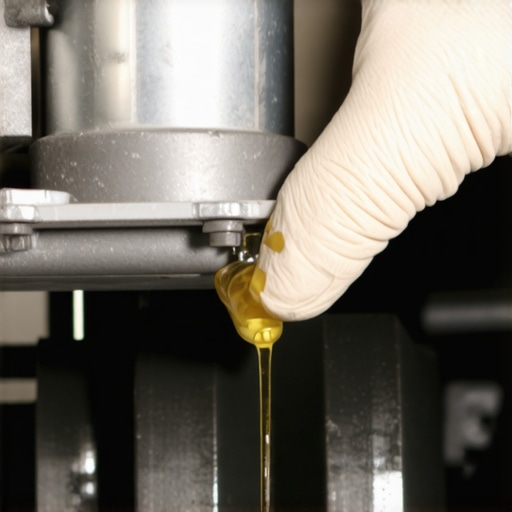
The Cardboard Trick for Ghost Leaks
Sometimes a leak is so small it only happens under high pressure—like when you are slamming on the brakes in traffic. To catch these, park your car over a clean piece of corrugated cardboard. Pump the brake pedal ten to fifteen times as hard as you can with the engine running. This simulates the pressure of an emergency stop. If a tiny hairline crack exists in a rubber hose or a fitting is slightly loose, that extra pressure will force a drop out. It is a simple way to find issues before you need the ultimate guide to brake service for safety and performance. You are looking for ‘sweating’ lines—places where the hose looks damp and attracts road dust, even if it isn’t dripping. That dampness is a neon sign for a future failure.Now that you have checked the booster and used the cardboard trick, we need to address the ‘Full Reservoir Fallacy.’ Most drivers assume that if the fluid level is between the lines, they are safe. In my professional opinion, this is the most dangerous myth in auto repair. Brake fluid is hygroscopic, meaning it acts like a sponge for moisture. Even if your level is perfect, that old fluid might be failing you from the inside out. According to the Car Care Council, moisture levels as low as 3 percent can reduce the boiling point of your fluid by over 100 degrees Fahrenheit, causing the liquid to turn into gas under heavy braking. This is why brake service myths busted highlights fluid quality over just quantity. If your fluid looks like dark coffee instead of light honey, it is already compromised.
Can a Failing ABS Pump Swallow Your Fluid Without a Trace?
It absolutely can, and this is a nightmare for standard troubleshooting. In modern vehicles, an internal seal failure inside the ABS hydraulic control unit can allow fluid to migrate into the internal accumulator chambers. This is a ghost leak because it leaves no external sign on the driveway. If you have ruled out the master cylinder booster and the wheel cylinders, you need how advanced vehicle diagnostics prevent costly breakdowns to pinpoint whether the ABS valves are sticking. I once spent three days chasing a disappearing fluid issue on a luxury SUV only to find nearly a pint of fluid trapped inside the ABS block. 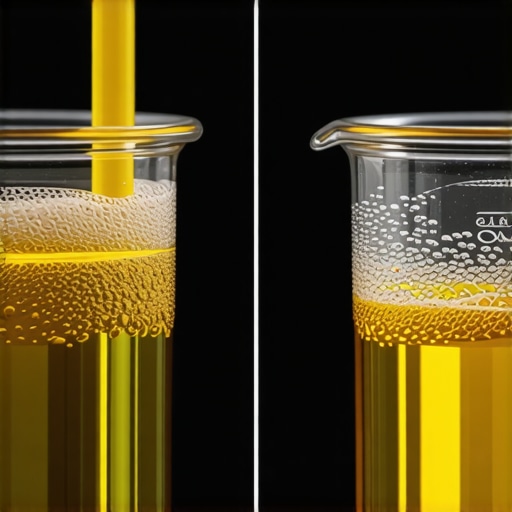
Stop Topping Off and Start Investigating
The biggest mistake I see is treating ‘topping off’ as a permanent solution. Everyone thinks it is harmless, but it actually masks your car’s natural warning system. When your pads get thin, the fluid level drops to fill the gap in the calipers. If you top it off, you lose that visual gauge of pad wear. Plus, when you finally get a professional the ultimate guide to brake service for safety and performance, the technician will compress the brake pistons, and that extra fluid will overflow the reservoir, potentially eating the paint in your engine bay. Much like oil change innovations have changed how we monitor engine health, we must view brake fluid as a diagnostic tool rather than just a consumable liquid. If you are struggling with why your brakes squeal even after you replaced the pads, it often comes back to these hydraulic nuances or failing to clean the hardware properly. Have you ever fallen into the trap of just topping off the fluid instead of finding the root cause? Let me know in the comments.If you want to stop guessing and start fixing, you need to upgrade your diagnostic arsenal. For years, I relied on the ‘two-person’ pump-and-hold method to bleed brakes, but that can actually ruin an older master cylinder by forcing the piston into areas of the bore where debris has collected. Now, I exclusively use a Motive Products Power Bleeder. It uses a pressurized tank to push fresh fluid through the lines without ever touching the pedal. This is the trick for a perfect brake bleed every single time because it ensures zero air enters the system. Using professional-grade equipment like this transforms a messy chore into a precise science, much like how oil change innovations have streamlined engine care.
How do I keep my brake system healthy for years?
The secret is proactive chemistry, not just mechanical checks. I highly recommend using Phoenix Systems copper testing strips rather than those cheap electronic moisture pens. Moisture pens only measure conductivity, but copper strips measure the actual degradation of the anti-corrosive inhibitors in your fluid. According to technical documentation from Bendix, once the copper content in your brake fluid exceeds 200 parts per million, the fluid becomes ‘chemically aggressive’ and begins eating away at your internal seals and iron components. By catching this early, you follow the essential auto repair strategies for frequent drivers that prevent a $2,000 ABS module failure. 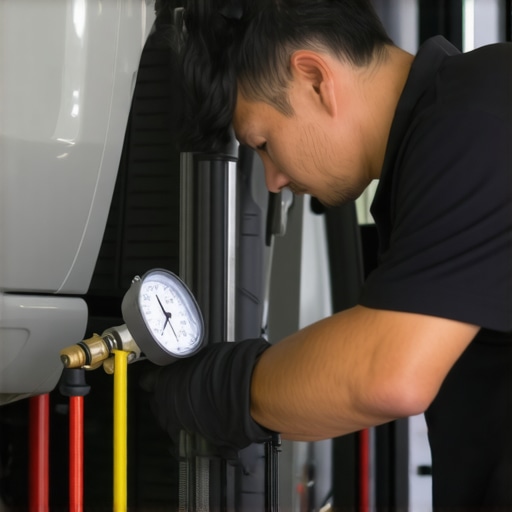 Looking ahead, we are seeing a massive shift toward ‘brake-by-wire’ systems in electric and hybrid vehicles. In these cars, the physical connection between your foot and the calipers is being replaced by sensors and actuators. This means that how advanced vehicle diagnostics prevent costly breakdowns will soon focus more on software calibration than bleeding air. Even so, the basic physical maintenance of your calipers and rotors remains one of the top auto repair tips to extend your vehicles lifespan. If you are tired of the ‘synthetic oil myth that costs you fifty dollars every visit’ or other upsells, focus on these data-driven tests instead. Stop wondering if your fluid is good and go grab a pack of copper test strips from the auto parts store today; it is the most honest five-minute test you can perform on your car.
Why I Stopped Trusting the Max Line
The most expensive lesson I ever learned was that a full reservoir doesn’t mean a healthy system. I used to think as long as the fluid was there, the car would stop. The reality is that brake fluid is like the ‘blood’ of your vehicle, and just like a doctor checks for more than just volume, you have to look at the chemistry. Another ‘lightbulb moment’ was realizing that auto repair hacks save money without sacrificing quality, but skipping a flush isn’t one of them. If your fluid is black, it’s not just dirty; it’s actively destroying your internal seals. I also learned that the master cylinder can fail in two ways: it can leak externally where you see it, or internally where you don’t. That second one is what catches most people off guard. Always remember that your car is a complex machine that uses fluid levels to communicate mechanical wear. Don’t silence that communication by just adding more liquid.
Upgrade Your Garage with These Three Essentials
To really get a handle on your car’s health, you need to move beyond the basic screwdriver set. Here is what I keep in my own kit to ensure my brakes never fail me: First, the Motive Products Power Bleeder is the only way I will touch a hydraulic system now. It prevents the seal-tearing damage that manual pumping can cause on older cars and ensures you get the trick for a perfect brake bleed every single time. Second, I cannot recommend Phoenix Systems copper test strips enough. They are the gold standard for knowing exactly when your fluid has turned ‘toxic’ and is ready to eat your ABS valves. Finally, keep a stack of clean white cardboard in the garage. It is the most low-tech but effective diagnostic tool you will ever own for catching those ghost leaks before they leave you stranded on the side of the road. #IMAGE_PLACE_FINAL#
Drive with Confidence Again
You do not need to be a master technician to keep your car safe. By simply paying attention to the fluid’s color and using the cardboard trick, you are already ahead of 90% of drivers on the road. We have covered a lot, from the ‘vanishing’ act in the brake booster to why brake service myths busted can save your life. Taking these small steps today prevents the terrifying moment of a sinking pedal tomorrow. Go check your reservoir right now—is it honey-colored or coffee-colored? Have you ever found a leak in a place you totally didn’t expect? Let me know your story in the comments below.