
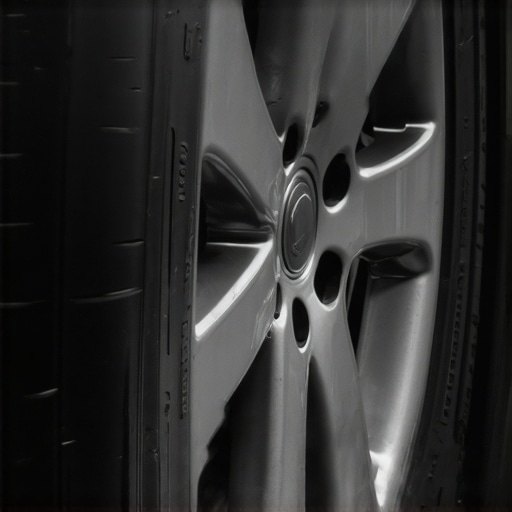
Ever been cruising down the highway when suddenly, you start feeling a weird, persistent vibration that seems to come from nowhere? At first, I thought it was just a bad tire or maybe uneven road conditions. But then I realized something more insidious was at play—it was a silent killer lurking in my wheel bearings. That moment hit me hard: my vehicle was warning me in whispers, and I almost ignored it.
In this post, I’ll share how I identified a sneaky wheel bearing failure that mimicked a worn-out tire and what signs you should look for before it leads to a costly repair. Recognizing these early indicators can save you money and keep you safe on the road.
Why Silent Wheel Bearing Failures Merely Feel Like a Bad Tire
Many drivers dismiss unusual vibrations or noises as normal wear and tear or simple tire issues—after all, isn’t that what tires are for? But in my case, it was the beginning of a slow, destructive process. Wheel bearings are vital components that allow your wheels to spin smoothly. When they start to fail silently, they can cause vibrations, noise, or even dangerous steering inconsistencies—all without obvious warning signs until it’s too late.
What makes this worse is that a failing wheel bearing doesn’t always produce loud grinding or squealing right away. Instead, it whispers through subtle vibrations and slight steering feels, which can easily be mistaken for other issues. Early on, I made the mistake of ignoring these signals, thinking a quick tire rotation would fix them. That was a costly lesson, and frankly, I wish someone had told me sooner that these signs shouldn’t be overlooked.
Did you know that according to the National Highway Traffic Safety Administration, improperly maintained wheel bearings can lead to wheel separation or brake failure? That’s a risk you definitely don’t want to take. So, today I’ll walk you through my personal experience, the red flags I missed at first, and how you can prevent your own story from turning into a repair nightmare.
Now, if you’ve ever wondered whether that subtle steering pull or faint vibration is just a normal quirk or something serious, you’re not alone. Let’s dive into the telltale signs that signal your wheel bearings are on their last legs—and how to catch them early before they leave you stranded.
Start With a Test Drive to Feel for Signs
During your test drive, pay close attention to vibrations, especially when turning or accelerating. I remember the first time I noticed a slight wobble on a gentle turn—initially dismissing it as road imperfections. But after a few drives, the vibration persisted and intensified. To replicate this, drive at different speeds, steering smoothly left and right, and notice any abnormal sensations or noises. Think of it as a dance: your car’s responses mirror its health. If you feel any unevenness, it’s time to go deeper.
Conduct a Visual Inspection of the Wheels and Bearings
Safely lift your vehicle using a jack and secure it with jack stands. Remove the wheels to expose the wheel bearings. Look for signs of damage such as rust, discoloration, or a greasy, dirty buildup around the hub. My experience taught me that a bearing showing excessive play—wobbling side to side—is a clear warning. To check, grasp the tire at 12 and 6 o’clock positions and try to wobble it; forcefully, but carefully, move it back and forth. Excessive movement indicates worn bearings. Remember, loose bearings are like a loose screw in a machine—eventually, something breaks.
Spin the Wheel to Feel for Roughness or Play
After removing the wheel, spin the hub or axle by hand. It should turn smoothly and quietly. If you detect grinding, roughness, or resistance, that’s a red flag. During my own check, I reversed directions to feel for any irregularities—any grinding was a sign of impending failure. This step is crucial because it isolates the bearing’s condition from other components. If the wheel wobbles or resists rotation, it’s time to consider replacing the bearing. Think of this as testing the bearings’ endurance as you would spin a coin—if it wobbles or doesn’t spin straight, it’s compromised.
Listen for Audible Clunks or Rumbling
While spinning the wheel or driving slowly, listen carefully for noises like rumbling, grinding, or clicking. These sounds often precede a full failure. I recall a neighbor whose car started making loud squeaks whenever he turned—initially it was just a faint noise, but it quickly escalated. Using a mechanic’s stethoscope or a long screwdriver pressed against the hub can amplify subtle sounds, making it easier to pinpoint issues. If there’s any odd noise, treat it as an urgent warning—ignoring it could lead to wheel separation or an accident.
Test for Bearing Play While the Wheel Is Off
Secure the hub in your hands and try to move it up and down or side to side. Excessive movement suggests worn-out bearings. My own approach was to gently rock the hub; if I felt it wobble more than a millimeter or two, I knew replacement was needed. This check works similar to testing a door hinge for looseness—if there’s too much give, the hinge will soon fail. For accuracy, perform this test from multiple angles and compare. Remember, the goal is to catch the problem early, before safety or cost become concerns.
Consult a Professional for Precise Diagnosis
If your tests reveal any issues, it’s wise to consult a mechanic. They might use a dial indicator gauge to measure bearing play precisely—much like calibrating a scale. In my case, a professional diagnosis confirmed my suspicions and outlined the replacement process. Don’t rely solely on symptoms; accurate diagnosis prevents unnecessary replacements and ensures safety. For minor early signs, you can also explore preventive measures like checking your engine whistling or inspecting other components that influence wheel behavior.
Many car owners believe that routine tasks like oil changes, vehicle diagnostics, or brake service are straightforward processes with universally accepted best practices. However, as an automotive enthusiast with years of hands-on experience, I’ve found that most people get these concepts wrong due to misconceptions, overlooked nuances, or outdated habits. Let’s explore some of these common myths and critical pitfalls that can jeopardize your vehicle’s health.
First, a prevalent misconception is that every oil change needs to be done strictly every 3,000 miles. Modern engine oils, especially synthetics, can often extend this interval significantly—up to 7,500 or even 10,000 miles—if your driving conditions are normal. Overlooking manufacturer recommendations or relying solely on age and mileage can lead to unnecessary expenses or, worse, engine damage. For instance, neglecting to consider driving habits—like frequent short trips—can cause oil degradation, regardless of mileage, emphasizing the importance of detailed vehicle diagnostics, such as checking oil condition using a proper dipstick test rather than just mileage.
Many assume that vehicle diagnostics are foolproof, but in reality, most people rely on the check engine light alone. This is a trap because many sensors, like oxygen sensors or MAF sensors, fail without triggering the light—they simply give false readings that can influence performance and fuel economy. In fact, a notable study published in the *Journal of Automotive Science* highlighted that a significant percentage of sensor failures go unnoticed, leading to prolonged inefficiencies. As a proactive owner, you should periodically review live data with specialized diagnostic tools rather than waiting for warning lights.
Brake services are often misunderstood as only requiring replacement of pads and rotors. Yet, the performance of brake calipers and hydraulic systems plays a vital role, and neglecting issues like sticking calipers or spongy pedals can cause uneven wear and compromised safety. A common mistake is to think that bleeding brakes once is enough; in reality, brake fluid absorbs moisture over time, diminishing braking efficiency and risking corrosion—so regular fluid flushes are crucial. Advanced maintenance involves inspecting rubber hoses for cracks or leaks, which many overlook but are critical components that prevent dangerous failures.
A significant hidden nuance many drivers overlook is the importance of sensor calibration after repairs. For example, after replacing brake pads or rotors, ABS sensors may require resetting or calibration; otherwise, ABS or traction control systems might malfunction, causing unexpected behavior. This can subtly affect vehicle safety and handling, yet many mechanic visits neglect these calibration steps.
Lastly, beware of the trap of instant fixes promoted by some shops—like using temporary solutions to mask underlying issues. For example, sealing leaks with products not suited for specific materials or ignoring sensor failures that could lead to catastrophic failures down the line. Having awareness of these pitfalls can save you from costly repairs and dangerous situations.
In summary, mastering vehicle maintenance involves understanding the nuances behind common tasks, challenging myths, and being vigilant about overlooked details. Regularly consulting trusted sources, like the detailed guides at [repairmycarpro.com](https://repairmycarpro.com/), can deepen your understanding and prevent costly mistakes.
Have you ever fallen into this trap? Let me know in the comments about your experiences or questions you might have. Remember: knowledge is your best tool for keeping your vehicle safe and efficient.
Investing in Quality Tools for Longevity
When it comes to maintaining your vehicle over time, having the right equipment is crucial. I personally rely on a high-precision digital torque wrench, like the Hytorc hydraulic torque wrench, because it ensures fast, consistent bolt tightness, preventing over-tightening that can damage components or under-tightening which risks failure. Additionally, a reliable set of automotive diagnostic tools, such as the BlueDriver Bluetooth Pro OBD2 Scanner, enables me to monitor engine parameters in real time, catch potential issues early, and avoid expensive repairs. Quality tools are investments that pay off by reducing long-term costs and keeping your vehicle running smoothly.
Embracing Regular Diagnostic Checks
Routine diagnostics are the backbone of proactive maintenance. I schedule bi-annual scans to verify sensor health and detect anomalies before they escalate. For example, many sensors can fail without triggering the check engine light—these include critical components like the oxygen sensors or MAF sensors. Using a specialized diagnostic tool, I review real-time data and identify subtle deviations from normal ranges. This approach helps me plan preventative repairs and optimize vehicle performance, ultimately saving money and time.
Streamlining Oil Changes for Better Results
Performing oil changes correctly extends engine life and improves efficiency. I prefer to use a quality synthetic oil like Mobil 1, which offers superior protection at extended intervals. To maintain long-term health, I follow a detailed process: draining the old oil with a torque wrench, replacing the oil filter with a genuine part, and using a vacuum oil extractor to ensure no residual contaminants remain. Documenting each change helps track oil quality and change schedules, preventing sludge buildup and wear issues.
Tools That Simplify Brake Service
Brake maintenance can be a slippery slope if not done properly. I use a brake caliper rewind tool, which makes replacing pads easier and ensures correct piston retraction. Moreover, I rely on a brake fluid tester—like the brake fluid refractometer—to determine if fluid moisture levels are compromising braking power. Regular fluid flushes and caliper inspections prevent uneven wear and extend brake component life, keeping safety at the forefront.
Future of Maintenance and Diagnostic Technologies
Looking ahead, the integration of artificial intelligence (AI) with diagnostic systems promises to revolutionize vehicle care. AI-powered tools will analyze vast datasets from sensors, predict failures, and suggest optimal maintenance schedules—much like predictive health tracking in medicine. To prepare for this shift, I recommend familiarizing yourself with upcoming software updates for your diagnostic devices and exploring cloud-based maintenance logs that track your vehicle’s health over time. Adopting these advanced tools will help you stay ahead of issues and keep your vehicle performing at its best.
How do I maintain my vehicle’s diagnostics over time?
To ensure ongoing accuracy, regularly update your diagnostic software and calibration settings, especially after repairs or component replacements. Also, periodically review the raw sensor data and compare it with manufacturer specifications, preventing false positives or missed warnings. Implementing a systematic approach—like linking your diagnostics with a cloud-based log—can reveal patterns and anticipate parts wear before failure occurs. For detailed techniques, consider reading the expert insights at this resource on vehicle diagnostics. As a practical tip, try performing a comprehensive sensor test every few months to maintain the reliability of your vehicle’s monitoring systems.
Over time, my journey with vehicle maintenance has taught me invaluable lessons—especially about the importance of listening to those subtle signs your car sends. One of the most eye-opening experiences was discovering how a silent wheel bearing failure can masquerade as a simple tire issue, leading to dangerous consequences if overlooked. Trust me, catching these signals early saved me from a costly repair and potential safety risks.
Lessons That Changed How I Approach Vehicle Care
- Don’t dismiss minor vibrations—The tiniest wobble during a turn can be a warning sign. I learned to pay attention to these subtle cues, understanding that they might hint at deeper issues like bearing wear.
- Visual cues matter more than you think—Rust, grease, or looseness around the hub could be the first indicators of impending failure. Regular inspections, especially after noticing vibrations, can make all the difference.
- Test by feel, not just look—Spinning the wheel by hand and feeling for roughness provided me with immediate insight. If you detect resistance or grinding, it’s time to act.
- Proactive diagnostics prevent disasters—Simple tools and checks can reveal issues before they escalate. My success came from combining visual inspections with professional diagnostics when necessary.
- Safety outweighs convenience— I realized that ignoring warning signs for the sake of saving time could lead to dangerous situations. Prioritizing early detection always pays off in safety and cost savings.
Tools and Resources That Made a Difference
- BlueDriver Bluetooth OBD2 Scanner: This reliable device helps monitor real-time sensor data, catching issues that aren’t immediately visible.
- Wheel bearing inspection guides: Expert resources that teach you how to identify worn bearings accurately.
- Brake fluid testers: Tools that help determine if moisture or degradation is affecting your braking system, often linked with wheel hub health.
- DIY inspection tips: Techniques I adopted for regular checks, saving time and money.
The Power of Vigilance Turns Ordinary Repairs Into Lifelong Skills
Taking ownership of your vehicle’s health isn’t just about fixing problems; it’s about developing a keen sense of awareness—reading between the lines that your car’s behavior hints at. My personal experience has shown that staying proactive with inspections, diagnostics, and understanding warning signs transforms routine maintenance into empowering knowledge. Remember, the goal is not just to keep your car running but to keep you safe and confident on every drive.