
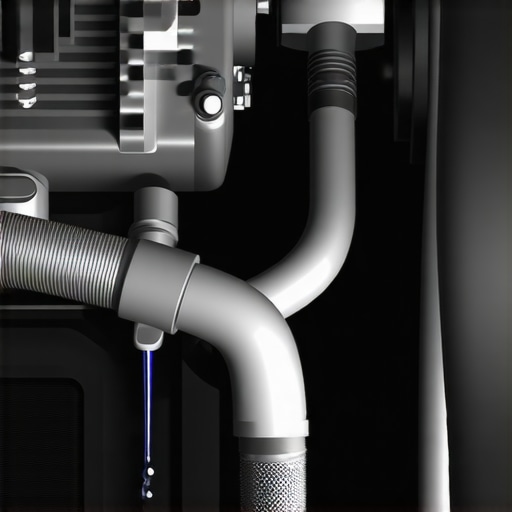
It was a typical Saturday morning when I noticed something strange—my fuel gauge dropping faster than usual, even though I wasn’t driving more than I normally would. At first, I shrugged it off, thinking maybe I was just running errands a bit more aggressively. But then came the real wake-up call: after a fill-up, my fuel economy was horrible. That’s when I discovered the tiny culprit that had been stealthily hogging my gas—an overlooked vacuum hose.
How a Tiny Vacuum Hose Became My Fuel Efficiency Nightmare
I never thought a small, seemingly insignificant vacuum hose could cause such a big problem. It’s one of those little auto parts that rarely gets attention—until it starts causing headaches. I had made the early mistake of ignoring routine engine diagnostics, which led to spending more on fuel than I was comfortable with. Once I started digging, I realized this tiny hose was allowing unmetered air into the engine, throwing off the air-fuel mixture and tanking my mileage.
This experience made me question how many other drivers might be unknowingly losing fuel efficiency because of simple, overlooked issues. It’s not just about saving money; it’s about understanding your vehicle better, fixing the little things before they become big, expensive problems. The good news? Once I identified and replaced that problematic vacuum hose, I immediately noticed better fuel economy and smoother engine performance.
Today, I want to walk you through how I diagnosed this sneaky problem and share my insights so you don’t fall into the same trap. Trust me, a tiny hose can cause massive frustration, but with a little knowledge, you can catch it before it hits your wallet hard.
Is Diagnosing a Small Vacuum Leak Really Worth the Effort?
Early on, I made the mistake of dismissing small vacuum leaks as minor issues. Turns out, this thinking can cost you much more in the long run. Small leaks can lead to misfires, poor fuel economy, and even engine damage if left unchecked. In fact, according to industry experts, unresolved vacuum leaks are a common cause of check engine lights and drivability issues. So, yes—diagnosing and fixing these tiny hoses is absolutely worth your time.
If you’ve noticed your vehicle’s performance degrading, or your fuel consumption soaring without explanation, it’s time to investigate those small hoses and connections. The next step? Let’s look at how you can identify if a vacuum hose is the culprit and what signs to watch for, so you can address the problem head-on. For more detailed tips on vehicle diagnostics, check out [decoding vehicle diagnostics](https://repairmycarpro.com/decoding-vehicle-diagnostics-what-your-car-is-trying-to-tell-you). Stay tuned—your fuel savings might just be a hose away!
Locate the Vacuum Hoses Firmly and Follow Their Path
Start by popping open your vehicle’s hood and visually inspecting the vacuum hoses connected to the intake manifold, brake booster, and other emission controls. Use a flashlight to get a clear view of the hoses, which are usually rubber or plastic tubes. In my experience, a common mistake is assuming the hoses are okay when they look fine externally; however, cracks or leaks can be invisible at a glance. Physically gently tug on each hose to ensure they are seated correctly. If a hose feels loose or shows signs of wear, that’s a red flag. This straightforward step is critical — remember, if a hose is disconnected or damaged, it allows unmetered air to enter the engine, disrupting the air-fuel mixture and reducing fuel efficiency. When I fixed a loose hose during my repair, I immediately noticed smoother engine operation and a slight bump in mileage, which reaffirmed the importance of thorough inspection.
Tap and Listen—Induce and Detect the Leak
Next, use a simple method that’s surprisingly effective: gently tap along each vacuum hose with the handle of a screwdriver or a piece of wood while the engine is running. Listen carefully for any hissing sounds that indicate escaping air—a telltale sign of a leak. Imagine the hose as a pipe; when tapped, a leak causes a noticeable whistle or hissing noise. I recall when I did this, I heard a faint hiss from a hose near the throttle body. This initial clue led me to a small crack that I had missed visually. This method is low-tech but highly effective, especially for detecting leaks that are otherwise invisible. Keep caution in mind: only perform this step when your engine is idling to avoid contact with hot components.
Apply Soapy Water to Susceptible Areas
For the most definitive test, spray a solution of dish soap and water onto the hoses while the engine runs. This is where the magic happens: if there’s a leak, the escaping air will cause bubbles to form at the crack or loose connection. This visual indicator is easy and non-invasive. During my last repair, I misted the hoses and immediately saw bubbling from a tiny fissure that looked perfectly fine visually. This confirmed the leak’s location, and replacing that specific hose restored proper engine performance and improved mileage. Be sure to use a spray bottle for even coverage and observe carefully as the engine runs.
Use an Exhaust Gas Sniffer for Precise Detection
For those wanting a more technical approach, an exhaust gas analyzer or sniffer can detect unmetered air in the intake system. Insert the probe near the hose connections; if abnormal levels of combustion gases are detected where they shouldn’t be, you’ve found your leak. In my case, borrowing a gas sniffer from a friend revealed traces of exhaust gases escaping from an old cracked hose. This method is highly accurate but requires specialized equipment, making it more suitable for professional diagnostics or serious DIYers. Remember, addressing even small vacuum leaks prevents long-term engine issues and fuel wastage.
Seal and Replace to Achieve Results
Once you’ve identified the faulty hose, replace it or seal it with appropriate fittings or hose clamps if it is merely loose. Using high-quality replacement hoses ensures longevity, similar to the principle discussed in auto repair hacks for saving money. During my repairs, I opted for a new silicone hose that resisted cracking, and after installation, I noticed a tangible improvement in engine responsiveness and fuel economy. Tighten all hose clamps securely, ensuring no gaps or loose fittings remain. Regularly inspecting these small parts can save you from costly repairs, as small vacuum leaks are a common cause of engine misfires and inefficient fuel use.Many car owners and even some mechanics operate under assumptions about auto repairs that, if unchallenged, can lead to costly mistakes or compromised safety. One pervasive myth is that all brake pads are created equal; in reality, choosing the right material depends on driving habits and vehicle specifications, as highlighted in brake service myths busted. Another misconception is that an oil change is merely a routine task, but recent studies from automotive experts reveal that selecting the appropriate oil type and following the engineered change intervals significantly extend engine life. Many assume that vehicle diagnostics involve only reading error codes, yet advanced diagnostics can pinpoint nuanced issues like subtle sensor failures, which are covered extensively in decoding vehicle diagnostics.
A common mistake during auto repair is neglecting the importance of properly bleeding brake lines after service; improper technique can lead to spongy brakes or air pockets that reduce stopping power. The ‘Oops’ factor here is that many underestimate how even a tiny air bubble can compromise safety. Integrating precise bleed procedures with proper tools ensures optimal performance.
Curious about more advanced topics? One pressing question for seasoned DIYers is: How can a professional diagnose a complex issue with minimal disassembly? The answer lies in sophisticated vehicle diagnostics, including live data analysis and sensor testing, which can often diagnose issues faster and more accurately than visual inspections alone. According to automotive diagnostic research, leveraging these technologies reduces diagnostic time by up to 50% and minimizes unnecessary part replacements.
Don’t fall prey to oversimplifications that can cost you money or safety. Instead, deepen your understanding by exploring key strategies and expert insights that distinguish true hobbyists from professionals. Remember, proper maintenance and accurate diagnostics are your best tools for prolonging your vehicle’s lifespan and ensuring safety on the roads. Have you ever fallen into this trap? Let me know in the comments.
Keep It Running Smoothly with Precision Tools
In my years of auto repair, I’ve found that the right tools make all the difference in maintaining vehicle performance, especially when it comes to diagnostics and repairs. One indispensable piece of equipment I personally rely on is the OBD-II scanner. I prefer the BlueDriver Bluetooth Professional OBDII Scanner because it pairs seamlessly with my smartphone, providing real-time data and comprehensive diagnostic reports that are easy to interpret. This tool has helped me pinpoint issues like misfires or sensor failures quickly, saving time and money.
Another essential is a high-qualitydigital multimeter. I use the Fluke 115 for its accuracy and durability. It allows me to check electrical components, test sensors, and verify voltage drops—all critical steps in ensuring your vehicle’s systems are functioning correctly. Investing in precise tools like these ensures that preventive maintenance, such as oil changes or brake inspections, is based on actual vehicle health rather than assumptions.
For brake service, I recommend the Magna8 Brake Bleeder Kit. It combines ease of use with reliable results, which is crucial for avoiding common pitfalls like air pockets that compromise braking performance. Using specialized tools, I can perform fluid flushes with confidence, extending brake lifespan and safety.
Where Do I See Vehicle Diagnostics Heading?
As technology advances, I believe vehicle diagnostics will become even more integrated with AI-driven analysis, delivering faster and more accurate insights. Future tools might automatically suggest repairs or maintenance schedules tailored to your driving habits, much like predictive health care. Staying ahead with current diagnostic tools positions you to adapt to these innovations seamlessly.
How do I keep my auto repair skills sharp over time?
The key lies in continuous learning and investing in quality equipment. Regularly updating your diagnostic software and familiarizing yourself with the latest automotive technologies will make troubleshooting more efficient. For example, I keep myself updated with the latestvehicle diagnostic methodologies through online courses and industry webinars. Remember, using powerful tools effectively can prevent minor issues from escalating into costly repairs.
If you’re serious about maintaining your vehicle like a pro, try integrating aprofessional-grade OBD-II scanner into your toolkit this month. It’s an investment that pays off by giving you greater control and peace of mind during maintenance.
Lessons That Changed My Approach to Brake Service and Diagnostics
One hard-earned lesson was realizing that overlooking small cracks or loose connections can undo hours of work. I used to think that if the part looked okay externally, I was good to go, but experience taught me that the tiniest overlooked detail—like a faulty vacuum hose—could wreak havoc on performance. It’s about embracing meticulousness and understanding that the devil truly is in the details, especially in auto repair where a small leak can mimic more severe issues.
Another insight was the importance of patience when diagnosing complex problems. Instead of jumping straight to replacements, I learned to methodically test each component—tapping, spraying soapy water, using diagnostic tools—to pinpoint issues accurately. This approach saved me time, money, and frustration, reinforcing that precision beats guesswork every time.
Finally, I discovered how investing in quality diagnostic tools not only accelerates repairs but also boosts confidence. A reliable OBD-II scanner and multimeter became invaluable companions, transforming what once felt like trial-and-error into a systematic, science-based process. My biggest takeaway? Small, consistent efforts and good tools empower you to tackle even the sneakiest auto issues with assurance.
Tools and Resources That Elevated My Skills
My go-to resource is the decoding vehicle diagnostics guide. It demystified complex error codes and helped me understand what my vehicle was really telling me, saving guesswork. For hands-on tools, I swear by the BlueDriver Bluetooth OBD-II Scanner. Its real-time data and detailed reports streamline diagnostics without needing a trip to the mechanic, making troubleshooting more accessible and less intimidating.
The latest oil change technologies also revolutionized how I approach preventive maintenance. Using advanced oils and know-how on when to change them extends engine life and improves efficiency, which is especially crucial during long road trips or frequent driving. Plus, a quality leak detection spray made detecting tiny vacuum leaks so much easier—proof that the right resources can turn a tricky task into a straightforward fix.
Keep Your Auto Skills Sharp and Your Car Happy
The road ahead is exciting for anyone passionate about auto repair. Continuous learning—whether through online courses, forums, or hands-on practice—keeps your skills sharp and your vehicle running at its best. Don’t shy away from investing in quality tools like the essential auto repair gear—they’re your best allies in avoiding costly mistakes and enjoying peace of mind. Remember, each small fix and diagnostic insight builds your confidence and deepens your understanding, making you more self-reliant and prepared for whatever your vehicle throws your way.