

It was just another busy Saturday when my car suddenly jolted and hesitated, refusing to go beyond fifty miles per hour. The dashboard lit up with warning lights, and I felt a sinking realization—my transmission had entered limp mode. At first, I panicked, thinking I’d be stranded in the middle of nowhere. But then I remembered something crucial: that limp mode isn’t a breakdown, but a protective safety mechanism built into your vehicle. Understanding what triggers it can save you hundreds—and maybe even thousands—of dollars.
Why Models Shield Their Heart: The Purpose Behind Limp Mode
Every car owner dreads that moment when the engine stalls, or the transmission refuses to cooperate. But in reality, limp mode is a smart feature designed to protect your vehicle’s vital components from damage. When your car detects a problem—like low transmission fluid pressure, sensor failure, or overheating—it activates this mode to limit the engine’s power and prevent further harm. Think of it as your car’s way of saying, “Hey, something’s wrong; let’s keep you safe until you can get help.” In fact, according to automotive experts, limp mode can prevent catastrophic transmission failure, which could cost a small fortune to repair or replace.
Here’s the catch: many drivers ignore the warning signs leading up to it—sometimes with costly consequences. Early detection and understanding what triggers limp mode can be the difference between a quick DIY fix or a pricey trip to the mechanic. And trust me, I’ve made beginner mistakes early on—like ignoring odd transmission noises or neglecting fluid changes—which only worsened the situation. That’s why I want to walk you through the essentials of what transmission limp mode really means and how you can prevent or address it effectively.
If you’ve ever faced a sudden transmission shutdown or noticed your car behaving unpredictably, you’re not alone. Join me as we delve into what causes limp mode, how to recognize it early, and the simple steps you can take to safeguard your vehicle. Want to learn how to spot early warning signs before things get serious? Stay tuned—we’re about to turn confusing car codes into clear, actionable insights.
Identify Clear Warning Signs of Limp Mode Activation
When your car enters limp mode, it often displays immediate cues like reduced acceleration, gear shifiting issues, or dashboard warning lights. The first step is to **pay close attention**—jot down any irregular behaviors such as strange noises, delayed responses, or sudden power loss. I recall the time I noticed my RPMs surging without input, which made me realize I was in limp mode. This early detection prevents further damage and allows for quicker troubleshooting.
Use On-Board Diagnostics (OBD) to Decode Error Codes
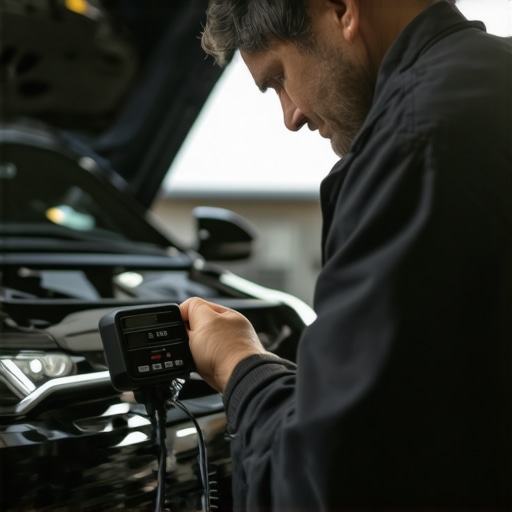
Connecting an OBD scanner to your vehicle’s port reveals error codes indicating what triggered limp mode. For instance, codes like P0700 or P2714 point toward transmission issues. I once borrowed a scanner from a local auto parts store and retrieved a P0776 code—indicating a solenoid problem. This precise diagnosis saves both time and money, guiding you to the faulty component. For detailed instruction, check out this guide.
Securement and Initial Inspection of Transmission Components
Before diving into repairs, **safely lift** your vehicle and inspect transmission fluid levels and conditions. Low or dirty fluid is a common culprit for limp mode. Think of transmission fluid like blood—it needs to be clean and at proper levels for all parts to function smoothly. I learned this when I checked my fluid and noticed it was burnt and dark—prompting an immediate flush. Use a certified fluid as recommended by your vehicle manufacturer, which you can learn more about at this resource.
Perform Burst Checks on Transmission Sensors
Sensors like the transmission speed sensor can fail or give false readings, activating limp mode. Testing these involves multimeter use or replacing them if faulty. I replaced mine following a tutorial, which resolved the erratic shifting. Remember, faulty sensors are often quick fixes, but always confirm with diagnostics. This step is crucial—bad sensors can mimic more complex problems, leading to unnecessary repairs. For detailed sensor testing procedures, visit this article.
Reset the System and Confirm the Fix
Upon repairing or replacing a component, disconnect the battery for 15-30 minutes to reset the vehicle’s computer. This clears the error codes and allows the system to re-evaluate. I did this after fixing a stuck solenoid, and my car exited limp mode shortly after. Then, take a test drive to ensure normal operation and monitor for any remaining warning lights. Use a diagnostic tool during this test to verify that error codes have cleared and the vehicle no longer exhibits abnormal behavior.
Proactive Maintenance to Prevent Future Limp Mode Incidents
The best defense against limp mode is regular vehicle maintenance. Consistently check your transmission fluid, keep it clean, and adhere to manufacturer service intervals. Consider routinely inspecting transmission filters and sensors, especially if your driving history involves frequent stop-and-go or heavy loads. Incorporate these practices to extend your transmission’s lifespan—and for comprehensive strategies, consult this guide. Preventative steps save you from emergency repairs and keep your vehicle running smoothly on the road.Many car owners operate under misconceptions that can lead to costly mistakes. One pervasive myth is that regular oil changes are unnecessary or can be skipped if the car seems to run fine. In reality, neglecting proper oil maintenance accelerates engine wear and can cause severe damage, as highlighted by innovations in oil technology that extend engine lifespan. Don’t fall into the trap of delaying oil changes—see how advanced techniques can save your engine. Another common misconception revolves around vehicle diagnostics, where many believe that a quick scan reveals all issues. However, relying solely on generic codes without understanding their nuances can lead to misdiagnosis. Experts emphasize the importance of interpreting diagnostic trouble codes with context, and comprehensive diagnostics are crucial to avoid unnecessary repairs. In brake service, a typical mistake is ignoring minor squeaks or vibrations, assuming they’re harmless. But these subtle signs often indicate underlying problems like worn rotors or calipers, which, if left unaddressed, compromise safety. The best approach is to stay vigilant and consult professional brake service guides to understand what really matters for safety and performance.
Curious about how advanced diagnostics can prevent costly breakdowns? Refer to this resource for in-depth strategies. Additionally, many overlook the importance of regular vehicle checks and falling into the trap of reactive repairs. This reactive approach often costs more and reduces vehicle lifespan. Instead, adopting proactive maintenance routines, as discussed in essential auto repair strategies, can preserve your car’s health.
**Beware the trap of ignoring early signs.** Small issues like subtle vibrations, minor warning lights, or decreased fuel efficiency often present hints of underlying problems. Recognizing these symptoms early and addressing them with professional advice prevents emergency repairs. For example, see how understanding tire wear patterns can reveal suspension issues in this article.
Now, ever wondered why some repairs seem to fix the problem temporarily? The answer often lies in troubleshooting the root cause rather than just the symptoms. This is especially important in brake service, where superficial fixes won’t do. Visit this guide to understand the real essentials for brake safety.
Remember, your vehicle is a complex machine that demands more than just routine oil changes or occasional diagnostics. Deep understanding of common pitfalls and nuanced issues can save you hundreds or even thousands of dollars. Have you ever fallen into this trap? Let me know in the comments.
Maintaining your vehicle’s performance over time requires the right tools and a disciplined approach. Personally, I rely heavily on a few specific pieces of equipment that have proven invaluable in diagnosing and performing repairs efficiently. One such tool is a high-quality code scanner like the BlueDriver Bluetooth OBD2 scanner. I prefer this because it seamlessly connects to my smartphone, providing real-time data and comprehensive error reports, which saves me trips to the mechanic for minor issues. Regularly interpreting these error codes helps me address problems early, often before they escalate into costly repairs. For example, troubleshooting a Check Engine Light with accurate diagnostics can be done swiftly, saving time and money, as discussed in this guide.
Alongside a scanner, I recommend investing in a good digital multimeter. It’s indispensable for testing sensors, testing battery voltage, and verifying electrical connections. I particularly use a Fluke multimeter because of its durability and precision. These tools are essential for DIY diagnostics, especially when troubleshooting complex issues like transmission sensor failures that can trigger limp mode.
Another aspect I prioritize is routine fluid testing kits—specifically, a transmission fluid tester to check the condition and level of your transmission fluid. Dirty or low fluid is often an overlooked cause of limp mode. By regularly testing and changing transmission fluid at manufacturer-recommended intervals, you can prevent many transmission problems altogether. Learn more about key maintenance intervals and strategies in this article.
As vehicles become more sophisticated, software tools will continue evolving. Future trends suggest AI-powered diagnostic apps that can analyze multiple sensor data streams and predict failures before warning lights even appear. This predictive maintenance could revolutionize how we keep vehicles running smoothly, reducing unexpected breakdowns and repair costs significantly.
What practices keep your vehicle running smoothly over long periods?
Beyond tools, adopting a disciplined maintenance routine is crucial. I make it a habit to follow the manufacturer’s recommended service schedule diligently—especially oil changes—using advanced oils like those discussed here. Regularly checking and replacing critical sensors and filters, such as the transmission filter, can greatly extend your vehicle’s lifespan. Additionally, keeping a maintenance log helps track when items like brake pads and timing belts might need replacement, preventing issues that could send your car into limp mode unexpectedly.
Finally, consider investing in a comprehensive vehicle diagnostic subscription service. With remote access to expert advice and diagnostic resources, you can troubleshoot problems quickly without always resorting to costly repairs. Staying proactive not only reduces your long-term expenses but also enhances your driving confidence. Remember, consistently maintaining your vehicle is less about reacting to problems and more about preventing them. If you’re ready to implement one new maintenance habit today, start by testing your transmission fluid condition with a simple kit; it’s a small step that can save you a lot of hassle down the line.
Lessons Hidden in My Transmission Troubles
The biggest lesson I learned about auto repair is that ignoring early warning signs—like unusual noises or dashboard alerts—can turn minor issues into costly disasters. Recognizing the subtle cues before the vehicle enters limp mode can save you from expensive repairs. Also, understanding that limp mode is a protective feature, not a breakdown, changed my perspective on vehicle diagnostics, prompting me to approach repairs with patience and insight rather than panic. Lastly, I realized that investing in quality diagnostic tools and routine maintenance isn’t just about saving money—it’s about empowering yourself to steer clear of preventable emergencies.
Tools and Resources That Keep Me On the Road
My essential toolkit includes a Bluetooth OBD2 scanner like BlueDriver, which I trust because it provides comprehensive error codes and real-time data straight to my smartphone. For electrical checks, I rely on a durable digital multimeter, such as Fluke, which helps me verify sensor outputs and battery health. Regularly testing transmission fluid with a quality tester article I highly recommend, as it keeps my transmission responsive and prevents limp mode activation. Additionally, I stay updated with guides on diagnostic interpretation and preventive maintenance from trusted sites like this resource, which helps me make informed decisions and avoid costly repairs.
Fueling My Confidence for Future Challenges
Your vehicle is more than just machinery; it’s a partner on your journey. Taking proactive steps, like routine fluid checks and sensor inspections, transforms car maintenance from a chore to a confident habit. Remember, understanding the nuances of troubleshooting and diagnostics puts you ahead in preventing breakdowns. I encourage you to start small—test your transmission fluid or scan for error codes—and gradually build your skills. The path to reliable driving is paved with knowledge. So, what’s the first step you’ll take today to better understand your vehicle’s health? Share your plans below and let’s grow together on this journey towards smarter car care.