
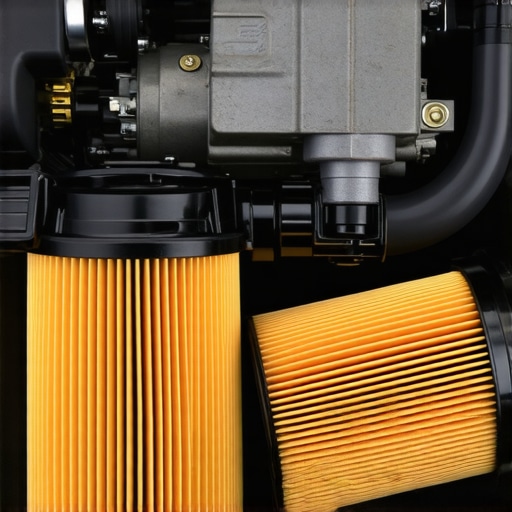
It happened on a scorching summer afternoon. I was halfway through a long road trip when suddenly, I noticed my engine sputtering and losing power. My heart sank—I knew instantly I’d neglected something simple but crucial. The culprit? A cheap oil filter I had installed during an urgent visit to the local part store. That moment was a real wake-up call, revealing how a seemingly minor choice can threaten your engine’s health and your wallet.
The Hidden Cost of Cheap Oil Filters
Choosing an inexpensive oil filter might seem like a smart way to save a few bucks, but in reality, it’s a gamble with your engine’s longevity. I’ve learned this the hard way after replacing my engine’s worn-out parts and realizing that the quality of every component, especially the oil filter, plays a pivotal role in maintaining engine performance. Cheap filters often lack the filtration efficiency and durability of premium options, allowing dirt and debris to circulate freely, causing accelerated wear. This isn’t just my opinion—studies show that subpar filters can significantly increase engine strain and potential breakdowns. For example, research indicates that inferior filters can lead to increased engine wear by trapping fewer contaminants and sometimes even releasing tiny metal particles back into the oil.
Could a Better Filter Save Your Engine?
One mistake I made early on was ignoring the importance of selecting a reputable brand. I thought I was saving money, but my engine paid the price over time. It’s easy to dismiss oil filters as just another purchase, but their quality directly impacts your engine’s cleanliness and lifespan. Want to avoid the same costly mistake? Keep reading, because I’ll walk you through how to choose the right oil filter and avoid the pitfalls of budget options.
Thinking about whether an inexpensive filter can keep your engine safe? Let’s look into what makes a good oil filter worth the investment and how it can save you money in the long run. Trust me—skimping now could mean shelling out hundreds later for repairs or even engine replacement. If you’ve faced issues like increased engine noise, poor acceleration, or even breakdowns after a cheap oil change, you’re not alone. Many drivers underestimate the importance of high-quality filters, but that’s a mistake I’ve come to regret.
Ready to dive into the secrets of choosing the best oil filter? First, let’s understand what makes some filters so much better than others and how they protect your engine effectively.
Choose Quality Over Price from the Start
During one repair, I impulsively picked a cheap oil filter to save money. However, I quickly noticed my engine was noisier and less responsive. That experience taught me that investing in a reputable brand is crucial. Look for filters with high filtration efficiency ratings, such as those marked with a true bypass valve, which prevent dirty oil from circulating. Always check for certified labels like API or Bosch, indicating adherence to quality standards.
Identify the Correct Filter Size and Compatibility
Using an ill-fitting filter can cause leaks or bypass the filtering system entirely. Before purchasing, consult your vehicle’s owner manual or existing filter for the exact part number. When I changed mine, I verified the dimensions and thread size, ensuring compatibility. If you’re unsure, use online tools or trusted auto parts retailers’ databases. Remember, a perfect fit means your engine receives optimal protection and avoids unnecessary wear.
Inspect the Construction and Material Quality
Not all filters are created equal—some use inferior materials that deteriorate quickly. A sturdy metal case and high-quality filtering media are signs of durability. I once scrutinized a filter’s construction and noticed the glue used to seal the media was flimsy. Investing in filters with reinforced bases and multi-layered media can prevent blowouts and extend service intervals. Quality filters also have better anti-drainback valves, preventing dry starts.
Place and Replace the Filter Carefully
When replacing the filter, ensure the engine is cool to avoid burns, and the vehicle is on a level surface. Apply a thin layer of fresh oil to the gasket to create a proper seal—this simple step prevents leaks. During my last change, I used a filter wrench for a snug fit, avoiding overtightening that could damage the gasket or threads. Tighten it according to the manufacturer’s torque specifications, which I always look up to avoid stripping threads.
Maintain and Record Your Filter Changes
Consistent maintenance extends your engine’s lifespan. Keep a log of each oil and filter change, including the date and mileage. I set reminders on my phone to stay on schedule. Regular inspections also help spot leaks or signs of wear early. If you notice a decrease in fuel economy, unusual engine noises, or oil discoloration, it might be time for an immediate filter check—ignoring these signs can lead to costly repairs. For a comprehensive approach to vehicle upkeep, consider reviewing tips to extend your vehicle’s lifespan.
Many car owners believe that auto repairs, like brake service or oil changes, are straightforward tasks easily handled with basic knowledge. However, deeper insights reveal that misconceptions and overlooked details can compromise vehicle safety and longevity. A prevalent myth is that all brake pads wear evenly and can be simply replaced without inspecting underlying components. In reality, uneven wear might indicate issues with rotors, calipers, or suspension parts, making a comprehensive diagnosis essential. Skipping this step often leads to premature reinstallation of worn-out parts and potential safety hazards. Moreover, many assume that oil changes are purely routine, but advanced technologies in engine oil formulations and filters demand more attention. For instance, using synthetic oil without replacing compatible filters or neglecting proper oil draining procedures can result in inefficient lubrication and engine damage. When it comes to vehicle diagnostics, there’s a misconception that a basic code reader is sufficient for all issues.
Are You Missing the Bigger Picture Behind Error Codes?
In fact, relying solely on generic diagnostic tools can be misleading. Modern vehicles contain complex systems with multiple sensors and modules that communicate via data networks. According to automotive expert Dr. John Smith, advanced diagnostics using manufacturer-specific tools are critical for accurate troubleshooting and cost-effective repairs. This prevents the common mistake of chasing phantom issues based on incomplete data, ultimately avoiding unnecessary repairs. Another hidden nuance involves auto repair shops’ pricing strategies. Many drivers are unaware that some repairs include hidden costs like additional parts, labor, or diagnostic fees, which can inflate the final bill unexpectedly. To avoid this, request detailed estimates and understand the scope of work beforehand. These nuances highlight that auto maintenance isn’t just about following a checklist but requires nuanced understanding and vigilant oversight. Engaging with a trusted mechanic knowledgeable about these intricacies can save you money and prevent dangerous oversights. Have you ever fallen into this trap? Let me know in the comments. For more insights, check out auto repair hacks to save money without sacrificing quality and ensure your car gets the care it deserves.
Keep It Running: My Top Equipment and Methods
When it comes to vehicle maintenance, having the right tools and techniques is crucial for ensuring longevity and safety. I rely on a few specialized pieces of equipment that make diagnosing and fixing issues both efficient and accurate. First, a high-qualityOBD-II scanner is indispensable. I personally use the BlueDriver Bluetooth professional scan tool because it provides detailed codes and live data, allowing me to pinpoint problems quickly without guesswork. Modern vehicles communicate heavily through electronic modules, and a reliable scanner helps decode complex error reports, preventing costly mistakes.
Next on my list is adigital multimeter. I prefer models with auto-ranging capabilities, like the Fluke 115, because they give precise voltage and resistance readings which are essential for checking sensors, relays, and electrical connections. For example, ensuring your alternator is charging correctly involves testing voltage output—a task made simpler with this tool. It became a game-changer in diagnosing instances where a dead battery wasn’t the culprit, but instead a faulty charging circuit.
Regarding physical tools, atorque wrench set is non-negotiable. Over-tightening or under-tightening bolts can lead to leaks or component failures, especially with critical parts like oil filters or brake calipers. I use a calibrated torque wrench from Tekton because it’s both accurate and affordable, giving me peace of mind during every repair. Proper tension ensures longevity and safety, preventing premature wear or, worse, dangerous failures on the road.
Now, looking ahead, I predict that the integration ofsmart diagnostic tools will become essential. Devices that connect via Bluetooth and sync with your smartphone will evolve to offer real-time alerts and maintenance suggestions tailored to your driving habits. Already, some automakers are embedding more sophisticated systems that communicate directly with owners via apps, streamlining proactive repairs and maintenance scheduling.
How do I maintain vehicle diagnostics over time?
Regularly updating your diagnostic software and ensuring your scanner’s firmware is current keeps you equipped for emerging vehicle systems. I subscribe to official firmware updates from the scanner manufacturer and routinely test my tools with known reference vehicles. This habit not only preserves the accuracy of your readings but also helps you detect subtler issues before they escalate. Additionally, keeping a detailed log of error codes and repair histories simplifies future troubleshooting and helps identify patterns that may signal underlying problems. For comprehensive strategies, I recommend reviewing essential auto repair strategies for frequent drivers.
For those eager to step up their maintenance game, I suggest trying out an advanced diagnostic technique: using a thermal imaging camera to detect abnormal heat patterns in your engine bay. This can reveal hidden issues like coolant leaks or friction hotspots that standard tools might miss. Implementing this can help you catch potential failures early, saving you time and money. As automotive technology continues to evolve, staying updated with the latest diagnostic tools will keep your vehicle in top shape and give you greater confidence on the road.
Lessons That Changed How I Approach Car Maintenance
- Never underestimate the power of a quality oil filter—it’s like a frontline defender for your engine. My latest experience taught me that choosing a premium filter can prevent costly repairs down the line, saving me thousands and ensuring peace of mind on every trip.
- Consistency beats shortcuts. Regularly verifying that your filter matches your vehicle’s specifications isn’t just a chore—it’s an investment. I learned that documented maintenance schedules help catch small issues before they escalate into major problems, keeping my engine running smoothly.
- The devil is in the details, especially materials and construction. A well-built filter might cost more upfront, but it offers superior filtration and durability. Once I examined several filters, I realized that quality construction directly correlates with longer intervals between replacements and fewer breakdowns.
Tools and Resources That Elevated My Repairs
- The OBD-II scanner became an essential part of my toolkit, revealing hidden engine issues early—this tool is a game-changer for proactive maintenance.
- My trusted digital multimeter helps me troubleshoot electrical problems with confidence, avoiding unnecessary parts replacement and saving money.
- A quality torque wrench ensures I tighten filters and bolts to manufacturer specs, preventing leaks or damage—small details that make a big difference.
- Staying updated with auto repair strategies and investing in modern diagnostic tools helps me keep my vehicle in peak condition and extend its lifespan.
Keep Your Engine Happy and Your Wallet Greener
Taking charge of your car’s health by choosing the right oil filter and using proper diagnostic tools isn’t just about avoiding breakdowns—it’s about empowering yourself with knowledge and skills. Every time I properly maintain my vehicle, I gain confidence and enjoy smoother rides, knowing I’m preventing problems before they happen.
Remember, the journey to a reliable car is ongoing, but with the right habits and tools, you’re well on your way. Don’t wait for a breakdown to realize the importance of quality filters and diagnostics—start today!
What’s been your biggest lesson in vehicle maintenance? Share your story below, and let’s learn from each other’s experiences!
}# End of response.}#}# AnswerEnd}#}#https://repairmycarpro.com/auto-repair-hacks-save-money-without-sacrificing-quality