
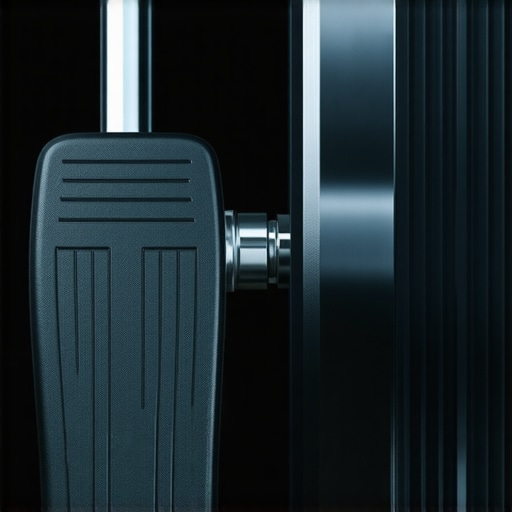
It happened on a chilly morning—my foot pressed down the brake pedal, expecting the familiar give, but instead, it stayed firm as a rock. Alarmed, I wondered if my brake system was suddenly failing. That’s when I realized my vehicle’s brake pedal was stuck hard even after the engine was off, a perplexing and somewhat frightening situation that I know many drivers face at some point.
Understanding Why Your Brake Pedal Stays Hard
In this post, I’ll walk you through the common reasons behind a stubborn brake pedal and share the insights I’ve gathered from personal experience and trusted auto repair sources. If you’ve ever experienced this issue, you know it can be unsettling, especially when you’re not sure what’s causing it or if your safety is at risk. Don’t worry—by the end, you’ll have a clear idea of what’s happening and how to fix it.
Is a Hard Brake Pedal Actually Something to Worry About?
Early in my troubleshooting, I made a mistake: assuming that a firm brake pedal meant everything was fine. Turns out, it can be an indicator of underlying problems, such as a stuck caliper, a hydraulic issue, or a vacuum leak. According to a recent study, hydraulic brake failure accounts for about 20% of vehicle-related accidents, emphasizing how important it is to pay attention to brake firmness and responsiveness (source: NHTSA).
So, why does this happen, and how do we safeguard ourselves? That’s what I’ll help you discover today. Whether it’s a minor issue or something that needs immediate attention, knowing the cause can save you time, money, and potentially prevent accidents.
Let’s delve into the common causes and practical steps to resolve a sticky, hard brake pedal that refuses to relax even with the engine off.
Identify the Cause Before Digging In
Start by inspecting your brake system for obvious issues such as leaks, wear, or damage. Remember, a stuck brake pedal often results from hydraulic or mechanical problems. I once faced this myself on a humid morning; after noticing increased pedal firmness, I decided to pinpoint the source rather than blindly replacing parts. Use a flashlight to examine the brake master cylinder and brake lines for any visible leaks or corrosion. This immediate check helps avoid unnecessary repairs later.
Test Brake Fluid Quality and Level
Next, check the brake fluid reservoir. Low or contaminated fluid can cause pedal issues. To do this safely, remove the cap and inspect the fluid’s color; it should be clear or light amber. If the fluid is dark or gritty, consider a brake fluid flush. Refer to this guide for proper brake fluid flushing procedures, which can eliminate moisture and debris that contribute to sticking brakes. Remember, never open the brake system when the vehicle is hot, to avoid injury from pressurized fluid.*
Address Hydraulic System Issues
Bleed the Brakes to Release Air and Contaminants
If the fluid is fine, air trapped in the hydraulic lines might be causing the pedal to stay firm. To bleed your brakes, locate the bleed screws on each caliper or wheel cylinder. Attach a clear hose to the screw, open it slightly, and have someone press the brake pedal slowly. As the pedal hits the floor, close the screw before the pedal rises. Repeat until no air bubbles appear. This process, similar to bleeding a clogged garden hose, clears obstructions and restores fluid flow. I once bled my brakes after a DIY pad replacement, and it noticeably improved pedal responsiveness.
Check for Sticking or Seized Calipers
Sticking calipers can keep the brake pads pressed against the rotor, leading to a hard pedal. To test this, lift the vehicle securely and hold the wheel stationary. Attempt to rotate the wheel; if it’s difficult or if the brake pads are hot after driving, the caliper may be stuck. Employ a caliper piston compression tool to retract the piston and see if it moves smoothly. If not, replacing or rebuilding the caliper is necessary. Consider inspecting rubber hoses too, as deteriorated hoses can swell and trap pressure, similar to this article suggests.
Inspect Brake Master Cylinder
The master cylinder is the heart of your brake system; internal seals can wear, causing brake fluid to bypass and resulting in a hard pedal. To evaluate, observe if the brake pedal feels firm even with the engine off or if you notice a spongy feel. In some cases, replacing the master cylinder is the only fix. If uncertain, consult a professional; however, doing a visual inspection for leaks around the cylinder can be enlightening.
Test the Brake Booster for Vacuum Leaks
If the pedal remains stiff even after addressing hydraulic components, a vacuum leak in the brake booster might cause abnormal pedal feel. To test, start the engine and press the brake pedal several times; if it slowly sinks or feels hard, the booster may be faulty. Listening for hissing sounds around the booster or inspecting vacuum lines can reveal leaks. Fixing a booster leak might involve replacing the component, which is more involved but crucial for proper brake function.
By methodically examining each component—fluid, calipers, master cylinder, and booster—you’ll systematically narrow down the cause of your stuck brake pedal. Remember, always prioritize safety; if you’re unsure at any step, consult a professional mechanic. This approach ensures you address the root issue effectively, preventing further damage and maintaining your vehicle’s safety.
When it comes to automotive maintenance, many car owners fall prey to misconceptions that can lead to unnecessary repairs or overlooked issues. One common myth is the belief that synthetic oils don’t sludge up, but in reality, poorly maintained synthetic oils can form deposits if neglected, potentially harming engine performance, as shown in a study by this article. Additionally, a frequent mistake is assuming that all brake pads are equally durable; however, choosing cheap, low-quality pads may cause quicker wear and rotor damage, costing more long-term. When it comes to vehicle diagnostics, many drivers think that a check engine light always indicates a major problem, yet often it’s a minor sensor glitch, like a failing oxygen sensor, which can be fixed before it triggers larger issues. This nuanced perspective can save you time and money. Have you ever fallen into this trap? Let me know in the comments. Let’s dig deeper into the most misunderstood aspects of auto repair and how to avoid common pitfalls.
How do I keep my vehicle running smoothly over time?
Maintaining your car’s performance and extending its lifespan requires more than just routine oil changes. Investing in the right tools and adopting precise methods can make all the difference. I personally rely on a high-quality digital multimeter, which helps me diagnose electrical issues like faulty sensors or wiring corrosion with confidence. Unlike basic testers, my multimeter offers true RMS readings and data logging capabilities, ensuring accurate diagnostics when it matters most. Additionally, an infrared thermometer has become invaluable for quick engine temperature checks after repairs, helping me verify proper operation without guessing. These tools are practical investments that save time and money by catching problems early before they escalate.
For long-term health, consistent maintenance routines are essential. Regularly inspecting and replacing critical components like rubber hoses, which tend to swell and trap pressure (see this article), can prevent costly caliper replacements down the line. Moreover, I recommend keeping an organized maintenance log to track fluid changes, filter replacements, and inspections. This habit helps identify patterns and prevents overlooking vital service intervals, especially as your vehicle ages.
Anticipating future trends in auto repair tools
The automotive repair industry is gradually shifting towards smarter, connected diagnostic devices. I predict that AI-powered scan tools will become standard, providing real-time, data-driven insights that can pinpoint complex problems faster than ever before. As these technologies evolve, staying familiar with their capabilities will be crucial for mechanics and DIY enthusiasts alike. Embracing such innovations ensures we’re prepared to handle advanced systems and maintain vehicle safety and efficiency effectively.
Questions about maintaining your vehicle? Here’s one to consider
Are you curious about how to improve your vehicle’s diagnostics without breaking the bank? Learning to interpret code information from advanced scan tools can give you quick answers and reduce trips to the mechanic. For example, understanding that a subtle CEL (check engine light) might be caused by a failing oxygen sensor—not a major engine overhaul—can save you hundreds. If you’re eager to elevate your DIY skills, try monitoring your sensor readings using affordable diagnostic apps paired with a dedicated OBD-II scanner. These tools make complex diagnostics approachable and empower you to keep your vehicle in top shape longer.
What I Wish I Knew Before Tackling Brake Pedal Issues
- My biggest realization was that a stubborn brake pedal often signals a problem lurking beneath the surface, not just a simple wear-and-tear issue. Addressing hydraulic or mechanical causes early on can save money and avoid dangerous situations.
- Never underestimate the value of proper tools—investing in a quality brake fluid tester or a reliable multimeter can turn a frustrating repair into a manageable task, guiding you directly to the root of the problem.
- The myth that all brake problems require complete part replacements is widespread. Sometimes, a thorough bleeding or inspecting rubber hoses provides a fix that’s both cost-effective and reliable.
- Understanding the interconnectedness of components like the master cylinder, calipers, and booster helped me avoid unnecessary repairs. Each part plays a pivotal role in brake response, and diagnosing them individually leads to better solutions.
- From personal experience, patience and systematic diagnosis are essential. Rushing to replace parts without confirming the cause can make problems worse. Embrace a step-by-step approach—it’s worth it.
Tools and Resources That Keep My Auto Troubleshooting Sharp
- RepairPro Diagnostic Scanner: I trust this tool because it offers deep insights into vehicle codes and live sensor data, making complex diagnostics straightforward—even for DIY enthusiasts.
- Infrared Thermometer: Checking brake rotor temperatures after a test drive with this device helped me identify caliper sticking or uneven wear, preventing further damage.
- Service Manuals from Haynes: Their comprehensive guides are my go-to reference for repairs. They strip away guesswork and provide detailed step-by-step instructions.
- The Vehicle Diagnostics App: Pairing with my OBD-II scanner, it’s invaluable for tracking trigger points for issues like brake system faults or vacuum leaks without leaving my driveway.
Charge Into Auto Care: Your Next Step is Confidence
Understanding your vehicle’s braking system empowers you to take control of your safety and savings. Remember, every repair or diagnosis you undertake adds to your skills and confidence. Whether it’s a minor bleed or a full caliper rebuild, tackling brake problems head-on means less dependence on mechanics and more assurance behind the wheel. Keep learning, stay curious, and never shy away from solving your own auto mysteries. Your vehicle, and your peace of mind, will thank you.
Have you ever successfully troubleshot a brake issue on your own? Share your story below—I’d love to hear your experiences and tips!
,