

I was sitting at a red light, humming along to the radio, when the world turned green. I squeezed the gas pedal, expecting that familiar push. Instead? Silence. A hollow, terrifying nothingness that lasted just long enough for my heart to hit my shoes. Then—bang—the car lurched like it had been poked with a cattle prod. If you’ve ever sat there helplessly while traffic builds up behind you, you know the pure anxiety of a hesitating engine. It’s not just a quirk; it’s a breakdown waiting to happen at the worst possible moment. Today, I’m going to help you figure out exactly why your ride is stumbling and how to fix it before you’re stuck calling a tow truck.
When My DIY ‘Fix’ Made Everything Worse
Believe me, I’ve been in your shoes, and I’ve made the ‘cheap’ mistakes so you don’t have to. Early on, I thought I could solve a similar stumble by spraying a bunch of generic lubricant into my mass airflow sensor. I didn’t realize that those sensors are incredibly delicate. I ended up frying the electronics and turning a simple cleaning job into a massive headache. It taught me that while we all want to save a buck, we need to use essential auto repair strategies that actually work. Most of the time, that hesitation happens because your engine is struggling to find the right balance of air and fuel. According to the Car Care Council, nearly 80% of vehicles on the road are in need of service, and a clogged filter or a vacuum leak is often the silent culprit behind a ‘lazy’ pedal.
Is a little engine stumble actually worth worrying about?
It’s tempting to just ignore it if the car eventually moves, right? But that split-second delay can be the difference between making a safe left turn and getting stuck in the middle of an intersection. Usually, the problem stems from dirty or failing fuel injectors or a sensor that has just given up the ghost. Before you head to a shop and spend thousands, you should run through some basic vehicle diagnostics yourself. Modern engines are smart, but they can’t fix a physical blockage or a torn hose. Have you ever felt that ‘dead spot’ where the pedal just does nothing for a second? It’s a common frustration, but learning to listen to what your car is trying to tell you can save you a fortune in the long run. We are going to look at the most likely culprits next, from spark plugs to the fuel system, to get your throttle response back to being snappy and reliable.
Start with the Simplest Invisible Culprit
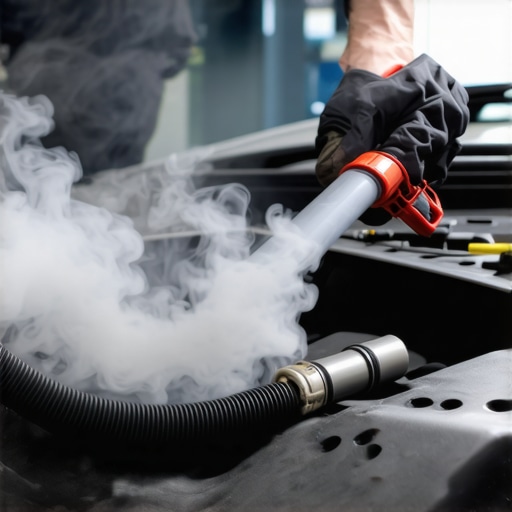
Think of your engine like a giant vacuum cleaner. It relies on a precise amount of air being sucked in to mix with fuel. If there is a hole in the ‘hose’ (your intake system), the engine gets more air than it expects, causing it to lean out and stumble. This is exactly what happened to my old 2002 truck; it would buck like a wild horse every time I tried to merge. I spent three days chasing sensors before I realized a tiny vacuum line near the firewall had turned brittle and snapped. To find these yourself, you can actually find a vacuum leak with a cigar and a piece of hose by blowing smoke into the intake and watching where it wafts out. It sounds ridiculous, but it is one of those auto repair hacks that saves you a $150 diagnostic fee at the shop.
The Fuel Pressure Regulator Check
If your air intake is solid, the problem is likely on the liquid side. Your engine needs a steady ‘blood pressure’ of fuel to stay conscious. When the pressure regulator fails, it might be starving the cylinders when you demand power. You should learn how to tell if your cars fuel pressure regulator is failing by checking the vacuum line attached to it; if there is raw gas in that line, the diaphragm is shot. This is a common reason why a car feels like it is gasping for air when you floor it. Before you dive into the heavy stuff, run through some basic vehicle diagnostics to ensure your fuel pump is actually pushing enough volume to meet the demand.
Stop Killing Your Gas Mileage with Plug Errors
Ignition is the final piece of the puzzle. Even if the air and fuel are perfect, a weak spark won’t ignite the mixture fast enough, leading to that ‘flat’ feeling in the pedal. I once helped a neighbor who complained about a massive drop in power right after he did his own tune-up. It turns out he didn’t check the gap on his new plugs. The spark plug gap error that is killing your gas mileage is also a primary cause of high-speed hesitation. If the gap is too wide, the spark literally can’t jump the distance under the high pressure of acceleration. While you are in there, look at the porcelain of the plug. If it is covered in white powder, you are running lean; if it is oily, you have bigger issues like consuming oil without a visible leak.
Clean the Sensor that Controls Your Idle
Sometimes the stumble happens just as you tip into the throttle from a stop. This is often the fault of a gummy Idle Air Control valve. There is a hidden sensor that controls your idle speed that accumulates carbon deposits over time. When it gets sticky, it can’t react fast enough to the changing airflow, causing the RPMs to dip or the engine to cough. A $5 can of specialized cleaner and ten minutes of your time can often restore that snappy, off-the-line response you remember from when the car was new.
Let’s dig deeper into the stuff that usually gets glossed over during a standard Saturday afternoon in the garage. Most people assume that if their car stops reasonably well, their brakes are ‘fine.’ This is a dangerous oversimplification. I’ve seen enthusiasts throw hundreds of dollars at high-end ceramic pads only to have the same vibration return two weeks later because they ignored the hub runout or used cheap hardware. In my experience, throwing parts at a problem without a full system view is just expensive guessing. You have to look at brake service myths busted to realize that the pads are only about 30% of the equation.
Don’t Fall for the ‘New Pads Solve Everything’ Trap
The most common ‘oops’ factor I see involves DIYers and even some pros neglecting the caliper slide pins. If those pins are seized or bone-dry, your new pads will wear unevenly, overheat, and leave you wondering why your brake pads are squealing even though they are new. Everyone says you just need to slap the pads in and go, but if you don’t clean the bracket mating surfaces, you’re setting yourself up for failure. According to the National Institute for Automotive Service Excellence (ASE), over 50% of brake noise complaints are actually caused by vibration due to improper installation or worn-out clips rather than the friction material itself. This is why the ultimate guide to brake service emphasizes the ‘boring’ prep work over the shiny new parts.
Why does your brake pedal feel different after a long drive?
If you’ve noticed that your pedal gets mushy after thirty minutes of traffic, you aren’t imagining things. This isn’t usually a mechanical failure of the pedal itself, but a chemical failure of the fluid. Brake fluid is hygroscopic, meaning it sucks moisture out of the air. When that water gets hot, it turns into steam bubbles, and steam compresses—unlike liquid. This is the reason your brake pedal feels different after a long drive and why a simple ‘top-off’ isn’t enough. You need a full flush. 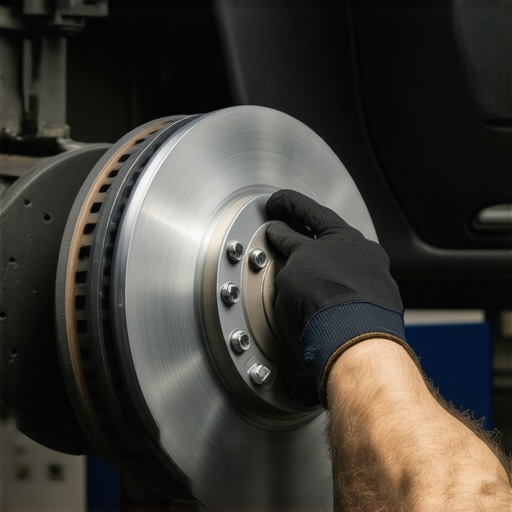 While we are on the subject of fluids, don’t ignore oil change innovations that have moved us past the old ‘every 3,000 miles’ rule. Modern synthetic blends are better, but they also mask internal wear longer, making top auto repair tips more about the quality of the filter than the frequency of the pour.
The Ghost in the Oil Pressure Gauge
A scary moment for any driver is seeing that red oil can flicker at a stoplight. Before you panic and assume your engine is toast, check the sensor. It’s a common myth that a flickering light always means low oil. In many high-mileage engines, why your oil light flickers only when you are stopped is often due to a thinning of the oil at idle or a worn-out oil pressure sending unit. It is these nuances—the difference between a $20 sensor and a $4,000 engine rebuild—that define a truly savvy car owner. Have you ever fallen into this trap and replaced a major part when a simple sensor or cleaning was the answer? Let me know in the comments. By sticking to essential auto repair strategies, you can separate the real threats from the electronic ghosts.
Stop Guessing and Start Graphing Your Engine Data
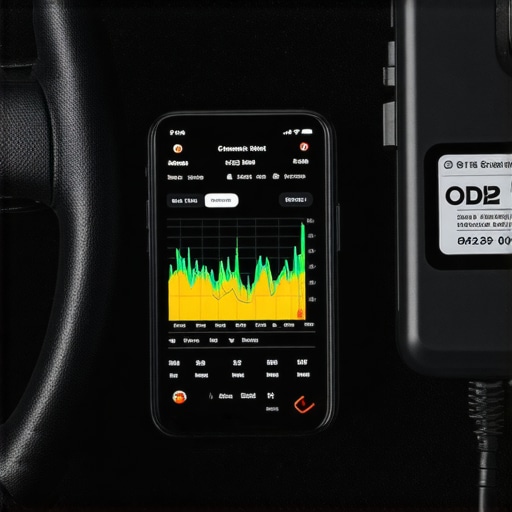
For years, I relied on those cheap code readers that just spit out a four-digit number. They told me ‘what’ was wrong, but never ‘why.’ Everything changed when I switched to a Bluetooth OBD2 adapter paired with a dedicated diagnostic app on my phone. Being able to see live data streams while I’m actually driving—not just idling in the driveway—is a game-changer. According to the Society of Automotive Engineers (SAE) J1979 standard, the ability to monitor Short Term Fuel Trim (STFT) in real-time is the single most effective way to catch a vacuum leak or a failing injector before it even triggers a dashboard light. This is how advanced vehicle diagnostics prevent costly breakdowns by letting you see the ‘compensation’ the computer is making for a mechanical failure. I use this setup to catch sensors that are getting ‘lazy’ but haven’t quite died yet. It’s also my go-to secret to finding a parasitic battery drain with a simple multimeter and some patience, allowing me to isolate which circuit is stealing power overnight without ripping the whole dash apart.
How do I keep my car running like new for the next decade?
The secret isn’t just fixing things when they break; it’s about the chemistry of your fluids. We’ve seen incredible oil change innovations lately, including high-detergency synthetics that can actually dissolve old sludge deposits while you drive. However, I’ve found that the best results come from consistency. I personally track my oil analysis through labs to see the actual wear particles in the engine. This data-driven approach, combined with the top auto repair tips to extend your vehicles lifespan, turns car care from a chore into a science. Don’t just look at the dipstick; look at the health of your cooling system and the clarity of your brake fluid. Scaling your maintenance means keeping a digital log of every odd noise or vibration so you can address them during your scheduled downtime rather than on the side of the highway.
Digital Twins and the Future of Your Garage
I predict that within the next five years, the ‘connected car’ will move from being a dealer-only luxury to a standard DIY requirement. We are heading toward a world of ‘Digital Twins,’ where your car’s computer simulates wear and tear in real-time and alerts your phone before a part physically snaps. While this sounds high-tech, it’s really just an evolution of the diagnostics we use today. The trend is moving away from mechanical intuition and toward data interpretation. If you want to stay ahead of the curve, I strongly encourage you to download a diagnostic app today and look at your ‘Fuel Trims’ while the engine is warm. If that number is higher than 10%, you have a hidden problem waiting to happen. Start monitoring it now, and you’ll be the person whose car lasts 300,000 miles while everyone else is shopping for a new one.
Why Chasing Codes Almost Ruined My Engine
Looking back at my years of tinkering, the biggest shift in my success didn’t come from buying more expensive wrenches, but from changing how I thought about problems. I spent years in the ‘parts-cannon’ phase, where I’d see a code for an oxygen sensor and immediately buy a new one, only to find the light back on two days later. What I finally realized is that sensors are often the messengers, not the criminals. Today, I use how advanced vehicle diagnostics prevent costly breakdowns by looking at the ‘why’ behind the signal. If a sensor says the engine is lean, I don’t blame the sensor; I look for the vacuum leak that is starving it. This mindset shift is one of those essential auto repair strategies that separates the frustrated owner from the confident driver. It turns a scary dashboard light into a simple logic puzzle.
The Three Tools I Never Leave the Garage Without
If you want to move beyond basic maintenance, you need a specialized toolkit that provides real answers. First, a high-quality Bluetooth OBD2 adapter is non-negotiable for reading live data streams. Second, I always keep a digital multimeter handy; it’s the only way to verify if a part is actually getting power before you condemn it. Lastly, I rely on deep-dive research into the truth about oil additives and if they actually save your engine because knowing what not to put in your car is just as important as knowing what to fix. I trust these tools because they remove the guesswork and keep my bank account from draining into unnecessary ‘snake oil’ solutions. Having the right data means you never have to guess if a repair actually worked.
Turn Your Car Into a 300,000 Mile Legend
The journey from a car that stumbles to one that runs like a clock is shorter than you think. It starts with the small habits—cleaning a sensor here, checking a vacuum line there, and staying ahead of your fluid changes. When you apply top auto repair tips to extend your vehicles lifespan, you aren’t just saving money; you are building a machine you can actually trust for the long haul. Don’t be intimidated by the wires and hoses under the hood. Every expert was once a beginner who was simply willing to look a little closer and ask better questions. Your car is a collection of systems, and now you have the blueprint to keep them in harmony. Have you ever replaced a major part only to find out the problem was a $5 sensor or a loose wire? Let me know your most frustrating ‘parts-cannon’ story in the comments below!