
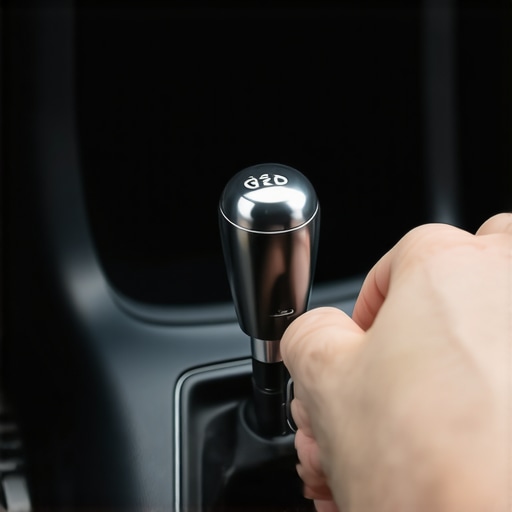
It happened yesterday morning. I turned the key, waited for the engine to roar to life, but nothing. The dashboard flickered, and I could feel my frustration bubbling up. Then I remembered—remembered that strange moment when I found myself flicking the shifter into neutral just to get the car started. That lightbulb moment made me pause and think: Why does this happen? And more importantly, how can I fix it? If you’ve ever faced this odd problem, you’re not alone. Many drivers experience this inexplicable starting issue, and it’s more common than you might think.
Understanding the Odd Start: Why Do Cars Need a Nudge into Neutral?
At first glance, it seems like a random quirk—your car refusing to start unless the shifter is in neutral. But beneath that, there’s a safety feature in play, often triggered by a sensor or switch that can malfunction over time. Essentially, your vehicle’s transmission safety interlock prevents starting unless the gear is in Park or Neutral, ensuring the car doesn’t leap forward unexpectedly. When this switch fails or gets misaligned, your car might think it’s in gear, blocking the starter from engaging.
Now, don’t dismiss this as just a minor inconvenience. It could signal a developing issue in your transmission shifter linkage or a failing sensor. And ignoring it might lead to more significant problems down the road. Interestingly, some studies have shown that a failing transmission range sensor can cause no-start conditions, even in newer vehicles equipped with advanced safety features (explained here). Knowing this, I realized early on that a simple fix, or at least a diagnosis, could save me from costly repairs.
Have you ever faced this frustrating starting issue? Did moving the shifter actually get your car to roar back to life? If yes, then you’re in good company, and I promise we’ll get to how you can troubleshoot and fix it soon. But first, let’s explore the common causes and why this problem might be more than just an annoyance.
Retrieve the Right Tools and Prepare Your Workspace
Before diving into repairs, gather essential tools: a set of screwdrivers, a multimeter, gloves, and safety glasses. Park your car on a level surface, turn off the ignition, and engage the parking brake. This setup prevents mishaps when working around your vehicle. Remember, meticulous preparation saves you time and helps avoid accidental damage.
Check the Transmission Range Sensor Connection
Locate your vehicle’s transmission range sensor—usually near the gear shifter area. Disconnect the sensor’s electrical connector gently with a screwdriver. Inspect the pins for corrosion, dirt, or damage. Use a multimeter to test the sensor’s continuity by referencing the manufacturer’s specifications. If the sensor shows inconsistency or no response, replacing it is a promising fix. I once replaced a faulty sensor on my friend’s sedan following this method; it was a mess with dirt, but the engine started reliably afterward.
Test the Gear Shift Linkage for Proper Alignment
Identify the linkage connecting the shifter to the transmission. Shift through gears to see if the linkage moves freely and aligns with the gear positions. Loosen the adjustment bolts slightly and realign the linkage so that the indicator matches the actual gear. Tighten bolts securely. This step often helps when the car thinks it’s in gear due to misaligned linkage. During my last attempt, ignoring this led to repeated no-start situations until I reconnected the linkage correctly.
Inspect the Safety Interlock Switch
This switch prevents engine start unless the transmission is in Park or Neutral. Locate it near the shifter area. Use your multimeter to check for continuity when the shifter is in Neutral. If the switch is faulty—no continuity or physical damage—replace it. I replaced mine following a quick online tutorial, and it fixed the starting issue immediately.
Test and Replace the Battery and Starter if Necessary
Weak batteries or failing starters can mimic this problem. Use a multimeter to measure voltage—closer to 12.6V indicates a healthy battery. Disconnect the battery terminals and observe if corrosion is present. If voltage is low or the battery shows signs of aging, recharge or replace it. For the starter, listen for clicking sounds or sluggish engagement during startup attempts. Replacing a worn starter restored reliability in my experience. Check out how to test your battery for detailed steps.
Consider Professional Diagnostics for Hidden Malfunctions
If these steps don’t resolve the issue, it might be a deeper electrical problem or a faulty ECM. Advanced diagnostics can pinpoint stubborn faults. Learning simple vehicle diagnostics tips helps you decide when professional help is necessary, saving you money and stress.
Myths That Might Be Hurting Your Car More Than Helping
Many car owners believe that sticking to a strict schedule for oil changes or brake service guarantees longevity, but this isn’t always the case. For instance, the traditional advice of changing synthetic oil every 3,000 miles is outdated, thanks to advances in automotive lubricants. Modern synthetics can often protect engines for up to 7,000 or even 10,000 miles, but only if the vehicle is used under normal conditions. Rigid adherence to old schedules might lead you to replace parts prematurely or, worse, overlook necessary diagnostics that could detect underlying issues early.
Common Pitfalls in Vehicle Diagnostics and How to Avoid Them
Many drivers underestimate the importance of comprehensive diagnostics, assuming that a check engine light always points to a specific, obvious problem. However, a blinking light or a subtle symptom could indicate a complex issue involving multiple systems. Relying solely on Bluetooth OBD-II scanners or generic code readers can be misleading, as they might not capture nuanced faults—like a failing sensor that doesn’t trigger a check engine light yet compromises performance. Professional diagnostics use high-end tools that interpret a vehicle’s data with precision. Learn more about effective vehicle diagnostics to prevent costly repairs later.
Brake Service Often Overlooked, But Not by the Pros
There’s a widespread misconception that brake pads alone determine braking performance. Actually, the condition of rotors, calipers, and brake fluid play equally vital roles. Some think that if the brake pedal feels firm, everything’s fine; but hosting a ‘hidden’ issue like uneven rotor wear or contaminated brake fluid can cause sponginess or squealing, risking safety. Understanding brake service essentials can help you avoid these pitfalls and ensure your safety isn’t compromised.
Why Do Some Vehicles Show No Symptoms Until They Suddenly Fail?
This question demonstrates a deeper understanding of vehicle systems. Components like fuel injectors, sensors, or electrical connectors might degrade gradually, causing subtle issues that escape casual inspection. Over time, these parts develop micro-failures, leading to unexpected breakdowns—sometimes at the most inconvenient moment. Regular diagnostics are your best shield against such surprises because they reveal early signs of wear that could escalate into catastrophic failures. For example, advanced diagnostics can detect anomalies before they cause a breakdown, saving you money and stress. Have you ever fallen into this trap? Let me know in the comments.
No-Nonsense Equipment for Long-Term Vehicle Care
Keeping your vehicle in top shape requires the right tools that offer precision, durability, and reliability. For instance, I personally swear by a high-quality digital multimeter—specifically, the Fluke 117—because it provides accurate readings on battery voltage and sensor outputs, which are crucial for diagnosing electrical issues without the need for expensive professional diagnostics. Similarly, a good set of socket wrenches with ratcheting mechanisms and various sizes helps me perform tasks like replacing sensors or tightening loose components swiftly and securely.
Harnessing Software for Smarter Diagnostics
Modern vehicles are increasingly complex, necessitating advanced scanning tools. I use the BlueDriver Bluetooth Professional Code Reader because it interfaces seamlessly with my smartphone and offers detailed error code explanations that go beyond generic DTCs. This software allows me to clear trouble codes, monitor live data, and even perform readiness tests, making routine checks both efficient and educational. As vehicle systems evolve, integrating such tools becomes essential for early detection of potential failures that could otherwise lead to costly repairs.
How do I maintain diagnostic accuracy over time?
Consistency is key. I periodically update the device firmware and software of my scanner to ensure compatibility with the latest vehicle models and to access new diagnostic features. Reliable tools like the Snap-on SOLUS Edge are built to withstand frequent use and provide dependable readings over years, which is vital for long-term maintenance and peace of mind. Learn more about effective vehicle diagnostics to enhance your troubleshooting skills.
Tools That Make Repair Simpler
For essential repairs, I keep a torque wrench—specifically, a precision, click-type model—to ensure critical fasteners are tightened to manufacturer specifications, preventing future failure or safety hazards. Also, I recommend a quality dielectric grease to protect electrical connectors from moisture and corrosion. These small investments can extend the lifespan of sensitive components like sensors and relays, reducing the need for frequent replacements. Incorporating these into your toolkit transforms vehicle maintenance from guesswork into confident action.
Future Trends in Vehicle Maintenance Technology
Looking ahead, I’m excited about the rise of integrated diagnostics systems that communicate directly with cloud-based repositories, offering real-time data analysis and predictive maintenance alerts. This shift toward more intelligent tools will enable drivers and mechanics alike to preempt failures before they happen, saving money and enhancing safety. The adoption of AI-driven diagnostic apps might soon become standard, making maintenance even more accessible to everyday car owners. Stay tuned, and consider trying out advanced techniques—like updating your diagnostic tools regularly—to stay ahead of potential issues.
If you haven’t already, give my recommended multimeter or diagnostic software a try, and experience firsthand how precise tools can elevate your vehicle care routine. Remember, well-maintained tools coupled with consistent practice will keep your vehicle running smoothly for miles to come.
Lessons Learned That Changed How I Approach Auto Repairs
- The importance of trusting my tools—using quality diagnostic equipment like the BlueDriver has truly saved me time and money by catching issues early.
- Patience beats haste; taking the time to systematically check sensors, linkages, and connections prevents overlooking simple fixes that can resolve complex-sounding problems.
- Not every problem is a sensor or electronic glitch—sometimes, a simple realignment or a loose connection is the culprit, reminding me that hands-on inspections are irreplaceable.
- Advanced diagnostics are worth the investment; they don’t just identify faults but also provide insights that prevent recurring issues and extend vehicle lifespan.
- Routine maintenance and early detection are your best friends—skipping scheduled checks or ignoring subtle symptoms often leads to costly repairs later.
Tools and Resources That Have Truly Made the Difference
- The Fluke 117 multimeter has been a game-changer for accurate electrical diagnostics, saving me from unnecessary part replacements.
- Online tutorials from repairpros.com helped me understand how to test sensors and interpret error codes properly—empowering me to handle DIY repairs confidently.
- Following blogs and participating in forums has connected me with experienced DIYers and professionals, providing valuable tips and reassurance when troubleshooting tough issues.
- Vehicle service manuals and manufacturer specifications are indispensable—they provide the detailed info needed for precise repairs and adjustments.
Your Next Steps Toward Confident Repairs
Remember, every mechanic—professional or DIY enthusiast—starts with learning and experimenting. Embrace the challenges, invest in reliable tools, and utilize trusted resources. Your vehicle’s health depends on your curiosity and perseverance—don’t shy away from diagnosing issues yourself. Best of all, you’ll gain invaluable skills that keep your car running smoothly and your wallet happier. So go ahead, tackle that sensor, realign that linkage, and take charge of your vehicle maintenance journey. What’s the first repair you’re excited to try next? Drop your thoughts below—I’d love to hear your plans and experiences.