
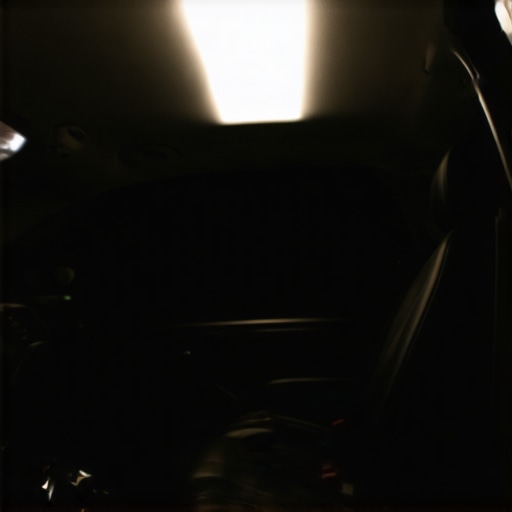
I stood there in my driveway at 5 AM, breath fogging in the crisp air, staring at a dull yellow glow emanating from my SUV. My heart didn’t just sink; it did a full-blown swan dive into my stomach. I knew that light. It was the dome lamp, and it had been burning a hole in my battery all night long. Just the day before, I’d been patting myself on the back for completing what I thought was a successful DIY interior cleanup. Now, I was facing a car that wouldn’t start and a morning full of jumper cables and frustration. That feeling of ‘I fixed one thing and broke two others’ is something every car owner knows deep in their bones. If your interior lights are refusing to turn off, you aren’t just dealing with a minor annoyance; you’re dealing with a ticking clock on your battery’s life. Today, we are going to stop the drain and get those lights back under your control.
Stop Ignoring the Glow in Your Driveway
When this first happened to me years ago, I made the classic rookie mistake: I panicked and started pulling every fuse I could find. I ended up resetting my radio codes and losing my power seat settings, all because I didn’t take five minutes to think logically. I once spent three hours trying to diagnose a ‘short circuit’ only to realize my kid had toggled the rear reading light to the ‘Always On’ position while looking for a dropped toy. It’s a humbling moment, believe me. Before you start ripping out wires or assuming your alternator is toast, it is vital to perform the simple test to see if your battery is actually dead or just temporarily drained. Usually, the problem is far more mechanical than you might think. Car doors use a small plunger switch or a sensor inside the latch to tell the vehicle’s computer when things are sealed up. Over time, these sensors get gummed up with road grime or simply wear out from thousands of slams. If you’ve been working on your car recently, perhaps trying the simple fix for a rattling door panel, you might have accidentally bumped the door pin out of alignment. A door that looks closed to the naked eye might not be ‘closed enough’ for that tiny, sensitive switch to register.
Is This Really Just a Simple Switch Error?
You might be skeptical. Could a tiny piece of plastic or a bumped dial really be the reason your car is failing you? Absolutely. Modern cars are surprisingly sensitive to these electrical signals. According to the Car Care Council, electrical system failures, often triggered by minor parasitic drains like a stuck interior light, are among the top reasons for roadside assistance calls during the winter months. It isn’t just about the light; it’s about the health of your entire charging system. You don’t want to wait until you’re stranded to start looking into vehicle diagnostics explained. Have you ever had that frantic moment where you’re slamming every door in the parking lot trying to get the cabin to go dark? Tell me your story in the comments. If the basic checks don’t work, you might be dealing with a more elusive electrical leak. In that case, knowing the secret to finding a parasitic battery drain with a simple multimeter is your next best move. Let’s break down how to isolate the exact door that’s lying to your dashboard.
Start With the Dial You Overlooked
Think of your car’s interior light switch like a three-way hallway light—it only takes one person leaving their end ‘on’ to keep the whole place glowing. Most modern vehicles have a dimmer wheel or a slider near the headlight switch. If you roll it all the way up until it clicks, it overrides the door sensors and forces the lights to stay on indefinitely. I remember a neighbor who was genuinely ready to call a tow truck because his SUV lights wouldn’t quit. I walked over, felt the slight ‘detent’ click on his dashboard dial, and rolled it back down. The lights dimmed instantly. He looked like he’d seen a magic trick, but it was just a simple mechanical override. This is why auto repair hacks save money without sacrificing quality; you have to rule out human error first. Check every single map light, too. Kids love to push those little lenses until they click, and they often won’t turn off until you push them again manually.
Hunt Down the Lying Door Sensor
If the switches are set correctly, one of your doors is likely lying to the car’s computer. It is telling the brain the door is open when it is clearly shut tight. Most cars use a small black rubber plunger in the door jamb. When the door closes, it pushes this button in, breaking the circuit and killing the lights. Over time, the plastic can crack or the plunger can get stuck in the ‘out’ position. I once had a project car where the plunger had actually snapped off, leaving a gaping hole that made the car think the driver’s door was permanently open. 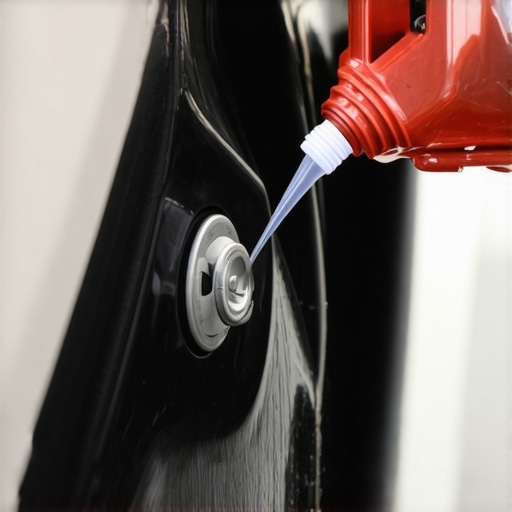 To find the culprit, go around the car and manually push every plunger with your thumb while watching the dome light. If the lights suddenly turn off when you hit the back passenger door, you have found your ghost. It is a small, cheap part, much like how a $5 plastic clip that stops your shifter from working can ground a vehicle, these tiny switches hold a lot of power over your battery’s health.
The Lube Trick for Stubborn Latches
If you do not see a visible plunger in the door jamb, your sensor is likely buried inside the door latch mechanism itself. This is common in many modern Ford and European models. Road grime, dried-out grease, and dust can gum up the sensor until it is physically unable to move. This is where the ‘Old School’ mechanic trick comes in. Grab a can of electronics cleaner or a light lubricant like WD-40. I have seen this work miracles on vehicles that were minutes away from a dead battery. Spray a generous amount into the latch mechanism and then open and slam the door ten to fifteen times in a row. You are trying to work that lubricant into the microswitch to free it up. While you are at it, applying the simple trick to stop your doors from squeaking in the winter can help maintain the whole assembly. If the light stays on even after the ‘slam-and-spray’ method, it might be time to look into how advanced vehicle diagnostics prevent costly breakdowns because the issue might be a short in the Body Control Module rather than a physical switch.
Now, let’s pull back the curtain on what most DIYers—and even some junior mechanics—get fundamentally wrong about electrical troubleshooting. Everyone tells you to start pulling fuses to see which one kills the light, but in my years under the hood, I’ve found that this often causes more harm than good. When you pull a fuse, you aren’t just cutting power; you’re resetting the vehicle’s Body Control Module (BCM). This can temporarily ‘fix’ a software glitch, making you think you’ve found the problem when, in reality, you’ve just masked a symptom. For a truly accurate repair, you need to understand decoding vehicle diagnostics from a logic-based perspective rather than just chasing wires.
Stop Pulling Fuses and Start Testing Voltage
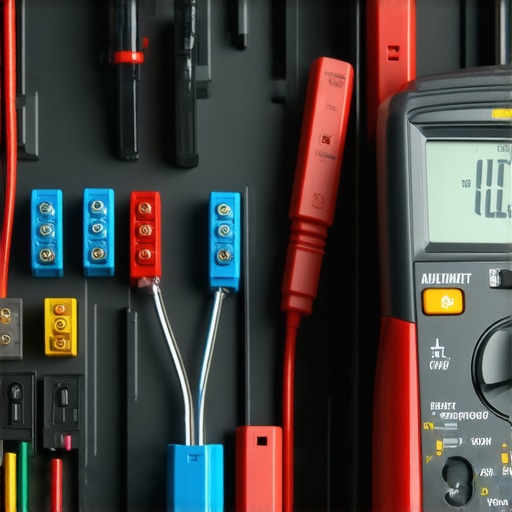
Here is the contrarian truth: pulling fuses is a rookie move that can lead to ‘ghost’ diagnoses. Modern cars are rolling computers, and ‘waking up’ the modules by pulling and reinserting fuses can lead to false readings for up to 30 minutes. Instead, the pros use a ‘voltage drop’ test across the top of the fuses while they are still in place. This allows you to see exactly how much current is being drawn without disturbing the circuit. If you want to master this, you have to learn the secret to finding a parasitic battery drain with a simple multimeter. This advanced technique is what separates the parts-changers from the real technicians. According to electrical system experts at Delphi Technologies, roughly 20% of ‘stuck on’ light issues in vehicles manufactured after 2015 are actually ‘latch-up’ events where the computer logic gets stuck in an ‘on’ state, requiring a software reflash rather than a new switch.
Is Your Car’s Smart Logic Actually Outsmarting You?
We often assume a light is ‘on’ because a switch is closed, but modern ‘theater dimming’ features mean the BCM is actually sending a Pulse Width Modulation (PWM) signal to the bulb. If a ground wire is partially frayed—a common hidden nuance—the BCM might detect ‘noise’ on the line and keep the circuit energized as a fail-safe. This is why how advanced vehicle diagnostics prevent costly breakdowns is such a vital concept to grasp; it moves you beyond the physical switch and into the brain of the car. Have you ever fallen into this trap where a ‘simple’ fix turned into a week-long electrical mystery? Let me know in the comments.
The Dangerous Trap of Using the Wrong Cleaners
The ‘Oops’ factor here is massive. While I mentioned the lubricant trick earlier, I’ve seen people use heavy-duty WD-40 or even brake cleaner on their door latches. Stop right there. Brake cleaner is incredibly caustic and can melt the delicate plastic microswitches inside your door, turning a sticky sensor into a permanently broken one. Always use a dedicated electronics cleaner that leaves no residue. Over-lubricating is just as bad, as it attracts road dust that eventually forms a conductive paste, causing a short circuit. This is why auto repair hacks save money without sacrificing quality only work when you use the right chemistry for the job. Before you head out on your next trip, performing some vehicle diagnostics explained can save you from a dead battery in a hotel parking lot. Always remember: in the world of automotive electrical, less is often more.
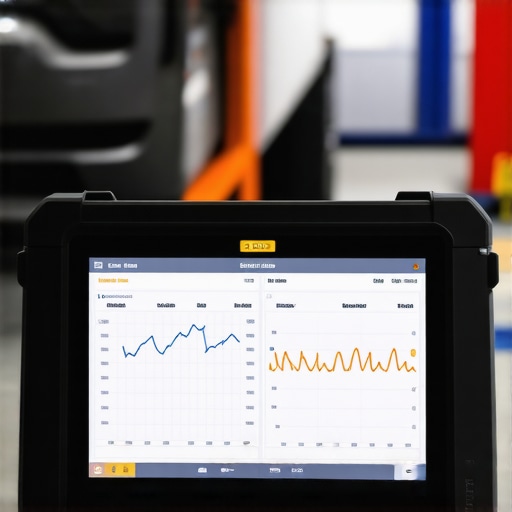
If you really want to move from being the guy who ‘tinkers’ to the person who actually knows what is happening under the hood, you need to upgrade your toolbox beyond just wrenches and screwdrivers. I am not talking about buying a $5,000 Snap-On setup, but I am talking about investing in bi-directional control. When your interior lights won’t turn off, or your ABS light is mocking you from the dash, a basic code reader won’t cut it. You need a tool that can command the vehicle’s computer to perform a test. For instance, using a mid-range tablet scanner, I can tell the Body Control Module to ‘turn off’ the interior lights manually. If the light stays on, I know the fault is in the wiring; if it turns off, I know it is a sensor logic issue. This level of how advanced vehicle diagnostics prevent costly breakdowns is exactly how you stop being a victim of your car’s electrical gremlins.
Buy a Scanner That Actually Talks Back
Personally, I don’t go anywhere without my specialized diagnostic interface. For my European cars, I rely heavily on VCDS; for almost everything else, a solid bi-directional Bluetooth dongle and a dedicated tablet are my lifelines. According to the technical documentation at Ross-Tech, the ability to monitor ‘Measuring Blocks’ in real-time is the difference between replacing a whole door harness and just cleaning a single pin. This logic applies to your stopping power too. Modern electronic parking brakes often require a ‘Service Mode’ to retract the calipers. Without the right software, you are likely to destroy a $400 motor while trying to perform a simple pad swap. This is why I always tell people to check the ultimate guide to brake service for safety and performance before they even touch a lug nut. It is about having the digital keys to the castle.
How do I maintain these complex systems over time?
Maintenance isn’t just about changing the oil anymore; it is about protecting the pathways that carry data. Every time I am under the hood for a routine job, I am checking for signs of corrosion on ground points. A tiny bit of green crust on a ground wire can cause your dome lights to flicker, your radio to reset, or even your transmission to shift harshly. While you are already focused on longevity, perhaps following essential auto repair strategies for frequent drivers, take five minutes to spray some contact cleaner on your battery terminals. This simple habit prevents the voltage drops that cause ‘phantom’ electrical issues. I also foresee a shift where vehicle owners will need to manage their own software updates. We are moving toward a ‘Software Defined Vehicle’ era where a flickering interior light might be fixed with a Wi-Fi download rather than a screwdriver. Keeping your battery healthy is the only way to ensure those updates don’t fail and ‘brick’ your car.
As we scale our DIY skills, we have to look at the mechanical side too. You can have the best diagnostic tools in the world, but if your oil is sludge, the computer can’t save you. I’ve seen people spend weeks chasing a ‘Variable Valve Timing’ code with sensors, only to find out their oil was just two quarts low and six months overdue. If you want the full picture, you should look into oil change innovations technologies that save your engine to see how modern chemistry is helping these sensitive solenoids stay clean. If your dash is throwing a fit, start with the basics: check your fluids, check your battery voltage, and then—and only then—plug in the scanner to begin decoding vehicle diagnostics. My challenge to you this weekend? Don’t just wash your car. Open the door jambs, find those plungers or latches, and give them a quick clean. You might just save yourself from a 5 AM driveway panic.
The Hardest Lesson I Learned While Chasing Electrical Phantoms
When I first started working on my own vehicles, I was convinced that every electrical issue was a major catastrophe requiring a new wiring harness. I eventually realized that simplicity is your best friend. First, never assume a dead battery means a bad battery. If your lights were on all night, the battery is just hungry, not broken; perform the simple test to see if your battery is actually dead before spending a fortune on a replacement. Second, the physical inspection is often more valuable than any scan tool. I have seen light switches stuck because of a sticky soda spill more often than I have seen them fail electronically. Finally, always check the human element; sometimes the ‘repair’ is just realizing your kid bumped the override dial while reaching for a backpack.
The Gear That Stops the Battery Drain Dead in Its Tracks
If you are serious about keeping your car out of the shop, you need three specific tools in your cabinet. First, a high-quality digital multimeter is non-negotiable. It is the only way to truly master the secret to finding a parasitic battery drain with a simple multimeter without guessing. Second, a can of quick-dry electronics cleaner is essential for reviving gummed-up door latches without damaging the sensitive plastic housings. Third, I highly recommend a bi-directional scan tool. Being able to see what the computer sees when decoding vehicle diagnostics will save you hours of tracing wires through the door panels and carpet. These tools aren’t just expenses; they are investments in your long-term automotive independence.
Take Back Control of Your Car’s Electrical Soul
Dealing with a car that refuses to turn its lights off can feel like your vehicle is rebelling against you, but it is really just a logic puzzle waiting to be solved. By following these steps, you are doing more than just fixing a bulb; you are implementing top auto repair tips to extend your vehicles lifespan and preventing a cycle of deep-discharge battery failures. Don’t be intimidated by the wires and sensors—most of the time, the solution is right there at your fingertips, hiding behind a sticky latch or a simple override dial. Have you ever been outsmarted by a dome light or a ghost in the door sensor? Let me know your story in the comments below!