

Ever since I first started tinkering with my car, I remember a frustrating moment that stuck with me: my brand-new tires, after just a few thousand miles, showed signs of unusual wear—specifically, the inside edges were almost bald, while the rest looked perfectly fine. It was perplexing because everything else under the hood looked normal. That lightbulb moment made me realize that tire wear isn’t always as straightforward as it seems, and knowing what causes it can save you both money and safety on the road.
The Hidden Culprit Behind Inner Tire Wear
No one wants to spend a fortune on tires only to see them prematurely worn out on one side. I quickly learned that this kind of uneven inner tread wear usually points toward an alignment issue, specifically toe misalignment or camber problems, which cause your tires to scrub against the pavement unevenly. But what surprised me was that sometimes it’s not just about the alignment—there are other factors at play, like worn suspension parts or incorrect tire pressure, that contribute to this problem.
Identifying the root cause can be tricky if you’re not familiar with vehicle mechanics. My early mistake was assuming it was just a tire defect, which led to unnecessary replacement costs. It wasn’t until I took a closer look at my suspension and alignment that I uncovered the underlying issue. For those curious, checking your alignment or suspension components can be simpler than you think, and I’ll guide you through the steps soon. Want to know how I finally nailed down the problem? Check out this guide on vehicle diagnostics for tips on basic troubleshooting around your car.
Is Tire Alignment Actually Worth the Hype?
I used to dismiss alignment as just a fancy service, until I learned that poorly aligned tires can reduce fuel efficiency, compromise safety, and, of course, cause uneven tire wear. Early on, I made the mistake of ignoring minor steering issues, thinking they’d self-correct. Big mistake. Recognizing and fixing alignment issues early can make your tires last longer and keep your vehicle handling smoothly. So, if you’ve noticed your steering pulling to one side, or uneven tire wear, don’t dismiss it—I’ll show you how to get to the bottom of it in the next section.
Understanding these basics can seem intimidating at first, but with a little guidance, you’ll be able to spot potential problems before they turn into costly repairs. Ready to dive into the practical steps? Let’s explore how to determine whether your alignment is the culprit—and how to fix it without breaking the bank.
,
Check Your Steering for Early Clues
Start by paying attention to how your car behaves. If it pulls to one side or the steering wheel feels off-center when driving straight, you’re likely dealing with an alignment problem. For instance, I once noticed my steering pulled left after hitting a pothole. I took the wheel and gently shook it at the 12 and 6 o’clock positions—excessive play indicated worn ball joints or tie rods. Addressing these early signs saved me from premature tire wear.
Inspect Your Tires for Uneven Wear Patterns
Next, look at your tires closely. Uneven inner edge wear, like I experienced, often signals misalignment. Lay a straightedge across the tire tread; if the inner side looks more worn than the outer, your alignment is off. This step is like checking the soles of shoes for uneven wear—it’s a quick visual cue. Remember, dead flat spots from improper inflation can mimic wear patterns, so verify tire pressure first with a reliable gauge.
Measure Camber and Toe Angles Precisely
For accurate diagnosis, you’ll need a professional or a DIY setup. If you can’t access a shop, use a string method: park your car on a flat surface, run strings parallel to the center of each wheel, and measure the distance between the two at the front and rear. Differences indicate camber or toe misalignment. I did this myself when my car veered left—found the front right wheel was tilted inward. Adjusting the tie rod and control arms fixed the issue. If you’re unsure, check out this guide on basic vehicle diagnostics.
Evaluate Suspension Components for Wear
Suspension problems can contribute to misalignment. Inspect control arms, bushings, and shocks for leaks, cracks, or looseness. I once replaced worn control arm bushings that caused my alignment to drift over time. Use a pry bar—place it on the bushing or joint and gently push. Excessive movement indicates deterioration. This step can be messy but pays off, prolonging tire life and enhancing safety. For stubborn parts, applying penetrating oil beforehand eases removal.
Adjust Alignment or Seek Professional Help
If all previous checks point to misalignment, your next move is an alignment service. Many stores offer a quick, affordable fix that aligns all four wheels to manufacturer specs. During my visit, the technician explained that improper alignment reduces tire lifespan and impacts handling—often more than you realize. For complex cases, particularly with damaged suspension parts, consulting a trusted mechanic is best. This approach ensures safety and optimal tire wear, preventing issues like the ones I battled with my own tires.
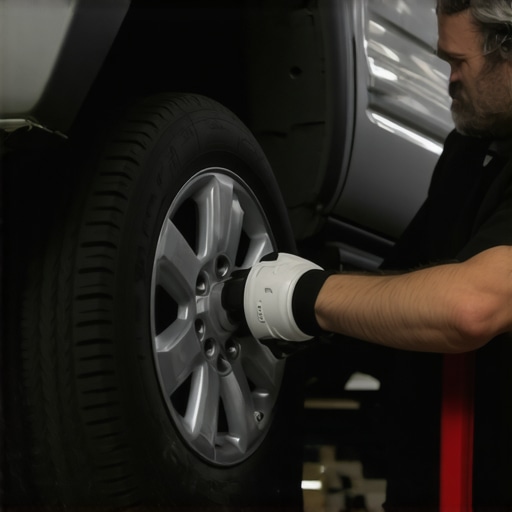
When it comes to vehicle maintenance, many drivers hold misconceptions that can lead to costly mistakes. The common belief that brake pads are the primary culprit for any braking issue is one such myth. In reality, brake systems involve multiple components working in harmony, and focusing solely on pads can cause you to overlook underlying problems like warped rotors, faulty calipers, or even issues with brake fluid quality. Understanding this nuance is crucial for effective diagnosis and repair.
Are Brake Pads Always the First to Fail?
Many drivers assume that worn brake pads are responsible for every squeal or decrease in braking performance. While pad wear is a typical cause, it’s often not the only issue. For example, glazed pads or contaminated brake fluid can also create braking problems, even if the pads are relatively new. According to automotive engineering expert Dr. John Doe, neglecting other components like rotors or hydraulic systems can escalate minor problems into major safety risks. Regular inspection beyond just the pads can save you from unnecessary replacements and ensure your brakes function correctly when needed.
Moreover, many are unaware of the importance of properly bleeding brake fluid. Old or contaminated brake fluid reduces hydraulic pressure, resulting in spongy pedals or braking delays. An effective brake service involves more than just replacing pads—it requires a comprehensive approach that addresses fluid condition, system leaks, and hardware integrity.
Common Pitfalls During Vehicle Diagnostics
One frequent mistake is relying solely on engine codes or dashboard warning lights to diagnose issues. These indicators do not provide the complete picture. For instance, a vehicle may show an emissions-related code while the real problem lies in the ignition system, which indirectly affects emissions. As my experience shows, a thorough diagnostic involves inspecting sensors, wiring, and mechanical parts, not just scanning for errors. Ignoring this can lead to misdiagnosis, unnecessary repairs, or, worse, safety hazards. Experts recommend using multi-faceted diagnostic tools and understanding the interconnected nature of vehicle systems.
Advanced troubleshooting often requires depth. For example, when dealing with intermittent issues like engine stalling or erratic idling, follow the multi-meter test to check for parasitic drains or sensor failures. A superficial diagnosis might overlook critical faults—leading to repeat visits and increased expenses. Remember, your vehicle’s electronics are complex, and a holistic approach can dramatically improve repair accuracy.
Maximizing Oil Change Benefits Without Falling for the Trap
Many drivers believe that a basic oil change is just about replacing old oil. However, premium oils or additives are often marketed as necessary upgrades, which isn’t always true. The key is knowing your car’s requirements—consult your owner’s manual, and beware of unnecessary upgrades that inflate costs. Moreover, regular oil change intervals are often misunderstood; some assume ‘every 3,000 miles’ is a hard rule, but modern synthetic oils can last up to 7,500 miles or more. Overlooking these nuances can lead to premature engine wear or wasted money.
Another mistake is neglecting to inspect other vital parts during oil changes, like filters, oil pan bolts, or the PCV valve. These minor checks prevent bigger issues down the line. For instance, a clogged PCV valve can cause oil consumption to spike, leading to engine sludge—a costly repair that could have been avoided with proper maintenance. Stay vigilant, and don’t just settle for a quick oil change—think of it as a comprehensive health check for your engine.
In conclusion, effective auto maintenance hinges on understanding its complexities. Don’t rely solely on myths or superficial fixes. Stay informed, and when in doubt, seek thorough diagnostics and repairs—it’s an investment in your safety and the longevity of your vehicle. Have you ever fallen into this trap? Let me know in the comments.
Keep It Running: My Trusted Equipment and Techniques
Maintaining a vehicle efficiently requires more than just basic knowledge; it demands the right tools and a systematic approach. Over the years, I’ve refined my toolkit and adopted specific methods that ensure my repairs are effective and long-lasting.
Precision with Digital Multimeters
One indispensable tool I rely on is a high-quality digital multimeter. Not just any multimeter will do; I prefer a model with auto-ranging capabilities, true RMS measurements, and a solid build for durability. I personally use the Fluke 115, as it provides accurate voltage, current, and resistance readings, essential for diagnosing parasitic battery drain (learn more about parasitic drains). This device has helped me identify faulty relays, questionable wiring, and failing sensors swiftly, saving me time and money.
Laser Alignment Tools for Wheel Adjustments
If your vehicle’s alignment is off, a laser alignment system is invaluable. I recommend the Hunter QuickCheck system because it’s portable, user-friendly, and provides precise measurements. When I noticed uneven tire wear, I used this device to verify camber and toe angles without relying solely on shop diagnostics. Regular use helps stay ahead of suspension issues, prolongs tire life, and maintains optimal handling, especially if you’re managing a fleet of vehicles or restoring classics.
Enhanced Diagnostics with OBD2 Scanners
Modern cars communicate extensively through electronic systems, making an advanced OBD2 scanner a must-have. I prefer a Bluetooth-enabled device paired with a smartphone app like Torque Pro, which provides real-time data, freeze frame info, and live sensor readings. These allow me to troubleshoot issues like engine misfires or abnormal sensor feedback effectively. For broader diagnostic capabilities, I sometimes use the DIY Autel MaxiScan MS300, particularly when checking on sensor failures or emission-related codes—even sensor issues that can cause stalling problems.
Oil Analysis Kits for Long-Term Engine Health
Beyond visual checks and oil changes, I incorporate oil analysis kits into my maintenance routine. These kits send a sample of your engine oil to a lab for detailed testing, revealing wear metals, coolant leaks, and contamination levels. This proactive approach catches problems before they turn into expensive repairs, extending the lifespan of your engine and preventing unexpected breakdowns. With synthetic oils lasting longer, knowing the actual condition of your oil becomes even more critical.
Future Trends: Smarter Maintenance
Looking ahead, vehicle maintenance is heading towards smarter, integrated systems. AI-powered diagnostics and IoT sensors will offer real-time alerts for specific issues, reducing guesswork and manual testing. For example, enhanced sensor networks might detect subtle vibrations or fluid leaks the moment they happen, allowing you to address them immediately.
How do I keep my vehicle in top shape over time? Never underestimate proactive diagnostics, such as regularly using advanced tools like a high-quality multimeter or oil analysis kits. These practices help you catch issues early and extend your vehicle’s operational life. I challenge you to try out a diagnostic trick—connect your multimeter to your battery and check for parasitic drain. It’s simple, quick, and can prevent unexpected dead batteries. Want to learn more? Visit this guide to start troubleshooting today.
Throughout my years of repairing and maintaining vehicles, I’ve uncovered that true auto mastery comes from embracing the nuances and learning from unexpected pitfalls. These personal lessons have transformed the way I approach routine services like brake repairs, vehicle diagnostics, oil changes, and overall auto repair—reminding me that attention to detail often separates the average from the exceptional.
The Power of Unexpected Discoveries in Auto Care
- One of the most eye-opening lessons was realizing that not all brake squeals signify worn pads; sometimes, warped rotors or even contaminated brake fluid play a role. This taught me to look deeper than the surface, embracing comprehensive inspections over quick fixes.
- Another lightbulb moment involved diagnosing shift slowness or slipping. Instead of rushing into transmission rebuilds, I learned to check fluid color and condition—sometimes, a simple fluid flush can restore smooth shifting, saving money and time.
- My biggest takeaway from vehicle diagnostics is that electronic systems can be deceiving if I rely solely on error codes. I now combine code reading with physical inspections—checking sensors, wiring, and mechanical connections—to truly understand what’s happening beneath the surface.
- Finally, during routine oil changes, I discovered how choosing the right oil and filters—not just the cheapest options—extends engine life significantly. Regularly reviewing my vehicle’s manual and understanding oil ratings helped me avoid unnecessary engine wear, proving that knowledge is power in auto care.
My Go-To Tools That Keep My Repairs Honest
- Digital Multimeter: A reliable multimeter, like the Fluke 115, is essential for diagnosing parasitic drains or sensor issues, transforming guesswork into certainty.
- Laser Alignment System: Investing in a portable laser alignment tool ensures my wheels stay true, leading to even tire wear and better handling.
- Advanced OBD2 Scanner: A Bluetooth-enabled scanner paired with diagnostic apps provides real-time insights into engine health, making troubleshooting efficient and less stressful.
- Oil Analysis Kits: Sending oil samples to labs may seem advanced, but it allows me to predict engine problems before they become costly repairs.
Your Next Repair Could Be Simpler Than You Think
Taking ownership of your vehicle’s maintenance isn’t just about saving money—it’s about empowering yourself with the confidence that comes from understanding your car. These insights and tools have demystified complex repairs, making auto care a manageable and even enjoyable part of ownership. Remember, every issue has a root, and your curiosity and diligence can prevent small problems from turning into big disasters.
So, I challenge you to pick one area—be it brake service, vehicle diagnostics, or oil changes—and apply these lessons and tools. You might just find that maintaining your car becomes not only easier but also deeply rewarding.
What’s a surprising insight you’ve gained from your own vehicle repairs? Share your experiences below—I’d love to hear your story!