

Ever had that uncomfortable jolt when you shift your car into drive? One minute you’re gently easing into the traffic, and the next, your vehicle suddenly lunges forward like it’s had a caffeine overdose. That sudden surge not only jolts your nerves but also makes you question what’s going on under the hood. I remember the first time it happened—to me, it was downright startling, and honestly, a bit embarrassing at the busy intersection. It felt like my car was suddenly eager to jump into action without warning.
Understanding That Unexpected Lunge
This isn’t just a quirky quirk; it’s a warning sign that something’s off with your car’s transmission, throttle, or internal sensors. Many drivers brush it off as normal—even dismissing it as just how their car is—until it leads to bigger problems or costly repairs. The good news? Once you understand the root cause, you can often fix it yourself or at least communicate better with your mechanic.
Could Your Car Be Trying to Tell You Something?
That sudden forward jerk can be caused by various factors, like a worn-out transmission control module, a malfunctioning throttle position sensor, or issues with your vehicle’s drive-by-wire system. Early on, I made the mistake of ignoring minor surges, thinking they were just quirks. But I quickly learned that overlooking small symptoms can escalate into bigger, more expensive repairs. If you’d like to dive deeper into common causes, check out why your car pulls left even after alignment to understand how various sensors and alignment issues can play a part.
So, why is this happening now? With newer vehicles featuring complex electronic systems, even minor sensor glitches can cause noticeable surges. Recognizing these early warning signs can save you from unexpected breakdowns and big bills. Now, let’s explore the common culprits behind that lunging feeling—and more importantly, how you can address them before they become a nightmare.
Diagnose the Root Cause with Precision
Start by inspecting your vehicle for obvious signs like uneven tire wear or fluid leaks. Use a code scanner to check for stored error codes, focusing on sensors related to throttle and transmission systems. Remember, many issues stem from faulty sensors that don’t trigger the check engine light; consulting sensor failures without warning can provide valuable clues.
Test Sensors and Connections Carefully
Physically examine the throttle position sensor and related wiring harnesses for corrosion, loose connections, or damage. Disconnect and reconnect connectors to ensure a solid contact—think of it like resetting a loose plug in your home’s wiring. I once found a slightly corroded connection that caused intermittent surges; a quick cleaning with a contact cleaner did the trick and saved me from a costly repair.
Perform a Controlled Cleaning of Critical Components
Deep-clean sensors or throttle bodies if deposits are present. Use an appropriate cleaner—model-specific, not just generic spray. For example, I used a throttle body cleaner on my car and noticed immediate smoother idling afterward. Simulate driving conditions to observe how the system responds, ensuring that no surges occur during acceleration or deceleration.
Update or Replace Faulty Parts
If diagnostics point to a faulty throttle position sensor or transmission control module, consider replacing these parts. When I replaced my sensor, I matched the part number precisely and ensured the new one was OEM, which prevented subsequent surges. Always test drive afterward to verify the fix’s effectiveness. Additionally, check whether your car’s transmission is slipping or misbehaving; often, a worn transmission control module can be at fault—more info can be found here.
Refine Your Vehicle’s Electronic System
In the era of drive-by-wire cars, software updates can resolve lingering glitches. Use manufacturer-specific tuning tools or visit a professional for firmware updates. During one such update, I experienced a notable improvement in gear shifts and disappearance of lunging sensations. Keep an eye on the vehicle’s ECU for recent recalls or updates that might address common sensor errors.
Inspect and Calibrate Mechanical Components
Beyond electronics, mechanical parts like linkage and throttle cable, if applicable, should be checked. Tighten or replace worn bushings and cables. I once had to replace a worn throttle cable that was causing erratic acceleration; this mechanical fix complemented my electronic diagnostics perfectly. Also, confirm the alignment and suspension components, as misalignment can sometimes accentuate perceived surges—more details here.
Implement Preventative Maintenance
Regularly replace oil and filters following your vehicle’s schedule—see myth of 10,000-mile oil changes. Keep sensors clean and free of debris, and perform periodic checks of electronic connections. These small steps prevent buildup and corrosion, ensuring your car responds smoothly every time you shift into gear. Remember, consistent diagnostics and maintenance are your best allies against unexpected lunges on the road.
In the world of vehicle maintenance, many drivers operate under misconceptions that can cost them time and money. While basic understanding is widespread, the nuanced realities often trip up even experienced car owners. Let’s debunk some myths and highlight advanced mistakes that are less obvious but equally critical to your vehicle’s health.
Are All Oil Changes Created Equal?
Many believe that sticking to the 3,000-mile oil change rule is universally best. In reality, modern engines and synthetic oils allow for much longer intervals, often up to 7,500 or even 10,000 miles—contrary to popular myth. Over-occasional oil changes can lead to unnecessary costs and waste, but under-maintenance risks engine wear. Experts agree that following manufacturer recommendations, considering your driving conditions, and understanding oil quality are key. For instance, using high-mileage synthetic oil inappropriate for your engine can induce leaks instead of preventing wear.
Additionally, many overlook the importance of oil filters’ role beyond filtration—poor quality filters or incorrect installation can restrict oil flow and cause damage. Remember, not all filters are equal, and opting for an OEM filter often provides better filtration and longevity.
Auto Repair Myths You Should Watch Out For
A common misconception is that all auto repairs are obvious or straightforward, but in reality, many advanced faults require careful diagnostics. For example, an engine misfire during rain might be attributed erroneously to spark plugs, while the real culprit is a failing sensor transmitting false data, like a tiny sensor failure. Jumping directly to part replacement without diagnostic testing can double your expenses.
Another trap involves the idea that cheap parts are always better deals. In truth, they often end up costing more—cheap ignition coils, for example, may fail quickly, leading to increased fuel consumption or engine damage, costing significantly more in the long run. Investing in quality parts not only ensures durability but also maintains vehicle performance.
What About Vehicle Diagnostics—Is It Just a Check Engine Light?
Many drivers think that scanning for error codes is only necessary when the check engine light is on. However, numerous issues—like sensor malfunctions—can silently affect your vehicle’s performance. For instance, sensor failures often don’t trigger warning lights but can cause surging, misfires, or poor fuel economy. Regular diagnostics, even in the absence of warning lights, are essential to catch such hidden issues before they escalate into expensive repairs.
Just as with brake systems—where undetected problems can lead to catastrophic failure—vehicle diagnostics serve as an early warning system. Many mechanics may overlook nuances, such as subtle sensor irregularities, which can be uncovered with advanced testing tools. Staying proactive saves you from unexpected breakdowns and big bills.
In conclusion, understanding these nuances elevates your approach from reactive to preventative. Skip the common misconceptions, invest in quality, and emphasize thorough diagnostics. Are you falling into any of these traps? Tell me in the comments!
Investing in the Right Tools for Auto Maintenance
When it comes to maintaining your vehicle’s performance, having the proper tools at hand makes all the difference. I personally rely on a high-quality digital multimeter for diagnosing electrical issues, especially sensor failures that don’t trigger warning lights. For example, testing your throttle position sensor with a digital multimeter is straightforward—set it to the voltage setting, locate the sensor’s wiring harness, and compare the readings against manufacturer specifications. This precise diagnosis action can prevent unnecessary part replacements, saving you both time and money.
Another indispensable tool is an OBD-II scanner. I prefer a Bluetooth-enabled scanner paired with diagnostic software like Torque Pro, which provides real-time data and full-code reading capabilities. This setup allows me to quickly identify issues with engine sensors, transmission, or brake systems. For instance, if your car pulls to one side even after a professional alignment, scanning for error codes related to wheel speed sensors can reveal hidden problems that might be causing uneven braking or handling issues. Regular use of such scanners keeps minor problems from escalating, ensuring ongoing vehicle health.
How do I maintain optimal vehicle diagnostics over time?
Consistency is key. Regularly updating your diagnostic tools’ software ensures you’re equipped to identify the latest error codes. Also, keeping a maintenance log of error codes and their resolutions helps you spot patterns over time. For example, replacing a sensor like the TPMS or throttle position sensor proactively based on recurring fault codes can prevent sudden breakdowns. Additionally, investing in a vehicle-specific repair manual or subscription service arms you with detailed troubleshooting steps—critical when dealing with complex systems like drive-by-wire or hybrid drivetrains. This ongoing educational approach can be the difference between reactive repairs and preventative maintenance.
Predicting Trajectory in Vehicle Maintenance Technology
The future points toward smarter diagnostic tools integrated with artificial intelligence, enabling predictive maintenance rather than reactive repairs. Imagine a system that analyzes your driving habits, wear patterns on sensors, and real-time data to forecast upcoming failures before they occur. I believe expanding your toolkit with such advanced technology—like AI-enhanced diagnostic apps—will become standard practice in the next decade, significantly reducing unexpected failures and repair costs.
To maximize your vehicle’s longevity, I recommend starting with routine sensor checks using your diagnostic tools. For example, periodically verifying the calibration of electronic throttle bodies can keep your engine running smoothly and avoid surges. Try using your OBD-II scanner to clear stored codes after repairs and monitor if they recur. This proactive approach ensures your vehicle stays responsive and safe on the road, saving you money over the long term.
Remember, the right tools combined with consistent maintenance routines empower you to be your own mechanic. Regular diagnostics and sensor calibration prevent minor issues from snowballing into costly repairs, especially in complex systems like braking and transmission modules. How about scheduling your next sensor test today and see the difference it makes? A little investment in diagnostics can yield big dividends in vehicle performance and safety—so don’t delay testing those critical sensors!
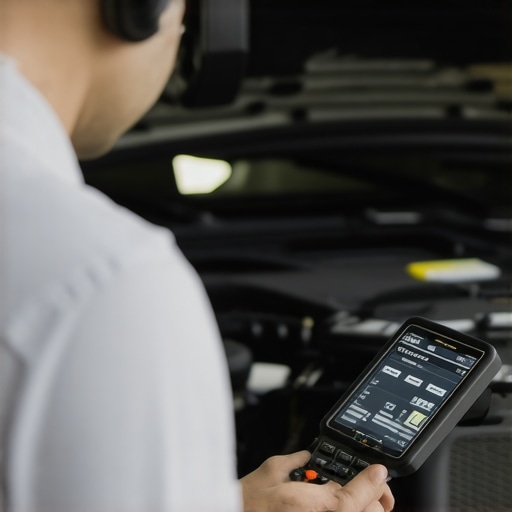
The Hardest Lesson I Learned About Vehicle Diagnostics and Maintenance
One of the toughest lessons I faced was realizing that not every warning sign comes with a clear check engine light. Often, the subtle surges or slight vibrations are just as critical to diagnose early. This revelation taught me the importance of proactive diagnostics and trusting my tools—like my trusty OBD-II scanner—to catch issues before they escalate. Maintaining a vigilant eye on sensor behaviors has saved me both time and money, shaping a mindset that values prevention over repair.
Tools That Truly Make a Difference
Over the years, I’ve come to rely on specific diagnostic tools that provide real insights. A quality Bluetooth-enabled scanner, combined with diagnostic apps, allows me to monitor sensors like the throttle position or transmission control module in real-time. These tools have empowered me to address small anomalies—like repeating error codes—before they turn into costly repairs, especially with complex systems like drive-by-wire or hybrid engines. Equipping myself with the right gadgets transforms maintenance from guesswork into precise action.
Taking Action Before It Becomes a Crisis
The most valuable lesson I’ve learned is to act swiftly on small signs. For example, if I notice my car pulling slightly to one side after an alignment, I delve deeper—checking wheel speed sensors and suspension links—rather than dismissing it. Early intervention often means a simple sensor calibration or cable adjustment, preventing major issues down the road. This proactive mindset is key to ensuring your vehicle stays responsive, safe, and reliable for years to come.