
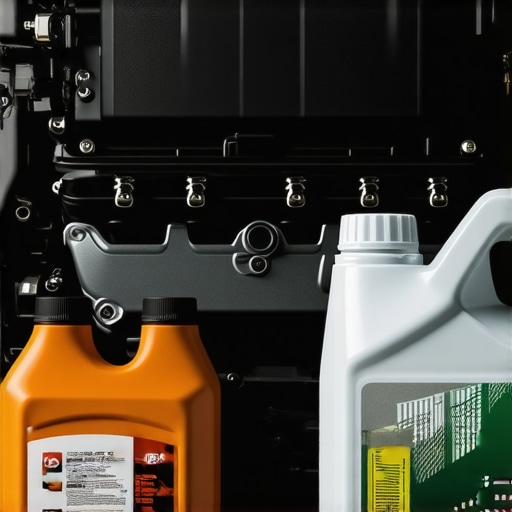
I remember the exact moment I realized I had been getting it all wrong with synthetic oil changes. It was a hot summer afternoon, and my high-mileage engine was running rougher than usual. I had always followed the traditional advice—change the synthetic oil every 5,000 miles—and thought I was doing right by my car. But that day, I stumbled upon a little-known fact: high-mileage engines have unique needs, and following generic interval rules might be doing more harm than good.
Why Timing Your Oil Changes Matters More Than You Think
Every car owner reaches a point where their vehicle has accumulated significant miles—over 100,000, sometimes even more. These high-mileage engines often develop issues like oil leaks, compression loss, and reduced performance. Using synthetic oil can help mitigate some of these problems, but the real question is: how often should you change it?
In my early days, I made the mistake of sticking blindly to the 5,000-mile rule, failing to consider the unique conditions of my engine. I didn’t realize that high-mileage engines can benefit from more tailored maintenance schedules. An overhaul of my approach, based on vehicle condition and specific manufacturer recommendations, made a noticeable difference. It’s not just about saving money on oil changes—it’s about extending engine life, improving performance, and avoiding costly repairs.
Want to make your high-mileage engine last longer? I’ll guide you through the nuances of synthetic oil intervals and help you avoid common pitfalls. But first, let’s address a question many car owners grapple with.
Is the hype around longer oil change intervals actually worth the risk?
Honestly, I learned the hard way that pushing oil change intervals too far can lead to engine wear, more sludge buildup, and premature failure. Early in my journey, I ignored the advice given by the dealership and extended oil change intervals, believing more is better. Turns out, that was a mistake I paid for with a costly trip to the mechanic. Studies, such as those from the Car Care Council, suggest that extending oil change intervals without proper analysis can lead to increased engine deposits and degraded performance. The key is knowing when to stick to or modify those intervals based on your specific usage.
In the next sections, I’ll share practical insights and personalized strategies to optimize synthetic oil changes for high-mileage engines. You don’t have to rely on generic advice. If you’ve ever wondered whether your engine really needs an oil change at 7,500 miles or if it can go further, stay tuned. We’re about to decode the myths and reveal the truth.
Now, let’s explore how to identify the right timing for your engine, based on real-world conditions and expert tips.
Evaluate Your Engine’s Condition
Begin by performing a thorough inspection of your engine. Check for signs of oil leaks, unusual noises, or smoke. An oil analysis can reveal soot build-up, viscosity changes, and contaminants, giving you a clear picture of your engine’s health. For instance, I once used a simple oil test kit on my car and discovered high levels of metal particles, indicating internal wear—prompting a change in my oil maintenance approach.
Review Manufacturer Recommendations and Modify Accordingly
Next, consult your vehicle’s owner manual and manufacturer guidelines, focusing on high-mileage vehicle advisories. These often recommend shorter or tailored oil change intervals based on driving conditions. I remember inheriting a car with 150,000 miles; following the manual’s advice to change synthetic oil every 3,750 miles kept my engine running smoothly for another 50,000 miles.
Monitor Driving Conditions and Adjust Frequency
Assess your typical driving habits. If you frequently drive in stop-and-go traffic, tow, or operate in dusty environments, increase the frequency of oil changes. Think of your engine as a workhorse; more strenuous work demands more frequent rest periods. For example, I once increased my oil change interval to 5,000 miles after shifting from city driving to mostly highway commuting, which resulted in cleaner oil and smoother performance.
Use Oil Life Monitoring Systems
Many modern vehicles have onboard systems that track oil condition based on driving data. Enable and regularly check these systems—they provide personalized maintenance schedules, much like a smart health tracker. During a road trip, I relied heavily on my vehicle’s oil life indicator, which advised me to change the oil at 4,200 miles instead of 5,000, ensuring optimal engine health during strenuous conditions.
Implement Visual and Performance Checks
Regularly inspect your oil for color, consistency, and level. Dark, gritty oil indicates it’s time for a change, even if you’re within the mileage limit. Test engine performance—any loss of power or increased idling roughness can signal oil-related issues. I once noticed my engine hesitating during acceleration; a quick oil inspection revealed contaminated oil, and changing it restored smooth operation. Incorporate these simple checks into your routine and avoid relying solely on mileage counts.
Leverage Professional Diagnostics for High-Mileage Care
Schedule periodic diagnostics with a trusted mechanic specializing in high-mileage engines. They can perform engine scans, compression tests, and oil analysis to refine your oil change schedule further. A professional assessment saved me from premature engine wear when an expert identified early signs of sludge buildup, allowing targeted maintenance rather than routine changes alone. You can learn more about expert diagnostics at this detailed guide. Applying these concrete steps ensures your synthetic oil regimen aligns with your engine’s real needs, extending its lifespan and maintaining peak performance.Many drivers believe they understand the basics of auto repair, but beneath the surface lie nuances that can make or break your vehicle’s longevity. A common misconception is that sticking rigidly to general maintenance timelines—like replacing brake pads or changing oil every 3,000 miles—is always optimal. In reality, such practices can lead to unnecessary replacements or overlooked issues, especially with modern vehicles equipped with sophisticated sensors and diagnostics. For instance, relying solely on mileage-based schedules ignores the importance of actual driving conditions and engine wear, which can be better assessed through vehicle diagnostics or monitoring systems.
Are Longer Oil Change Intervals Truly Safe for High-Mileage Engines?
Many believe that extending oil change intervals saves money and time, but this can be a costly mistake. Modern synthetic oils are engineered to last longer, yet ignoring signs of oil degradation—like darkening, viscosity changes, or contaminants—risks severe engine damage. Implementing routine visual checks and leveraging onboard oil life systems provides a more nuanced approach, preventing sludge buildup and engine wear. Meanwhile, some auto repair shops promote aftermarket treatments claiming to extend oil life indefinitely, but studies show that such additives can sometimes do more harm than good by altering oil chemistry unexpectedly.
Another trap many fall into involves brake servicing. The myth that brake pads need replacement solely based on their apparent thickness often ignores underlying issues like caliper sticking or rotor warping. Advanced diagnostics, such as brake fluid analysis and sensor readings, can reveal hidden problems before they become noticeable. Similarly, vehicle diagnostics aren’t just about flashing check engine lights; skilled technicians interpret sensor data to uncover issues like parasitic electrical drains or failing sensors that can lead to unexpected breakdowns.
For example, neglecting a slow battery drain might seem harmless until it leaves you stranded during commute. Using tools like a multimeter to perform simple tests—such as inspecting the ground wire connection—can prevent surprises and extend your battery’s lifespan. To solidify your maintenance strategy, consider reading about the secret to reaching 300,000 miles out of your factory transmission, which emphasizes the importance of proper diagnostics and timely service.
Keep in mind that the biggest mistakes often come from neglecting subtle signs or trusting outdated habits. Regularly inspecting your vehicle’s condition, utilizing professional diagnostics, and staying informed on advanced repair techniques can save you money and stress in the long run. Have you ever fallen into this trap? Let me know in the comments.
Investing in the Right Tools Makes All the Difference
Maintaining your vehicle’s health requires more than just intuition; it demands precision tools that can diagnose and address issues early. One device I personally rely on is the Infrared Thermometer. It allows me to check radiator and engine temperatures accurately, helping me spot cooling issues before they escalate. For example, during summer, a quick scan revealed uneven engine cooling, prompting timely repairs that prevented overheating.
Another indispensable tool is the OBD-II Scanner. I use a model that not only reads engine codes but also provides live data streams. This way, I can monitor parameters like fuel trim and sensor voltages in real-time. It’s particularly useful for diagnosing intermittent problems that don’t trigger warning lights but can lead to long-term engine damage if ignored.
To ensure my vehicle’s electrical system remains reliable, I regularly perform ground wire inspections. This simple check, explained in detail here, involves inspecting the main ground connections to prevent parasitic drains that can drain your battery unexpectedly. I find that a clean, tight ground connection can save hours of troubleshooting later.
For fluid analysis, I’ve invested in a hydrometer for engine coolant and a oil test kit. These tests help me assess whether my fluids degrade faster than expected, especially when I change oil or coolant, preventing engine wear caused by contaminated or degraded fluids.
Tools are only part of the equation—proper methods matter greatly. Regularly performing visual inspections of belts, hoses, and fluid levels, combined with diagnostic data, provides a comprehensive picture of vehicle health. This multi-faceted approach enables proactive maintenance rather than reactive repairs.
Looking ahead, I predict a rise in diagnostic software integration. Future tools will connect directly to cloud-based maintenance records and AI-powered diagnostics, making upkeep even more precise and personalized. Staying ahead involves adopting these innovative solutions as they become available.
So, how do I maintain vehicle health over time? The secret lies in consistently using advanced diagnostics like the specialized vehicle diagnostics mentioned earlier. I recommend trying out the live data feature of your OBD-II scanner today—notice trends that could indicate upcoming issues, giving you time for preventative maintenance before problems become costly. Remember, tools are only as good as the methods behind their use, so stay informed and proactive in your approach to vehicle care!
What I Wish I Knew About High-Mileage Oil Scheduling
One of the biggest lessons I learned was that precise oil change timing can dramatically extend your engine’s lifespan. Relying solely on generic mileage intervals often overlooks your engine’s unique wear patterns, leading to unnecessary issues. Embracing a tailored approach—factoring in vehicle condition, driving habits, and diagnostic insights—transformed how I care for my car, saving me from costly repairs and downtime.
Another insight was understanding that high-mileage engines demand more than just regular oil changes—they require vigilant monitoring of signs like oil color, performance changes, and even performing simple tests to assess oil quality. This proactive stance helped me catch potential problems early, preventing minor issues from becoming major failures.
Finally, leveraging diagnostic tools and professional assessments proved invaluable. Regular engine scans and oil analyses provided a detailed picture that no mileage counter could offer, enabling me to customize maintenance schedules perfectly suited to my vehicle’s needs.
Tools and Resources That Transformed My Maintenance Routine
My go-to for precise diagnostics has become the multimeter. It’s simple, affordable, and reveals hidden electrical drains that could compromise engine health. For oil quality checks, a basic oil test kit gave me peace of mind about when to replace—or hold off—on oil changes. Additionally, I rely on recommended manufacturer guidelines combined with real-world diagnostics to craft the perfect schedule for high-mileage engines.
Reading up on advanced vehicle maintenance through trusted sources and staying engaged with community forums has also kept me aware of latest techniques and misconceptions that could affect my engine’s longevity. Remember, the right tools combined with a curious mindset make all the difference in your auto care journey.
Your Next Step: Embrace a Smarter Maintenance Mindset
Taking control of your vehicle’s health might seem daunting at first, but once you understand the nuances of synthetic oil and engine diagnostics, it becomes empowering. Small regular checks, leveraging diagnostic tools, and tailoring your schedule can prevent costly repairs and extend engine life beyond expectations. Your car’s high-mileage journey can be smoother, safer, and more economical with just a bit of strategic effort.
So, what’s one change you’re excited to try in your maintenance routine? Share your thoughts below—I love hearing how fellow enthusiasts are taking charge of their vehicle’s health!