
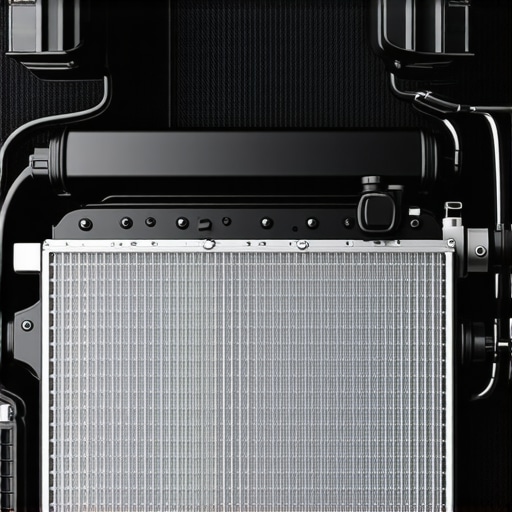
I remember crushing my weekend plans because I noticed a strange, rusty hue bubbling up in my engine’s coolant reservoir. That moment, when I saw that sinister brown tint, felt like a punch to the gut. My first instinct? Panic. But then, I realized it was a warning sign that I couldn’t ignore.
Uncovering the Hidden Dangers of Brown Coolant
Engine coolant is supposed to keep our engines running smoothly and efficiently. When it turns a murky brown, it’s like your car is crying out for help. The discoloration often points to rust, contamination, or even the breakdown of the coolant itself. If left unaddressed, this can lead to severe engine damage, costly repairs, or even breakdowns right when you least expect it.
What struck me early on was how easy it is to overlook the significance of coolant color. I used to think, ‘It’s just a bit dirty. I’ll top it off next oil change.’ That was a rookie mistake. Early on, I neglected to realize that brown coolant isn’t just an aesthetic issue—it’s a red flag. In fact, according to automotive experts, contaminated or rusted coolant can reduce heat transfer efficiency, causing engines to overheat and wear prematurely (source). That’s a lesson I learned the hard way.
Is Brown Coolant Actually Worth the Hype?
Some might dismiss it as minor, but I’ve seen vehicles with similar signs deteriorate rapidly. The question is: should you rush to your mechanic or just add more coolant? That’s where many trips to the shop could have been avoided if I understood what I was dealing with. It’s tempting to ignore that rusty hue, but trust me, it’s a sign your cooling system needs attention—and fast.
If you’re like me, you might wonder what causes this and whether you can fix it yourself. My early mistake was assuming a quick flush and refill would suffice. It’s a tempting shortcut, but it often isn’t enough, especially if rust and debris have built up. That’s why I recommend understanding the causes—and solutions—so you avoid costly repairs down the line. Want to learn how to fix this problem before it spirals out of control? Stick around, because I’ll guide you through the clear, practical steps to get your coolant back into shape, keeping your engine healthy and your wallet happy.
Flush and Drain the Cooling System Properly
My first practical move was to drain the contaminated coolant fully. To do this, I located the lower radiator drain plug, placed a container underneath, and opened it slowly. Flushing the system clears rust, sediment, and debris. Use distilled water to rinse out residual contaminants. Remember, don’t rush—this process is crucial to prevent future blockages.
How to Drain the Radiator Effectively
After loosening the drain plug, let the old coolant flow into a safe container. Once drained, close the plug tightly. This step ensures no old fluid remains that could mix with new coolant, making subsequent repairs more effective.
Choose the Right Coolant and Mixing Ratios
Not all coolants are equal. Opt for a high-quality, compatible antifreeze that prevents rust formation and maintains optimal engine temperature. Mix it with distilled water in the manufacturer-recommended ratio—typically 50:50. Using tap water can introduce minerals that promote corrosion. I learned this when I initially used tap water; my system developed further rust within months.
Mixing Coolant Correctly for Longevity
Pour the coolant mixture into a clean container first, then fill your radiator slowly, ensuring no air pockets get trapped. Bleeding air from the system prevents overheating and coolant loss. Check your vehicle’s manual for the precise procedure for your model.
Perform a System Flush to Remove Rust and Contaminants
I used a commercial radiator flush product to break down rust deposits. With the engine off, pour the flush into the radiator and run the engine for about 10 minutes. Then, drain the system again and rinse thoroughly with distilled water. This step significantly improves coolant circulation and heat transfer efficiency.
Choosing the Best Radiator Flush Product
Select a trusted product designed to remove rust and mineral deposits. Follow the manufacturer’s instructions precisely to avoid damaging seals or components. A thorough flush prevents future discoloration and extends the life of your coolant.
Inspect and Replace Rusted or Damaged Components
While flushing, I noticed corrosion on the radiator cap and hoses. Replacing these components prevents leaks and maintains pressure. Check your system’s radiator, hoses, and water pump for rust, cracks, or weakness. Investing in quality parts now saves money on repairs later.
Where to Find Reliable Replacement Parts
You can source high-quality auto parts from trusted suppliers or directly from a dealership. Ensure replacements meet OEM standards to guarantee compatibility and reliability. Proper maintenance of these parts is key to preventing further rust buildup.
Refill with Fresh, High-Quality Coolant
After flushing and inspecting, refill the system with your prepared coolant mixture. Fill slowly to avoid trapping air. Once filled, run the engine with the radiator cap off to allow air bubbles to escape, then top off to the recommended level.
Testing the System Post-Refill
Start the engine and let it reach operating temperature. Watch for leaks and monitor coolant levels. Use a vehicle diagnostics tool or simply check the temperature gauge to confirm proper operation. If you notice fluctuations or overheating, re-bleed the system as needed.
This practical series of steps turned a messy problem into a manageable maintenance task. When I tackled my brown coolant issue with patience and attention, I prevented potential engine damage and saved myself repair costs. Regular system checks and timely flushes are key to keeping your engine running smoothly and avoiding discoloration in the future.
Many car owners believe that routine maintenance like brake services, oil changes, or diagnostics are straightforward tasks—simply follow the manual, and you’re set. However, as an automotive expert, I can tell you that there’s more beneath the surface. One common misconception is that all brake pads, for example, wear evenly, when in reality, many factors like caliper sticking or uneven rotor wear can cause hidden issues. Overlooking these nuances can lead to premature parts failure or compromised safety.
Why does a simple oil change sometimes fail to prevent engine damage?
Everyone rushes into oil changes, believing it’s all about replacing dirty oil. But many miss the importance of using the right oil formulation and understanding how advanced additives protect your engine. Modern synthetics contain a blend of additives designed to prevent micro-sludge buildup and protect against corrosion—factors critical for engine longevity (source). Skipping this nuance could mean your engine isn’t fully protected, despite regular oil changes.
Another common myth is that vehicle diagnostics are foolproof. On the contrary, many car owners rely solely on dashboard warning lights, unaware that a vehicle’s onboard diagnostics system may not catch every underlying issue. For example, a minor vacuum leak can cause rough idling without triggering a code, leading to missed early signs of engine trouble. That’s why understanding how vehicle diagnostics work is crucial for proactive maintenance.
What about brake service? A popular misconception is that all brake pads are the same, but advanced brake systems now incorporate sensors, high-performance materials, and specific wear patterns. Ignoring these details can cause uneven wear, noise, or even brake failure. For thorough safety, it’s vital to scrutinize components beyond the surface, as discussed in auto repair hacks.
Finally, many overlook the importance of comprehensive vehicle diagnostics before performing repairs. Modern cars contain numerous sensors and modules that communicate complex data. Without advanced diagnostic tools, you risk misinterpreting symptoms or replacing parts unnecessarily, which is counterproductive. Experts recommend combining traditional checks with sophisticated diagnostics to truly understand your vehicle’s health (source).
In summary, the hidden nuances in auto repair and maintenance are vast. Recognizing these factors not only saves money but also enhances safety and vehicle lifespan. Have you ever fallen into this trap? Let me know in the comments and share your experience with overlooked details that made a difference!
Investing in the Right Equipment for Auto Maintenance
When it comes to maintaining your vehicle, having the right tools makes all the difference. I personally swear by a high-quality digital multimeter for diagnosing electrical issues, such as checking the alternator output (source). It’s invaluable for identifying parasitic battery drains or faulty sensors without guesswork. A trusted set of ratchets and socket wrenches, especially those with ergonomic grips, save time and reduce fatigue during tasks like replacing alternators or water pumps. Investing in quality tools means fewer slips and damaged parts, ultimately saving money and frustration.
Additionally, a reliable cooling system pressure tester allows you to identify leaks more efficiently, preventing overheating issues before they escalate. For software diagnostics, I recommend a professional-grade OBD-II scanner with live data capabilities. It provides a nuanced view of your vehicle’s sensors, enabling early detection of potential problems like failing temperature sensors or misfiring injectors. Using advanced diagnostic tools can help you avoid costly repairs by catching issues early, aligning with trends in vehicle maintenance where proactive care is becoming standard (source).
Keep Long-Term Performance with Routine Checks
Implementing regular maintenance routines, such as oil analysis, can extend your engine’s life significantly. Using an oil test kit periodically allows you to monitor for contaminants and additive depletion, which isn’t always evident through routine changes (source). Pair this with a portable infrared thermometer to check radiator and hose temperatures when your vehicle is running, ensuring your cooling system functions optimally. Over time, mastering these tools helps cultivate a hands-on approach, reducing reliance on costly mechanic visits for minor issues and fostering confidence in vehicle care.
Trending Toward Smarter Maintenance—What’s Next?
Looking ahead, the integration of IoT-connected diagnostics and AI-driven analysis promises to revolutionize auto maintenance. Vehicles are increasingly equipped with sensors that automatically alert owners to problems before symptoms appear (source). As these technologies become more affordable and user-friendly, DIY enthusiasts can leverage cloud-based diagnostic platforms and predictive analytics for proactive vehicle health management. The future of auto repair is heading toward intuitive, data-driven practices—expect to see even more sophisticated tools designed to keep your vehicle running smoothly with minimal invasive intervention.
How Do I Maintain Vehicle Diagnostics Over Time?
To stay ahead, develop a habit of checking your vehicle’s onboard systems regularly using an advanced OBD-II scanner. Keeping firmware and software updated ensures compatibility with the latest vehicle models, and pairing your scanner with a smartphone app can provide instant alerts for issues like sensor failures or emission system faults. Consistently reviewing stored codes and live data insights empowers you to spot trends early, avoiding sudden breakdowns. Integrating these habits into your maintenance routine not only prolongs your vehicle’s life but also saves money and stress in the long run. Try using a diagnostic app today and see how early detection can make a big difference.
Lessons Only Experienced Auto Enthusiasts Catch On To
- My biggest surprise was realizing that ignoring the rust in my coolant system was like playing Russian roulette with my engine’s health. It’s a subtle sign, but neglecting it can lead to a breakdown that ruins your entire day—and your wallet.
- Understanding that not all coolants are created equal truly opened my eyes. Using the right type and mix is the difference between a smooth-running engine and costly corrosion. It’s a simple change that pays off significantly over time.
- The importance of a thorough system flush became clear when I saw how rust and debris can hide in plain sight. Regularly performing this preventative step can save you from unexpected overheating and engine damage.
- Investing in quality replacement parts spared me future headaches. I learned that cheap hoses and caps often cost more in the long run—sometimes even causing leaks or failures during a crucial moment.
- Embracing proactive diagnostics changed my approach from reactive to preventive care. Using the right tools to catch issues early keeps me ahead of breakdowns and keeps my engine healthier longer.
My Essential Playbook for Engine Longevity
- Reliable tools like a high-quality digital multimeter and a good radiator pressure tester are game changers. They’re tools I trust because they help me make confident decisions and troubleshoot effectively (source).
- Expanding my knowledge through trusted resources, such as the comprehensive guides at auto repair hacks, has empowered me to handle more DIY tasks and spot issues before they escalate.
- For ongoing maintenance, I rely on a routine of regular system checks and oil analysis. This proactive approach extends my engine’s lifespan and minimizes surprise failures (source).
- Looking ahead, the integration of smart diagnostics and AI will revolutionize how I maintain my vehicle. I’m excited to explore these advancements as they become more accessible, turning my garage into a mini mobile clinic.
Take Charge and Keep Your Car Happy
Remember, the key to a reliable and efficient vehicle is paying attention to the small details that often go unnoticed. By embracing a curious mindset and investing in the right tools, you’re setting yourself up for safer, smoother rides—and serious savings. Your car isn’t just a machine; it’s a partner in your daily adventures. So, why not give it the care it deserves?
Have you ever caught a tiny sign—like a strange smell or a minor vibration—that saved you from bigger problems? Share your experience below and let’s grow our auto care skills together!