

I’ll never forget the moment I realized a strange, sour smell was filling my garage after a drive. I tightened every nut and bolt, checked the exhaust pipe visually, but nothing seemed out of place. That annoying leak persisted, and I was starting to feel my patience wearing thin. Turns out, those sneaky leaks can be tricky to spot without the right approach.
Stop Guessing and Start Detecting: Find Your Exhaust Leak with Soapy Water
Today, I’ll share a simple, budget-friendly trick I learned that changed the game for me—and it can do the same for you. Finding an exhaust leak may sound intimidating, but with a little soapy water and some patience, you can pinpoint exactly where the fumes are escaping. No need for expensive tools or professional inspections—just a bottle of dish soap, some water, and a keen eye.
Skeptical About This Method? Here’s Why It Works
When I first heard about using soapy water for exhaust leaks, I was skeptical. I thought, “Really? How could soap possibly reveal a tiny crack or hole?” Early on, I made the mistake of relying solely on visual inspection, which missed the small leaks hiding behind bends and connections. The soapy water method was a revelation—it bubbles up at the leak site, making the invisible, visible. As an added bonus, this approach is safe, inexpensive, and eco-friendly, making it accessible for nearly every DIY mechanic.
Not only is this method effective, but it also saves you from the expense of unnecessary repairs caused by misdiagnosis. Plus, understanding how to detect leaks early can prevent further damage to your engine and reduce harmful emissions. If you’re tired of guessing and want a reliable way to locate that sneaky exhaust leak, keep reading. We’ll walk through the step-by-step process that I swear by—and you can trust—based on my personal experience and expert advice from automotive professionals. For more engine-saving tips, check out innovations in oil change technology.
Now, let’s get to the practical part. With this method, you’ll be able to identify the leak point quickly and accurately, ensuring your vehicle runs safely and efficiently. Are you ready to save time, money, and a little bit of frustration? Let’s dive into the step-by-step process that turns you into your own exhaust detective.
?
Prepare Your Materials and Set Up
Gather a spray bottle, dish soap, and water. Mix them in equal parts to create a bubbly solution. Ensure the engine is cool to prevent accidents and get a clear view of the exhaust system.
Identify Potential Leak Spots
Start by inspecting visible exhaust components, such as the exhaust manifold, pipes, and joints. Use a flashlight to shine into tight areas where leaks are more likely to hide, especially around connections and welds.
Apply the Soapy Solution
Spray the mixture liberally along the exhaust pipe, focusing on areas with suspect cracks or holes. Be thorough around bends, flanges, and connection points. It’s crucial to cover every potential opening without missing tiny cracks that might be invisible to the naked eye.
Start the Engine and Observe
Turn on the vehicle’s engine, ideally at idle. Watch for bubbling in the soapy water, which indicates escaping exhaust gases. During my first attempt, I applied the soap and started the engine; within seconds, small bubbles formed at a crack I had overlooked during visual inspection. That moment saved me from costly repairs later.
Pinpoint the Leak Location
If bubbling occurs, mark the area with a chalk or a marker. For larger leaks, bubbles will be more vigorous and easier to spot. For tiny leaks, you may need to increase engine RPM slightly to increase exhaust pressure, making leaks more detectable through bubbling.
Fine-Tuning the Detection
To improve accuracy, rev the engine slightly and observe if bubbling intensifies at specific spots. Avoid revving too high to prevent damage or false positives from other sources like leaks in the muffler or catalytic converter.
Confirm and Proceed
Once you’ve identified the leak, turn off the engine and examine the spot. Clean the area, then plan repairs—whether sealing with exhaust repair tape for minor holes or consulting a professional for major damage. Remember, sealing small leaks promptly can prevent harmful fumes and improve vehicle efficiency. For a comprehensive approach, consider checking other critical systems like brakes and engine diagnostics to keep your vehicle running smoothly, as discussed in auto repair hacks.
Mastering this straightforward method transforms you into your own mechanic, saving money and avoiding unnecessary trips to the shop. Always ensure safety precautions are in place, especially when working around hot components or fumes. Follow the steps diligently, and you’ll be surprised at how effective this simple yet powerful trick can be in maintaining your vehicle’s health.
< >
>
Why the Populars Might Be Misleading Your Vehicle Maintenance
For many car owners, the belief that following standard DIY advice guarantees perfect results is prevalent. However, in my experience, this isn’t always the case. A typical misconception is that every oil change is equal; but, not all oils and services are created equal. Using cheap oil or neglecting proper procedures can lead to engine wear that isn’t immediately apparent, despite following the basic instructions. Recognizing these subtleties is key to a truly effective maintenance routine.
The Oops That Can Cost You a Fortune
One common trap is neglecting to verify brake system components beyond just pad replacement. For example, replacing pads without inspecting rotors, calipers, or brake fluid health can result in premature failure or unsafe driving conditions. I once saw a customer who thought squeaky brakes were just worn-out pads, only to find out the entire braking system needed overhaul. This oversight often happens because people focus on visible parts, ignoring critical internal issues. To avoid this, comprehensive inspections are essential, as detailed in auto repair tips.
What makes vehicle diagnostics tricky for seasoned drivers?
Many assume that modern diagnostic tools alone can solve all issues. While tech is invaluable, relying solely on OBD-II codes without understanding their context can lead you astray. For instance, a diagnostic trouble code (DTC) might point to a sensor, but the root cause could be a wiring issue or a vacuum leak. Advanced diagnostics involve interpreting data patterns and understanding sensor interactions, which is often overlooked. As experts suggest, combining tech with manual inspection and experience prevents misdiagnosis and costly repairs.
Advanced Insight: How Small Details Make Big Differences
One underrated aspect is the condition of your vehicle’s suspension bushings. Many drivers ignore subtle signs like uneven tire wear or slight steering vibrations, leading to more severe issues down the line. These tiny components can affect vehicle safety and comfort profoundly. According to research from automotive safety studies, paying attention to small wear indicators can prevent accidents and extend your vehicle’s lifespan. Don’t overlook the importance of regular, detailed inspections beyond the surface level.
By understanding these nuances and avoiding common assumptions, you can make smarter decisions about car maintenance and repair. Remember, the devil is in the details—ignoring them can lead to unexpected costs and safety hazards. Want to dig even deeper? Check out auto-repair hacks that save money without sacrificing quality. Have you ever fallen into these traps? Share your experience in the comments!
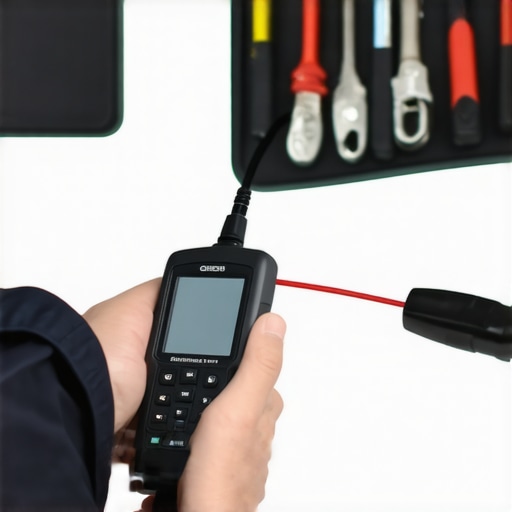
Maintaining your vehicle’s health is an ongoing process that extends beyond simple fixes. Having the right tools and understanding effective maintenance routines can significantly enhance your car’s longevity and performance. One tool I personally rely on is a high-quality code scanner like the BlueDriver Bluetooth Professional OBD2 Scanner. Not only does it allow me to quickly diagnose engine issues from my smartphone, but it also provides detailed reports that help me decide whether a repair requires a professional or can be tackled DIY. This proactive approach saves me time and money, especially when used regularly with diagnostic checks outlined in vehicle diagnostics explained.
Investing in correct maintenance tools is critical for consistent results. For oil changes, I prefer a gravity drain pan with a built-in screen because it simplifies the process and minimizes mess. When dealing with brakes, I use a brake caliper piston rewind tool that allows me to effortlessly retract calipers, ensuring proper pad installation. Such specialized tools prevent damage to components and ensure safety. Moreover, having a quality digital multimeter helps verify electrical systems, like battery health or alternator charging capacity, which are vital for reliable diagnostics, as discussed here.
How do I keep vehicle systems performing over time?
Consistent maintenance is key. I schedule regular oil changes using the latest oil-injection devices and technologies. Adopted from recent advancements, such equipment ensures optimal lubrication, reduces engine wear, and prolongs service intervals. Routine inspections of brakes, transmission fluid, and suspension components prevent small issues from escalating. To facilitate long-term success, I recommend maintaining a detailed service log—this helps track wear patterns and schedule timely repairs, especially for high-stress parts like brake pads, which I discuss more in vehicle lifespan strategies.
Looking ahead, the trend in auto maintenance leans heavily towards integration of diagnostic software with cloud-based analysis, allowing for remote monitoring and predictive repairs. This evolution will make proactive maintenance more accessible and accurate, reducing breakdown risks significantly. To stay on top of your vehicle’s health, I encourage you to combine digital diagnostics with your manual inspections—especially before long trips—to catch potential issues early and ensure a safe, smooth ride.
Make Your Maintenance Routine Smarter
Start by integrating a comprehensive diagnostic scan into your monthly routine. For instance, using a Bluetooth scanner to regularly check for hidden error codes coupled with visual inspections for wear and tear will give you a clearer picture of your vehicle’s condition. Remember, the sooner you detect minor faults, the easier and cheaper they are to fix. Ready to upgrade your maintenance game? Try utilizing an advanced multi-tool like the SONAVIN Car Diagnostic Scanner—it’s a game-changer. Also, for detailed guidance on fixing common issues, explore auto repair hacks designed for enthusiasts and beginners alike.
Maintenance is an ongoing commitment. Equip yourself with the right tools, stay informed about technological advancements, and execute routine checks. Not only will this extend your vehicle’s lifespan, but it also ensures your safety on every journey.
What I Wish I’d Known About Listening to My Car’s Secrets
- The Power of Patience: Rushing through diagnosis can lead to missed clues—sometimes, patience uncovers what haste cannot.
- Beyond Visual Cues: Small bubbles in soapy water revealed tiny leaks that my eyes overlooked, teaching me the value of indirect detection methods.
- Tools Make the Difference: Investing in simple tools like a quality code scanner can transform your approach from reactionary to proactive, saving you time and money.
- Details Matter: A tiny crack might seem insignificant until it causes fumes or performance issues, highlighting the importance of thorough inspections.
- Continuous Learning: The more I explore automotive nuances, the better equipped I am to handle surprises—auto maintenance is a journey of constant discovery.
My Arsenal for Smarter Auto Care
- Auto Repair Hacks Guide: Packed with tips, this resource keeps my repairs efficient and effective.
- Oil Change Technologies: Embracing latest innovations helps me extend engine life and optimize performance.
- Vehicle Diagnostic Tools: A reliable scanner like BlueDriver transforms diagnosis into a simple, accurate process.
- Longevity Strategies: Regular preventive maintenance, from brakes to suspensions, preserves my car’s reliability over miles and years.
Charge Ahead With Confidence in Your Car Skills
Understanding that effective vehicle maintenance hinges on attention to detail and curiosity inspires me to stay proactive. Whether it’s detecting exhaust leaks or optimizing engine health, empowering yourself with knowledge and the right tools makes all the difference. Ready to start your own auto care adventure? Remember, each small step, like checking for bubbling leaks, adds up to long-term savings and safer drives. Have you ever tackled a tricky leak or used a diagnostic tool confidently? Share your stories below and keep the momentum going!