
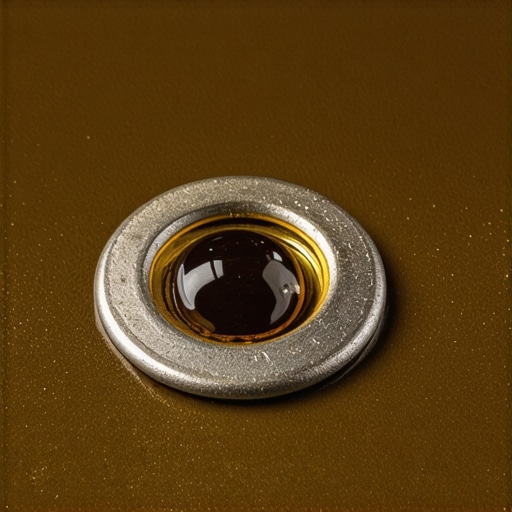
It was a crisp Saturday morning, the sun was hitting the driveway just right, and I felt like the king of my garage. I had just finished my own oil change, wiped my hands on a greasy rag, and felt that surge of pride only a DIYer knows. I looked at the old, flattened aluminum washer sitting on the newspaper. “It looks fine,” I thought, tossing it aside and threading the drain plug back in with the old one still attached. Big mistake. Huge. Three days later, my morning was ruined by a dark, shimmering puddle right where I park. That “fine” washer had failed, and I was looking at a slow drip that was slowly draining my confidence—and my wallet. Today, I am going to explain why that tiny piece of metal is actually the most critical part of your entire maintenance routine.
That Tiny Ring is Your Engine’s Best Friend
When we talk about oil change innovations, we often focus on synthetic blends or high-flow filters, but the humble crush washer is the unsung hero of the whole operation. It seems like a scam when the parts counter guy tries to sell you a $1.50 piece of metal, but it is actually a highly engineered “one-and-done” component. These washers are made of soft materials like aluminum or copper because they are designed to deform. When you torque that drain plug, the washer crushes to fill every microscopic imperfection and scratch between the bolt and the oil pan. This creates a perfect, airtight seal. Once it has been crushed, it becomes work-hardened and loses its ability to mold itself to the surfaces. Have you ever tried to “save” a washer only to regret it when the puddles started forming on your driveway?
Is a New Washer Actually Worth the Trip to the Store?
I get it; you are halfway through the job and realize you forgot to buy a fresh one. You think you can just give the old one an extra quarter-turn to make it seal. Please, take it from me: don’t. I made that exact mistake early in my wrenching days and nearly stripped the threads on a $500 cast-aluminum oil pan. It is one of those auto repair tips that seems minor until it causes a catastrophe. If you have ever wondered why your cabin smells like oil even when the ground looks dry, a slow seep from a reused washer could be misting onto your hot exhaust while you drive. According to the experts at the Car Care Council, even small fluid leaks can lead to significant engine damage over time if your oil levels drop unnoticed between services. We are not just talking about a clean driveway; we are talking about the life of your motor.
Prep the Surface Like Your Engine Depends on It
First, you have to treat the drain plug and the oil pan surface like a surgical site. Any leftover grit, old gasket material, or road grime will compromise the new washer immediately. I learned this the hard way on a rainy Tuesday when I tried to swap my oil in a hurry. I didn’t wipe the pan’s mating surface, and a tiny fleck of road salt got trapped under my brand-new aluminum washer. Within twenty miles, that salt grain created a micro-channel for hot oil to escape, leaving a trail across my garage floor. If you find yourself struggling with a stuck plug from a previous over-tightening, knowing how to remove a broken bolt without losing your mind is a life-saver, but prevention starts with a simple, clean rag. Take a lint-free cloth and wipe both the underside of the oil pan and the flange of the drain plug until they are spotless. This ensures the soft metal of the new washer can deform perfectly against the hard metal of the engine block. 
Is Your Drain Plug Actually Dying?
While the washer is usually the culprit for leaks, the plug itself isn’t invincible. Before you thread it back in, inspect the threads for any signs of stretching or thinning. If the threads look flat or shiny in the middle, the bolt has been over-torqued too many times and is nearing its breaking point. Replacing the washer won’t fix a bolt that’s about to shear off inside your oil pan. Think of it like how to tell if your oil filter is actually doing its job; you have to look for the subtle signs of wear before they become catastrophic failures. I once ignored a slightly rounded head on a drain plug, thinking I’d get one more use out of it. The next time I went to change the oil, the socket just spun, and I spent three hours under the car with vice grips and a torch. If the plug shows any resistance when you try to thread it back in by hand, stop immediately. You should be able to spin it in almost all the way with just your fingers.
Master the Feel of the Perfect Crush
This is where most DIYers get nervous—how tight is tight enough? When you use a new crush washer, you will feel a distinct soft resistance as you tighten the bolt. This is the washer literally flattening out and filling the microscopic gaps in the metal. Once that initial softness stops and the resistance becomes firm, you usually only need about an additional sixteenth to an eighth of a turn. If you keep cranking, you risk the nightmare of a stripped oil pan thread. Using the wrong tools or excessive force can lead to issues similar to the mistake of using the wrong oil viscosity in cold weather, where a small error in judgment leads to long-term engine stress. I always recommend using a torque wrench set to the manufacturer’s spec, usually between 20 and 30 foot-pounds. It is that final, measured snug fit that prevents the dreaded morning puddle. Also, keep an ear out for any strange sounds afterward. For instance, understanding why your engine makes a tapping noise only after an oil change can sometimes lead you back to an improperly seated filter or a loose plug. Following essential auto repair strategies for frequent drivers means never skipping these micro-steps to ensure your vehicle stays on the road longer.
Stop Trusting the Snug Feel for Everything
Most DIYers and even some ‘lube tech’ pros believe that if a bolt isn’t leaking, it’s tight enough. This is a dangerous oversimplification. In my experience, the ‘more is better’ approach to torque is the fastest way to ruin a perfectly good engine. Modern vehicles use lightweight aluminum alloys for oil pans to save weight and improve heat dissipation. These aren’t the heavy-duty steel pans of the 1970s. When you over-tighten that drain plug, you aren’t just squishing the washer; you are actually stretching the threads of the pan itself. Research by the Society of Automotive Engineers (SAE) suggests that ‘gasket creep’—the gradual deformation of a seal under constant heat and pressure—is why a previously sealed plug can start leaking weeks after a service if it wasn’t torqued to exact specifications. Relying on how advanced vehicle diagnostics prevent costly breakdowns is great, but no computer can tell you that you’ve just cross-threaded your oil pan until the oil light starts flashing.
Does Your Washer Material Create a Battery Under Your Car?
This is the nuance that separates a hobbyist from a master technician: galvanic corrosion. You might think a washer is just a washer, but if you put a copper washer on an aluminum pan, you are essentially creating a tiny battery. In the presence of road salt and moisture, these two dissimilar metals react, which can cause the washer to literally ‘weld’ itself to the pan or corrode the mating surface. This is why following top auto repair tips to extend your vehicles lifespan always involves matching the washer material to the manufacturer’s original specs—usually aluminum for aluminum pans. Have you ever struggled to remove a drain plug that felt like it was glued on? You were likely fighting the results of a chemical reaction, not just a tight bolt. 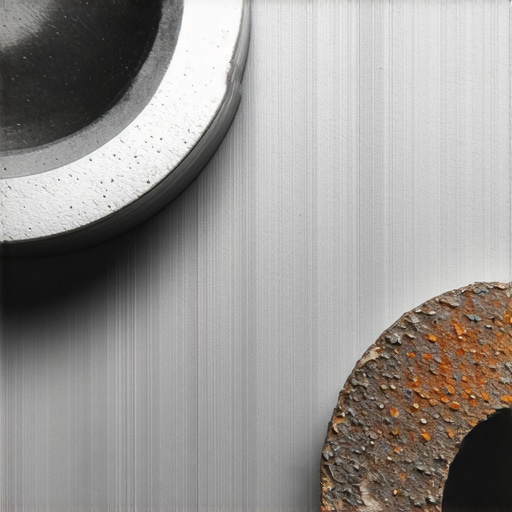
Beware the Nightmare of the Double Gasket
One of the most common ‘traps’ I see happens when the old washer gets stuck to the oil pan and the driver doesn’t notice. They slap a new washer on the plug and thread it in. Now you have two washers stacked. Because they can’t crush evenly against each other, they will eventually vibrate loose. This isn’t just about oil changes; similar logic applies to brake service myths busted where people assume more parts or more grease equals more safety. If you are decoding vehicle diagnostics and see a low oil pressure warning shortly after a service, check for that double-gasket leak immediately. I’ve seen entire engines seized because a ‘double-stacked’ washer failed on the highway. Even if you think you’ve done it right, if you notice why your engine oil level rises between oil changes or falls unexpectedly, you need to get back under the car. Have you ever fallen into this trap or found a double-gasket left by a previous owner? Let me know in the comments. Staying diligent with essential auto repair strategies for frequent drivers means checking your work twice so you only have to do it once.If you are serious about moving beyond basic maintenance, you need to stop ‘feeling’ for tightness and start measuring it. I personally never touch an oil pan or a brake caliper bracket without my 3/8-inch drive split-beam torque wrench. Why split-beam? Unlike the cheaper click-style wrenches, you do not have to wind it back down to zero every time you are done, which means it stays calibrated much longer. This is not just me being picky; using how advanced vehicle diagnostics prevent costly breakdowns is useless if the mechanical foundation of your car is compromised by over-tightened or loose threads. I have seen too many DIYers rely on a ‘snug fit’ for brake caliper bolts, only to have them vibrate loose because they did not reach the proper fastener stretch. Precision tools are the only way to avoid those ‘what is that rattling?’ moments on the highway.
How can I ensure my engine lasts past the 200,000-mile mark?
The secret is not just more frequent oil changes; it is data. I highly recommend sending an oil sample to a lab like Blackstone Laboratories every few services. Their niche expertise in fluid analysis—following standards like ASTM D445—can detect trace amounts of bearing copper or lead before you ever see a puff of smoke. This is the gold standard for long-term engine health. Combining this with top auto repair tips to extend your vehicles lifespan turns your maintenance into a proactive shield rather than a reactive fix. 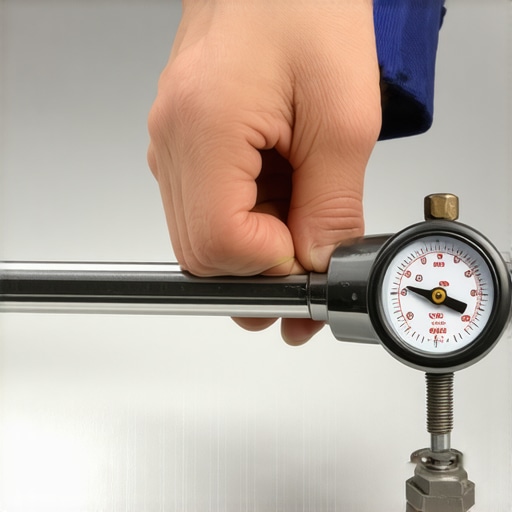
Stop Eyeballing Your Brake Rotors
When it comes to your stoppers, do not just eyeball the pads and call it a day. Invest in a digital micrometer. Measuring the thickness of your rotors is a vital part of the ultimate guide to brake service for safety and performance. If you are below the ‘discard’ thickness stamped on the hub, no amount of new pads will stop the dangerous brake fade during a mountain descent. Beyond the hardware, you should also look into decoding vehicle diagnostics using a basic OBD-II scanner. For instance, knowing how to find a parasitic battery drain with a basic multimeter can save you from buying a new alternator you did not actually need.
Data-Driven Decisions for the Modern Garage
In the future, I predict we will see real-time viscosity sensors and predictive AI built directly into the oiling system, sending alerts to your phone the second your oil starts to shear or your brakes hit 10% life. For now, we rely on essential auto repair strategies for frequent drivers to bridge the gap between human intuition and machine precision. Start a digital log of every torque value and fluid brand you use; it builds a ‘health record’ for your car that is worth its weight in gold when you eventually go to sell it. I want you to go to your glovebox right now, find your owner’s manual, and look up the exact torque spec for your oil drain plug. It is the first step to becoming a master of your own machine.
What the Shop Manuals Forget to Tell You
Looking back at years spent under the chassis, I have realized that the difference between a master technician and a weekend warrior isn’t just the tools—it’s the respect for the small stuff. One lightbulb moment for me was realizing that a crush washer isn’t just a suggestion; it’s a vital structural requirement for a pressurized system. Following top auto repair tips to extend your vehicles lifespan often means slowing down exactly when you want to speed up. I also learned that if you ever find yourself using a ‘cheater bar’ on an oil drain plug, you have already lost the battle. Precision always beats power in the garage.
My Go-To Tools for a Flawless Service
I do not believe in guessing when it comes to the heart of my car. My personal kit always includes a high-quality split-beam torque wrench to avoid the nightmare of stripping delicate aluminum threads. I also keep a digital micrometer handy; it is a core part of the ultimate guide to brake service for safety and performance because it allows you to know exactly when your hardware is too thin to be safe. Lastly, I swear by a dedicated digital logbook where I track every torque value and fluid brand, turning my maintenance history into a professional-grade health record.
Taking Control of Your Engine’s Future
You now have the technical insight to turn a routine chore into a precision maintenance event. By focusing on that tiny washer and the exact torque of your plug, you are practicing essential auto repair strategies for frequent drivers that most people simply ignore. Your next oil change is no longer just about fresh fluid; it is about the peace of mind that comes from knowing every component was seated perfectly, down to the last sixteenth of a turn. Have you ever found a surprise leak on your driveway even though you thought you did everything right? Let me know your experiences in the comments below!