
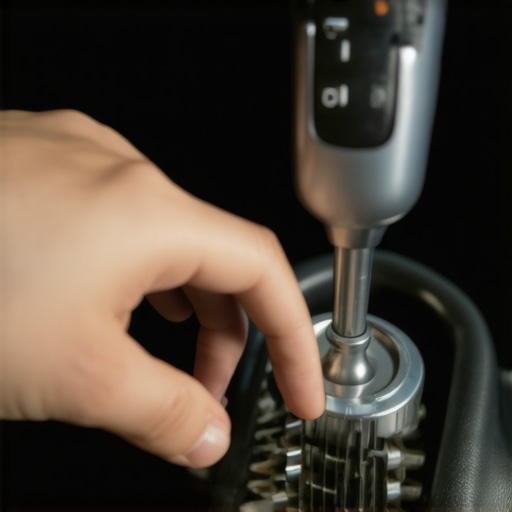
It happened right after my second cup of coffee on a Tuesday. I climbed into my car, eased the gear selector into ‘R,’ and bam—the whole vehicle bucked like a startled mule. My heart didn’t just sink; it did a freefall. I sat there for a second, gripped by the immediate fear that my transmission had finally decided to retire to the great junkyard in the sky. If you have felt that violent thud while trying to back out of your driveway, you know exactly what I am talking about. It feels expensive. It feels mechanical. And honestly, it feels like your car is angry at you. But after years of getting my hands greasy and making some embarrassing rookie mistakes, I have learned that a jerk in reverse isn’t always the death knell for your wallet. Today, I am going to help you pinpoint exactly what is causing that kickback so you can stop stressing every time you leave your house.
That Heart-Sinking Shudder in the Driveway
I will never forget the time I spent three days agonizing over a rough shift, only to realize I had neglected the basics. I was so convinced the internal gears were shredded that I almost missed the fact that my fluid levels were disastrously low. Before you start looking at new car listings, we need to talk about why this happens. Usually, it comes down to a few culprits: worn-out engine mounts, old transmission fluid, or even a simple vacuum leak. Sometimes, it is as dramatic as why your car makes a loud pop when you shift into reverse, and other times it is just a subtle, annoying hesitation. When you shift into reverse, the engine and transmission actually tilt under the torque. If the rubber mounts holding them in place are cracked, that ‘jerk’ you feel is literally the engine slamming against the frame. It is a visceral reminder that top auto repair tips to extend your vehicles lifespan often start with the simplest physical inspections. According to data from AAA, transmission-related issues are among the most feared by drivers due to the potential for repair costs to exceed $3,000, yet many shifting problems originate from external components rather than the gearbox itself.
Is This Really Just a Low Fluid Issue?
I used to be skeptical too. I thought, ‘How could a little bit of red oil make the car jump like that?’ Well, transmissions rely on hydraulic pressure to move heavy internal parts. If that pressure is inconsistent because of a leak or old, burnt fluid, the engagement becomes ‘binary’—it’s either off or it’s on with a vengeance. I once wasted a whole weekend trying to diagnose a ‘broken’ valve body when all I really needed was to learn how to check your transmission fluid without a dipstick. If you are feeling a shudder when shifting that feels like a rumble strip, you might be dealing with torque converter issues rather than a total mechanical failure. Have you ever felt that violent ‘thud’ and immediately checked your bank account? I want to hear your story—tell me in the comments if your car is acting up only when it is cold or if it happens every single time you shift. Identifying the pattern is the first step toward a cheaper fix. We are going to dig into the dirty details of sensors and mounts next, because knowing the ‘why’ is the only way to avoid being overcharged at the shop.
Stop the Engine Slam with a Mount Inspection
When you shift into reverse, the drivetrain rotates in the opposite direction than it does in drive. This creates a specific ‘lift’ on your engine and transmission mounts. If those rubber bushings are degraded, you aren’t just feeling a gear engage; you are feeling the engine physically move. I remember a customer’s truck that felt like it was getting rear-ended every time they backed up. I put it on the lift, had them shift it, and the engine jumped three inches. A single bolt had sheared off the mount. To check this yourself, have a buddy (who you trust with your life) stand to the side of the car—never in front or behind—with the hood up. Hold the brake firmly, shift into reverse, and give it a tiny tap of gas. If the engine rotates excessively, you’ve found the source of that loud pop when you shift into reverse. Replacing these mounts is one of those auto repair hacks save money without sacrificing quality because the parts are usually cheap, even if the labor looks intimidating.#IMAGE_PLACE_HOLDER_B#
Verify Fluid Pressure Without Overspending
If the mounts look solid, we move to the hydraulics. Automatic transmissions are basically big boxes of magic oil pressure. When the fluid is old or low, the pump can’t maintain the steady pressure needed to smoothly slide the reverse gear into place. Instead, it builds up too much pressure and then ‘slams’ it in. This is where how advanced vehicle diagnostics prevent costly breakdowns comes into play. You don’t always need a $5,000 scanner; sometimes you just need to look at the color of the oil. If it’s dark brown or smells like burnt toast, it’s not lubricating or cooling anymore. I once ignored a ‘hard’ reverse shift for a month, thinking I could wait until my next paycheck. By the time I dropped the pan, the fluid was full of silver glitter—shredded metal from the clutches. A simple fluid swap early on would have saved the whole unit. Check your level while the engine is warm and running to get an accurate reading.
Is Your Car Misreading Its Own Sensors?
Modern cars are basically computers on wheels, and if the Transmission Control Module (TCM) gets bad data, it doesn’t know how to command a smooth shift. A faulty Range Sensor or a dirty Throttle Position Sensor can trick the car into thinking you are asking for more power than you actually are, causing a harsh engagement. This is a classic case of decoding vehicle diagnostics what your car is trying to tell you. I’ve seen cases where a solenoid failure that locks your car in limp mode started as just a small jerk in reverse. If you have a check engine light on, pull the codes first. It might be an electrical glitch rather than a mechanical disaster. Don’t let a sensor take your transmission down with it.
Why Fresh Fluid Might Actually Kill Your Shifting
Everyone tells you to flush the system the moment a gear shifts hard. In my experience, that is often the worst thing you can do for a high-mileage vehicle. I have seen countless DIYers think they are doing their car a favor by performing a high-pressure flush, only to have the transmission slip a week later. The logic seems sound—get the dirt out, right? But in reality, those microscopic metal shavings and friction materials suspended in the old fluid are sometimes the only thing providing enough grip for worn clutch plates. When you swap in 100% fresh, slippery synthetic fluid, you lose that grit, and the transmission fails. This is a classic nuance of essential auto repair strategies for frequent drivers: sometimes, a simple drain-and-fill is far safer than a full flush. According to a report by the Car Care Council, nearly 25% of vehicles have neglected fluids, but the method of replacement is what separates a successful repair from a totaled gearbox.
Could your high-mileage fluid be the only thing holding your clutches together?
It is a controversial take, but many veteran mechanics agree that shocking a neglected system is a recipe for disaster. If you have not changed your fluid in 100,000 miles, dumping the whole pan is a gamble. Instead, look at the brake fluid color that means you need a flush immediately and apply that same visual scrutiny to your transmission oil. If it is black and smells burnt, proceed with extreme caution. Beyond just the fluid, people often make the mistake of using the wrong oil viscosity in cold weather, which can make that morning jerk into reverse even more violent. I once saw a guy use a generic multi-vehicle fluid that did not meet his car’s specific friction requirements; his car did not just jerk, it felt like it was hitting a wall. Always check the manual, not just the bottle’s marketing.

Stop the Pressure Drops Before They Start
The Oops factor is usually found in the smallest physical details. For example, while you are under the car, why you should never skip the crush washer on your drain plug is a lesson I learned the hard way after waking up to a red puddle on my driveway. Even if you get the fluid right, a tiny leak can drop your hydraulic pressure just enough to cause that harsh engagement. It is similar to why your scanner says p0420 but the converter is actually fine—your car’s sensors are sensitive to pressure drops and electrical interference that might not show up on a basic code reader. We also have to consider that how to tell if your oil filter is actually doing its job isn’t just for engines; some transmissions have internal filters that, if clogged, starve the pump and cause that exact reverse kick you are feeling. Finally, do not rule out your brakes. Many brake service myths busted what really matters for safety forget that sticking calipers can cause a violent thud when the weight shifts into reverse. Have you ever fallen into this trap—maybe you flushed a high-mileage car and regretted it? Let me know in the comments. We need to share these lessons learned so we can all stop overpaying for repairs that could have been avoided with a little more nuance and a lot less pressure.
I’ve spent too many hours chasing ghosts with cheap $20 code readers that only give you half the story. If you’re serious about stopping that reverse jerk, you need a scanner that can actually ‘talk’ back to the car. I personally swear by bidirectional diagnostic tools like the Autel MaxiCheck or BlueDriver for my weekend projects. Why? Because these tools allow me to command the transmission to perform a ‘Fast Relearn’ or an ‘Adaptive Learning Reset.’ This is the secret sauce of decoding vehicle diagnostics what your car is trying to tell you. According to technical documentation from ZF Friedrichshafen AG, the world’s leading transmission manufacturer, adaptive values are critical for maintaining shift quality as friction plates wear down. If you swap internal parts or even just the fluid but don’t reset these values, the car might still slam into gear because it’s using pressure settings intended for old, worn-out components. This is also why the truth about using cheap aftermarket sensors in your engine or transmission is so vital—low-quality sensors often have high latency that prevents the computer from making these micro-adjustments in real-time.
How do I keep my shifting smooth for another decade?
It’s about managing the ‘invisible’ killers of mechanical parts, and the biggest one is heat. Most factory transmission coolers are integrated into the radiator, which is a design compromise that can lead to overheating in heavy traffic. I often recommend installing a dedicated auxiliary cooler, especially if you drive in hilly areas or use your vehicle for occasional towing. This falls under essential auto repair strategies for frequent drivers who want to see 200,000 miles on the odometer. By keeping the fluid just 20 degrees cooler than the standard operating range, you can effectively double the lifespan of the internal seals. 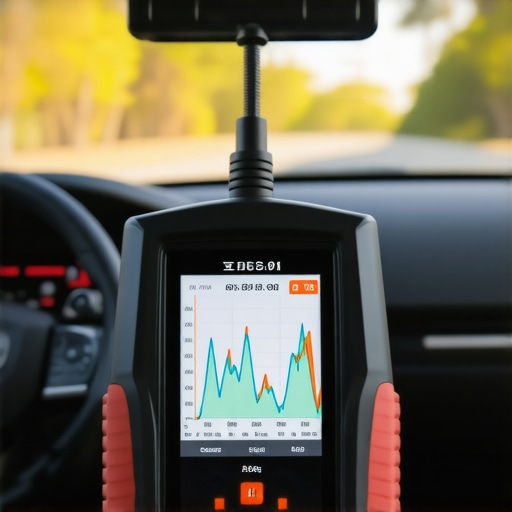 Looking ahead, the trend in the automotive world is moving toward ‘predictive maintenance’ where your car’s internal AI will tell you to change the fluid based on actual friction heat cycles rather than just a generic mileage number. This is one of the many top auto repair tips to extend your vehicles lifespan that bridges the gap between old-school mechanical care and modern tech. Beyond the big upgrades, never underestimate a good set of flare nut wrenches. Using a standard open-ended wrench on transmission cooler lines is the quickest way to round off a fitting and turn a 20-minute job into a four-hour nightmare. I also keep a digital torque adapter in my toolbox. When you are tightening valve body bolts or even just the transmission pan, ‘gut-feeling’ is dangerous. Over-tightening can warp the mating surfaces, causing the very leaks and pressure drops that lead to a harsh shift. This precision is why auto repair hacks save money without sacrificing quality—the ultimate ‘hack’ is doing it right the first time so you never have to do it twice. My challenge to you: before your next service, check your car’s VIN on the manufacturer’s portal to see if there is a ‘Transmission Control Module Update’ available. You might find that your ‘mechanical’ thud is actually just a software glitch waiting for a patch.It happened right after my second cup of coffee on a Tuesday. I climbed into my car, eased the gear selector into ‘R,’ and bam—the whole vehicle bucked like a startled mule. My heart didn’t just sink; it did a freefall. I sat there for a second, gripped by the immediate fear that my transmission had finally decided to retire to the great junkyard in the sky. If you have felt that violent thud while trying to back out of your driveway, you know exactly what I am talking about. It feels expensive. It feels mechanical. And honestly, it feels like your car is angry at you. But after years of getting my hands greasy and making some embarrassing rookie mistakes, I have learned that a jerk in reverse isn’t always the death knell for your wallet. Today, I am going to help you pinpoint exactly what is causing that kickback so you can stop stressing every time you leave your house.
That Heart-Sinking Shudder in the Driveway
I will never forget the time I spent three days agonizing over a rough shift, only to realize I had neglected the basics. I was so convinced the internal gears were shredded that I almost missed the fact that my fluid levels were disastrously low. Before you start looking at new car listings, we need to talk about why this happens. Usually, it comes down to a few culprits: worn-out engine mounts, old transmission fluid, or even a simple vacuum leak. Sometimes, it is as dramatic as why your car makes a loud pop when you shift into reverse, and other times it is just a subtle, annoying hesitation. When you shift into reverse, the engine and transmission actually tilt under the torque. If the rubber mounts holding them in place are cracked, that ‘jerk’ you feel is literally the engine slamming against the frame. It is a visceral reminder that top auto repair tips to extend your vehicles lifespan often start with the simplest physical inspections. According to data from AAA, transmission-related issues are among the most feared by drivers due to the potential for repair costs to exceed $3,000, yet many shifting problems originate from external components rather than the gearbox itself.
Is This Really Just a Low Fluid Issue?
I used to be skeptical too. I thought, ‘How could a little bit of red oil make the car jump like that?’ Well, transmissions rely on hydraulic pressure to move heavy internal parts. If that pressure is inconsistent because of a leak or old, burnt fluid, the engagement becomes ‘binary’—it’s either off or it’s on with a vengeance. I once wasted a whole weekend trying to diagnose a ‘broken’ valve body when all I really needed was to learn how to check your transmission fluid without a dipstick. If you are feeling a shudder when shifting that feels like a rumble strip, you might be dealing with torque converter issues rather than a total mechanical failure. Have you ever felt that violent ‘thud’ and immediately checked your bank account? I want to hear your story—tell me in the comments if your car is acting up only when it is cold or if it happens every single time you shift. Identifying the pattern is the first step toward a cheaper fix. We are going to dig into the dirty details of sensors and mounts next, because knowing the ‘why’ is the only way to avoid being overcharged at the shop.
Stop the Engine Slam with a Mount Inspection
When you shift into reverse, the drivetrain rotates in the opposite direction than it does in drive. This creates a specific ‘lift’ on your engine and transmission mounts. If those rubber bushings are degraded, you aren’t just feeling a gear engage; you are feeling the engine physically move. I remember a customer’s truck that felt like it was getting rear-ended every time they backed up. I put it on the lift, had them shift it, and the engine jumped three inches. A single bolt had sheared off the mount. To check this yourself, have a buddy (who you trust with your life) stand to the side of the car—never in front or behind—with the hood up. Hold the brake firmly, shift into reverse, and give it a tiny tap of gas. If the engine rotates excessively, you’ve found the source of that loud pop when you shift into reverse. Replacing these mounts is one of those auto repair hacks save money without sacrificing quality because the parts are usually cheap, even if the labor looks intimidating.#IMAGE_PLACE_HOLDER_B#
Verify Fluid Pressure Without Overspending
If the mounts look solid, we move to the hydraulics. Automatic transmissions are basically big boxes of magic oil pressure. When the fluid is old or low, the pump can’t maintain the steady pressure needed to smoothly slide the reverse gear into place. Instead, it builds up too much pressure and then ‘slams’ it in. This is where how advanced vehicle diagnostics prevent costly breakdowns comes into play. You don’t always need a $5,000 scanner; sometimes you just need to look at the color of the oil. If it’s dark brown or smells like burnt toast, it’s not lubricating or cooling anymore. I once ignored a ‘hard’ reverse shift for a month, thinking I could wait until my next paycheck. By the time I dropped the pan, the fluid was full of silver glitter—shredded metal from the clutches. A simple fluid swap early on would have saved the whole unit. Check your level while the engine is warm and running to get an accurate reading.
Is Your Car Misreading Its Own Sensors?
Modern cars are basically computers on wheels, and if the Transmission Control Module (TCM) gets bad data, it doesn’t know how to command a smooth shift. A faulty Range Sensor or a dirty Throttle Position Sensor can trick the car into thinking you are asking for more power than you actually are, causing a harsh engagement. This is a classic case of decoding vehicle diagnostics what your car is trying to tell you. I’ve seen cases where a solenoid failure that locks your car in limp mode started as just a small jerk in reverse. If you have a check engine light on, pull the codes first. It might be an electrical glitch rather than a mechanical disaster. Don’t let a sensor take your transmission down with it.
Why Fresh Fluid Might Actually Kill Your Shifting
Everyone tells you to flush the system the moment a gear shifts hard. In my experience, that is often the worst thing you can do for a high-mileage vehicle. I have seen countless DIYers think they are doing their car a favor by performing a high-pressure flush, only to have the transmission slip a week later. The logic seems sound—get the dirt out, right? But in reality, those microscopic metal shavings and friction materials suspended in the old fluid are sometimes the only thing providing enough grip for worn clutch plates. When you swap in 100% fresh, slippery synthetic fluid, you lose that grit, and the transmission fails. This is a classic nuance of essential auto repair strategies for frequent drivers: sometimes, a simple drain-and-fill is far safer than a full flush. According to a report by the Car Care Council, nearly 25% of vehicles have neglected fluids, but the method of replacement is what separates a successful repair from a totaled gearbox.
Could your high-mileage fluid be the only thing holding your clutches together?
It is a controversial take, but many veteran mechanics agree that shocking a neglected system is a recipe for disaster. If you have not changed your fluid in 100,000 miles, dumping the whole pan is a gamble. Instead, look at the brake fluid color that means you need a flush immediately and apply that same visual scrutiny to your transmission oil. If it is black and smells burnt, proceed with extreme caution. Beyond just the fluid, people often make the mistake of using the wrong oil viscosity in cold weather, which can make that morning jerk into reverse even more violent. I once saw a guy use a generic multi-vehicle fluid that did not meet his car’s specific friction requirements; his car did not just jerk, it felt like it was hitting a wall. Always check the manual, not just the bottle’s marketing.
Stop the Pressure Drops Before They Start
The Oops factor is usually found in the smallest physical details. For example, while you are under the car, why you should never skip the crush washer on your drain plug is a lesson I learned the hard way after waking up to a red puddle on my driveway. Even if you get the fluid right, a tiny leak can drop your hydraulic pressure just enough to cause that harsh engagement. It is similar to why your scanner says p0420 but the converter is actually fine—your car’s sensors are sensitive to pressure drops and electrical interference that might not show up on a basic code reader. We also have to consider that how to tell if your oil filter is actually doing its job isn’t just for engines; some transmissions have internal filters that, if clogged, starve the pump and cause that exact reverse kick you are feeling. Finally, do not rule out your brakes. Many brake service myths busted what really matters for safety forget that sticking calipers can cause a violent thud when the weight shifts into reverse. Have you ever fallen into this trap—maybe you flushed a high-mileage car and regretted it? Let me know in the comments. We need to share these lessons learned so we can all stop overpaying for repairs that could have been avoided with a little more nuance and a lot less pressure.
I’ve spent too many hours chasing ghosts with cheap $20 code readers that only give you half the story. If you’re serious about stopping that reverse jerk, you need a scanner that can actually ‘talk’ back to the car. I personally swear by bidirectional diagnostic tools like the Autel MaxiCheck or BlueDriver for my weekend projects. Why? Because these tools allow me to command the transmission to perform a ‘Fast Relearn’ or an ‘Adaptive Learning Reset.’ This is the secret sauce of decoding vehicle diagnostics what your car is trying to tell you. According to technical documentation from ZF Friedrichshafen AG, the world’s leading transmission manufacturer, adaptive values are critical for maintaining shift quality as friction plates wear down. If you swap internal parts or even just the fluid but don’t reset these values, the car might still slam into gear because it’s using pressure settings intended for old, worn-out components. This is also why the truth about using cheap aftermarket sensors in your engine or transmission is so vital—low-quality sensors often have high latency that prevents the computer from making these micro-adjustments in real-time.
How do I keep my shifting smooth for another decade?
It’s about managing the ‘invisible’ killers of mechanical parts, and the biggest one is heat. Most factory transmission coolers are integrated into the radiator, which is a design compromise that can lead to overheating in heavy traffic. I often recommend installing a dedicated auxiliary cooler, especially if you drive in hilly areas or use your vehicle for occasional towing. This falls under essential auto repair strategies for frequent drivers who want to see 200,000 miles on the odometer. By keeping the fluid just 20 degrees cooler than the standard operating range, you can effectively double the lifespan of the internal seals. #IMAGE_PLACE_HOLDER_D# Looking ahead, the trend in the automotive world is moving toward ‘predictive maintenance’ where your car’s internal AI will tell you to change the fluid based on actual friction heat cycles rather than just a generic mileage number. This is one of the many top auto repair tips to extend your vehicles lifespan that bridges the gap between old-school mechanical care and modern tech. Beyond the big upgrades, never underestimate a good set of flare nut wrenches. Using a standard open-ended wrench on transmission cooler lines is the quickest way to round off a fitting and turn a 20-minute job into a four-hour nightmare. I also keep a digital torque adapter in my toolbox. When you are tightening valve body bolts or even just the transmission pan, ‘gut-feeling’ is dangerous. Over-tightening can warp the mating surfaces, causing the very leaks and pressure drops that lead to a harsh shift. This precision is why auto repair hacks save money without sacrificing quality—the ultimate ‘hack’ is doing it right the first time so you never have to do it twice. My challenge to you: before your next service, check your car’s VIN on the manufacturer’s portal to see if there is a ‘Transmission Control Module Update’ available. You might find that your ‘mechanical’ thud is actually just a software glitch waiting for a patch.
The Hardest Lesson I Learned About Shifting Gears
If there is one thing a decade of wrenching has taught me, it is that your car is a terrible communicator. It only has one way to say ‘help,’ and that is usually a loud thud or a violent jerk. I once spent a small fortune on a rebuild when the actual culprit was a frayed electrical connection. A simple ground wire problem that mimics a bad starter motor can also wreak havoc on your transmission sensors, leading to those terrifying shifts. Don’t fall into the trap of assuming the worst until you have ruled out the basics. The ‘lightbulb moment’ for me was realizing that most mechanical failures are actually electrical or hydraulic failures in disguise.
My Essential Toolkit for Smooth Shifting
You don’t need a professional garage to save your transmission, but you do need precision. I never touch a transmission pan without a digital torque adapter anymore because over-tightening is the number one cause of persistent leaks. Beyond that, I always recommend carrying a basic scanner for vehicle diagnostics explained easy checks before your road trip. These tools aren’t just for clearing codes; they allow you to see live data and catch pressure drops before they turn into a ‘jerk’ that leaves you stranded. Using these auto repair hacks save money without sacrificing quality is how I have kept my high-mileage daily driver on the road for so long.
Stop Fearing Your Gearbox
It is easy to get overwhelmed when your car starts acting like a bucking bronco, but remember that every mechanical sound is just a puzzle waiting for a solution. By staying proactive and following top auto repair tips to extend your vehicles lifespan, you take the power back from the dealership. You are now armed with the knowledge of decoding vehicle diagnostics what your car is trying to tell you, so use it. Go check that fluid, inspect those mounts, and don’t let a little thud stop you from enjoying the drive. Did your reverse jerk go away after a simple fluid top-off, or was it something more surprising like a loose engine mount? Let me know in the comments below—I would love to hear how you solved it!