
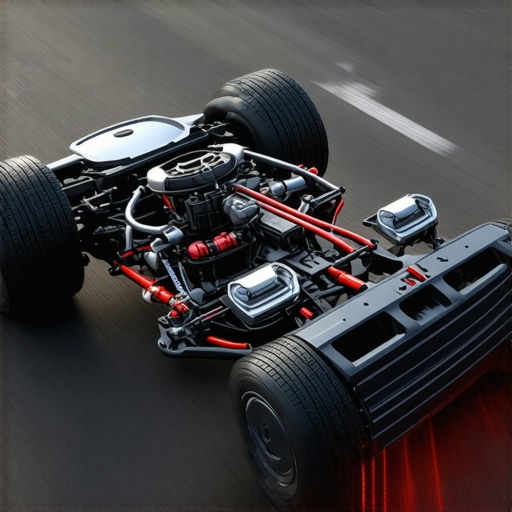
I’ll never forget the first time it happened to me. I was merging onto a tight cloverleaf on-ramp, my mind on the grocery list, when suddenly the engine roared like I’d shifted into neutral. The car shuddered, the RPMs climbed, and for three long seconds, I had zero forward momentum while hanging in a dangerous curve. It’s a visceral, gut-wrenching feeling that makes you want to pull over and call a tow truck immediately. I spent weeks worrying I needed a $4,000 overhaul. I’ve spent years working on my own vehicles, yet that moment made me feel like a complete novice. But after crawling under the chassis and doing some real-world testing, I realized that the fix was often something I could handle in my driveway on a Saturday morning. Many drivers face this exact scenario and immediately assume the worst, when the reality is often much more manageable if you know where to look. [image_1]
That Heart-Stopping Moment When the Power Just Vanishes
When you take a sharp corner, the fluid inside your car moves—a lot. Think of it like a half-full cup of coffee in your cup holder; when you bank hard, the liquid sloshes heavily to one side. Inside your gearbox, if your transmission fluid is even slightly low, that “slosh” pulls the fluid away from the pickup filter or intake. The pump starts sucking air instead of hydraulic fluid, and suddenly, the pressure required to hold the gears in place drops to zero. This is why your automatic transmission hesitates to engage just when you need it most. Early in my DIY days, I made the classic mistake of thinking I just needed to “power through it” by flooring the gas when the car stuttered. Big mistake. You’re just creating massive friction and heat without the lubrication you need, which is a fast track to real damage. Today, we are going to dive into exactly why your transmission slips when you take sharp corners and how you can diagnose it before you spend a dime at a professional shop.
Is My Transmission Actually Dying or Is It Something Simple?
It’s the question that keeps every car owner up at night while staring at their bank account. You start Googling replacement costs and your heart sinks. But here is the good news: many times, this specific symptom is a cry for help regarding fluid levels or a clogged filter rather than a mechanical death sentence. You might even notice a shudder when shifting that feels like you’re hitting a rumble strip, which is often related to these same hydraulic pressure issues. According to the Car Care Council, nearly 70% of transmission failures are actually caused by overheating and fluid contamination, both of which are preventable with essential auto repair strategies. Have you ever felt that terrifying “neutral” feeling while mid-turn? Drop a comment and tell me what your car was doing—I’ve likely been there too. We will even look at how to check your transmission fluid without a dipstick, which is a common hurdle on modern vehicles that try to hide their secrets from us. Stick around, because we’re going to get your confidence back behind the wheel.
Check Your Fluid Levels While the Engine is Hot
Most drivers make the mistake of checking their transmission fluid like they check their oil—with the engine off and cold. But transmission fluid expands significantly when warm. If you check it cold, you’re getting a false reading. Think of it like trying to measure the “surge” in a city’s water system while everyone is asleep; you won’t see the real pressure until the faucets are wide open. To get an accurate reading, park on level ground, keep the engine idling, and cycle through the gears before pulling the dipstick. If the level is below the “Hot” mark, that’s your smoking gun. This lack of volume is exactly why your transmission slips when you take sharp corners—the pump is momentarily starving for hydraulic pressure. I remember helping a neighbor with an old sedan that would “neutral out” every time he turned left. We checked it cold and it looked fine. Once we got it up to operating temperature, the dipstick was bone dry. Two quarts of ATF later, the problem vanished.
The White Paper Towel Test for Fluid Health
Don’t just look at the level; look at the life left in the liquid. Drip some fluid onto a clean white paper towel. Healthy fluid should be bright red or pink. If it’s dark brown or smells like burnt toast, you’re looking at oxidation. This is where essential auto repair strategies come into play. Burnt fluid loses its “grip” on the internal clutches, leading to that terrifying shudder when shifting. If you see tiny metallic flakes, that’s a sign of internal wear, but don’t jump to conclusions yet. Sometimes a simple pan drop and filter change can extend the life of the unit by years. 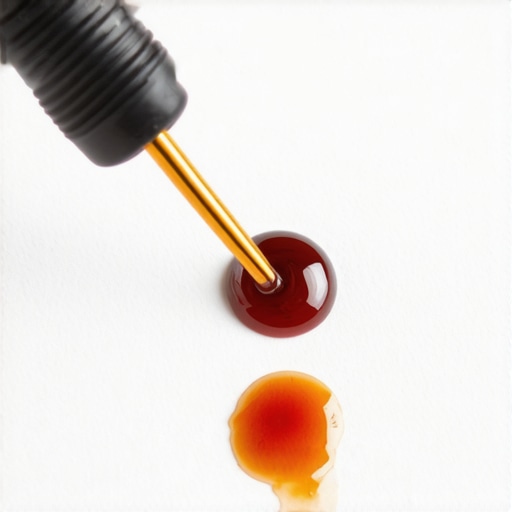
Cracking the Code of Sealed Transmissions
If your car doesn’t have a dipstick under the hood, don’t feel left out; you just have a “sealed” unit. Manufacturers do this to prevent contamination, but it makes DIY checks harder. You’ll usually find a check-plug on the side of the transmission case rather than a dipstick tube. It’s a messier process, but learning how to check your transmission fluid without a dipstick is the only way to be 100% sure you aren’t running lean. I once attempted this on a windy day, and let’s just say I ended up with more fluid on my driveway than in the car. The result? I found a slow leak in the transmission cooler line that advanced vehicle diagnostics might have missed during a standard scan.
Listen for the Whine of a Starving Pump
While you’re performing these checks, listen closely. A transmission pump that is sucking air often makes a high-pitched whine that increases with engine RPM. It sounds a bit like a power steering pump that’s low on fluid. This sound is a direct indicator of hydraulic starvation. When you corner hard, the “slosh” exposes the filter, the pump gasps, and the whine intensifies just before the gear slips. Using top auto repair tips to extend your vehicles lifespan usually starts with these sensory checks. If you catch that whine early, you can prevent the heat buildup that destroys clutch packs.
Stop Falling for the Transmission Flush Trap
Most drivers think a high-pressure transmission flush is the ultimate cure-all when they feel a slip. In my experience, if your fluid is already dark and smells like a campfire, a flush is the last thing you want to do. Over time, your transmission develops a fine “silt” of friction material from the clutch plates that actually helps worn components maintain their grip. Blasting that out with a machine can leave you with a transmission that won’t shift at all because you’ve removed the very grit that was keeping things moving. Instead of a flush, I always recommend a simple pan drop and filter replacement. It is one of those auto repair hacks that preserves the unit’s integrity rather than risking a total meltdown. This nuanced approach is a cornerstone of essential auto repair strategies that many high-volume shops simply won’t mention because it takes more time and yields less profit. 
More Fluid Is Not Always the Better Answer
The biggest “oops” factor I see DIYers fall into is the “more is better” mentality. When a car stutters on a cloverleaf, the instinct is to dump in three quarts of ATF without a second thought. Here is the danger: overfilling leads to aeration. When the fluid level is too high, the rotating internal parts whip the oil into a froth. Because air is compressible and hydraulic fluid is not, your transmission pump will lose the ability to create the massive clamping force needed to hold the gears. This leads directly to a shudder when shifting and accelerated wear on the internal drums. Always use a clean rag and check your levels twice; precision is your best friend when dealing with hydraulic pressure.
Why does my car only slip when the transmission gets up to temperature?
This is what pros call the “hot slip” phenomenon. According to technical data from the Automatic Transmission Rebuilders Association (ATRA), heat causes hydraulic fluid to thin out while simultaneously causing internal rubber seals to expand or soften. If an internal seal is hardened or micro-cracked, the thinner, hot fluid can bypass it, causing a sudden drop in line pressure that doesn’t happen when the oil is cold and thick. This is exactly the reason your transmission slips only when the car is hot. It’s a sophisticated failure that requires more than just a top-off. You might even find that the truth about using cheap aftermarket sensors comes into play here, as a faulty temperature sensor can trick the computer into applying the wrong pressure for the current fluid density. Use how advanced vehicle diagnostics prevent costly breakdowns by monitoring live data streams to see if your solenoid duty cycles are spiking when the slip occurs. Don’t ignore the secondary symptoms, like why your car jerks when you take your foot off the gas, as these are often breadcrumbs leading to the same hydraulic fault. Have you ever fallen into the trap of overfilling your fluid or getting a flush that made your shifting worse? Let me know in the comments—I am curious to see how many of us learned this the hard way while decoding vehicle diagnostics on our own.
Stop Guessing and Start Monitoring with a Real Scanner
If you want to stop the guesswork that leads to expensive shop visits, you need a tool that does more than just clear a check engine light. I personally swear by using a bi-directional scan tool that can read live PIDs (Parameter IDs). When my transmission started acting up, I didn’t just look for codes; I watched the Transmission Fluid Temperature (TFT) and the solenoid duty cycles in real-time. This level of decoding vehicle diagnostics allows you to see if a slip is happening because of a mechanical failure or a computer-commanded pressure drop. Most cheap $20 dongles won’t show you the transmission-specific data you need. Investing in a mid-range scanner is one of those auto repair hacks that pays for itself the very first time you avoid an unnecessary part replacement. 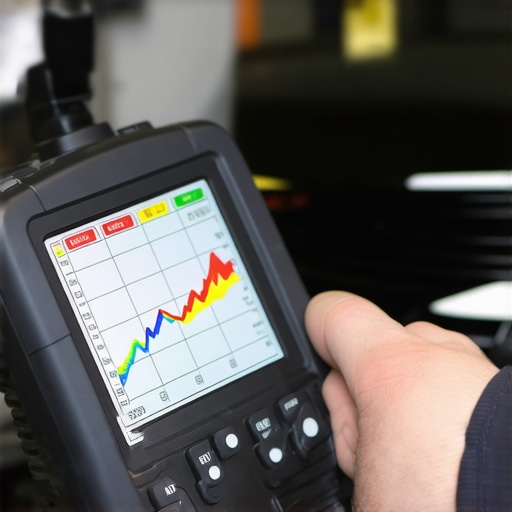
How can I keep my gearbox healthy for the long haul?
Consistency beats intensity every single time when it comes to vehicle longevity. You don’t need a total overhaul every year; you need to stick to a rigid schedule of fluid health checks. According to the Society of Automotive Engineers (SAE) in their technical paper J300, the thermal degradation of lubricants accelerates exponentially once you cross certain temperature thresholds. For every 20-degree increase above 175°F, the life of your transmission fluid is essentially cut in half. This is why I always advocate for how advanced vehicle diagnostics prevent costly breakdowns by letting you monitor those heat spikes before they cook your clutches. Integrating top auto repair tips to extend your vehicles lifespan, like adding an external fluid cooler if you tow or drive in hilly terrain, can keep your ATF within that ‘Goldilocks’ zone of 160°F to 180°F indefinitely.
The Future of Predictive Car Maintenance
We are moving away from the era of ‘wait until it breaks’ and into an age of predictive maintenance. In the next few years, I expect we will see more consumer-level AI tools that analyze your driving habits and fluid sensor data to predict a failure weeks before it happens. Much like oil change innovations have moved toward sophisticated life-monitoring algorithms, transmission systems are becoming smarter. However, no computer can replace the physical act of pulling a dipstick or checking a drain plug. If you really want to stay ahead of the curve, try this: the next time you do a basic service, take a small sample of your fluid and send it to a lab for an oil analysis. It costs about $30 and will tell you exactly what metals are wearing down inside your gearbox. It’s the ultimate way to stay in control of your car’s destiny.
The Hardest Lesson I Learned While Chasing Ghost Gear Slips
Over my years of wrenching, I’ve realized that the most expensive repairs usually start as small, ignored noises. I once ignored a slight whine during left turns, thinking it was just an old car being old. Two weeks later, I was stranded because the pump had finally given up. The biggest lightbulb moment for me was realizing that ‘lifetime fluid’ is a marketing myth; no lubricant lasts forever under the heat of real-world driving. I also learned the hard way that the truth about using cheap aftermarket sensors is often a tale of ‘you get what you pay for.’ A $10 speed sensor can send garbage data to your TCM, making a healthy transmission behave like it’s dying. Always look for auto repair hacks that prioritize cleaning and inspection over simply throwing parts at a problem. #IMAGE_PLACE_HOLDER_E#
Gear I Actually Use to Save My Transmission
To get real results, you need more than a basic socket set. First, I never start a job without my mid-range bi-directional scanner. It’s the only way to master decoding vehicle diagnostics so you can see exactly what the computer sees in real-time. Second, I highly recommend keeping a dedicated fluid extraction pump in your garage; it makes draining a few quarts for a partial change much cleaner than dropping the whole pan every time. Finally, I trust resources like the ATSG manuals for deep technical specs. These tools are central to how advanced vehicle diagnostics prevent costly breakdowns by giving you professional-level insight before you ever talk to a mechanic.
Take Your Confidence Back on the Next Cloverleaf
It is completely normal to feel a pit in your stomach when your car fails to respond. But remember, you are now equipped with the knowledge to look past the panic and check the basics. By sticking to essential auto repair strategies and keeping a close eye on your maintenance intervals, you turn your vehicle from a mystery into a machine you control. Implementing top auto repair tips to extend your vehicles lifespan doesn’t require a degree in engineering—just a bit of patience and a willingness to get your hands dirty. Now that you know why your transmission slips when you take sharp corners, you can drive with the peace of mind that comes from being prepared. Have you ever felt that terrifying shudder while taking a sharp turn? Let me know in the comments below!