
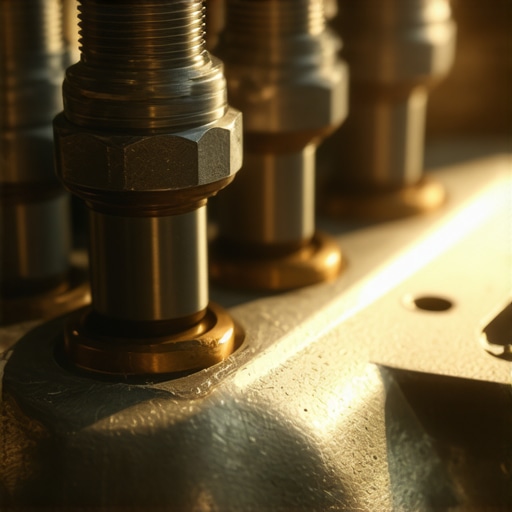
I remember the frost was still thick on my windshield that Tuesday when I turned the key and heard it: a rhythmic, metallic tapping that felt like a hammer hitting my chest. It wasn’t just a noise; it was the sound of my weekend plans evaporating. Like most people, I hoped that if I just let the car idle for a bit, the sound would magically vanish. And it did! Five minutes later, the engine was as quiet as a library. I told myself it was just ‘character,’ a little morning quirk. But I was wrong. I spent the next three months in denial until that little tick turned into a permanent clatter that cost me a three-stage repair. If you are sitting in your driveway right now, listening to that phantom sewing machine under your hood and wondering if you can make it to work, I’ve got your back. We’re going to figure out if your car is just cold or if it’s crying for help. [placeholder]
Stop Ignoring That Morning Rattle
The truth is, a ticking engine is usually a desperate cry for lubrication. When your vehicle sits overnight, the oil settles into the pan, leaving the top-end components like lifters and valves temporarily dry. In a perfect world, your oil pump should send that lifeblood back to the top in a split second. But when you hear the clicking sound coming from your engine at low speeds that only fades once the block is warm, it means something is slowing that process down. I once made the classic mistake of using a cheap, generic filter I found on a clearance rack. I didn’t realize that a poor-quality oil filter brand that causes low oil pressure lights often lacks a proper anti-drainback valve, allowing all the oil to dump out of the engine’s upper galleries every time you park. My engine was essentially starting ‘dry’ every single morning.
Is this noise actually going to kill my engine?
That is the million-dollar question that keeps every car owner awake at night. You are worried that every tick is a dollar bill flying out of your exhaust pipe. While a cold-start noise doesn’t always mean the end of the road, it is a warning shot you shouldn’t ignore. According to the Society of Automotive Engineers (SAE), nearly 75% of engine wear occurs during the initial warm-up period when lubrication is at its thinnest. By the time the noise disappears, the metal parts have finally expanded enough to close the gaps, but the microscopic damage is already done. This is exactly why how advanced vehicle diagnostics prevent costly breakdowns is a topic I preach to my neighbors constantly; catching a sticky lifter now is much cheaper than replacing a camshaft later.
The High Cost of Living in Denial
I’ve seen folks drive with a morning tick for years, thinking they are outsmarting the mechanic. But eventually, the bill always comes due. We need to look at oil change innovations and technologies that save your engine to see if a simple switch in oil weight or a high-detergent formula can clear out the gunk causing your lifters to stick. Have you ever sat in your car, windows down, praying the person in the next lane doesn’t hear that embarrassing metallic clacking? If you’ve been there, I want to hear about it—did you ignore it like I did, or did you dive under the hood immediately? Let’s get into the nitty-gritty of what’s actually happening inside that block.
Swap the Filter Before You Panic
Before you go ordering a new set of hydraulic lifters, you need to look at the smallest part of the system. I remember a buddy of mine once spent a whole weekend tearing down his top end because of a rhythmic tapping, only to find out he had used a filter that did not have a silicone anti-drainback valve. This little rubber flap is the only thing keeping your oil from rushing back into the pan every time you park. Without it, your engine starts bone-dry. It is a common mistake, just like how people often wonder why your car blows smoke only when you first start it, which usually points to oil settling where it should not be. If your tick vanishes after a few minutes, your first move is a high-quality filter and a fresh oil change. And while you are under there, learning why you should never skip the crush washer on your drain plug is a lesson you do not want to learn the hard way—ask me about the oil stain on my driveway that is still there three years later.
Look for the Anti-Drainback Valve
Not all filters are created equal. A bargain filter often uses a nitrile rubber valve that gets hard and brittle in the cold. A premium filter uses silicone, which stays flexible and keeps that oil right where the lifters need it. This simple hardware swap is the foundation of top auto repair tips to extend your vehicles lifespan. 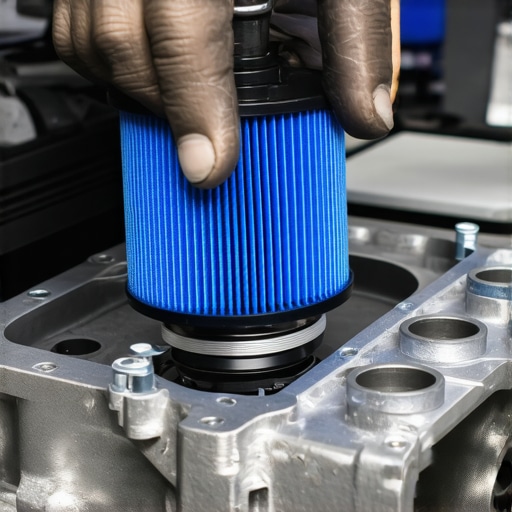
Does Synthetic Oil Actually Fix the Tick?
There is a massive debate over oil types, but when it comes to morning noises, viscosity is king. I once tried to cushion a noisy engine by using a much thicker oil than the manual recommended. I thought 20W-50 would act like a pillow for my valves, but I was wrong. The oil was so thick that it could not reach the upper galleries fast enough, making the ticking even louder for the first five minutes. You need to weigh the truth about synthetic oil vs conventional in older high mileage cars to see if a thinner, high-flow synthetic might actually solve the problem. Synthetic oil flows much better at low temperatures, ensuring that dry start period is cut down to almost zero.
Why Your Engine Only Cries When It Is Cold
If the noise only happens during the first few minutes, it is usually a physical clearance issue. Metal expands when it gets hot. When your engine is cold, those internal parts have microscopic gaps between them. If your oil is old or the wrong weight, it cannot fill those gaps effectively. This is where decoding vehicle diagnostics what your car is trying to tell you becomes vital. If the noise persists even after the car is warm, you are not looking at a cold-start issue anymore; you are looking at a mechanical failure like a worn-out rocker arm or a collapsed lifter. I have found that using a high-detergent additive can sometimes wash away the carbon buildup that makes these parts stick, saving you a four-figure repair bill.It is easy to think that throwing more money at the problem—like buying the most expensive ‘performance’ oil—will fix that morning rattle. But here is the contrarian truth: expensive oil is often a waste if your engine is already battling internal sludge. Many drivers fall for the synthetic oil myth that costs you fifty dollars every visit because they assume ‘premium’ means ‘fix-it-all.’ In reality, if your oil passages are restricted, a high-detergent conventional oil used in shorter intervals can sometimes do a better job of cleaning the gunk than a full synthetic that just flows right past the blockage. Have you ever fallen into this trap of buying the priciest fluids only to have the noise stay exactly the same? Let me know in the comments. The same logic applies to your stopping power. Most people wait until they hear a screech to check their brakes, but brake service myths busted what really matters for safety often center on what you cannot hear. I am talking about moisture. Brake fluid is hygroscopic, meaning it actively sucks water out of the air. According to research by the Car Care Council, roughly 18% of vehicles on the road have brake fluid so contaminated with water that it lowers the boiling point, leading to ‘brake fade’ when you need it most. You should not wait for a soft pedal; you need to recognize the brake fluid color that means you need a flush immediately. If it looks like dark tea, you are already in the danger zone. #IMAGE_PLACE_HOLDER_C#
Why does my car feel normal when the check engine light is flashing?
This is the ultimate trap for the modern driver. A flashing light usually indicates a ‘Type A’ misfire that is dumping raw fuel into your catalytic converter. You might not feel the shudder yet, but you are literally melting your exhaust system from the inside out. This is where how advanced vehicle diagnostics prevent costly breakdowns by catching the specific sensor failure before it cascades. Ignoring a minor code because the car drives fine is like ignoring a small leak in a dam. When you dive into the ultimate guide to brake service for safety and performance, you will realize that the hardware is only half the battle. The ‘oops’ factor usually happens when someone replaces the pads but forgets to grease the slide pins. Those pins are what allow the caliper to center itself; if they seize, your brand new pads will wear out in three months. It is these tiny, expert-level details that separate a temporary fix from a professional repair.
Stop Guessing and Buy a Real OBD2 Scanner
I don’t just guess anymore. I keep a Bluetooth OBD2 scanner in my glovebox at all times because waiting for a light to pop up on the dashboard is like waiting for your house to catch fire before buying an alarm. If you really want to know what is happening under the hood, you need to see the fuel trim levels in real-time. This is exactly how decoding vehicle diagnostics what your car is trying to tell you becomes a superpower. A ‘lazy’ oxygen sensor might not trigger a check engine light for weeks, but it will quietly murder your gas mileage and soot up your valves. By looking at ‘Live Data,’ I can see if the engine is running lean before it starts stumbling. This level of how advanced vehicle diagnostics prevent costly breakdowns is the difference between a twenty-minute sensor swap and a weekend spent pulling the intake manifold.
How do I keep my car running like new for another decade?
The secret is not a magic additive; it is a commitment to fluid integrity. For my brakes, I stopped doing the ‘pump and hold’ dance with a second person years ago. I invested in a pressure bleeder that pushes fresh fluid through the lines without any risk of introducing air or moisture. This is the trick for a perfect brake bleed every single time that most DIYers miss. When you follow the ultimate guide to brake service for safety and performance, you realize that moisture is the silent killer of calipers. The Bosch Automotive Handbook—a core reference for automotive engineers—notes that even a 3% water concentration can lower your brake fluid’s boiling point by over 100 degrees Celsius, leading to catastrophic brake fade under heavy loads. #IMAGE_PLACE_HOLDER_D#
The Future of Maintaining Your Own Vehicle
I truly believe we are moving toward an era of predictive telematics where your car will use AI to analyze vibration patterns and tell you a wheel bearing is going to fail exactly ten days before it starts humming. Until then, you have to be the sensor. Using essential auto repair strategies for frequent drivers means checking your own data logs every few months. I have seen that top auto repair tips to extend your vehicles lifespan always come back to the same thing: do not let small problems consolidate into a ‘total vehicle failure.’ If you want to take control, my advice is to skip the fancy car wash this weekend and spend that twenty dollars on a basic ELM327 scanner. Connect it to your phone and check your ‘Long Term Fuel Trims.’ If they are higher than 10%, you have a vacuum leak or a fuel delivery issue that is slowly eating your engine. Catch it now, and you will be driving that car long after your neighbors have traded theirs in for a monthly payment they cannot afford.
Three Engine Realities Most Shops Won’t Mention
After years of getting grease under my fingernails, I realized that the best tools aren’t always the biggest wrenches. First, that morning tick is often a gift—it is an early warning system that your oil flow is restricted. If you act when it’s just a tick, you avoid the eventual clatter of a failed camshaft. Second, I’ve found that using auto repair hacks save money without sacrificing quality is better than blindly buying the most expensive shelf-product that doesn’t actually address your engine’s specific wear patterns. Finally, remember that your car is a conversation; if you stop listening to the small changes in vibration or sound, it will eventually stop talking and start screaming for an expensive tow truck.
The Gear That Keeps My High-Mileage Engine Purring
I don’t leave my driveway for a long haul without a few specific items that have saved my wallet more than once. I always carry a reliable Bluetooth OBD2 scanner to perform vehicle diagnostics explained easy checks before your road trip. It’s saved me from three ‘phantom’ sensor scares that would have otherwise ruined a vacation. For my brakes, I swear by a dedicated pressure bleeder. It ensures I get the trick for a perfect brake bleed every single time, which is vital because moisture is the hidden enemy that rots your calipers from the inside out. Lastly, I keep a physical logbook in the glovebox to track the exact brand of oil filter used; knowing which brands provide the best anti-drainback protection is the secret to a silent cold start.
#FINAL_MAINTENANCE_VISUAL#
Own Your Peace of Mind Behind the Wheel
Maintenance isn’t about preventing your car from ever breaking; it is about staying in control of when and how you handle those repairs. By applying top auto repair tips to extend your vehicles lifespan, you transition from being a victim of ‘bad luck’ to being an informed owner who can spot a failing part months before it leaves you stranded. You deserve a car that starts reliably and stops predictably every single time you turn the key. If you ever feel stuck or overwhelmed by a new sound, you can always contact us for advice on your specific vehicle issues. Don’t let the fear of what’s under the hood keep you from enjoying the open road. Have you ever caught a major engine or brake issue just by listening to a strange new sound? Let me know in the comments below!