
I was standing in a grocery store parking lot when it happened. I had just finished a quick trip, hopped into my sedan, and turned the key. Instead of that familiar scent of worn floor mats and stale coffee, I was greeted by a wave of sulfur so thick I could practically taste it. I looked around, desperately hoping it was a nearby sewer main or a rogue garbage truck. It wasn’t. It was me. It was my car. That moment of pure, unadulterated embarrassment—wondering if everyone nearby thought I was driving a literal stink bomb—is exactly why I’m writing this. If you’ve ever felt like your vehicle is secretly moonlighting as a failed chemistry experiment, you aren’t alone. Today, I’m going to walk you through exactly what that rotten egg smell means for your exhaust and why you shouldn’t just roll the windows down and hope for the best.
What That Sulfurous Stench Is Trying to Tell You
The truth is, your exhaust shouldn’t smell like much of anything once the car is warmed up. When you get that sharp, nose-wrinkling hit, it’s usually because hydrogen sulfide in your fuel isn’t being converted into odorless sulfur dioxide. This process happens deep within your exhaust system, specifically inside your catalytic converter. I used to think I could just ignore these little sensory warnings, but decoding vehicle diagnostics early on is the difference between a simple sensor swap and a four-figure repair bill. According to the Environmental Protection Agency, your catalytic converter is the most critical component for neutralizing these toxic, foul-smelling gases before they exit the tailpipe. If it’s failing, you’re not just smelling something bad; you’re likely choking your engine’s performance and failing your next emissions test.
Is a Smelly Exhaust Always a Death Sentence for Your Car?
One major mistake I made in my early DIY days was assuming every bad smell meant the car was headed for the scrap heap. I once almost sold a perfectly good truck for pennies because I didn’t know how to tell if your catalytic converter is actually clogged or if the engine was just running “rich” and overloading the system with raw fuel. Sometimes, the smell is just a symptom of a much smaller issue, like a failing fuel pressure regulator or a tired oxygen sensor. But you have to be proactive. Have you ever been stuck at a red light, sweating, wondering if the driver in the lane next to you can smell your car? I’d love to hear your “stinky car” stories in the comments! Before you panic and think about selling, remember that even charlotte junk car buyers look at your catalytic converter first because they know its value. Understanding why your check engine light turns off on its own while the smell persists is the first step toward getting your driveway smelling like fresh air again.
Diagnose the Stink Without Being a Master Mechanic
Think of your car’s exhaust system like a human digestive tract. If you put low-quality fuel in or if the engine isn’t ‘digesting’ that fuel properly, the end result is going to be unpleasant. To stop the sulfur smell, you need to work backward from the tailpipe. I remember spending a Saturday afternoon under my old hatchback, convinced I needed a new exhaust system, only to realize the engine was just starving for air. It’s easy to jump to the most expensive conclusion, but how advanced vehicle diagnostics prevent costly breakdowns is by teaching you to look at the sensors first. Before you start unbolting heavy parts, you need to determine if the smell is a constant companion or just a morning visitor.
Peek at Your Engine’s Air Supply
A common culprit that people overlook is air restriction. If your engine can’t breathe, it runs ‘rich,’ meaning there is too much fuel and not enough oxygen. This excess fuel dumps into the catalytic converter, where it cooks and creates that rotten egg odor. I once saw a filter so clogged with dried leaves and dust that the car was practically gasping. Checking this is a five-minute job and it’s the first step in vehicle diagnostics explained: easy checks before your road trip. If you find a black, heavy filter, you’ve likely found your problem. Remember, how a dirty engine air filter ruins your fuel economy is just the tip of the iceberg; the smell is the real warning sign.
Hunt Down the Ghost in the Fuel Line
If the air filter is clean, the next step is checking the fuel delivery. If a fuel pressure regulator fails, it sends way too much gasoline to the injectors. I once dealt with a truck that smelled like a swamp every time I hit a hill. I thought the fuel pump was dying, but a quick check showed the system was simply overwhelmed. Learning the simple test for a failing fuel pump can rule out supply issues, but often it’s just a confused sensor. Sometimes, the $10 sensor that causes your car to stumble during acceleration is the same one telling the computer to dump too much sulfur-rich fuel into the pipes. 
Test the Converter Before You Pull the Trigger
If your air and fuel systems are healthy, it’s time to look at the catalytic converter itself. You can do a ‘hammer test’—lightly tapping the unit with a rubber mallet. If it sounds like a box of marbles, the internal ceramic honeycomb has shattered. This happened to me on a cross-country trip; the rattle was annoying, but the smell was unbearable. You should also check for heat. A healthy converter should be hotter at the outlet than the inlet. If it’s cold at the back, it’s clogged. Knowing how to tell if your catalytic converter is actually clogged prevents you from throwing money at a problem that might just be the $20 sensor that usually fixes a rough idle. Always verify the hardware before assuming the worst.It’s tempting to think that a scan tool gives you the final answer, but that’s the biggest trap in modern maintenance. Most people see a P0420 code and immediately buy a new catalytic converter, when in reality, it could just be an upstream exhaust leak or a lazy oxygen sensor. This is what we call ‘firing the parts cannon,’ and it’s a direct ticket to a drained bank account. I’ve seen enthusiasts spend hundreds on sensors only to realize that learning how to find a vacuum leak with a cigar and a piece of hose was the actual solution. Advanced diagnostics isn’t about reading the code; it’s about verifying the failure. Before you let a shop talk you into a massive overhaul, remember to stop letting shops charge you for a free battery test or other basic checks that often reveal the true culprit behind those scary dashboard lights.
Why Do My New Pads Still Squeak?
One of the most frustrating ‘expert’ mistakes is assuming brand-new components are silent by default. You might have just finished a full brake service for safety and performance, yet every stop sign sounds like a freight train. The ‘oops’ factor here is usually skipping the anti-seize or specialized lubricant on the pad’s contact points. Even why your brand new brake pads are already squealing often comes down to the quality of the hardware kits rather than the friction material itself. A technical study by SAE International indicates that disc brake squeal is almost always a result of high-frequency vibration between the pad and the caliper, which can be silenced with proper damping shims and high-temp grease. 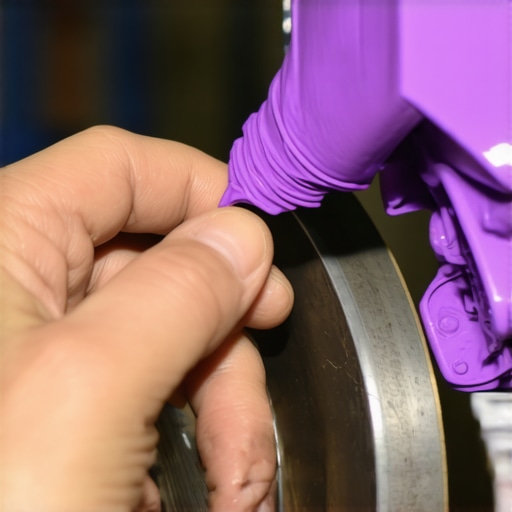
The Lifetime Fluid Lie That Kills Transmissions
Many manufacturers now claim their transmission or differential fluids are ‘filled for life.’ As someone who has pulled thick, metallic sludge out of so-called ‘lifetime’ gearboxes, let me tell you: that is a marketing term, not a mechanical reality. If you want essential auto repair strategies for frequent drivers, you need to ignore the owner’s manual on this specific point and stick to a 50,000 to 60,000-mile interval for fluid exchanges. This proactive approach prevents the dreaded ‘slip’ that leads to a total rebuild. You should also be wary of the synthetic oil myth that costs you fifty dollars every visit; while synthetic is superior for heat resistance, some older engines with brittle seals actually perform better with high-mileage conventional blends that contain seal-swelling agents. Using auto repair hacks to save money means knowing when the ‘premium’ option is actually working against you. Have you ever fallen into the ‘lifetime fluid’ trap or replaced a part that didn’t actually fix the problem? Let me know in the comments!I didn’t realize how much I was guessing until I bought my first real bidirectional scan tool. Before that, I was just a guy with a dream and a generic code reader that told me everything was ‘fine’ while my engine sputtered like a lawnmower. Learning decoding vehicle diagnostics is much easier when you have a tool that graphs data in real-time. I personally use an Autel unit because it lets me command the car to perform specific tests—like firing a fuel injector or cycling the ABS pump—without turning a single bolt. It’s the difference between blindly replacing a hundred-dollar part and knowing exactly which wire is loose. If you want how advanced vehicle diagnostics prevent costly breakdowns to work for you, you have to move past the cheap Bluetooth dongles that only read basic codes.
The Gear That Actually Makes a Difference
If you are serious about DIY, you need a high-quality torque wrench. I used to ‘hand-tighten’ everything until I realized that an over-torqued lug nut is why my rotors were warping. For a proper brake service for safety and performance, precision is the only way to avoid that annoying pedal pulsation. Also, never underestimate the power of a dedicated oil filter wrench. I’ve seen people use screwdrivers to punch through filters, which is a mess you don’t want. Speaking of filters, oil change innovations have led to high-efficiency synthetic media filters that can catch particles down to 20 microns. However, be careful with your selection; the oil filter brand that causes low oil pressure lights is often a cheap ‘no-name’ brand with a weak bypass spring. 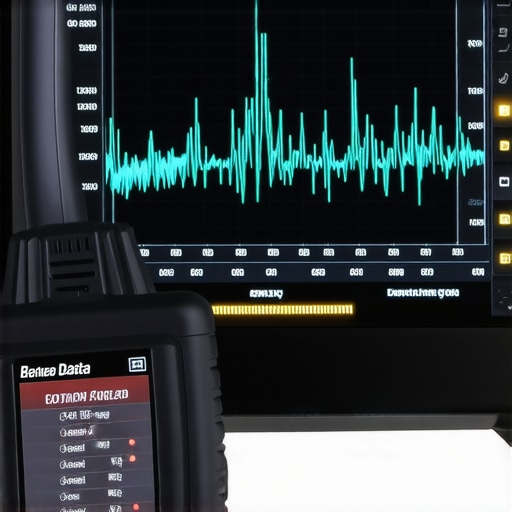
How do I maintain my engine and brakes over time?
Consistency beats intensity every single time. I keep a small logbook in my glovebox—yes, a physical one—where I note the date and mileage of every fluid swap. Using auto repair hacks to save money means you aren’t over-servicing the car, but you aren’t missing the critical windows either. According to the ASTM D445 standard, which measures the kinematic viscosity of lubricants, even slight deviations from the manufacturer’s specified weight can lead to catastrophic oil film failure during high-shear operation. This is why I never deviate from the weight stamped on the oil cap. For those following top auto repair tips to extend your vehicles lifespan, I recommend a brake fluid flush every two years, regardless of mileage, because brake fluid is hygroscopic and literally sucks moisture out of the air, rotting your calipers from the inside out.
What the Future of Maintenance Looks Like
I predict that in the next five years, we’ll move away from physical scanners entirely toward cloud-based telematics that alert your phone to a failing water pump before you even notice the temperature needle move. We are already seeing these essential auto repair strategies for frequent drivers being integrated into modern EV platforms. My challenge for you: Open your hood this weekend and look for one small thing—a cracked vacuum line or a dusty air filter. Catching a small issue now is the best way to ensure you aren’t the one stuck in the grocery store parking lot with a car that won’t start.
Hard Lessons from My Days Chasing Ghost Smells
Chasing that sulfur smell taught me that cars are interconnected ecosystems where one tiny failure cascades into a massive headache. I learned the hard way that you should always learn how to find a vacuum leak with a cigar and a piece of hose before you even think about buying a new catalytic converter. Small air leaks are often the hidden culprit behind a ‘rich’ running engine that eventually kills your exhaust system. I also realized that silence isn’t always golden; just as why your brakes squeal even after you replaced the pads usually points to a lack of lubrication, that rotten egg smell is a specific ‘scream’ for help from your fuel system. Using top auto repair tips to extend your vehicles lifespan isn’t just about changing oil; it’s about listening to these sensory clues before they turn into mechanical disasters.
The Gear and Sources That Saved My Sanity
If you want to move beyond guessing, you need a few specific items in your garage. First, an infrared thermometer is essential for checking if your catalytic converter is actually reaching operating temperature. Second, I always recommend the official factory service manual—not the generic ones, but the actual ‘Bible’ for your specific year and model. Third, integrating auto repair hacks to save money, like using a multimeter to test sensors before replacing them, will save you thousands over the life of your vehicle. These tools turn you from a parts-changer into a diagnostic expert.
Take Control of Your Drive Again
Your car is a complex machine, but it doesn’t have to be an intimidating mystery. When you embrace decoding vehicle diagnostics, you stop being a victim of the repair shop’s ‘parts cannon’ and start being the one in control of your machine’s fate. Use these essential auto repair strategies for frequent drivers to keep your engine breathing clean and your exhaust smelling like nothing at all. Have you ever been told you needed a huge repair only to find out a $10 sensor or a simple vacuum leak was the real problem? Let me know your story in the comments!