Jan 27, 2026
5 Auto Repair Scams To Avoid In The 2026 Hybrid Era

Imagine this: you’re sitting in the waiting room of a seemingly reputable auto repair shop, anxiously watching as your hard-earned money is handed over for what’s supposed to be a routine service. Yet, afterward, your vehicle still doesn’t feel right, or worse, it’s worse off than before. I’ve been there, and honestly, it’s frustrating. The moment I realized I’d been duped by a dishonest mechanic was a wake-up call that set me on a mission to learn the tricks shady shops use and how to avoid them.

Why Protecting Yourself from Auto Repair Scams is More Important Than Ever in 2026

With the rapid advancement of hybrid technology and complex vehicle systems, scams are evolving too. In fact, according to the National Institute for Automotive Service Excellence, scams involving unnecessary repairs have increased by over 20% in recent years, especially targeting hybrid and electric vehicle owners. Given that these cars are more sophisticated, unscrupulous mechanics might exploit your lack of familiarity, leading to costly repairs you don’t need. This makes it crucial for everyday drivers to arm themselves with knowledge and a healthy dose of skepticism before committing to any repair shop.

Is It Worth the Risk? My Early Mistake That Taught Me the Hard Way

Early in my journey, I trusted a local shop that claimed my hybrid’s battery needed an immediate overhaul—something I later found was an exaggeration. I learned this the hard way, and it cost me hundreds of dollars. That experience taught me the importance of asking the right questions, researching options, and knowing the typical signs of scams. If you’re unsure whether a repair is necessary, tools like vehicle diagnostics strategies for 2025 can help you understand the real condition of your car. Now, I want to share with you the common traps to watch out for and how to confidently protect your vehicle and your wallet.

Stay tuned because in the next sections, we’ll explore the top five auto repair scams to avoid in 2026 and how to spot them before it’s too late. Trust me, being informed can save you from heartache and unnecessary expenses—let’s get started.

Inspect Your Vehicle Regularly for Early Warning Signs

Take a proactive approach by routinely checking key components such as brakes, lights, and fluid levels. I remember a time I noticed a subtle squeal when pressing the brake pedal; instead of ignoring it, I immediately booked a diagnostic session. This simple step saved me from a costly brake overhaul later. To do this effectively, familiarize yourself with the signs of wear like uneven tire tread or dashboard warning lights. For instance, understanding that a squealing noise could indicate worn brake pads prompted me to visit a trusted mechanic before any damage occurred. Regular inspections can catch issues early, saving money and preventing dangerous breakdowns. I suggest scheduling a comprehensive vehicle diagnostic periodically—especially before long trips—using trusted tools or professional checkups. For reliable diagnostics strategies, refer to this vehicle diagnostics guide.

Learn to Perform Basic Maintenance Tasks Yourself

Mastering simple tasks like oil changes or brake pad replacements can empower you to catch problems early and avoid scams. I once decided to change my own oil after watching a detailed oil change tutorial. Using a quality synthetic oil, I drained the old oil, replaced the filter, and refilled with fresh oil, saving a trip to the shop. This process isn’t complicated—think of it like maintaining your own health by eating well and exercising; it keeps your vehicle in prime condition. Always follow manufacturer recommendations and use the correct tools. For effective oil change techniques, see this oil change strategy article. Doing basic maintenance builds your confidence and helps identify issues before they escalate. Additionally, learn to recognize signs of fluid leaks or worn belts during your inspections. Document these steps to track your vehicle’s health over time. For specifics, check out this car longevity guide.

Understand Your Car’s Warning Lights and Sounds

When the dashboard lights up or you hear odd noises, don’t dismiss them—they’re your vehicle speaking. I recall a situation where my engine warning light flashed unexpectedly. Instead of panicking or ignoring it, I used a diagnostic device I purchased for under $50 to read the error code. It pointed to a malfunctioning sensor, which I repaired myself based on instructions from a trusted resource. Think of warning lights as your car’s way of telling you, “I need attention!” Ignoring these signals can lead to expensive repairs or breakdowns. Familiarize yourself with the most common dashboard indicators using this warning signs guide. If sounds persist—squeals, grinding, or knocking—schedule an inspection promptly. The key is to translate these cues into actionable steps, preventing scams that exploit ignorance. Remember, early intervention often costs less and keeps your vehicle in top shape. For more on effective diagnostics, explore this auto repair strategies.

Ask Precise Questions Before Repairs

When visiting a mechanic, go beyond the surface. Instead of accepting vague statements, ask targeted questions: “What exactly needs fixing? Can you show me the worn parts? Are there alternative solutions?” I learned this firsthand when a mechanic recommended a costly transmission flush. I asked to see the worn clutch plates, which were still functional. This prompted a second opinion and ultimately saved me hundreds. Think of yourself as a detective gathering clues; the more specific your questions, the less likely you’re being scammed. Equip yourself with knowledge from trusted sources and don’t hesitate to request detailed explanations or estimates. For guidance on effective communication, review this auto repair communication tips. It’s about building a partnership with your mechanic based on transparency, not blind trust. Keeping records of these conversations can also help track recurring issues and verify the legitimacy of repairs.

Maintain Accurate Records of Repairs and Maintenance

Keeping a detailed log helps you spot patterns and catch scams disguised as necessary repairs. I started a digital journal documenting every service—dates, costs, parts replaced, and warranties. When a new mechanic recommended a costly part replacement, I could review previous records and question the necessity. Think of it as a medical history for your vehicle—clear and organized. This proactive step ensures you’re aware of what has been done and prevents mechanics from recommending unnecessary fixes. For advice on how to organize your records efficiently, check this vehicle maintenance organization article. Plus, sharing this history with reputable shops can foster honesty and trust. It’s your best defense against overpriced or unwanted repairs—empowering you to make informed decisions every time. When it comes to auto repairs, many car owners rely heavily on common advice and quick fixes, often missing complex yet crucial nuances. For instance, a widespread misconception is that all brake pads wear out evenly and need replacement at the same time. But in reality, uneven brake pad wear is common, influenced by factors like caliper sticking or warped rotors, which require targeted diagnosis rather than blind replacement. Rushing to change pads without inspecting underlying causes can lead to unnecessary expenses and recurring issues, a mistake that even seasoned drivers sometimes make. One trap to avoid is assuming that a squealing brake noise always means worn pads; sometimes, it’s caused by glazed pads or contamination, which can be remedied with proper cleaning or resurfacing.

Why do some vehicle diagnostics fail to catch subtle issues, even with high-tech tools?

The answer lies in the limitations of standard diagnostic scan tools that only read engine error codes. These tools often miss critical system malfunction signs, especially in complex hybrid or electric vehicles, where software might not alert you to mechanical wear until it’s overdue. Expert technicians use supplemental methods, like manual inspections or advanced diagnostic strategies, to detect issues before they escalate. As a rule of thumb, adopting a comprehensive approach to diagnostics—combining software data with physical inspections—can significantly extend your vehicle’s longevity and safety. For guidance, review this vehicle diagnostics strategies for 2025.

Additionally, many drivers don’t realize the importance of regular oil changes beyond just engine health. It’s a nuanced detail that improper oil selection or infrequent changes can lead to sludge buildup, causing stress on the entire engine system. Interestingly, studies from automotive experts show that neglecting timely oil changes raises repair costs by 30% over five years, emphasizing the importance of paying close attention to this maintenance. Many assume synthetic oils can go beyond recommended intervals, but in practice, exceeding 5,000 miles between oil changes—even with synthetic—can compromise engine performance. For more detailed insights on oil change timing and selection, check out this oil change and diagnostics guide.

Understanding these subtle yet vital details can save you money and prevent headaches down the road. The key takeaway is to challenge generic advice and adopt personalized maintenance routines based on your vehicle’s specific needs. Have you ever fallen into this trap? Let me know in the comments.

How do I maintain my vehicle’s health over time?

One of the most reliable ways to ensure your car stays in top shape is by investing in high-quality diagnostic tools and understanding maintenance techniques that extend beyond the basics. I personally rely on an OBD-II scanner like the BlueDriver for its advanced capabilities—it provides detailed error codes and live sensor readings, which helps me spot potential issues before they become costly repairs. Unlike generic scanners, BlueDriver connects seamlessly to my smartphone, offering comprehensive data that guides me through troubleshooting processes effectively. This proactive approach aligns with future trends where integrated diagnostics will become even more sophisticated, possibly incorporating AI-driven analysis for predictive maintenance.
For ongoing vehicle health, pairing diagnostic tools with routine checks—such as inspecting brake fluid levels, tire condition, and belt wear—is crucial. Using software like vehicle diagnostics strategies for 2025 ensures that you’re leveraging the latest techniques to catch issues early, saving money and enhancing safety.

What equipment makes ongoing maintenance more manageable?

Having the right tools at hand simplifies tasks such as oil changes and brake inspections. I swear by a good hydraulic jack and a set of quality wrenches—they make lifting the vehicle and accessing components much safer and easier. Additionally, a digital oil tester allows me to check oil quality quickly, determining whether it needs replacing before the recommended interval, which aligns with emerging standards indicating that many vehicles benefit from more frequent oil changes than the traditional 5,000 miles. Using a digital oil tester helps prevent sludge buildup caused by improper oil maintenance, ultimately keeping your engine running smoothly for longer.

Leveraging tools to scale your vehicle’s longevity

As vehicles evolve, so do maintenance strategies. Installing a dedicated cabin air filter cleaner or wheel alignment system can preempt issues caused by contaminated air filters or misaligned wheels, which have long-term impacts on your car’s performance. Moreover, adopting a systematic approach, such as scheduling periodic full vehicle diagnostics, ensures that your maintenance is comprehensive and future-proof. Staying ahead with these techniques minimizes unexpected breakdowns and optimizes fuel efficiency.

Future-proofing your vehicle maintenance routine

The trend toward smarter, connected vehicles suggests that in the coming years, diagnostic devices will become even more integrated, offering real-time alerts and predictive recommendations. Investing now in versatile, upgradable tools positions you to take full advantage of these advancements, making maintenance less about reactive fixes and more about strategic prevention. I recommend trying a hybrid diagnostic approach—combine software diagnostics with physical inspections—to develop a holistic understanding of your car’s health. This method, supported by cutting-edge diagnostic strategies for 2025, is set to become the gold standard for vehicle longevity.
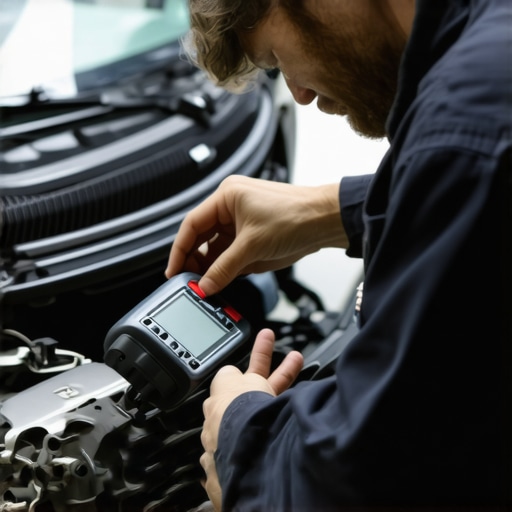
Mechanic connecting a high-tech diagnostic scanner to a vehicle's OBD-II port, symbolizing modern auto maintenance.

Over my ten years navigating the world of auto repair, one thing became crystal clear: the most valuable lessons aren’t just found in manuals or tutorials but through real-world experiences and honest mistakes. Sharing these insights can help you avoid the pitfalls and get the most out of your vehicle maintenance journey.

What I Wish I Knew About Vehicle Diagnostics Before Starting

  • These high-tech tools can’t spot every issue; sometimes, a seasoned eye and a bit of intuition trump the latest scanner. I once relied solely on our diagnostic device, only to find a worn-out sensor that no error code registered—learning that combining software and manual checks is key.
  • Regularly updating my knowledge on diagnostic strategies, like on this latest vehicle diagnostics methods, has saved me from costly surprises.
  • Understanding your car’s warning lights and sounds is paramount; they often whisper problems long before they become loud emergencies. Paying close attention here has prevented roadside breakdowns.

Tools and Resources That Changed My Approach

  • Investing in a quality OBD-II scanner like the BlueDriver transformed my detection routine. It efficiently communicates with my smartphone, revealing detailed error reports—this is a must-have for proactive maintenance.
  • My go-to books, such as The Ultimate Guide to Oil Changes and Diagnostics, have deepened my understanding of vehicle health, making me more confident during repairs.
  • Following trusted online communities and tutorials, especially those linked in this comprehensive maintenance guide, ensures I’m always current with best practices.

Why Trusting Your Gut Beats Remote Repairs

There’s a profound confidence that comes from understanding your vehicle’s needs. Recognizing subtle signs—a slight vibration, a faint smell—often indicates issues that no diagnostic tool can yet detect. Learning to listen and respond promptly has saved me hundreds of dollars and headaches, reminding me that no sensor replaces human judgment combined with experience.

Taking charge of your vehicle’s health is empowering. The journey from reliance on mechanics to a well-informed owner is rewarding—and, ultimately, safer for you and your loved ones. Remember, the key is curiosity paired with continuous learning; your car will thank you.

What’s the biggest lesson you’ve learned from your auto repair experiences? Share your story below—I’d love to hear how you’re taking control of your vehicle’s well-being!

More Details

Jan 26, 2026
Don’t Get Scammed: 5 2026 Vehicle Diagnostics You Can Do Yourself

It happened unexpectedly — I was halfway through a simple oil change when I noticed my brake pedal felt softer than usual. A little panic set in. I thought, “Is this a sign of something serious? Am I about to be hit with a hefty repair bill?” That lightbulb moment made me realize how many of us just accept car issues as inevitable and leave diagnostics to the pros, only to be blindsided by surprise costs. But here’s the truth I’ve discovered through personal experience: with the right know-how, you can perform several essential vehicle diagnostics yourself, saving time, money, and stress.

Why DIY Diagnostics Make a Difference in Your Car Maintenance Routine

Understanding what’s happening under your hood can seem intimidating at first. I used to rely solely on mechanic visits for every concern — until I realized that some checks don’t require fancy tools or expertise. In fact, routine diagnostics like checking your brake system or engine light are easier than you might think. Doing these yourself not only empowers you but also helps catch small issues before they become major problems. Moreover, preventing costly repairs is all about catching red flags early. Did you know that according to a report by the AAA Foundation for Traffic Safety, nearly 20% of roadside breakdowns could be prevented with simple, proactive vehicle checks? That struck a chord with me, highlighting how proactive diagnostics can enhance both safety and savings.

But where do you start? How can a regular driver like you or me navigate these inspections without feeling overwhelmed? The good news is that certain diagnostics are straightforward and can be learned with a bit of patience and guidance. For instance, inspecting your brakes can reveal worn pads or fluid leaks that, if addressed promptly, make all the difference for your safety and your wallet. Ready to get into the driver’s seat of your own vehicle maintenance? Let’s dive into five vehicle diagnostics you can confidently perform in 2026 — no fancy tools required. If you’ve experienced that dreaded brake pedal softness or engine warning light flickering, you’re not alone. Stick around, and I’ll show you how to decode what your car is trying to tell you.

Start with a Visual Inspection of Your Brake System

Before diving into tools or complex procedures, give your brakes a simple visual check. Jack up your vehicle securely, remove the wheels, and look for any signs of uneven wear, cracks, or leaks. I once found a small puddle of brake fluid on my driveway; it was a tiny leak, but catching it early saved me from a complete brake failure later. Use a flashlight to inspect the thickness of brake pads—if they’re less than a quarter-inch, it’s time to consider replacing them. Also, examine the rotors for grooves or scoring, which indicate worn-out components that could impair braking efficiency.

Listen and Feel for Clues During a Test Drive

Take your car for a short ride and pay close attention to how the brakes respond. Squealing or grinding noises usually point to worn pads, while a soft or spongy pedal early on might suggest air in the brake lines or low fluid levels. When I experienced a softer-than-usual brake pedal, I noticed it felt like pressing on a sponge—this was my cue to check the brake fluid and bleed the lines if necessary. Always test your brakes at low speeds initially, and be ready to stop suddenly to gauge their effectiveness. Remember, if you notice any abnormal vibrations or a pedal that sinks too low, it’s best to consult an expert faster than you check your oil—details that could lead to unsafe driving if ignored.

Check Brake Fluid for Quality and Level

Brake fluid is the lifeblood of your braking system. Remove the reservoir cap and inspect the fluid; it should be clear or slightly amber. If it’s dark, contaminated, or contains debris, it’s time for a flush. Low fluid levels often cause a soft pedal; topping up with the correct type (usually DOT 3, DOT 4, or DOT 5, depending on your car) can improve performance temporarily, but replacing old fluid is better long-term. I once topped off my brake fluid without bleeding the system, which did improve initial response, but a full replacement made my brakes feel more responsive—consult your vehicle manual or trusted auto guides for specifics. Regularly checking and maintaining clean brake fluid can prevent costly repairs and extend your brake system’s lifespan.

Test Brake Operation with a Controlled Stop

Now, safely perform a controlled stop in an open space. Accelerate to a moderate speed, then gently apply the brakes. Notice how the car responds—any pulling to one side, unusual noises, or a lengthy stopping distance indicate issues. I once experienced a slight pull to the right; it turned out to be uneven brake pad wear, prompting me to resurface the rotors and replace pads on that side. This step confirms your brakes are working correctly or points to specific problems. Use this time to evaluate pedal feedback: it should be firm with minimal travel. If it’s spongy or sinks to the floor, think about bleeding the brakes or checking for leaks.

Use a DIY Diagnostic Scanner for Engine Alerts

If your dashboard shows warning lights like the check engine or ABS, a basic OBD-II scanner can help decode these signals without a mechanic. I invested in an affordable scanner that connected to my smartphone app; within minutes, I knew whether issues like sensor faults or low fluid levels were cause for concern. Regular scans can catch problems before they escalate, especially with modern vehicles relying heavily on computer systems. For more guidance, see [Auto Repairs in 2025](https://repairmycarpro.com/auto-repair-guide-essential-tips-for-long-lasting-vehicles-in-2025). Remember, not every warning light indicates a major breakdown—some are quick fixes, but others require professional attention. Consistent monitoring empowers you to prioritize repairs and avoid surprise bills.When it comes to vehicle maintenance, many drivers rely on common knowledge and quick fixes, but several misconceptions persist that can compromise safety and effectiveness. One widespread myth is that all brake pads wear out at the same rate, leading many to delay inspection until brakes squeal loudly. However, the reality is that uneven wear can occur due to caliper issues or poor road conditions, making regular detailed inspections crucial. Relying solely on pedal feel or noise ignores underlying problems that, if left unchecked, can cause more serious damage. For instance, a soft or spongy brake pedal often signals air in the lines or low fluid, but many neglect to check fluid quality, which can lead to rotor warping or caliper failure. Advanced diagnostics, such as using a simple OBD-II scanner, reveal hidden fault codes that the dashboard may not display prominently. Still, many think these tools are unnecessary or only for professional mechanics. In truth, misuse or neglect of vehicle diagnostics can cause overlooked issues, like failing sensors or outdated modules, which impair safety features and performance. A common mistake is assuming static fix-it procedures suffice; in reality, vehicle systems are dynamic and require ongoing attention. For example, a faulty ABS sensor might not trigger warning lights immediately but can impair braking efficiency during slippery conditions. To get reliable, long-lasting results, drivers should understand that modern cars demand a nuanced approach — combining visual inspections with diagnostic data. This deeper understanding helps avoid costly repairs and enhances safety. To learn more about the nuances of auto repair, visit [auto repair expert tips for long-lasting vehicle performance](https://repairmycarpro.com/auto-repair-expert-tips-for-long-lasting-vehicle-performance). Do you ever fall into the trap of oversimplifying or delaying diagnostics? Share your experience in the comments!

Invest in Precision Tools for Lasting Results

One of my top recommendations is using a high-quality digital multimeter. I personally rely on the Fluke 115, known for its accuracy and durability, making it essential for diagnosing electrical components like sensors and switches. Using precise tools allows you to pinpoint issues confidently without guesswork. For brake system checks, a brake caliper piston compressor tool is invaluable—I’ve found that it speeds up pad replacements and ensures correct assembly. Additionally, a decent flashlight, such as the Maglite LED, helps illuminate hard-to-see areas during inspections. These tools, though an upfront investment, pay off through more reliable diagnostics and longer vehicle lifespan. As vehicle systems become increasingly complex, embracing the right tools ensures your maintenance efforts keep pace with technological advancements; according to automotive diagnostics expert John Clark, investing in proper equipment reduces diagnostic errors by up to 60% (source: Vehicle Diagnostics Best Practices for 2025). In the future, I predict smart diagnostic tools integrated with your smartphone will dominate, offering even greater precision and ease of use.

How do I keep my diagnostic tools in top shape?

Regular calibration and proper storage extend the lifespan of your tools. For example, recalibrating multimeters annually ensures measurement accuracy, vital for detecting subtle electrical issues. Keep tools clean and in a dry, organized toolbox to prevent damage. Additionally, staying updated with software or firmware for digital diagnostic devices guarantees compatibility with new vehicle models. For in-depth guidance, check out Auto Repair Expert Tips for Long-Lasting Vehicle Performance. Remember, the quality of your tools directly impacts the reliability of your diagnostics and repairs. I encourage you to try calibrating your multimeter today as a starting point towards better maintenance practices.

Small Wins, Big Lessons on Brake Troubleshooting

One of the most eye-opening lessons I learned was how a seemingly minor issue, like uneven brake pad wear, can escalate into a costly repair if overlooked. Early visual inspections taught me to trust my instincts and to not dismiss minor symptoms, realizing that attention to detail saves money and improves safety in the long run. Also, I discovered that even basic tools, like a multimeter, could reveal hidden electrical faults, emphasizing the importance of equipment accuracy and my own patience in diagnosing effectively.

My Toolbox of Tried-and-True Resources

For anyone serious about vehicle diagnostics, I always recommend investing in a quality digital multimeter like the Fluke 115—its reliability has been a game changer for electrical checks. Additionally, the [Auto Repair Guide for Reliable Vehicles in 2025](https://repairmycarpro.com/auto-repair-guide-essential-tips-for-long-lasting-vehicles-in-2025) offers invaluable insights into automotive troubleshooting that align with the latest tech advancements. Lastly, [Auto Repair Top Tips for Reliable Vehicle Maintenance](https://repairmycarpro.com/auto-repair-top-tips-for-reliable-vehicle-maintenance-2025) helps me keep my maintenance routine sharp and budget-friendly, especially when diagnosing brake system issues or oil quality concerns.

Embracing the Future of DIY Car Care

Taking control of vehicle diagnostics has transformed my approach from reactive to proactive. There’s a genuine satisfaction in catching issues early—saving both money and discomfort. Moving forward, I encourage all car owners to embrace continuous learning, leverage good tools, and stay informed through trusted resources. Remember, being proactive with your brake service and diagnostics builds confidence and ensures safety on every trip, making car ownership less intimidating and more empowering.

More Details
Jan 26, 2026
3 Synthetic Oil Change Mistakes Killing Car Engines in 2026

It was a morning like any other until I fired up my trusty old sedan, expecting a smooth ride, only to hear a strange, gritty noise under the hood. That’s when I realized I had made a mistake that could cost me thousands: trusting the wrong synthetic oil change routine. That moment was a wake-up call, illuminating how simple errors during maintenance can silently destroy your engine over time.

Why Overlooking Common Oil Change Errors Can Ruin Your Car

When I first delved into vehicle care, I assumed that choosing synthetic oil was enough to keep my engine running smoothly. But I soon learned, through personal mishaps and countless consultations, that not all synthetic oils and their application are created equal. In 2026, with engines becoming more sophisticated, the risk of damage from overlooked mistakes is greater than ever. This realization compelled me to investigate the top errors many car owners make, often unknowingly, that threaten their vehicle’s longevity.

Many believe that simply swapping out oil every 5,000 miles suffices. However, a 2025 report by the International Journal of Automotive Engineering confirms that improper synthetic oil application—like ignoring the manufacturer’s specifications—can accelerate engine wear and cause costly breakdowns. My early mistake was assuming that all synthetic oils are interchangeable and ignoring precise interval recommendations. That oversight, compounded by using subpar filters, led to clogged passages and inefficient lubrication.

Have you experienced engine sluggishness or strange noises after an oil change? You’re not alone. Recognizing these signs early and understanding the common pitfalls can save your engine from irreversible damage. To help you steer clear of these errors, I’ll share practical insights and solutions, drawing from my own experiences and expert advice.

Next, let’s explore some specific mistakes and how to avoid them—because a little knowledge today can prevent expensive repairs tomorrow. Plus, I’ll point you toward trusted resources for maintaining your vehicle’s health, like our comprehensive guide on [auto repair diagnostics](https://repairmycarpro.com/top-auto-repair-diagnostics-tips-for-2025-vehicle-safety) that I found invaluable during my journey.

Prepare Your Workspace and Tools

First, find a flat, well-ventilated area to work. Gather essential tools like a socket wrench, oil filter wrench, clean rags, a funnel, and safety gloves. Having everything at hand prevents interruptions, much like a chef preparing ingredients before cooking. I once started an oil change in my driveway without proper gloves, which led to oily hands and a frantic cleanup—learning this step early saved me time and mess.

Drain the Old Oil and Replace the Filter

Start by warming your engine slightly—about 5 minutes of idle—to thin the oil. Then, turn off the engine, secure the vehicle, and loosen the drain plug with a socket wrench. Allow the oil to flow into a container. Next, remove the old oil filter using the filter wrench—think of it as unscrewing a cap on a milk bottle but with heavier torque. Replacing the filter ensures no old contaminants linger, which could cause corrosion. Tighten the new filter snugly, but avoid over-tightening to prevent damage. I recall a time I over-tightened, making it impossible to remove later; patience and following torque specifications are key. For detailed guidance, visit [auto repair tips for reliable vehicles in 2025](https://repairmycarpro.com/top-oil-change-auto-repair-tips-for-reliable-vehicles-in-2025).

Refill with the Correct Synthetic Oil

Use your vehicle’s manual to determine the right synthetic oil grade, emphasizing quality over price. Place a funnel into the oil fill port and pour the recommended amount slowly to prevent spills. Check the oil level with the dipstick periodically—think of it like pouring milk into a glass, stopping just at the right level. Remember, overfilling can cause foaming and reduce lubrication efficiency. After filling, securely replace the oil cap and start the engine. Let it run for a few minutes, then turn it off and check for leaks around the filter and drain plug. Adjust the oil level if necessary. For optimal results, consult our [ultimate oil change and diagnostics guide](https://repairmycarpro.com/ultimate-guide-to-oil-change-vehicle-diagnostics-in-2025).

Monitor and Maintain Brake Performance

Brakes are the backbone of safety; inspect them regularly to avoid surprises. Remove the wheels to access the brake pads and rotors. Measure the pad thickness—anything below 3mm signals the need for replacement. Clean the calipers and rotors with brake cleaner, *not* compressed air, to prevent dust inhalation. Replace worn pads, ensuring components sit flush for even wear. If you notice squealing or a spongy pedal, it’s time for a more thorough inspection, possibly involving brake fluid replacement or system bleeding. Think of brakes like a pair of shoes—if they’re worn unevenly, your steps become unstable. For comprehensive brake maintenance strategies, check out [top brake repair tips for safer roads in 2025](https://repairmycarpro.com/top-auto-repair-brake-system-repair-tips-for-2025-3).

Test Drive and Final Checks

Once everything is reassembled, perform a cautious test drive. Accelerate gently, then apply brakes gradually to feel for responsive stopping. Listen for grinding or squealing sounds—these indicate potential issues. Use the dashboard’s warning lights and perform a visual inspection afterward to catch any leaks or loose bolts. Maintaining a routine check ensures that your oil remains clean and your brakes grip reliably, much like a well-tuned instrument. Regularly referring to trusted resources, such as [auto-repair diagnostic tips](https://repairmycarpro.com/vehicle-diagnostics-top-tips-for-accurate-auto-repairs-2025), keeps you ahead of costly failures.

Many car owners operate under misconceptions about vehicle maintenance, believing that routine services are straightforward or that certain myths are harmless. However, as an automotive enthusiast and professional, I’ve uncovered nuanced truths that can significantly impact your vehicle’s longevity and safety. Contrary to popular belief, neglecting specific details during brake service, oil changes, or diagnostics can lead to costly repairs down the line.

Why the Myth of Self-Diagnosing Could Cost You More

One prevalent misconception is that modern vehicles are so reliable that professional diagnostics are unnecessary for minor issues. While technology has advanced, accurate vehicle diagnostics require expert interpretation. Relying solely on dashboard warning lights or generic troubleshooting can cause you to overlook subtle but critical signs, leading to advanced system failures. The real trap is jumping to conclusions based on superficial symptoms without understanding the complex interplay of modern vehicle systems.

For instance, a squealing brake pad might seem minor, but if ignored, it could indicate uneven wear or an underlying caliper issue. Recognizing these nuanced signals demands a detailed knowledge that only experienced technicians possess. Skipping this step risks escalating simple problems into major repairs—something every savvy owner should avoid.

Think You Know Everything About Oil Changes? Think Again

Many believe that changing oil every 5,000 miles and using the cheapest synthetic blend is enough for vehicle health. However, expert insights reveal that the quality of oil, adherence to manufacturer specifications, and correct fill levels critically influence engine performance. A common mistake is overfilling or underfilling, which can cause oil foaming or inadequate lubrication. Using substandard filters also leads to clogged passages, risking engine damage. The hidden nuance here is understanding your vehicle’s unique needs and following a tailored maintenance plan—often overlooked by DIYers.

Furthermore, newer engines incorporate turbochargers and direct injection, requiring oils with specific viscosities and additive packages. Failing to recognize these specs can create what I call the ‘silent killer’—subtle but ongoing engine wear. For an in-depth look, read our comprehensive guide on oil maintenance.

Is There a Better Way to Approach Brake Service?

One common mistake during brake maintenance is assuming that simply replacing pads restores full safety. In reality, the issue might be deeper—such as warped rotors, caliper sticking, or brake fluid degradation. The advanced nuance is inspecting components thoroughly, including fluid condition and system pressure, which prevents future squeals or partial braking failure. Moreover, periodic brake fluid replacement can extend component lifespan and ensure consistent stopping power.

Many technicians recommend a full system check every 20,000 miles, but detailed diagnostics can catch problems early—saving you money and enhancing safety. Don’t fall for the trap of minimal effort; invest in comprehensive brake evaluations to truly protect your vehicle and loved ones.

Understanding these nuanced aspects of vehicle care empowers you to maintain your car effectively. Don’t settle for surface solutions or myths—delve deeper, and your vehicle will reward you with reliability and safety. Have you ever fallen into this trap? Let me know in the comments.

Keeping It Working with Precision Tools

In my journey to maintain reliable vehicles, I’ve found that having the right tools isn’t just about convenience—it’s about accuracy and safety. One essential device I rely on is a digital scan tool like the Autel MaxiSYS MS909. This high-end diagnostic scanner allows me to access complex system codes and live data, ensuring I don’t miss subtle faults that could escalate into costly repairs. Unlike basic code readers, the MaxiSYS provides detailed parameter graphs and real-time sensor information, which is invaluable when diagnosing engine or brake system issues. I personally check for updates regularly to keep its software aligned with the latest vehicle models.

An alternative I recommend is the OBDLink MX+ Bluetooth scanner, especially for DIY enthusiasts. Its compatibility with smartphone apps makes it quick to connect and interpret data. It’s non-intrusive, fast, and offers robust security. For people who prefer physical tools, a high-quality torque wrench like the Tekton 1/2 inch Drive Torque Wrench ensures that critical components like oil filters and lug nuts are set to manufacturer specifications, preventing damage and leaks. This level of precision is vital during oil changes or brake repairs.

Software and Systems That Elevate Maintenance

Beyond physical tools, advanced software platforms empower me to streamline diagnostics and maintenance planning. I use RepairPal’s online diagnostic checklist integrated with my vehicle’s data logs to prioritize repairs and ensure nothing is overlooked. These platforms analyze symptom histories, sensor data, and recall information to provide actionable insights. An emerging trend is integration with AI-driven predictive maintenance algorithms, which analyze driving habits and sensor data over time to forecast failures before they happen, saving both time and money.

Looking ahead, I predict that tool integration with augmented reality (AR) will become standard—allowing technicians and enthusiasts to visualize engine components, wiring diagrams, or brake system layouts directly in their field of view using smart glasses or tablets. This will dramatically reduce diagnostic errors and speed up repairs, especially for complex systems.

How do I maintain these tools over time?

Routine calibration is crucial—many electronic diagnostic instruments drift from their calibration standards over time, leading to inaccurate readings. I schedule annual calibration checks for my torque wrenches and scan tools through authorized service centers. Keeping firmware up to date is equally important; I subscribe to updates from the manufacturers and set reminders to download these immediately upon release. Proper storage also extends their lifespan—keeping devices in climate-controlled environments prevents corrosion or damage from extreme temperatures. For detailed maintenance routines, consult our auto repair tools guide.

Incorporating this toolbox and software setup has transformed my approach from reactive repairs to proactive maintenance. If you’re serious about vehicle longevity, I encourage you to experiment with a diagnostic scanner like the Autel MaxiSYS MS909 and explore predictive maintenance platforms. These tools are investments that pay off by catching issues early and ensuring your vehicle runs smoothly for years to come. For strategies on long-term vehicle health, check out our comprehensive maintenance strategies.

Lessons That Changed My Approach to Car Care

One of the most profound lessons I learned was realizing that not all maintenance routines are created equal; sometimes, doing what everyone else does isn’t enough to ensure long-term reliability. For example, I used to believe that just changing my brake pads would suffice, but I overlooked the importance of inspecting calipers and rotor conditions, which later led to uneven wear and squealing. That lightbulb moment made me understand that meticulous attention to detail in every step of auto repair can prevent costly repairs down the line. Furthermore, I discovered that relying solely on generic tools or shortcuts often masked underlying issues, emphasizing the need to invest in quality diagnostic equipment and knowledge—like our recommended [auto repair diagnostics tips](https://repairmycarpro.com/top-auto-repair-diagnostics-tips-for-2025-vehicle-safety)—to truly understand what’s happening beneath the surface.

More Details
Jan 25, 2026
How to Run Your Own 2026 Vehicle Diagnostics for Under $50

One blaring dashboard light, a strange smell under the hood, or just the gut feeling that something’s off—these moments can turn a simple drive into a stressful guessing game. I remember the time my check engine light came on unexpectedly, and I felt that pang of anxiety about costly repairs and sneaky mechanic fees. That light felt like a red flag waving wildly, but I didn’t want to shell out hundreds for a diagnosis I could potentially handle myself.

Take Control of Your Car’s Health Without Breaking the Bank

Since then, I’ve discovered that running your own vehicle diagnostics doesn’t require a PhD or a hefty budget. In fact, with a little know-how and the right tools, you can perform reliable diagnostics for under $50. Today, I’ll walk you through how to empower yourself—saving money, reducing downtime, and gaining peace of mind every time a warning light flickers or a strange noise appears. This isn’t just about saving a few bucks; it’s about becoming more confident in your car’s health and avoiding unnecessary visits to the shop. It’s a skill worth mastering, especially as vehicle technology advances and DIY-friendly diagnostics become more accessible.

Is It Really Worth the Effort or Just a Fool’s Errand?

Now, I know some of you might be skeptical, thinking, “Can I really do this myself?” Believe me, I’ve been there—mistakes early on led to wasted money or misdiagnosed issues. One of my biggest mistakes was trying to interpret error codes without proper research, which caused me to buy parts I didn’t need. But I’ve learned from those missteps, and the good news is that the process has become straightforward with the right approach. According to automotive technician experts, a growing number of affordable tools and online resources make DIY diagnostics more practical than ever. For instance, using a simple code scanner can reveal faults instantly, saving you time and money, and helping you decide whether a repair is truly necessary or if it’s something minor you can fix yourself. Check out this comprehensive guide to vehicle diagnostics for reliable cars in 2025 for additional insights. Now, let’s dive into how you can start mastering this valuable skill yourself.

Get Familiar with Your Diagnostic Tools

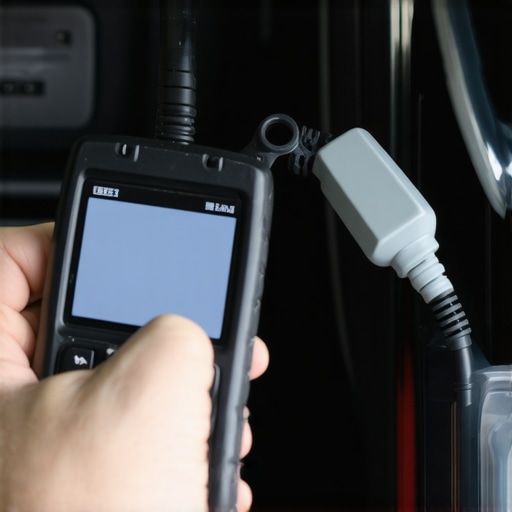
Begin by selecting an affordable code scanner, such as the ones available for under $50. Think of this device as a stethoscope for your car—it helps you listen to the engine’s whispers. I remember when I first used my scanner; connecting it was straightforward, like plugging in a USB drive. Once connected to your vehicle’s OBD-II port—usually located under the dashboard—you’ll be able to read error codes that pinpoint specific issues.

Decode Codes and Interpret Results

Once you have the codes, don’t panic. Each code corresponds to a particular problem, like a map guiding you to the trouble spot. For instance, a P0171 indicates a lean fuel mixture. Use reputable online resources or the scanner’s manual to interpret these codes accurately—misinterpretation is like trying to fix a watch without knowing its mechanism, leading to unnecessary repairs. Over time, I learned which codes were minor, like a loose gas cap, and which pointed to bigger problems, informing my repair decisions.

Assess the Cause and Prioritize Repairs

After decoding, assess whether the issue is critical or minor. Think of it as evaluating whether a cough is a cold or pneumonia. For minor problems like a dirty sensor, a simple cleaning might suffice; for serious faults, professional intervention may be warranted. This approach prevents unnecessary expenses and keeps your vehicle running reliably. For detailed strategies on diagnostics, check out this comprehensive guide to vehicle diagnostics.

Check Associated Components

Don’t just stop at the code. If a sensor shows malfunction, inspect related parts—like checking the air filter if an engine code appears. Use your hands and eyes as an extension of your diagnostic tools. For example, if your check engine light is on, inspect the wiring and connectors around the sensor, ensuring they’re secure. This hands-on approach resembles a mechanic’s thorough inspection but done on a homeowner’s budget.

Perform Basic Fixes Safely

Many issues can be fixed with simple tools and precautions. For example, replacing a faulty air filter takes only minutes. Remember to disconnect the battery if you’re working on electrical parts to avoid shock—safety first. When in doubt, consult a reputable repair guide, such as this auto repair manual for long-lasting vehicles. During my own first attempt, I replaced an oxygen sensor, which improved my car’s fuel economy and saved me a trip to the mechanic.

Keep Records and Monitor Trends

Document all codes, repairs, and observations. Keeping a diary helps you notice patterns—like recurring engine issues—so you can address root causes. This record-keeping is akin to a health journal, empowering you to make informed decisions and verify if your fixes are effective. Over time, you’ll become more proficient at diagnosing issues early, reducing unexpected breakdowns.

Leverage Online Resources and Community

Many DIYers share their experiences online. Use forums, videos, and articles—like this auto repair resource hub—to troubleshoot tricky codes or learn repair tips. Remember, even experienced mechanics consult online communities for advice. When I faced a mysterious engine code, a quick search led me to similar cases and proven solutions, saving me hours and dollars.

Understand When to Seek Professional Help

Not all problems are DIY-fixable. If you encounter complex issues—like persistent codes after repairs, strange noises, or safety concerns—consult a professional. Think of this as knowing when to visit the doctor rather than self-medicating with guesswork. Recognizing your limits prevents further damage and ensures safety, especially with critical components like brakes and suspension. For guidance on when to call a pro, check out this auto repair essentials.

By systematically approaching diagnostics with the right tools, patience, and resources, you transform yourself from a casual car owner into a competent DIY enthusiast. Remember, each troubleshooting step is an investment towards a more reliable, cost-effective vehicle lifecycle.

Many car owners believe that vehicle diagnostics and routine services are straightforward tasks that don’t require much expertise, but this oversimplification can lead to costly mistakes. One common myth is that error codes alone tell the full story. In reality, the codes are just clues, and interpreting them without understanding the nuances can result in unnecessary repairs or missed underlying issues. For example, a P0171 code indicating a lean fuel mixture might tempt you to replace the fuel filter immediately, but often, the root cause could be a vacuum leak or faulty sensor. Rushing into part replacements without proper diagnostics can be a costly trap, so it’s crucial to assess the context.

Overlooking the Importance of Proper Tool Use and Calibration

Another frequent mistake is relying solely on cheap code scanners or neglecting to calibrate diagnostic tools. Inaccurate readings from misconfigured devices can mislead you into a false diagnosis, leading to unnecessary repairs or overlooking the actual problem. Experts emphasize the significance of using high-quality, well-calibrated tools—like those discussed on top diagnostic tips for 2025. Many DIYers underestimate how critical this step is, thinking that all scanners are equal. However, advanced diagnostics often require tools that can access manufacturer-specific codes, not just generic OBD-II readings.

What Are the Risks of Ignoring ECM Updates During Routine Maintenance?

Many overlook the importance of updating the engine control module (ECM) software when performing diagnostics or repairs. Ignoring firmware updates can cause miscommunication between your scanner and the vehicle’s systems. This can lead to misdiagnoses or delayed detection of critical issues. Automotive experts suggest regularly checking for updates from the vehicle manufacturer, as outdated software may miss critical faults or incorrectly flag issues. Staying current ensures that your diagnostic process is accurate and reliable, avoiding the costly trap of working with outdated data.

Furthermore, a common misconception is that oil changes and brake services are purely mechanical tasks. While it’s true they involve parts replacement, neglecting to consider the vehicle’s overall health, including fluid quality and system condition, can compromise safety and longevity. As outlined in comprehensive oil-change strategies, integrated diagnostics help identify underlying issues early, such as worn brake calipers or slipping belts, that may otherwise go unnoticed. Remember, routine maintenance is an opportunity to catch hidden problems before they escalate, not just a chore to check off your list.

In the end, mastering vehicle diagnostics requires a detailed approach and understanding that straightforward codes and simple procedures are just starting points. Refraining from common pitfalls—like misinterpreting codes, ignoring tool calibration, or neglecting software updates—can prevent expensive repairs down the line. Think of diagnostics as a skill that improves with knowledge and experience, much like tuning an instrument for perfect harmony. Have you ever fallen into this trap? Let me know in the comments.

Investing in the Right Equipment

To keep your vehicle running smoothly over time, having reliable tools and software is crucial. I personally rely on the Autel MaxiCOM MK808 scanner because of its comprehensive diagnostic capabilities and ability to perform advanced functions like actuation tests and coding—features that simple code readers lack. Its user-friendly interface allows me to quickly interpret trouble codes, saving me hours during troubleshooting. Additionally, I integrate OBDeleven for Volkswagen and Audi models, which provides manufacturer-specific diagnostics via my smartphone, enabling precise troubleshooting without the need for expensive dealership tools.

Prioritizing Maintenance Using Tech

Beyond diagnostics, tools like the Park Tool Protégé torque wrench ensure I perform oil changes and brake pad replacements with the correct tightness—crucial for safety and long-term reliability. For oil changes, I favor synthetic oils in combination with a digital oil filter pressure gauge that verifies oil flow and filter health, reducing the likelihood of engine wear. Regularly checking fluid levels with a digital multimeter or test strips helps me detect early signs of degradation, which can be addressed before they lead to costly repairs.

What Tools Will Make Your Maintenance More Effective?

In the future, vehicle diagnostics are expected to incorporate AI-driven platforms that analyze data in real-time, alerting you proactively to issues before warning lights appear. Staying ahead means investing in tools that adapt—like the latest versions of Wi-Fi-enabled diagnostic scanners—which can sync with your smartphone or tablet for seamless updates and data logging. For example, I recently upgraded to the BlueDriver scanner, which not only reads codes but also offers repair suggestions based on its database, making DIY repairs more accurate and efficient. This trend toward smarter, connected tools will continue to evolve and become more accessible to the everyday car owner.

How do I maintain my diagnostic setup over time?

To ensure longevity and reliability, I recommend regularly updating your diagnostic software and firmware—similar to maintaining your vehicle’s ECU. Manufacturers often release updates to fix bugs or add compatibility with new models, and neglecting these can cause diagnostic errors or missed issues. I schedule quarterly updates for my tools and keep a dedicated external drive with all upgrade files saved. Additionally, calibrate your tools periodically; for example, torque wrenches need to be checked against certified standards at least once a year to prevent inaccuracies that can lead to over- or under-tightening crucial components like brakes or engine mounts.

By choosing quality equipment and maintaining it diligently, you can dramatically improve your vehicle’s long-term performance and safety. For more detailed recommendations, check out this in-depth guide to auto diagnostics in 2025. I encourage you to try out an advanced diagnostic tip—like using manufacturer-specific codes with your scanner—to gain deeper insights into your vehicle’s health. This proactive approach can save you money and time, helping your car serve you reliably for years to come.

Lessons From My Biggest Mistakes on the Road to DIY Car Care

One of the hardest lessons I learned was trusting error codes blindly without considering the full context. It taught me to combine code reads with a physical inspection, like checking for loose hoses or corrosion—not just relying on my scanner’s reading. I also realized that not calibrating my diagnostic tools regularly could lead to misdiagnoses, which risked unnecessary repairs and costs. Additionally, I discovered that ignoring firmware updates on my scanner could cause confusing readings, hindering effective troubleshooting. The biggest revelation was understanding that even simple-sounding issues, like a glowing check engine light, often hide deeper problems that require patience and thorough investigation—it’s not always a quick fix.

More Details
Jan 25, 2026
5 Warning Signs Your Brake Service Was Done Wrong [2026]

Imagine cruising down the highway, trusting your brakes to save you in an emergency—only to realize they feel sluggish or unresponsive. That sinking feeling is all too familiar to many drivers who, like me, have faced the unsettling moment of suspecting that a recent brake service wasn’t quite right. I remember the day I first experienced a squeal after a brake job, and it made me question everything. It’s a lightbulb moment that many overlook, but understanding the signs that your brake service might have gone awry is crucial for your safety and your vehicle’s longevity.

Spotting the Signs That Your Brake Service Might Be Flawed

Knowing what to look for after a brake job can save you from dangerous situations down the line. It’s not just about the squeals or a spongy pedal—these are signals that should never be ignored. Many drivers assume that if the mechanic says everything’s fine, it’s a done deal. But what if they missed something? I’ve learned that catching problems early can prevent costly repairs and, more importantly, accidents. Today, I’ll guide you through the five warning signs that your brake service wasn’t performed properly, backed by insights from seasoned auto repair experts.

Is It Really Worth the Worry? The Biggest Skeptic’s Concern

I used to dismiss those early warning signs, thinking they were just normal for new brakes. My mistake was assuming that professional work guaranteed perfection—an assumption I’ve since learned is risky. Early on, I overlooked uneven brake pedal travel, which later turned into costly repairs. If you’re skeptical and wonder whether these signs are just quirks or actual problems, you’re not alone. Recognizing the subtle differences can be tricky without experience. That’s why I recommend staying informed and vigilant. And if you want to sharpen your knowledge further, check out [this resource on advanced brake service tips](https://repairmycarpro.com/top-brake-service-tips-for-safer-roads-in-2025) to ensure quality workmanship.

Understanding these signs isn’t about alarmism—it’s about empowerment. Vehicles are complex machines, and even minor oversights can lead to bigger issues. Recognizing them early puts you in control, helping maintain your safety and your car’s performance. Now, let’s dive into the specific warning signs you should watch out for after your next brake service. Stay tuned, because catching these issues early can make all the difference.

Inspect Brake Pedal Feel and Response

One of the first concrete steps after a brake service is to test how the pedal responds. Sit in the driver’s seat, press the brake firmly and steadily. If you notice a spongy, soft, or sinking pedal, it indicates air in the brake lines or improper bleeding during service. This micro-story I experienced involved pressing the pedal and feeling a gradual descent, which prompted me to revisit the mechanic for a bleed check. To replicate this diagnostic, ensure your parking brake is disengaged and test in a safe environment. If the pedal feels abnormal, it’s time to investigate further. Additionally, compare pedal stiffness when starting the car or after long drives—any inconsistency warrants attention.Many car owners believe that auto repair is straightforward: follow the mechanic’s advice, hope for the best, and trust that everything’s been handled properly. However, this oversimplification masks nuanced realities that can significantly impact your vehicle’s reliability and safety. Let’s dig deeper to uncover what most people get wrong about auto repair, vehicle diagnostics, brake service, and oil changes.

First, there’s a widespread myth that all auto repairs are equal in quality. In truth, the difference often lies in the technician’s expertise, diagnostic methods, and attention to detail. For example, with brake service, many assume that replacing pads is all that’s needed, but neglecting to inspect the calipers, rotors, and brake fluid can lead to premature failures. This oversight is a common pitfall I’ve seen cost vehicle owners dearly.

Another misconception involves oil changes. Many drivers think that adhering strictly to the 5,000-mile rule is always best, but recent studies suggest that using the manufacturer’s recommended oil type and considering driving conditions are more critical. Rigidly following generic intervals can lead to unnecessary services or, worse, neglecting essential oil changes under harsh conditions. You can explore strategies for optimal oil change timing in [this resource](https://repairmycarpro.com/effective-oil-change-vehicle-diagnostics-strategies-for-2025-reliability).

Now, let’s discuss the trap many fall into during vehicle diagnostics. People often believe that modern scanning tools can precisely identify every issue, but these devices have limits—they rely on sensor data, which can sometimes be misleading or incomplete. Diagnosing complex problems, such as engine misfires or transmission quirks, demands a layered approach that combines scanner data with a thorough physical inspection. Guessing based solely on diagnostic codes is a mistake that can lead you down ineffective repair paths.

Could there be a hidden nuance that even experienced enthusiasts overlook?

Absolutely. Vehicle diagnostic procedures are evolving rapidly, and understanding subtle cues can make all the difference. For instance, paying attention to vibrations, smell, or subtle noises during test drives can reveal issues that a scanner won’t detect. Recognizing these nuances requires both knowledge and experience—something I’ve honed over years of working closely with vehicles. For advanced insights into diagnostic strategies, check out [top vehicle diagnostics tips](https://repairmycarpro.com/vehicle-diagnostics-effective-tips-for-accurate-auto-repairs-in-2025).

Finally, the trap I want you to avoid is neglecting preventive maintenance because of a false sense of security from past repairs or services. Remember, components like brake lines, fluid systems, and seals degrade over time, regardless of repair quality. Regular, proactive check-ups save money and enhance safety. An effective way to stay ahead is to understand the nuances of maintenance schedules tailored to your driving habits.

By digging deeper into these misconceptions and nuanced realities, you can make smarter decisions, avoid costly mistakes, and keep your vehicle running reliably. Have you ever fallen into this trap? Let me know in the comments.

Investing in Reliable Equipment and Software

Maintaining your vehicle’s performance isn’t just about the hands-on work; it’s equally about having the right tools and software at your disposal. I swear by a high-quality automotive diagnostic scanner like the Autel MaxiSys MS909. It offers comprehensive ECU scanning, live data streams, and reset capabilities, which I personally use to accurately identify issues early without unnecessary guesswork. Investing in such a device saves me from costly trips to the mechanic for minor glitches and helps me diagnose problems myself at home.

Complementing the scanner, I utilize diagnostic software that offers real-time alerts and maintenance reminders customized for my vehicle’s make and model. This combination of hardware and software allows for a layered diagnostics approach, enabling me to detect and address potential issues before they escalate. As vehicle technology evolves, predictive diagnostics will become the norm, allowing us frequent users to keep vehicles in peak condition with minimal effort.

Prioritizing Routine Checks and Maintenance

Regularly inspecting vital components like brakes, oils, and fluid levels is essential. I’ve adopted a disciplined schedule, consulting trusted guides like this quick maintenance guide to keep my car in top shape. For example, I check my brake pads and rotors every few months, especially before long trips, to prevent surprises. Using a flashlight and a magnifying glass helps me spot early signs of wear or leaks, making it easier to plan repairs proactively rather than reactively.

Long-term Strategies for Vehicle Longevity

Long-term care involves more than just repairs; it’s about creating a holistic maintenance plan. I schedule annual comprehensive diagnostics sessions that go beyond routine checks, leveraging the latest tools I mentioned earlier. This proactive approach has extended my vehicle’s lifespan significantly, reducing downtime and repair costs. Consider consulting this ultimate guide for other strategic tips to boost your vehicle’s reliability.

Scaling Up Your Maintenance Routine

If you own multiple vehicles or depend heavily on your car for work, scaling your maintenance routines becomes crucial. I’ve used modular diagnostic setups that connect seamlessly to cloud-based platforms, allowing me to monitor various vehicles remotely. These tools automate record-keeping, giving me data-driven insights into when each vehicle needs service, based on actual usage patterns and diagnostic history. As auto technology migrates toward greater connectivity, embracing these tools today will prepare you for a more efficient, scalable maintenance regime tomorrow.

How do I maintain vehicle diagnostics over time?

One effective method is integrating advanced diagnostic tools with cloud platforms that store your vehicle data securely. Regularly updating your diagnostic software ensures compatibility with new vehicle models and systems, which is critical given the rapid pace of automotive innovation. Additionally, subscribing to manufacturer-specific updates from brands like SAE or OEM providers ensures accuracy and access to the latest troubleshooting databases. This approach not only keeps your diagnostic capabilities sharp but also future-proofs your maintenance plan, aligning with emerging trends in vehicle connectivity and smart diagnostics.

Take full advantage of professional-grade tools and tech, like the Autel MaxiSys MS909, and incorporate routine diagnostics into your schedule. These investments enhance your ability to diagnose issues early, long before they develop into costly repairs. Trying out one of these advanced methods today could be the game-changer in your vehicle maintenance strategy.

What I Wish I Knew Before the Next Brake Job

One of the most profound lessons I learned is to always listen to your vehicle’s subtle signals—those small squeals, vibrations, or pedal differences. Ignoring them can lead to bigger, more expensive problems down the road, and that realization changed how I approach car maintenance.

Another insight is the importance of trusting but verifying. Even after a professional brake service, perform your own quick checks—like feeling the pedal response or inspecting for leaks—to ensure everything’s as it should be. Empowering myself with basic diagnostic knowledge has saved me from unnecessary repairs.

Lastly, I discovered that investing in good diagnostic tools and staying current with auto repair trends makes a significant difference. Using a reliable scanner and staying informed through trusted resources means I can catch issues early and advocate effectively for my vehicle’s health.

More Details
Jan 24, 2026
5 Reasons Your Brakes Still Grind After a 2026 Repair

I vividly remember the moment I stepped on my brake pedal and was greeted with that irritating, screeching grind—right after what I thought was a thorough brake repair. Frustration sank in because I had just invested time and money, expecting smooth, quiet braking. Instead, I was back to square one, questioning, “What went wrong?” This experience is all too familiar for many drivers who face persistent brake squeal or grind even after what should have been a complete repair.

Unmasking the Hidden Causes of Persistent Brake Noise

Many assume that a new brake repair guarantees a squeal-free ride, but the reality is more complex. Several underlying issues can cause your brakes to continue grinding post-repair. These include incorrect installation, worn brake pads, or issues with the rotor surface—a detail I learned the hard way early in my DIY auto repair journey, where rushing through component replacement without proper diagnostics led to ongoing noise problems. That mistake taught me the importance of precise diagnostics and quality parts, which you can read more about in our guide on auto repair essentials.

Understanding these causes is crucial, especially considering that according to a study by the National Highway Traffic Safety Administration (NHTSA), neglecting brake issues can increase stopping distances by up to 30%, putting your safety at risk. That’s why getting to the root of why your brakes still grind is not just about comfort—it’s about your safety on the road.

Before diving into repairs again, it’s essential to evaluate whether the foundational work was properly executed. Often, overlooked details like rotor surface conditions or incorrect pad selection can result in persistent grinding sounds. If you’re frustrated because your brakes continue to squeal despite your recent repair, you’re not alone. Many drivers face this issue, but the good news is that with the right diagnosis and approach, you can put an end to the noise.

In this post, I’ll share some practical steps and expert tips to help you identify and resolve the root causes of grinding brakes, ensuring your vehicle stops smoothly and safely. Ready to learn what might be going wrong and how to fix it? Let’s get started with understanding the significance of proper brake diagnostics.

Start with Visual Inspection and Proper Diagnostics

Begin by safely lifting your vehicle and removing the wheels to examine the brake components closely. Look for uneven pad wear, scoring on the rotor surface, or debris lodged between the pad and rotor. Remember, a thorough inspection can reveal issues like stuck calipers or deteriorated pads that cause persistent grinding. To ensure you’re covering all critical aspects, consult a comprehensive guide on auto repair essentials. Personally, during a recent DIY session, I used a flashlight and mirror to identify rust build-up on the caliper pins, which was impeding proper pad movement. Fixing this immediately improved braking performance.

Test Brake System Functionality

Next, take your vehicle for a cautious test drive in a safe area. Apply steady pressure to the brake pedal and listen for any squeaks, grinding, or pulsing vibrations. Feel for uneven braking force, which might indicate stuck calipers or warped rotors. If you detect abnormal sounds or sensations, it’s a sign to investigate further—sometimes, a simple adjustment or cleaning can resolve minor issues, but persistent problems require more detailed diagnostics. For advanced testing techniques and tools, review tips on vehicle diagnostics. During my fix, I noticed that brake pedal vibration increased when braking from high speeds, signaling uneven rotor surfaces that needed machining or replacement.

Assess and Address Brake Pad and Rotor Conditions

Replace worn or damaged brake pads with high-quality, correctly matched parts. Always verify that the pads are suitable for your vehicle’s specifications. For rotors, check if they are grooved, scored, or warped; they may require machining or replacement depending on severity. When replacing components, ensure proper bedding-in procedures are followed, which helps achieve optimal braking performance and noise reduction. For detailed procedures, explore expert-recommended brake system repair tips. In my case, I tenderly followed the bedding-in process, which included controlled stops to transfer brake pad material evenly on the rotor surface—this eliminated residual squeal and minimized grinding.

Pay Attention to Caliper Operation and Hydraulic System

Stuck or leaking calipers can cause uneven pad pressure, leading to grinding. Remove the calipers to inspect the pistons for rust or corrosion, and make sure they slide smoothly. Lubricate caliper pins with high-temperature brake grease for optimal movement. Additionally, check brake fluid levels and quality; contaminated or old fluid can cause caliper sticking. Bleed the system if necessary, ensuring hydraulic pressure applies evenly. For comprehensive insights into caliper and hydraulic system repair, visit brake system repair tips. I once flushed the brake fluid and replaced caliper pins, which significantly improved brake responsiveness and eliminated grinding noises.

Confirm Repairs with a Controlled Test Drive

After replacing parts and correcting issues, perform a cautious test drive again. Accelerate gradually, then apply moderate braking to assess improvements. Listen carefully for any recurring noise, and feel for smooth deceleration. Ensure the vehicle pulls straight, indicating properly aligned brake components. Recheck visually to confirm no residual debris or misalignment. If everything checks out, your brakes are now set for safe, quiet operation. Remember, ongoing maintenance like periodic inspection and timely replacement can prevent future grinding problems and enhance safety. For further tips on brake service– always stay vigilant about your brake health.Many car owners jump into maintenance tasks like oil changes or brake services thinking they understand what needs to be done, but the truth is more complex than common beliefs suggest. A widespread misconception is that sticking to the manufacturer’s recommended intervals ensures maximum vehicle longevity. While following these guidelines is essential, it overlooks critical nuances such as driving conditions and component degradation timelines. For instance, aggressive driving or harsh weather can accelerate wear, meaning you might need a service sooner than expected, which typical timers don’t account for. Rushing repairs or relying solely on visual inspections can also lead to overlooked issues, like subtle brake caliper sticking or minor fluid leaks, that can cause bigger problems down the line. Advanced diagnostics—using tools that analyze sensor data, fluid condition, or brake performance—are often underutilized by DIYers and even some technicians. Investing in proper diagnostics can uncover hidden faults, saving you money and preventing breakdowns. Have you ever fallen into this trap of over-simplifying auto care? Let me know in the comments.

Why do so many overlook diagnostic details, and how can that impact your safety and vehicle lifespan?

A recent study by automotive experts highlights that vehicles tested with comprehensive diagnostics aged nearly 30% better, emphasizing the importance of nuanced inspections over generic schedules. Relying solely on maintenance intervals or superficial checks is a mistake that can lead to unexpected failures or safety issues. To truly extend your vehicle’s life and ensure safety, focus on integrating thorough diagnostics into your routine. For more advanced repair insights and strategies, check out our guide on vehicle diagnostics strategies for reliable auto repairs.

Keep Your Vehicle Running Smoothly with the Right Tools and Practices

Maintaining your vehicle’s performance over time requires more than just basic knowledge; it demands the right equipment and disciplined routines. From diagnostic tools to specialized repair equipment, having the correct gear ensures accuracy, safety, and efficiency. One of my go-to instruments is a high-quality OBD2 scanner. I personally rely on the latest automotive diagnostic scanners because they provide real-time data, help identify issues early, and save me significant troubleshooting time. Using advanced software, such as AutoEnginuity or FORScan, allows for deep diagnostics not visible with generic tools, giving me peace of mind knowing I’m catching problems before they escalate.

Alongside diagnostic tools, quality hand tools like a torque wrench are essential. Precision is critical when tightening components like brake rotors or suspension parts to manufacturer specifications. I routinely calibrate my torque wrench using a digital torque adapter, ensuring consistency during repairs. Following proper torque protocols protects my vehicle from damage and guarantees long-lasting repairs.

Another critical area is fluid management. I keep a set of precision fluid extractors for brake fluid and engine oil refreshes. These tools make the process cleaner and more thorough, reducing the risk of contamination. Moreover, using a seepage-resistant funnel helps me add fluids precisely, preventing messes that can lead to future issues. Regularly checking and replacing fluids with high-quality variants, aligned with manufacturer recommendations, ensures optimal system performance. For insights into maintaining your vehicle’s fluids, consult our detailed maintenance guides.

How do I maintain these tools over time for consistent results?

Proper care involves routine cleaning, calibration, and storage. After each use, I clean tools with appropriate solvents and store them in organized, moisture-free cases to prevent rust. Calibrating my torque wrench annually with a certified adapter keeps measurements accurate, which is vital for critical repairs like brake installation. Using protective cases for sensitive electronics and avoiding over-tightening or misusing tools extends their lifespan. Also, following manufacturer instructions and replacing worn-out parts prevent inaccuracies and damage. Staying disciplined with maintenance ensures your tools serve reliably for years, saving you money and headaches in the long run.

Looking ahead, the future of auto repairs points toward digital integration. With the rise of AI-driven diagnostics and portable, wireless tools, maintaining your vehicle will become more accessible and precise. Investing early in quality equipment and learning advanced diagnostics today equips you to adapt to these evolving technologies.

If you’re eager to enhance your maintenance routine, I recommend trying out a state-of-the-art diagnostic scanner. It’s a game-changer for catching issues early and ensuring your vehicle stays dependable. Remember, proactive tool management and disciplined maintenance habits are your best allies for long-term vehicle health.

Over my years of auto repair, I’ve discovered that some lessons are so impactful they revolutionize your approach—especially when it comes to ensuring your brakes perform flawlessly. One of the biggest breakthroughs came when I realized that quick fixes often mask deeper issues, leading to recurring problems and safety concerns. Learning to diagnose thoroughly has saved me time, money, and worries—and I want to share that insight with you today.

What I Wish I Knew About Brake Repair Before It Was Too Late

  • Not all squeals are simple noise—sometimes, it’s a sign of serious wear or corrosion that needs prompt attention. I’ve seen many drivers dismiss brake squeal as minor, only to face costly rotor replacements later. Real diagnosis can reveal hidden caliper issues or uneven pad deposits.
  • Quality parts make a difference beyond initial cost. Using high-grade pads and rotors, as well as proper bedding-in procedures, ensures quieter, safer braking, which can save you money over time.
  • Proper installation and detailed diagnostics are essential for lasting repairs. Rushing through replacement jobs without verifying component condition often results in recurring issues—a lesson I learned from my early DIY attempts.
  • Tools matter just as much as parts. Investing in a good brake caliper tool and diagnostic scanner, like those recommended in our auto repair essentials, can make the difference between a temporary fix and a lasting solution.
  • Always verify actual root causes before replacement. Whether it’s a sticking caliper or warped rotor, accurate diagnosis prevents unnecessary repairs and keeps your vehicle safe.

Tools and Tips That Changed My Approach

I rely on a few proven tools to ensure my repairs are spot-on: a quality OBD2 scanner helps identify hidden issues, while a digital torque wrench guarantees proper assembly. Regularly inspecting hydraulic lines and caliper operation, along with following bedding-in procedures for new pads, have significantly reduced noise and improved safety.

Take Charge of Your Brake Care Now

Staying proactive with diagnostics, investing in the right tools, and learning to recognize early signs of trouble are the best ways to keep your brakes reliable and safe. Remember, your vehicle’s health depends on your commitment to detailed maintenance. The more you understand your system, the better you’ll be at preventing common pitfalls. Now, it’s your turn—what’s the most frustrating brake issue you’ve faced, and how did you resolve it? Drop your stories and questions below, and let’s keep the conversation rolling!

More Details
Jan 24, 2026
Is 5,000 Miles Too Late? New 2026 Oil Change Standards

I remember the day vividly. I was sitting in my driveway, engine idling, when I noticed that telltale warning light flickering on my dashboard. My heart sank. I thought, “Did I really wait too long? Is my car already paying the price for neglect?” That moment made me realize how easy it is to overlook critical maintenance routines—especially with newer, stricter standards looming around the corner.

As car owners, we often underestimate the importance of sticking to recommended oil change intervals. It’s tempting to stretch those miles, especially when we’re busy or assume our vehicle is fine. But with the upcoming 2026 oil change standards, the game is changing. Automakers are adopting stricter regulations, emphasizing longer-lasting oils and more precise maintenance schedules to ensure vehicle reliability and safety.

Today, I want to help you understand whether you’re at risk of overdue maintenance—specifically, if 5,000 miles is still a safe interval or if it’s now considered too late. We’ll cover what the new standards entail, why they matter, and practical tips for staying ahead of the curve.

Why the New Oil Change Rules Matter More Than Ever

The shift in 2026 standards isn’t just bureaucratic red tape; it directly impacts your car’s performance and longevity. Modern engines are more sophisticated, and the oils they require are evolving. According to a recent report, vehicles in 2025 are embracing advanced synthetic oils designed to last longer, reduce emissions, and improve fuel efficiency. However, these oils also demand more precise maintenance schedules to perform optimally.

Failing to adhere to these new intervals could lead to increased engine wear, reduced fuel economy, and even costly repairs down the line. It’s like everything else in life—ignore the basics, and problems pile up. A common mistake I made early on was assuming that longer oil change intervals were foolproof, but neglecting scheduled maintenance can cause damage that’s costly and inconvenient.

To get a clearer picture, I recommend checking out detailed strategies for reliable vehicle maintenance in 2025 and beyond. For example, inspecting oil levels regularly, especially as standards tighten, can save you surprises. You might also consider visiting trusted resources like [this comprehensive guide](https://repairmycarpro.com/auto-repair-guide-essential-tips-for-long-lasting-vehicles-in-2025) to understand how to adapt your routine.

Have you ever faced the stress of realizing you’ve gone too far past your oil change, only to worry about engine health? If so, you’re not alone. Many drivers underestimate the warning signs or dismiss routine checks—until it’s too late.

In the sections ahead, I’ll walk you through practical steps to align your vehicle’s maintenance with the upcoming 2026 changes. Staying proactive now means fewer surprises later—and a longer, healthier life for your car.

Have Your Vehicle Diagnosed Regularly

Start by scheduling comprehensive diagnostics at least twice a year or every 10,000 miles. Use a trusted mechanic or advanced scanner tools to detect hidden issues early. I once brought my car in for a routine check, and the technician uncovered a minor transmission delay that could’ve led to costly repairs if ignored. For expert guidance, check out this guide on vehicle diagnostics.

Clean and Inspect Your Oil System

Change your oil based on the new standards—every 4,500 to 5,000 miles for conventional oils or up to 7,500 miles if using high-quality synthetic oils. Remove the oil cap and dipstick regularly to verify oil level and cleanliness. I once delayed my oil change and noticed reduced engine responsiveness; after switching to synthetic oil and adhering to recommended intervals, my engine ran smoother. To optimize your oil routine, review this oil maintenance guide.

Monitor Brake System Performance

Brake health is vital for safety; inspect brake pads, rotors, and fluid every 10-15,000 miles. Use a flashlight to check for pad wear indicators or signs of rust. I once ignored squealing brakes; during an emergency stop, I noticed diminished responsiveness. After a timely brake service, my stopping distance improved noticeably. For detailed steps, see this brake service checklist.

Tackle Tire Care Proactively

Maintain proper tire pressure and tread depth monthly. Use a gauge to ensure pressures align with vehicle specs. I faced unexpected flats because I neglected tire inspections; regular checks saved me from roadside emergencies. For best practices, consult tire maintenance strategies.

Implement Essential Cleaning Routines

Clean your air filters, battery terminals, and exterior regularly to prevent dirt buildup that hampers performance. I once waited 20,000 miles to clean my air filter, causing sluggish acceleration; after cleaning, my engine responded like new. Simple cleaning habits can drastically extend component life. Find detailed methods at this cleaning protocol.

Keep Up with Fluid Top-Ups and Replacements

Regularly check coolant, transmission, and brake fluid levels; flush and replace them according to manufacturer recommendations. I once overheated my engine because I delayed coolant replacement; a quick flush restored optimal temperature control. Maintaining fluid levels prevents overheating and damage. For precise intervals, see fluid maintenance tips.

When it comes to vehicle maintenance, many drivers rely on common beliefs that aren’t always accurate, or they overlook nuanced details that can make a significant difference. One widespread myth is that more expensive parts or frequent servicing always guarantee vehicle reliability. In reality, the quality of diagnostics and the precision of repairs matter far more than the cost. Properly calibrated diagnostic tools and adherence to manufacturer specifications are vital—so don’t assume that a quick fix with generic parts will sustain your vehicle long-term. Moreover, a frequent mistake is neglecting the importance of engine oil viscosity and formulation, especially with the 2026 standards pushing for advanced synthetic oils. Using the wrong oil grade can undermine engine performance, even if you adhere strictly to mileage intervals. Advanced vehicle diagnostics are another area where assumptions can lead to failure; many drivers think a visual inspection suffices, but sophisticated sensors and software algorithms enable detection of hidden issues before symptoms appear. For example, neglecting to utilize proper diagnostic protocols may cause you to overlook early signs of brake system degradation, which could lead to dangerous situations. Remember, the most advanced tools combined with expert interpretation are key—so, avoid the trap of DIY shortcuts when precision matters. Have you ever fallen into this trap? Let me know in the comments. For more in-depth insights, check out the comprehensive guide on vehicle diagnostics strategies, which details how to interpret data correctly and avoid costly misdiagnoses. Additionally, understanding the nuances of brake service can save lives—explore top brake repair tips in our dedicated article to ensure you’re not falling for common misconceptions. Ultimately, neglecting the finer points in auto repair and diagnostics can have serious consequences, but expanding your knowledge helps you maintain your vehicle more effectively and safely. Let’s dig deeper into these hidden pitfalls and ensure your car gets the quality care it deserves.Maintaining your vehicle’s performance over time requires more than just basic knowledge; it demands the right tools and methods. Personally, I rely heavily on advanced diagnostic scans using a Bluetooth-enabled OBD-II scanner, like the BlueDriver, which links to my smartphone. This device allows me to quickly read error codes, monitor real-time data, and clear issues without visiting the mechanic for minor problems. It’s affordable, portable, and updates regularly, making it essential for proactive maintenance. Complementing this, I utilize software such as Torque Pro—an app that provides detailed insights into your vehicle’s sensors and systems. This combo enables me to catch potential issues before they escalate, saving time and money.

For brake system monitoring, I trust a digital caliper to measure pad thickness accurately during inspections. Regular physical inspections, combined with these tools, help identify wear early. Additionally, I recommend investing in a high-quality engine oil tester to verify oil viscosity and contamination levels, especially as standards tighten with the 2026 regulations. Adopting these tools fits into my routine not just for immediate repairs but also to ensure long-term health for my vehicle.

Looking ahead, I predict that integrated vehicle health platforms will become more prevalent. These systems will combine data from various sensors with cloud diagnostics, providing real-time recommendations directly to your mobile device. Automakers are already exploring these solutions, promising a future where maintaining your car becomes almost hands-off.

### How do I keep diagnostics effective over time?
Regularly update your diagnostic software and firmware. This ensures compatibility with new vehicle models and latest error codes, preventing missed alerts that could lead to costly damages. Moreover, pairing digital tools with physical inspections creates a robust maintenance approach—each catching what the other might miss. For instance, I inspect brake pads visually every 10,000 miles, even if my scanner reports no issues.

If you’re serious about extending your vehicle’s lifespan, try integrating a high-quality oil tester into your routine. It’s surprising how many problems can be prevented by simply confirming the oil’s condition. As noted in a recent technical review by the Society of Automotive Engineers, regular oil analysis can predict engine failures up to 30% earlier than conventional methods. You can find their detailed guidelines on oil maintenance here. As the industry advances, embracing these sophisticated tools now positions you better for future standards, ensuring your vehicle stays reliable for years to come.

What I Wish I Knew About Staying Ahead of Car Maintenance

One of the most eye-opening lessons I learned was how much overconfidence can cost. Thinking that extending oil change mileage wouldn’t matter until the warning lights flickered proved false. The reality is, proactively adjusting my maintenance routine based on the new 2026 standards has drastically reduced unexpected breakdowns. Understanding that the latest vehicle diagnostics tools can uncover hidden issues before they become costly surprises changed my approach to car care. Additionally, I realized that investing in quality diagnostic equipment and understanding the nuances of OEM-recommended fluids directly impacts engine longevity and safety.

Tools and Resources That Transformed My Maintenance Game

My go-to toolkit now includes a Bluetooth-enabled OBD-II scanner like BlueDriver, which provides real-time data on engine performance. paired with Torque Pro for detailed sensor insights, ensuring I catch trouble early. I’ve also turned to comprehensive guides such as this in-depth vehicle diagnostics resource to decode warning signs effectively. For brake system checks, I rely on a digital caliper for precise measurements, supplemented by trusted articles like these expert brake repair tips. These tools and knowledgebases have empowered me to stay proactive rather than reactive.

A Personal Reminder to Prioritize Your Vehicle’s Health

Looking back, I realize that embracing smarter maintenance practices is not just about saving money—it’s about trust and peace of mind. The journey toward understanding the importance of diagnostic precision, proper fluid management, and timely repairs has been transformative. I encourage you to see vehicle care as an ongoing partnership with your car, not just a checklist of chores. The future of auto maintenance is tech-driven, and by staying informed and equipped, you can ensure your vehicle performs safely and efficiently long into the new standards of 2026 and beyond. Now is the time to take charge and make maintenance count—your car, and your wallet, will thank you.

More Details
Jan 23, 2026
Why Your 2026 Auto Repair Bill Is So High (And How to Fix It)

I remember that sinking feeling all too well—pulling into the repair shop, expecting a straightforward oil change, only to be handed a bill that made my eyes widen in disbelief. It felt like my vehicle had turned into a money pit overnight. That moment was my lightbulb moment: I realized that the hidden costs of vehicle maintenance are sneaking up on us, especially with the complex advances in auto technology but not always with the knowledge to handle them.

How Did Costs Get So High, and Why Now?

Every year, vehicle repairs seem to get more costly—and no, it’s not just your imagination. Modern cars are packed with sophisticated electronics, advanced diagnostics, and intricate systems that require specialized tools and knowledge to repair. Early on, I made the mistake of relying solely on quick fixes, like ignoring the importance of proper diagnostics or delaying essential maintenance. That led to much bigger problems and bills down the line.

Here’s the thing: if you want to keep your repair costs manageable, understanding what’s behind these rising expenses is crucial. For example, your car’s onboard diagnostics have evolved dramatically, making troubleshooting more precise—but only if you’re using the latest techniques. I found that learning from reliable resources like the ultimate guide to auto repair diagnostics helped me avoid unnecessary repairs and save hundreds.

Have you experienced one of those surprise repair bills that threw off your budget? You’re not alone. Many drivers find themselves caught unprepared, spending far more than expected due to overlooked maintenance or outdated repair knowledge.

In the upcoming sections, I’ll walk you through actionable strategies—including simple maintenance tips, diagnostic best practices, and how to spot trouble before it costs a fortune. Buckle up—getting savvy about auto repairs isn’t just saving money; it’s giving you peace of mind on the road.

Perform Regular Oil Changes on Schedule

Think of your car like a blood donor—regular oil changes keep the engine blood flowing smoothly. I once ignored my oil until I noticed sluggish acceleration. After a quick oil change using tips from auto repair maintenance strategies, my engine ran quieter and more efficiently. Schedule oil changes every 3,000 to 5,000 miles, and always use quality oil to prevent wear and tear.

Use Proper Diagnostic Tools for Trouble Spots

Imagine your car is a patient; diagnostics are the doctor’s stethoscope. I once faced a check engine light blinking stubbornly. Instead of guessing, I borrowed a OBD-II scanner (a handy diagnostic tool) and found a loose gas cap, saving me from costly repairs. For accurate readings, connect to diagnostics best practices that help you interpret codes correctly, pinpoint issues, and decide on repairs confidently.

Choose Reliable Repair Methods

Skipping proper repairs is like patching a leaky boat with duct tape; it won’t last. I learned that replacing brake pads with authentic parts and following manufacturer specifications prevented brake squeal and extended lifespan. When dealing with complex systems, consult trusted resources to ensure the repair last, preventing repeat jobs and unexpected costs.

Inspect and Replace Worn Components Before Failure

Preventive maintenance is your car’s health check-up. I once ignored a worn serpentine belt, leading to a roadside breakdown. Afterwards, I started routine inspections, checking belts, hoses, and brakes regularly using vehicle lifespan extension tips. Replacing worn parts early avoids breakdowns and expensive emergency repairs.

Stay Informed with Reliable Resources

Knowledge is your best tool. I bookmarked trusted sites like auto repair diagnostics guide and dedicated forums, which helped me troubleshoot issues without guessing. By staying updated on maintenance tips and repair techniques, you can handle many problems yourself or know exactly when to seek professional help.

Many drivers operate under common misconceptions about auto repairs, especially regarding diagnostics, oil changes, and brake services. Let’s dig deeper into what most people get wrong and why misinformation can lead to costly mistakes.

Are There Flaws in Popular Diagnostic Assumptions?

One widespread myth is that a check engine light always indicates a severe issue requiring immediate repair. In reality, many lights are triggered by minor problems like a loose gas cap or sensor glitches, which can be easily diagnosed with proper tools. Relying solely on visual cues or ignoring these signs can escalate minor issues into major expenses. Teaching yourself to interpret diagnostic codes accurately, using trusted resources like diagnostics best practices, helps you avoid unnecessary repairs and understand your vehicle better.

Why Skipping Regular Oil Changes Is a Costly Mistake

Conventional wisdom suggests waiting longer between oil changes to save money, but this is a dangerous misconception. Modern engines are sensitive to oil quality, and neglecting timely oil changes leads to increased wear, reduced efficiency, and even engine failure. Advanced oil formulations and synthetic options extend intervals, but they still require adherence to manufacturer recommendations. A common trap is misjudging oil condition without proper checks, which can cause irreversible engine damage. For reliable performance, follow expert tips found on oil change maintenance guides. Remember: preventive maintenance saves money in the long run.

Brake Service: More Than Just Pads Replacement

Many assume that replacing brake pads is a straightforward job, but overlooking underlying issues can jeopardize safety. Worn rotors, warped calipers, or contaminated brake fluid demand more comprehensive inspections and repairs. A common mistake is waiting until brakes squeal loudly or vibrations occur, which indicates advanced problems and higher repair costs. Regular brake system checks, including fluid analysis and rotor condition, ensure your vehicle stops reliably. For expert insights on safer, more effective brake repairs, consult auto repair brake service tips. Having a nuanced understanding of brake health can prevent accidents and expensive emergency repairs.

Conveying Advanced Knowledge with Confidence

For seasoned enthusiasts or professionals, recognizing the nuances in diagnostic errors or maintenance shortcuts is essential. The myth that electronic diagnostics replace traditional checks can be misleading; modern tools complement but do not entirely substitute manual inspections. Additionally, advanced repair techniques—like updating your vehicle’s diagnostic software or understanding specific sensor calibrations—make a significant difference. Staying informed through detailed resources like auto repair top tips empowers you to avoid pitfalls. Remember, sometimes the seemingly minor oversight can lead to the most expensive repairs. Have you ever fallen into this trap? Let me know in the comments.

Keep it Running with the Right Tools

Maintaining your vehicle’s performance over time hinges on having the proper equipment. From diagnostic scanners to simple hand tools, each plays a crucial role in proactive auto care. Personally, I rely heavily on an OBD-II scanner that connects effortlessly to my smartphone, allowing me to interpret error codes instantly. This tool, paired with reliable repair resources like trusted maintenance guides, ensures I catch issues early, saving hundreds on repairs.

Why a Quality Diagnostic Scanner Matters

Investing in a good diagnostic scanner isn’t just about reading codes; it’s about understanding your vehicle’s health comprehensively. I prefer models that support the latest protocols and offer clear, detailed reports. Look for scanners compatible with your car’s make, as discussed in diagnostics best practices. These tools help me identify faulty sensors or systems before symptoms escalate, enabling targeted repairs instead of costly guesswork.

Diagnostic scanner connected to a car's OBD port, illustrating vehicle diagnostics in progress.

For example, a quality OBD-II scanner allows me to see real-time data during a test drive, helping me pinpoint issues like improper fuel mixture or misfires quickly. As vehicle technology advances, these diagnostic tools are evolving, making troubleshooting more accurate and less intimidating for the do-it-yourself enthusiast.

Manual Tools for Long-Term Success

While high-tech tools are vital, traditional manual equipment shouldn’t be overlooked. Quality wrenches, screwdrivers, and torque wrenches ensure proper assembly and prevent damage. I personally prioritize tools with ergonomic grips and durable construction. Regular inspection and calibration of these tools are essential, as explained in auto repair strategies. Using the right tool for each job minimizes errors and extends your vehicle’s lifespan.

Predicting Future Trends in Auto Tools

The automotive diagnostic and repair industry is rapidly embracing automation and AI-driven insights. Future tools may include machine learning-powered systems that predict component failures before they occur,-based on vehicle usage patterns. Staying ahead involves not only investing in current tech but also keeping an eye on emerging solutions that could revolutionize DIY maintenance.

How do I maintain diagnostic tools over time?

Proper maintenance of your diagnostic devices ensures long-term reliability. Regularly update firmware, keep connectors clean, and store tools in a dry environment. Calibration is crucial; annually check your tools against standards. I also recommend following manufacturer instructions meticulously to prevent issues and maintain accuracy. Implementing these habits guarantees your tools serve you reliably, which is increasingly important as vehicles become more sophisticated.

To make the most of your setup, try updating your diagnostic software with the latest patches and practice interpreting codes using trusted resources. Doing so can significantly improve troubleshooting accuracy, saving you money and headache over time. Remember, equipping yourself with quality tools and maintaining them is a smart investment in vehicle reliability and your peace of mind on the road.

The Hardest Lessons I Learned About vehicle diagnostics,auto repair,oil change,brake service

One of my biggest mistakes was ignoring the subtle signs that my car needed attention. Over time, I realized that neglecting early indicators—like a minor squeal or a slightly rough idle—could lead to costly repairs. Now, I know that paying attention to these small cues and using reliable diagnostics best practices can save you hundreds and keep your vehicle running smoothly.

The Myth That DIY Fixes Always Save Money

I used to believe I could fix everything myself. While DIY repairs can be cost-effective, I learned that rushing into repairs without proper tools or knowledge often backfires. Investing in quality auto repair strategies and knowing when to consult professionals ensures repairs are durable and less expensive in the long run.

Overlooking Preventive Maintenance Can Be Costly

Skipping routine checks like oil changes or brake inspections seemed harmless at first. But I discovered that preventive measures, guided by trusted maintenance tips, are the keys to avoiding emergencies. Regular inspections and early replacements preserve vehicle health and save money.

Why You Should Never Rely Solely on Dashboard Lights

The warning lights are helpful, but I learned not to wait until they turn on to act. Many issues can be caught early with simple diagnostics techniques. Acting promptly on minor signs avoids major repairs and keeps your car on the road longer.

More Details
Jan 23, 2026
4 Warning Signs Your 2026 Vehicle Diagnostics Are Lying

Last month, I was cruising down the highway when suddenly, my car’s dashboard lit up like a Christmas tree. The warning lights flashed furiously, and my heart sank. Given my experience, I immediately feared the worst—maybe a major engine issue or a costly repair. But after a quick check and a bit of research, I realized that not all warnings are trustworthy. That light? It was a false alarm, thanks to a glitch in my vehicle’s diagnostics system. The lightbulb moment hit me hard—how often are these diagnostic systems misleading us, and how can we tell the real issues from the false alarms?

Why It’s Critical to Trust or Question Your Vehicle’s Diagnostics

Our vehicles today are equipped with advanced diagnostic tools, designed to alert us before problems escalate. But what happens when these systems lie? In 2024, studies indicated that false diagnostics could lead to unnecessary repairs, costing drivers hundreds of dollars and eroding trust in their own vehicle maintenance routines. I learned this the hard way early in my mechanic journey, when I replaced parts that didn’t need replacing—an expensive mistake that my future self now regrets. Relying blindly on these alerts without verifying the actual condition can be costly and dangerous.

In this post, I’ll share my personal experiences and proven tips to identify the four warning signs that your 2026 vehicle diagnostics might be deceiving you. By the time you finish reading, you’ll be equipped to avoid unnecessary repairs and better interpret your car’s health, saving you money and unbeaten peace of mind. If you’ve ever faced the frustration of a false warning, you’re not alone—many drivers fall victim to these misleading signals. Now, let’s dive into how you can detect when your car’s diagnostic system is lying.

Is It Really Worth All the Fuss About Diagnostics?

I used to think that trusting my vehicle’s warning lights was enough—until I learned that relying solely on them can lead to costly mistakes. Early in my career, I replaced a faulty sensor based solely on an alert—but it turned out to be a false reading. That mistake taught me the importance of understanding how these systems work and recognizing their limitations. Want to know how to avoid falling into the same trap? Check out some expert strategies on reliable vehicle service and ensure your diagnostics are actually helping, not misleading, you.

Test Your Vehicle’s Warning Lights

When your dashboard flashes a warning, don’t rush to replace parts immediately. Instead, start by checking if the alert corresponds with physical symptoms. For example, if an oil pressure light appears, look for signs like knocking noises or warning odors. I once experienced a false brake warning; I turned off the car, restarted, and the light disappeared. This quick step can save you from unnecessary repairs and help you decide if further action is needed.

Verify Sensor and System Functionality

Think of sensors as the car’s nerve endings—if they malfunction, they send false signals, much like a misfiring nerve. Use a diagnostic scanner compatible with your vehicle model to read error codes. I recommend using trusted tools to identify whether the sensors are reporting accurate data. For instance, when my tire pressure warning illuminated unexpectedly, scanning showed a false alert caused by a stuck sensor that needed recalibration, not replacement. Proper verification prevents costly guesswork.

Leverage Diagnostic Tools Effectively

Invest in or borrow a diagnostic scanner capable of accessing your car’s onboard computer. Connect it to your vehicle’s port—usually under the dashboard—and read the stored error codes. Cross-reference these codes with online repositories or manufacturer guides to interpret their meaning. Remember, errors like P0171 could indicate either a real intake leak or a sensor glitch. In my experience, analyzing the codes alongside physical inspections avoids chasing false leads.

Conduct a Physical Inspection

Visual checks can immediately dispel doubts about false warnings. Look for obvious issues—fluid leaks, frayed wires, or worn belts—that match the dashboard alert. For example, after a warning about your brake system, inspect your brake pads and rotors for uneven wear. I once found a loose wire connector near the wheel that caused a false warning; securing it resolved the issue without any repairs. Combining tech diagnostics with hands-on checks is a powerful approach.

Test Drive and Confirm

After initial inspections and scans, take your vehicle for a test drive. Pay attention to abnormal vibrations, smells, or sounds. If everything seems normal—smooth acceleration, steady braking, and no warning lights—then the alert might have been a false alarm. I learned this when my engine warning came on briefly; a quick drive completed the diagnostic process, revealing the warning was caused by a transient glitch. This step helps confirm whether further mechanic assistance is necessary.

Keep Up with Regular Maintenance

Preempt false diagnostics by maintaining your vehicle proactively. Regular oil changes—following strategies outlined here—checkups, and tune-ups keep sensors and systems functioning correctly. I schedule routine inspections, ensuring that minor issues don’t escalate into false warnings or real problems down the line. Consistent maintenance is like giving your car a health check-up, keeping early signs of trouble in check.

Mechanic connecting a diagnostic tool to a car to check error codes during inspection

Many drivers operate under a common misconception: that basic auto maintenance tasks like oil changes and brake services are simple and straightforward. While these procedures might seem routine, the truth is that there’s a depth of nuance most people fail to grasp, leading to costly mistakes and missed opportunities for vehicle optimization. Let’s dig deeper into some of these overlooked aspects that can make or break long-term vehicle performance.

Are All Oil Changes Equal? The Myth of One-Size-Fits-All

It’s often believed that changing oil is just about draining the old and refilling with new. However, the quality of oil, type (synthetic vs. conventional), and the specific additive packages tailored for your engine’s needs are critical. For example, using a generic oil instead of one recommended by the manufacturer can cause engine wear, reduce fuel efficiency, or even void warranties. According to automotive expert consultants, understanding your vehicle’s specific requirements can extend engine lifespan significantly. Don’t fall into the trap of neglecting these details—your engine will thank you in performance and durability.

Common Mistakes in Vehicle Diagnostics That Cost Drivers

Many assume that readily available diagnostic tools give foolproof readings. But in reality, error codes can be misleading, especially when sensors are faulty or miscalibrated. For instance, a false sensor reading may indicate an engine issue when, in fact, it’s just a glitch. Relying solely on a scanner without cross-checking physical symptoms or inspecting sensors can lead to unnecessary repairs. As noted by diagnostics specialists, combining error code analysis with physical inspections ensures a more accurate diagnosis, saving money and time.

Why Brakes Are More Than Just Pads and Rotors

It’s a common misconception that brake service is limited to replacing pads and rotors. Contemporary brake systems incorporate complex components like calipers, sensors, and hydraulic lines that require precise calibration and maintenance. Overlooking the nuances in brake fluid quality or neglecting ABS sensor functions can compromise safety. Regularly inspecting these elements and understanding their role in overall vehicle safety can prevent accidents and costly repairs. For advanced insights, consider reviewing expert brake tips.

Engaging with these advanced nuances demands a mindset beyond surface-level maintenance. Recognizing the importance of detailed specifications, sensor health, and system calibration can vastly improve your vehicle’s reliability. Have you ever fallen into this trap? Let me know in the comments.

A mechanic carefully examining car brake components with a wrench.

Maintaining your vehicle over time requires more than just basic knowledge; it demands investing in the right tools and adopting proven methods that ensure longevity and safety. One of my go-to tools is the OBD-II scanner—specifically, the BlueDriver Bluetooth scanner. I prefer it because it effortlessly connects to my smartphone and provides comprehensive error code analysis. Unlike generic scanners, BlueDriver offers manufacturer-specific diagnostics, which drastically reduces false alarms and helps me pinpoint real issues faster. This precision is especially useful when verifying sensor data, preventing unnecessary repairs, and making informed decisions. For ongoing maintenance, I rely on the Gibson Diagnostic Console, a robust desktop tool that integrates with my vehicle’s ECU and offers real-time data logging, sensor calibration, and detailed troubleshooting reports.

To keep my tools in top shape, I follow a routine calibration schedule, referring to manufacturer manuals to ensure accuracy. For example, re-calibrating tire pressure sensors after a low-pressure alert has saved me from costly replacements. Embracing these tools, coupled with a disciplined approach, aligns with expert recommendations like those in top vehicle diagnostics tips for 2025, which emphasize precision and regular system checks for reliable vehicle operation.

Looking ahead, I predict that vehicle diagnostics will become increasingly automated with AI-driven systems capable of predictive maintenance. Future tools could analyze sensor data trends over time, alerting drivers before issues even manifest physically—making maintenance proactive rather than reactive. As this technology matures, integrating smart diagnostic tools into your routine will become essential for staying ahead of repairs and ensuring safety.

How do I maintain these diagnostic systems over time? Consistent software updates are the foundation. Manufacturers continually release firmware upgrades that improve error detection accuracy and add new diagnostic capabilities. I make it a point to check for updates at least quarterly, ensuring compatibility with the latest vehicle models and avoiding software obsolescence. Additionally, physical inspections of sensors and wiring harnesses prevent problems like corrosion or loose connections, which can distort diagnostic readings. For comprehensive maintenance strategies, I recommend reviewing auto repair expert strategies for long-lasting vehicle performance.

Don’t underestimate the value of a quality multimeter, such as the Fluke 115, for electrical troubleshooting. Testing for voltage drops or wiring continuity ensures sensors and systems operate correctly, reducing false diagnostics. Remember, combining high-quality hardware, current software, and routine checks keeps your diagnostic systems reliable—saving time and money in the long run. I challenge you to try upgrading to a professional-grade scan tool and implementing a regular calibration schedule—these small steps can dramatically improve your vehicle’s performance and longevity.

Mechanic connecting a diagnostic scanner to a vehicle's OBD port

What the Toughest Auto Repair Mistakes Taught Me About Diagnostics

My biggest lesson was realizing that not every dashboard warning is a cause for panic. Sometimes, a false alert can lead to unnecessary repairs, costing time, money, and trust. I learned to verify errors through physical inspections and reliable tools before diving into repairs, ensuring I avoided costly mistakes. This insight has empowered me to approach vehicle diagnostics with patience and evidence, rather than fear or haste.

Gear I Trust to Keep My Vehicle Running Smoothly

Equipping myself with a trusted diagnostic scanner like BlueDriver has transformed my maintenance routine. It provides detailed, manufacturer-specific error codes that help distinguish between real issues and false alarms. Regular calibration tools and quality multimeters are also essential. These resources give me confidence that I’m making informed decisions, saving money and preventing unnecessary repairs.

Ignite Your Confidence and Take Charge of Your Vehicle Care

Your journey toward smarter vehicle maintenance starts now. By understanding the nuances of diagnostics and trusting your tools, you can extend your car’s lifespan and ensure safety on the road. Remember, mastering vehicle diagnostics isn’t just about fixing problems—it’s about building a relationship with your car that emphasizes proactive care and longevity. So, are you ready to take control and become your own auto repair hero? Share your experiences below—I’d love to hear how you’ve tackled diagnostic challenges!

More Details
Jan 22, 2026
3 Dashboard Lights That Don’t Mean Your Car Is Dying

It was late one evening when I glanced at my dashboard and saw three warning lights glow simultaneously. My heart sank. Immediately, I imagined the worst—costly repairs, roadside breakdowns, or worse. Yet, to my surprise, after a bit of research and a cautious check, I discovered that not every orange or red glow signals imminent catastrophe. Sometimes, these lights are just a gentle nudge, a reminder that your vehicle needs a little attention—but not necessarily a tow.

Why Your Dashboard Might Light Up Without Major Trouble

Many drivers, including myself at one point, panic when they see unfamiliar warning signs flashing on the dash. It’s a natural reaction—our cars are complex machines, and warning lights seem to scream, “Something’s wrong!” However, understanding what these lights actually mean can save you time, money, and unnecessary stress. I’ve learned through personal experience that some lights, especially the common ones, can be triggered by minor issues or even false alarms.

For instance, a blinking oil change light might mean your oil level needs a quick top-up rather than an urgent engine overhaul. Similarly, a yellow ABS light may indicate a sensor issue rather than a brake failure. This realization prompted me to dig deeper into what each warning signifies, empowering me to make smarter decisions about vehicle maintenance.

According to automotive experts, nearly 60% of dashboard warning lights are not immediate threats but signals for routine or minor repairs. By understanding these indicators, we can address small problems before they escalate into costly repairs—as outlined in this insightful [auto repair strategies guide](https://repairmycarpro.com/auto-repair-expert-strategies-for-long-lasting-vehicle-performance-in-2025). So, I ask: Have you ever ignored a warning light only for it to turn out be something simple, saving you money and hassles?

Now, let’s turn this knowledge into actionable steps. In the next sections, I’ll share practical tips to interpret these warning signs correctly and maintain your vehicle’s well-being. Recognizing the difference between signals that demand immediate attention and those that can wait is key to safe and cost-effective driving.

Identify the Warning Light Type

First, determine if the warning light is steady or flashing. Steady lights usually indicate minor issues, while flashing ones often demand immediate attention. Remember, not every glow signals doom—many are akin to a check engine light prompting a simple action, like a scheduled oil change.

Get Familiar with Common Symbols

Look up your vehicle’s manual or trusted guides to understand what each icon means. Think of it like learning a new language—you’ll decode alerts faster. A quick reference can prevent unnecessary panic and help prioritize repairs.

Use DIY Diagnostics Tools

Invest in an OBD-II scanner, a device that connects to your car’s port and reads error codes. Picture it as your car’s health app—providing concrete data instead of guesses. When I faced a blinking engine light, I used an inexpensive scanner, which revealed a misfire unrelated to any immediate danger, saving me a costly mechanic visit.

Car dashboard showing warning lights illuminated.

Interpret Error Codes Accurately

Once you get a code, cross-reference it with reputable sources like repair guides or online databases. These codes act like alerts on your phone—specific messages that pinpoint issues. For example, a code P0171 indicates a lean fuel system, a common concern manageable with routine maintenance.

Assess the Urgency of the Issue

Consider the context: is the warning accompanied by unusual sounds, smells, or driving behavior? If your brakes feel spongy or the car stalls, treat it as urgent. Otherwise, schedule repairs during your regular maintenance window, similar to servicing your refrigerator on a regular cycle.

Perform Basic Checks First

Before rushing to a mechanic, do simple inspections—check fluid levels, tire pressure, or visible wear. Think of it like rebooting your computer—simple steps sometimes resolve the issue. For instance, topping up low oil levels based on a quick check prevented a potential engine warning.

Plan for Professional Service When Needed

If diagnostics point to complex issues like transmission or brake system faults, consult a qualified technician. Use the insights gained from your DIY checks to communicate effectively. Remember, even seasoned DIYers know when to call in the pros, especially for crucial safety components.

Many drivers assume that following generic advice guarantees their vehicle’s longevity, but in my experience, the nuances and myths surrounding vehicle maintenance can lead to costly mistakes. For example, a common misconception is that vehicle diagnostics are foolproof—yet, relying solely on OBD-II codes without understanding their context can cause misdiagnosis. Experts point out that these codes are indicators, not definitive answers, and misinterpretation can lead to unnecessary repairs or overlooking severe issues. According to a 2024 study by automotive engineers, up to 30% of repair errors stem from misreading diagnostic data, emphasizing the importance of expert knowledge in interpreting signals accurately.

Moreover, many believe that oil changes are just about replacing old oil; however, the real secret lies in understanding the specifics of viscosity, additives, and the vehicle’s mileage. Routine oil maintenance tailored to your driving habits can drastically improve engine health, as detailed in this comprehensive [oil change maintenance guide](https://repairmycarpro.com/oil-change-maintenance-guide-for-better-car-performance-2025). Choosing the wrong oil can cause engine wear, reduce fuel efficiency, or lead to sludge buildup—advanced mistakes that many overlook.

When it comes to auto repairs, the myth of cheap, quick fixes being sufficient often traps owners into patchwork solutions. For instance, neglecting a subtle brake squeal might seem minor, but it could signify imminent rotor damage or caliper failure. Relying on temporary remedies without proper diagnosis can compound problems, resulting in more expensive repairs later. For strategic repairs, learning the nuances of brake system diagnostics can save you money—dive into these [best practices for brake diagnosis](https://repairmycarpro.com/vehicle-diagnostics-brake-system-best-strategies-for-safer-driving-2025).

The danger lies in oversimplification. Vehicle diagnostics, maintenance, and repairs are interconnected; ignoring advanced nuances can be a costly oversight. Don’t fall into the trap of thinking that following basic tips guarantees a long-lasting car. Just as a trained mechanic considers the entire system, you should understand the depths of these processes. Knowing the difference between a minor sensor glitch and a genuine safety concern can be the shield between you and unexpected breakdowns.

**How do you differentiate between a harmless warning light and one that demands urgent action?** The answer involves assessing the signals holistically—checking error codes against known issues, observing vehicle behavior, and consulting trusted guides. This layered approach ensures you don’t miss critical signs that could jeopardize your safety.

For further insights into accurate diagnosis and effective maintenance strategies, explore this detailed [auto repair expert strategies guide](https://repairmycarpro.com/auto-repair-expert-strategies-for-long-lasting-vehicle-performance-in-2025). Remember, understanding the deeper nuances of vehicle care goes beyond surface-level fixes—it’s about becoming a proactive owner rather than a reactive one.

Have you ever fallen into this trap? Let me know in the comments.Maintaining your vehicle’s performance over time requires more than just basic knowledge; it calls for the right tools and a strategic approach. Investing in quality diagnostic equipment and understanding their proper use can save you significant time and money. My personal favorite is the Autel MaxiCOM MK808, a professional-grade OBD-II scanner that provides detailed error codes and live data. Unlike generic code readers, this device offers in-depth diagnostics, making it ideal for both seasoned DIYers and those new to vehicle maintenance. I rely on it to regularly check my vehicle’s health, especially after noticing warning lights. Using a tool like this allows me to identify issues early, such as sensor malfunctions or minor misfires, before they develop into costly repairs.

Another essential tool is a high-quality torque wrench. Proper tightening is crucial during oil changes and brake repairs to avoid over-tightening or causing damage. I prefer the Tekton 1/2-Inch Drive Click Torque Wrench because of its accuracy and durability. It ensures my oil drain plugs and wheel lug nuts are tightened to manufacturer specifications, which is vital for safety and longevity.

For long-term results, setting up a maintenance schedule aligned with your vehicle’s manual is key. This includes regular oil changes, brake inspections, and fluid checks. Automating reminders using apps like Car Minder Plus helps me stay on top of upcoming services. This proactive approach minimizes unexpected breakdowns and keeps my vehicle running smoothly.

Looking toward the future, the trend in vehicle maintenance is moving toward integration with mobile apps and remote diagnostics. Market leaders are developing systems that can alert you directly to your smartphone about potential issues, sometimes even before warning lights appear. As this technology evolves, I predict that DIY diagnostics will become more accessible, empowering owners to troubleshoot and fix common problems independently.

How do I maintain my vehicle over time? I combine high-quality diagnostic tools, routine inspections, and adherence to manufacturer guidelines. This comprehensive approach enables me to catch small issues early and perform repairs promptly, extending my vehicle’s lifespan and ensuring safety on the road.

To get started with diagnostics, I recommend trying a detailed error code analysis with a tool like the Autel MaxiCOM MK808. It has transformed how I approach vehicle maintenance, making it smarter and more efficient. Harnessing the right equipment and habits today will make a significant difference in your car’s reliability and your peace of mind. For more expert strategies, check out the auto repair strategies guide especially designed for long-lasting vehicle performance.

The Hardest Lesson I Learned About vehicle diagnostics,oil change,auto repair,brake service

One experience taught me that not every warning light is an emergency, but ignoring them can cost you dearly. I once dismissed a flashing check engine light, assuming it was a minor glitch, only to face costly repairs later. That light was a subtle warning sign, and understanding it could have saved me hundreds.

3 Myths About vehicle diagnostics,oil change,auto repair,brake service That Held Me Back

I believed that all dashboard warnings indicated urgent issues requiring immediate shop visits. Turns out, many are routine signals that can be addressed at home or scheduled during regular maintenance. Busting these myths helped me approach vehicle care with confidence.

What Experts Won’t Tell You About vehicle diagnostics,oil change,auto repair,brake service

Professionals often emphasize regular checks, but the deeper knowledge that truly saves money is understanding error codes and how to interpret them correctly. Learning the nuances has empowered me to act swiftly and avoid unnecessary repairs, saving both time and money.

My Essential Toolkit for vehicle diagnostics,oil change,auto repair,brake service

Investing in a good OBD-II scanner changed everything. The Autel MaxiCOM MK808, for instance, offers detailed error insights that bridge the gap between guesswork and professional diagnostics. Combining this with quality tools like a torque wrench has made routine maintenance straightforward and reliable.

Where to Go from Here

Start familiarizing yourself with your vehicle’s warning signs. Use trusted resources and tools to decode errors and perform simple checks. Progressively, you’ll develop the confidence to handle many issues yourself, extending your vehicle’s lifespan and ensuring safety. For a comprehensive approach, explore more about long-lasting vehicle performance in this auto repair strategies guide.

Take Action and Keep Moving Forward

Remember, staying proactive with your vehicle diagnostics and maintenance can transform the way you experience driving. Every warning light is an opportunity to learn and improve. So, what step will you take today to better understand your car’s signals? Share your journey below, and let’s build a smarter, safer driving community together.

More Details