
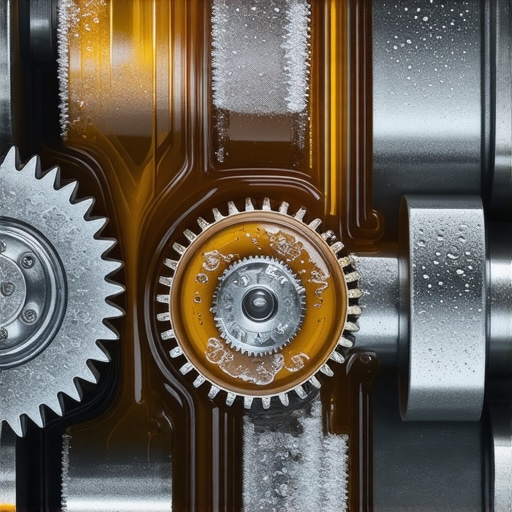
There I was, sitting in my driveway on a Tuesday morning that felt more like the Arctic Circle than North Carolina. I shifted into Reverse, then Drive, and *clunk*. It felt like a sledgehammer hit the underside of my seat. My coffee sloshed over the rim of the mug, and my heart sank right into my stomach. I’ve been around cars long enough to know that sounds usually mean dollar signs—and lots of them. But back in my early days, I made the massive mistake of assuming a hard shift meant the gearbox was toast. I actually sold a perfectly good truck for pennies on the dollar because I didn’t understand the reason your transmission shifts hard when the engine is cold and assumed the worst.
Stop Panicking Before Your Transmission Warms Up
If you’re reading this, you’ve probably felt that same jarring lurch when the engine is cold. Maybe it’s a delay before the gear grabs, or perhaps it feels like the car is searching for the next gear with a violent shove. It’s unnerving, I get it. But here is the good news: nine times out of ten, your transmission isn’t dying; it’s just struggling with physics. Today, I’m going to walk you through exactly why your car behaves like a teenager who was woken up too early. We’ll look at fluid viscosity, sensor lag, and the simple checks you can do in your own driveway to avoid a $3,000 mechanic bill. Have you ever felt that heart-in-your-throat moment when the car jerks? It’s a common fear, but often a simple fix.
Is my transmission actually dying or is this just old car behavior?
It’s the question that keeps us up at night, right? You start wondering if you should just start looking for a new ride or if you need to run some vehicle diagnostics immediately. The reality is that transmission fluid is a lot like maple syrup; when it’s cold, it’s thick and stubborn. According to the experts at Consumer Reports, transmission repairs are among the most expensive maintenance items, yet many perceived issues are actually caused by fluid that has lost its viscosity or is simply low. I remember one time I spent an entire weekend panicking over a rough shift, only to realize I hadn’t performed a proper fluid level check in over a year. I was low by nearly a quart, and that was the whole problem. Before you assume the worst, we need to talk about what’s actually happening inside that metal box. Have you noticed your gas mileage dropping when the temperature falls as well? These things are often connected. It’s all part of the same cold-weather ecosystem that affects everything from your power steering whining in the cold to how your gears engage. Let’s dive into the why so you can stop worrying and start fixing.
Run These Easy Driveway Diagnostics First
Think of your transmission fluid as the blood of the gearbox. When it’s freezing, it gets thick and moves slowly, much like trying to drink a milkshake through a tiny straw. The first thing you need to do is a proper fluid level check. Even if you don’t have a dipstick, modern cars have a fill plug or a check plug on the side of the transmission case. I remember once I spent three hours under an old sedan thinking the clutch packs were burnt out, only to find the fluid was just low enough that it couldn’t build pressure until it expanded from the heat. It was a messy, frustrating afternoon covered in grime, but it saved me a fortune. Use vehicle diagnostics basics to look for leaks around the pan gasket before assuming the internal gears are shredded.
Don’t Shift Into Drive Until the Fluid Circulates
Most of us are in a rush in the morning, but jumping in and slamming the shifter into gear is the worst thing you can do for a cold transmission. Give the pump about 30 to 60 seconds to circulate that thick fluid through the valve body and the torque converter. This ensures every seal and solenoid is lubricated before you put the system under load. 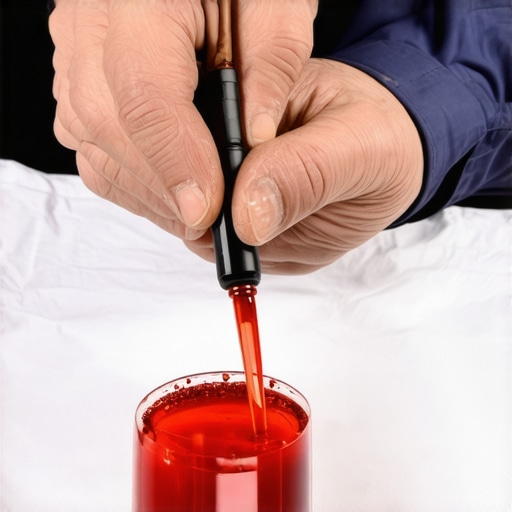
Identify if a Sensor is Giving False Readings
Sometimes the mechanical parts are fine, but the electronics are confused. A faulty transmission temperature sensor can tell the car’s computer that the fluid is at an extreme temperature, leading to erratic shift points and harsh engagement. Often, the 20 dollar sensor is the secret culprit behind what feels like a catastrophic mechanical failure. If you also notice the ticking noise that disappears after the engine warms up, it’s a clear signal that your internal lubricants are struggling to reach the top of the system quickly enough.
Evaluate the Condition and Color of Your Fluid
Pull a sample of that fluid and wipe it on a white paper towel. It should be bright red or translucent pink. If it looks like muddy water or smells like burnt toast, it has lost its chemical ability to protect the internal components. Following top auto repair tips to extend your vehicles lifespan usually involves a consistent drain and fill every 30,000 to 60,000 miles. Do not fall for the ‘lifetime fluid’ marketing found in many owner’s manuals; no fluid maintains its integrity forever in a high-friction, high-heat environment. Checking the consistency now can prevent a total rebuild later.
Stop Trusting the Lifetime Fluid Marketing Gimmick
Most modern owners’ manuals will tell you that your transmission fluid is a ‘lifetime’ fill. In my professional opinion, that is a dangerous lie designed to lower the perceived cost of ownership. While it sounds great on a sales brochure, the reality is that the polymers in the fluid break down under heat and pressure. A technical report by SAE International highlights that even ‘sealed’ systems undergo oxidation, which significantly alters the fluid’s frictional properties over 100,000 miles. When that happens, your cold-start shifts become increasingly violent. I’ve seen people spend thousands on new valve bodies when all they really needed was to stop believing the marketing and stick to top auto repair tips to extend your vehicles lifespan by ignoring the ‘lifetime’ label. We’re also seeing oil change innovations that emphasize the same thing: fluid is cheap, but metal is expensive. Don’t let a marketing department dictate your maintenance schedule.
Can a transmission flush actually ruin your gearbox?
This is the most common trap I see advanced DIYers and even some shops fall into. Everyone assumes a high-pressure flush is the gold standard because it gets all the old fluid out. However, if your car has high mileage and hasn’t been maintained, a high-pressure flush can be a death sentence. It often dislodges sludge and metal shavings that were safely tucked away in corners, forcing them into the tiny passages of the valve body. This is where how advanced vehicle diagnostics prevent costly breakdowns becomes relevant; a tech should check the health of the system before recommending a flush. In many cases, a simple drain and fill is much safer. I once watched a guy flush a 150,000-mile SUV only to have it refuse to shift into third gear the next morning. It was a $4,000 mistake that could have been avoided with a gentler approach. 
Look Beyond the Pads for a Real Brake Service
Expertise in auto repair means knowing that the symptoms are often several steps removed from the cause. For instance, when people feel a shudder during cold braking, they immediately assume the rotors are warped. But often, the slide pins are just dry or the fluid has absorbed water. While the ultimate guide to brake service for safety and performance covers the basics, the ‘expert’ nuance is checking the moisture content of your brake fluid. If you’re only swapping pads, you’re only doing half the job. The same logic applies to your transmission; you can’t just look at one part and ignore the ecosystem. Even things like the truth about oil additives and if they actually save your engine show us that there are no magic potions that replace good mechanical work. Always double-check your work, and if you’re taking it to a shop, make sure you know how to tell if your mechanic actually changed the oil and the transmission fluid as promised. Have you ever fallen into this trap of ‘over-maintaining’ an old car only to have it break? Let me know in the comments.
Stop Throwing Parts at the Problem
For years, I relied on those $20 code readers that just spit out a generic P-code and left me scratching my head. If you want to actually win the battle against a stubborn gearbox or a mysterious misfire, you need to level up. I personally switched to a bidirectional scan tool—specifically an Autel unit—because it allows me to command the solenoids to fire or the fuel pump to prime while I am sitting in the driver’s seat. It turns a guessing game into a laboratory experiment. When you are decoding vehicle diagnostics, you need to know not just that a circuit is open, but whether the computer can actually talk to the part. Using these tools is one of the best auto repair hacks to save money because it prevents the ‘parts cannon’ approach where you replace three sensors before finding the broken wire.
Get a Tool That Actually Talks Back to Your Car
The difference between a basic reader and a bidirectional tool is like the difference between a flashlight and a x-ray machine. When my truck started shifting hard, I didn’t just guess; I used the scanner to watch the real-time pressure data inside the valve body. This is exactly how advanced vehicle diagnostics prevent costly breakdowns by showing you the failure before the metal starts grinding. If you see the pressure lagging behind the command, you know you have a hydraulic issue, not a mechanical gear failure. 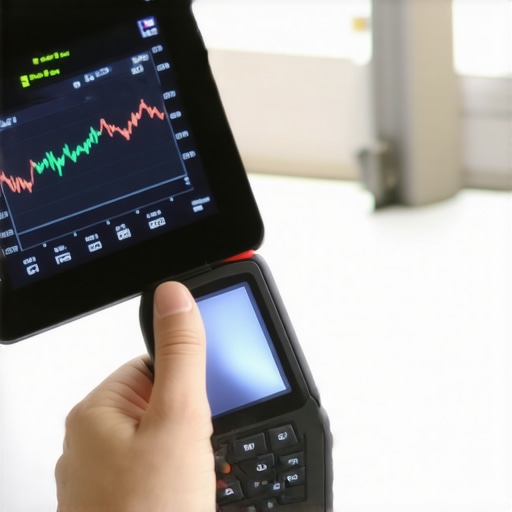
Why the Infrared Thermometer is My Secret Weapon
You don’t always need a computer to tell you something is wrong. I carry a $25 infrared thermometer in my glove box at all times. If I suspect a brake caliper is sticking or a transmission is running hot, I just point and click at the hub or the pan. It’s an immediate, non-invasive way to see if one corner of your car is working harder than the others. This is a pro-level move that fits perfectly into essential auto repair strategies for frequent drivers. If your transmission pan is hitting 220 degrees on a flat road, your fluid is cooking, regardless of what the dashboard says.
How do I keep my transmission healthy for 200,000 miles?
It comes down to heat management and chemical integrity. ZF Friedrichshafen, a global leader in driveline technology and the manufacturer of the famous 8HP transmission found in everything from Rams to BMWs, explicitly states in their technical documentation that despite ‘filled-for-life’ claims by automakers, their transmissions require fluid and filter changes every 50,000 to 75,000 miles to maintain shift quality. Staying ahead of this is the ultimate way to extend your vehicle’s lifespan. We are also seeing oil change innovations that use synthetic esters to keep seals pliable, which is a trend I expect will soon dominate the transmission fluid market as well.
Will Your Car Soon Tell You It’s Sick Before It Happens?
The future of maintenance is shifting toward predictive analytics. Within the next five years, I expect most cars will use onboard AI to analyze vibration patterns in your wheel bearings or transmission before you ever hear a ‘clunk.’ We won’t be reacting to problems; we will be scheduled for a ‘software-suggested’ part swap based on millisecond-level data. I want you to try one thing this weekend: go buy an infrared thermometer and check your transmission pan temperature after your normal commute. If it’s over 200°F (93°C), it’s time to look into an auxiliary cooler or a fluid refresh.
The Cold Truth About My Most Expensive Mistake
Looking back at my years under the hood, I realized that I was often treating the symptoms rather than the root cause. One ‘lightbulb moment’ for me was discovering that a weak battery can actually cause a transmission to shift like garbage in the winter. If your battery voltage drops too low during a cold start, the transmission control module doesn’t get the juice it needs to pulse the solenoids correctly, leading to that jarring ‘clunk.’ Another lesson? Don’t just look at the fluid; look at the magnets in the pan. Those tiny metal shavings tell a story that no dipstick can. Finally, I’ve learned that most transmission failures are actually electrical glitches disguised as mechanical nightmares. #IMAGE_PLACEHOLDER_E#
Gear That Actually Belongs in Your Glovebox
If you want to stop guessing and start fixing, you need to curate a small but mighty toolkit. I never leave home without my Autel bidirectional scanner, which is the gold standard for decoding vehicle diagnostics in real-time. I also highly recommend keeping an infrared thermometer handy to check for hot spots on the transmission housing. For those looking for extra protection, exploring the truth about oil additives and if they actually save your engine (and gearbox) can provide some peace of mind, provided you choose products backed by SAE standards. These are the same auto repair hacks to save money that professionals use to avoid unnecessary rebuilds.
Drive With Confidence This Winter
You don’t have to be a victim of the weather. By taking the time to let your fluid circulate and keeping a close eye on your sensor health, you are already ahead of 90% of drivers on the road. Understanding the reason your transmission shifts hard when the engine is cold is the first step toward a vehicle that lasts 200,000 miles and beyond. Don’t let a little frost turn into a massive repair bill. Have you ever experienced that gut-wrenching ‘clunk’ on a cold morning only to find out it was a simple sensor? Let me know in the comments below!