
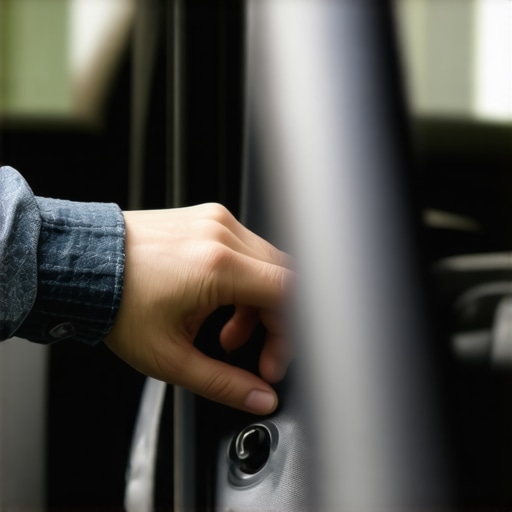
Imagine standing at a drive-thru, the sky is opening up, and your window decides it’s finished for the day. I’ve lived that nightmare. I remember my old sedan—the passenger window was notorious for getting stuck right as I reached a toll booth. I felt like a fool, opening my entire door in the rain just to pay a few bucks. My biggest mistake was thinking I had to tear the whole door apart immediately. I spent a whole Saturday afternoon and way too much money on a new regulator, only to find out later that a little vibration was all it needed to jump-start the motor back to life. Today, I’m going to show you how to save that Saturday and your hard-earned cash by using the “tap method” to get that glass moving again. [IMAGE_PLACEHOLDER]
Why Your Window Motor Decided to Quit Today
Dealing with a window that won’t budge feels like a massive failure, but it’s often just a temporary “dead spot” in the motor. This is one of those auto repair hacks that every driver should have in their back pocket. Most people assume the worst—that the motor is burned out or the cables are snapped—and they rush into essential auto repair strategies that are way too complex for a Tuesday morning. The truth is, carbon brushes inside the motor can get stuck or build up just enough resistance to stop the rotation. According to data from Consumer Reports, power window components are high-wear items that often fail due to simple mechanical stasis rather than catastrophic electrical failure. Have you ever felt that sinking feeling when you hear a faint click but nothing moves?
Does Hitting Your Car Actually Solve the Problem?
I know what you’re thinking: “I’m not a caveman, I shouldn’t have to hit my car to make it work.” But in the world of decoding vehicle diagnostics, a physical jolt is a legitimate way to bridge a gap in a failing electrical connection. It’s not about brute force; it’s about precision. If you’ve been looking for the simple fix for a power window that wont go up, you have to understand the “why” before you start swinging. This isn’t just a temporary band-aid; it’s a diagnostic tool that tells you exactly where the failure point is before you spend a dime at the shop.
Get the Power Flowing First
To perform this trick successfully, your car’s electrical system needs to be active. Turn your key to the ‘accessory’ position or start the engine entirely. This ensures that when you actually make contact, the motor has the maximum amperage available to overcome its internal friction. Think of it like jump-starting a heart; you need the electricity waiting at the door. If your lights are dim or the dash is acting weird, you might want to perform a simple test to see if your battery is actually dead before blaming the window motor.
Locate the Motor Impact Zone
Most power window motors sit roughly in the lower-middle section of the door. You don’t need to see it to find it. Generally, if you look at the door panel, the motor is located behind the plastic trim about four to six inches above the bottom storage pocket. I learned this the hard way during a rainy run to the store when my neighbor’s window got stuck halfway down. I didn’t have a hammer, so I used the heel of my heavy work boot to give the center of the door a firm, controlled thud while she held the button. On the third try, the glass shot up like it had never been stuck. It was messy and looked a bit crazy, but it saved her an overnight stay in a wet car. 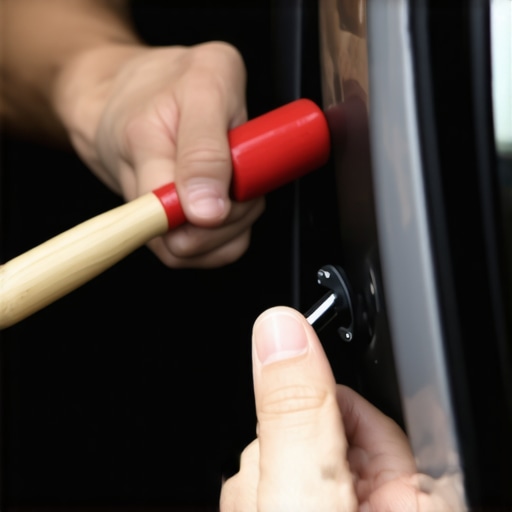
How to Coordinate the Tap and the Switch
This is a two-handed operation. You must hold the window switch in the ‘UP’ position continuously while you apply the vibration. If you have a passenger, have them hold the button while you focus on the door. By holding the switch, you are keeping the electrical circuit closed. The moment your tap jars those internal carbon brushes into place, the current flows, and the motor spins. This is one of those auto repair hacks that relies entirely on timing. Don’t use a metal hammer—use the side of your fist or a rubber mallet to avoid denting the door skin or cracking the interior plastic.
Signs You Are Facing an Electrical Dead End
If you’ve given the door several firm thuds and the window hasn’t budged, you need to listen closely. If you hear absolutely no sound—no click, no groan, no slight dip in the interior lights—the motor might not be getting power at all. This is where vehicle diagnostics explained in simple terms becomes vital. You could be looking at a blown fuse or a severed wire in the door jamb. Sometimes, if your cars door locks are acting possessed at the same time, it’s a clear signal that the wiring harness connecting the door to the frame has frayed or snapped from years of opening and closing. These essential auto repair strategies help you narrow down if you’re fighting a mechanical jam or a total electrical blackout.While the tap method is a lifesaver in a pinch, there’s a trap most DIYers fall into: they start relying on it. If you have to hit your door every Tuesday just to get through the drive-thru, you aren’t fixing anything—you’re slowly vibrat-killing your door’s internal structure. In my experience, most people assume the motor is the only moving part that matters, but the regulator—the scissor-like tracks that actually hold the glass—is often the real culprit. If those tracks are dry or clogged with gunk, the motor has to work twice as hard, leading to those infamous dead spots. 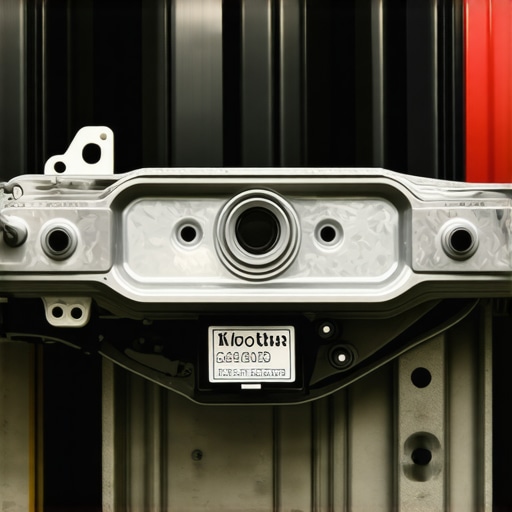
Stop Relying on the Temporary Fix
I’ve seen folks get so aggressive with their tapping that they actually snap the plastic clips holding the glass. Suddenly, the window doesn’t just stay up; it crashes into the bottom of the door. That’s a classic oops moment that turns a free hack into a $300 weekend-long project. Before you go full-Thor on your door panel, check for signs of drag. If the motor sounds like it’s straining or groaning, it might just need some silicone spray on the tracks rather than a replacement. This is one of those top auto repair tips to extend your vehicles lifespan that people often overlook because it’s too simple.
The Silent Danger of Excessive Tapping
There is a nuance here that most YouTube tutorials miss: the impact on the door’s electronics. Constant physical jarring can loosen the wiring harness or damage the sensitive solder joints inside the master switch. If you find that your cars door locks are acting possessed shortly after you start tapping the door to fix the window, you’ve likely disturbed the central wiring loom. Just like decoding vehicle diagnostics requires a delicate touch, your physical repairs should be the least invasive option first. One advanced mistake is misdiagnosing the switch as the motor. Try the window from the master switch (driver’s side) and then the local switch (passenger side). If it works from one but not the other, your motor is fine—it’s the switch contacts that have oxidized. Cleaning a switch is a 10-minute job, while replacing a motor is a two-hour ordeal.
Why Does Your Motor Seem to Heal Itself Randomly?
It’s not magic; it’s physics. According to the Car Care Council, thermal expansion plays a huge role in intermittent electrical failures. As the cabin warms up, the metal components and carbon brushes inside the motor expand slightly, which can bridge a tiny gap in a worn-out commutator. This is why your window might fail in the freezing morning but work perfectly in the afternoon sun. It’s also why some auto repair hacks only work half the time. If you’re noticing this temperature sensitivity, the motor is definitely on its last legs. Don’t confuse a motor issue with a mechanical jam. If you hear a grinding or crunching sound like gravel in a blender, put the hammer down. That’s a snapped regulator cable. At that point, no amount of hitting will help. You need to look into essential auto repair strategies for frequent drivers to handle a full replacement. Have you ever fallen into this trap of fixing a part only to have it break worse a week later? Let me know in the comments.Once you’ve finally gotten that glass to move, you’re officially in a race against time before it sticks again. I stopped carrying a mallet in my trunk years ago and replaced it with a digital multimeter. Specifically, I swear by the Fluke 101—it’s compact enough to fit in my glovebox but accurate enough to catch a tiny voltage drop that indicates a corroded ground wire. If you want to master decoding vehicle diagnostics, you have to stop guessing and start measuring current. I’ve seen far too many people replace perfectly good motors when the real issue was a $2 fuse or a frayed wire hiding in the door accordion. In fact, technical documentation from the Society of Automotive Engineers (SAE) often highlights that over 30% of electrical failures in older vehicle accessories are actually just high-resistance connections caused by simple moisture and vibration.
How Can I Keep My Car Windows Running Smoothly for Years?
The answer isn’t a bigger hammer; it’s better lubrication. Most drivers ignore their window tracks until the motor starts screaming for help. Every six months, I roll my windows all the way down and spray a high-quality dry silicone lubricant directly into the felt channels. Unlike grease or standard WD-40, dry silicone won’t attract road dust or gum up the mechanism over time. This is one of those top auto repair tips to extend your vehicles lifespan that costs almost nothing but saves hundreds in parts. While you’re at it, take a toothpick and clear your door drains. If those tiny holes at the bottom of the door are clogged, moisture trapped inside the door skin will rot your motor from the inside out. It’s the same attention to detail I use when I’m trying to figure out how to tell if your mechanic actually changed the oil—the real story is always found in the cleanliness of the hidden components. 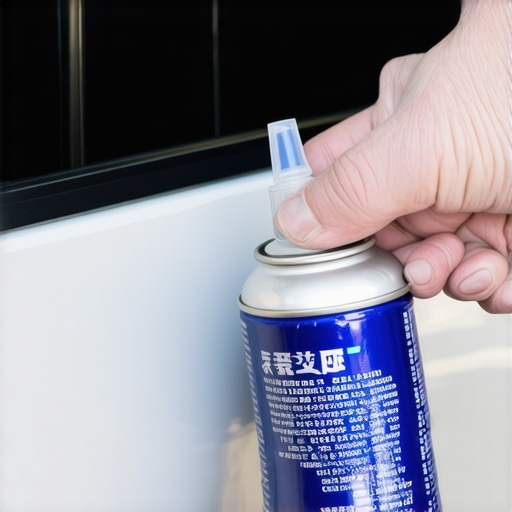
The Future of Doing Your Own Car Repairs
We are rapidly heading toward a world where your car won’t just fail; it will tell you exactly why via an encrypted app on your phone. We’re already seeing the start of this trend with vehicle diagnostics explained through cheap OBD-II Bluetooth adapters. In the next five years, I expect to see “smart” window regulators that can detect minute friction increases and send a push notification to your phone to lubricate the tracks before the motor ever hits a dead spot. For now, we still rely on our senses and essential auto repair strategies for frequent drivers to stay ahead of the curve. If you want to be a proactive owner, go out to your garage this weekend and test the “parasitic battery drain” using the secret to finding a parasitic battery drain with a simple multimeter. It’s the best way to ensure your car has enough juice to power those windows even on the coldest mornings.
The Hardest Truth I Learned About “Free” Door Fixes
After years of tinkering, I realized that the “tap method” is a double-edged sword. My lightbulb moment came when I realized that a motor requiring a physical jolt is a motor that is crying for help. Don’t fall into the trap of thinking a temporary fix is a permanent solution. If you find yourself hitting the door panel every week, you are likely ignoring a failing regulator that could eventually leave your glass shattered at the bottom of the door. True auto repair hacks are about finding the balance between saving money and knowing when a part has reached its mechanical limit.
Gear That Saves Your Saturday Morning
I don’t leave home without a few specific tools that turn a roadside nightmare into a minor inconvenience. First, a high-quality dry silicone spray is your window’s best friend; it keeps those tracks smooth without attracting the grit that kills motors. Second, I always recommend a compact digital multimeter to check for voltage drops. Knowing how to use one is part of the secret to finding a parasitic battery drain with a simple multimeter, which can often be the real reason your electronics seem “weak.” [IMAGE_PLACEHOLDER_E]
You Are Now One Step Ahead of the Repair Shop
There is a profound sense of empowerment in knowing that a stuck window doesn’t have to mean a $400 bill at the dealership. By mastering the simple fix for a power window that wont go up, you’ve taken the first step toward true automotive independence. Whether you are applying top auto repair tips to extend your vehicles lifespan or just trying to get through a rainy commute, remember that your car is a machine that responds to care and attention. Don’t be afraid to get your hands a little dirty—the confidence you gain is worth more than the money you save. Have you ever been stuck at a toll booth or drive-thru with a window that refused to budge? Let me know your story in the comments below!