

I’ll never forget the rainy Tuesday I was cruising down the I-77, coffee in one hand and a podcast blaring, when my dashboard suddenly transformed into a neon festival. Red, amber, and flashing green icons I’d never seen before started screaming for attention. My heart skipped a beat. Was the engine melting? Was I about to be stranded? It felt like my car was having a nervous breakdown right there in the middle of traffic. I’ve been there, and I know that sinking feeling in your gut when your vehicle starts speaking a language you don’t understand. It’s overwhelming, confusing, and—let’s be honest—terrifyingly expensive-looking.
Stop Panic-Searching and Listen to Your Car
We’ve all done it. We see a light, we panic, and then we hope that if we just turn the car off and back on again, the problem will magically vanish. I used to be the king of “wishful thinking” maintenance. Early in my DIY days, I ignored a flickering oil pressure light because I figured the sensor was just being touchy. That little bit of denial cost me an entire weekend and a small fortune in parts because I didn’t realize what your car is trying to tell you is often a plea for help, not just a nuisance. Today, I’m going to help you decode that light show so you can breathe again and keep your wallet intact. We’re going to look at the common culprits behind the “Christmas tree” effect and how advanced vehicle diagnostics can actually save you from a catastrophic highway exit. Have you ever had your dashboard light up like a disco ball at the worst possible moment? I’d love to hear your stories—drop a comment and let me know which light is currently haunting your commute.
Do I really need a mechanic for every single blink?
It’s a fair question. Mechanics aren’t exactly giving away their time for free, and you might wonder if that ABS light is just a glitch or a genuine safety hazard. Sometimes, it really is a minor hiccup, like a sensor fault that triggers for no reason. But here’s the kicker: according to data from CarMD, ignoring a check engine light can lead to a 25% decrease in fuel economy before the car even starts running poorly. That’s money literally evaporating from your gas tank. Understanding the “why” behind these warnings is the first step toward following the best auto repair tips to keep your ride on the road. Often, it’s not about a total engine failure; it’s about a small component, like a cheap aftermarket sensor, throwing the whole system out of whack. Let’s break down exactly what to do when your car starts its own light show.When that light hits, your first move isn’t the toolkit; it’s your senses. Think of your car’s computer like a complex nervous system. A single ‘check engine’ light is just a generic ‘I hurt’ from the vehicle. To find the actual splinter, you need to look closer. Start with the ‘gas cap test’—it’s the automotive equivalent of checking if a router is plugged in. A loose cap can trigger an EVAP leak warning that looks terrifying on the dash but costs zero dollars to fix. If the light is flashing, your car is essentially screaming; pull over immediately to avoid melting your catalytic converter. If it’s steady, you usually have time for some easy checks before your next road trip.
Connect to Your Car’s Digital Brain
I used to think OBD-II scanners were reserved for high-end shops with specialized engineers. Then I bought a twenty-dollar Bluetooth dongle and realized it’s just a translator. It gives you a code like P0420, which sounds like a secret agent mission but usually just points to a specific sensor or efficiency issue. This is where advanced vehicle diagnostics come into play. Instead of guessing and throwing expensive parts at a problem, you’re performing a targeted strike. I once spent nearly $200 on a brand-new battery and a half-day of labor only to realize a simple ground wire problem was the real culprit. If I had checked the live data on a scanner first, I would have seen the voltage drop before the starter even clicked. 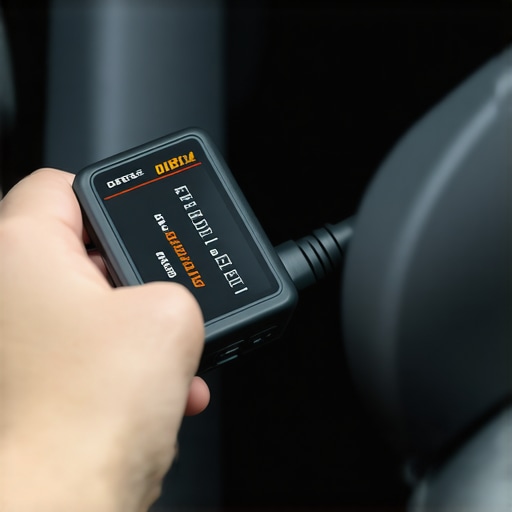
Let Your Senses Guide the Repair
Your ears and eyes are often more reliable than a computer chip. Is it a high-pitched squeal or a low-frequency rumble? If you hear a rhythmic thumping that changes with your speed, you might be dealing with tires making a loud humming noise due to uneven wear. If it’s a metallic screech when you hit the pedal, you’re looking at a mandatory brake service for safety and performance. I remember ignoring a weird ‘clicking’ sound once while turning out of my driveway. I figured it was just a pebble stuck in the tread. Two weeks later, I was stranded on the shoulder of the I-77 because my CV axle was toast. That noise was a direct warning I literally drove right through. Always look for fluid spots on your driveway; a green puddle means coolant, while dark brown usually means oil.
Protect Your Investment with Better Fluid Habits
The most effective way to avoid the ‘Christmas tree’ dashboard effect is to never let the sensors have a reason to complain in the first place. This starts with your fluids. We often treat maintenance like a boring chore, but with recent oil change innovations, you’re doing more than just swapping old sludge for new. You’re clearing out microscopic debris that can clog variable valve timing solenoids—a common trigger for modern engine lights. Watch your dipstick carefully; if you notice your engine oil level rises between changes, you might have fuel or coolant contamination, which is a major red flag for your head gasket. Taking twenty minutes once a month to check these levels is the ultimate auto repair hack to keep your car running and your bank account full.Most drivers assume that when a computer gives you a code, it’s providing a final diagnosis. In my experience, that’s where the real detective work actually begins. A common trap is the infamous P0420 code. Most shops will tell you that you need a new catalytic converter immediately, which can cost thousands. However, you might find why your scanner says p0420 but the converter is actually fine often comes down to an upstream oxygen sensor or a pinhole exhaust leak that the computer isn’t smart enough to distinguish. This is the ‘Oops’ factor of DIY repair: replacing the most expensive part first because you trusted the screen instead of the system. Research by the Car Care Council suggests that nearly 70% of vehicles have at least one neglected maintenance item, and many of these are misdiagnosed by owners who rely solely on basic code readers without understanding the live data streams.
Why Your Scan Tool Might Be Taking You for a Ride
To truly master advanced vehicle diagnostics, you have to look at ‘Freeze Frame’ data—it’s a snapshot of what was happening the exact second the light triggered. Was the engine under load? Was it cold? Without this context, you’re just guessing. 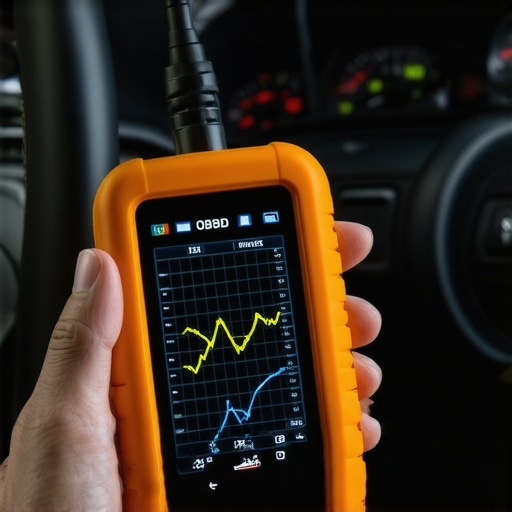 I’ve seen people spend a weekend rebuilding an engine when the real reason your engine oil is disappearing without a leak was a $15 PCV valve that had turned into a vacuum leak. Have you ever fallen into this trap? Let me know in the comments.
Look Past the Pads During Your Next Brake Service
When it comes to stopping power, everyone talks about brake pads. But here’s a contrarian take: your pads are rarely the reason your brakes feel ‘mushy.’ It’s almost always the fluid. Brake fluid is hygroscopic, meaning it actively sucks moisture out of the air. Over time, that water lowers the boiling point of the fluid and corrodes your lines from the inside out. While many focus on pad thickness, brake service myths busted reveal that the chemical health of your fluid is what actually keeps you from sailing through a red light. You should be checking for the brake fluid color that means you need a flush immediately—if it looks like maple syrup, you’re already in the danger zone.
Don’t Forget the $2 Part That Saves Your Garage Floor
Even a simple oil change has a ‘hidden nuance’ that separates the pros from the amateurs. Most people reuse the drain plug washer indefinitely, but why you should never skip the crush washer on your drain plug is a lesson usually learned through a persistent, annoying drip on a clean driveway. That washer is designed to deform once to create a perfect seal; once it’s crushed, it’s done. Using oil change innovations like high-quality synthetic lubricants is great, but if you fail at the physical seal, you’re just throwing money away. Mastery isn’t about the big parts; it’s about the tiny details that most people overlook.
Ditch the Cheap Dongles for Bidirectional Control
If you’re serious about moving beyond basic code reading, you need to upgrade your hardware. For years, I relied on those tiny Bluetooth plugs, but they only tell you half the story. I eventually invested in a bidirectional scan tool—specifically a tablet-based unit—and it changed my entire approach to advanced vehicle diagnostics. Why does this matter? Because bidirectional control allows you to command the car’s computer to perform specific tests, like cycling the ABS pump or toggling a cooling fan. It’s the difference between guessing if a relay is dead and actually hearing it click under your command. According to technical documentation from Mitchell 1 ProDemand, having access to real-time component testing can reduce diagnostic time by up to 40% on complex electrical issues. When you can pinpoint a failure without tearing the dash apart, you’re practicing the most effective auto repair hacks available to a home mechanic.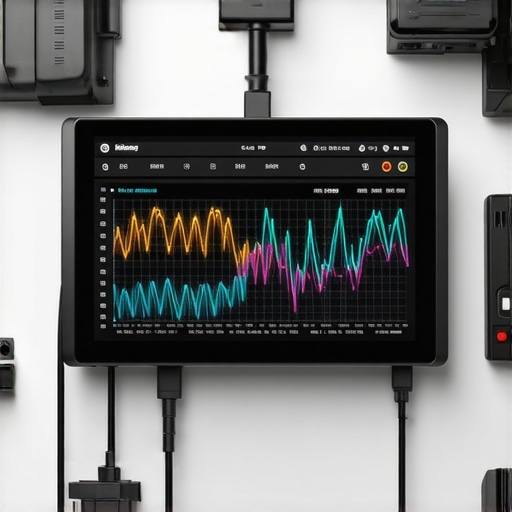
How do I maintain my car’s complex systems over time?
Long-term reliability isn’t about one big fix; it’s about a consistent data-first strategy. I recommend keeping a digital log of your ‘Live Data’ streams once every six months. Connect your scanner and record your fuel trims and oxygen sensor voltages while the car is at a steady idle. This creates a baseline. If your ‘Check Engine’ light pops up a year from now, you can compare the new data to your healthy baseline to see exactly what has drifted out of spec. This is a core part of essential auto repair strategies for frequent drivers who can’t afford unexpected downtime. You aren’t just reacting to failures; you are tracking the slow degradation of components before they leave you stranded. This same logic applies to your stopping power; regular inspections are the foundation of brake service for safety and performance.
The Future is Predictive and Connected
We are rapidly moving toward an era where your car will diagnose itself before you even notice a symptom. Telematics and Over-the-Air (OTA) updates are already becoming standard. In the next decade, I predict we will see AI-integrated diagnostic tools that cross-reference your car’s specific sensor data with millions of other vehicles in the cloud to predict a water pump failure weeks before it leaks. However, no matter how smart the software gets, the physical fundamentals—like checking for the brake fluid color that means you need a flush immediately—will always require a human touch. I want you to try one specific advanced tip this weekend: pick up a basic digital multimeter and test the ‘Voltage Drop’ on your battery’s ground cable. It takes five minutes and can reveal hidden corrosion that even the most expensive scan tool might miss. If you find a drop higher than 0.1 volts, you’ve just prevented a future ‘no-start’ condition.
What My Most Expensive Mistakes Taught Me
Over the years, I’ve realized that the ‘check engine’ light is rarely an engine killer, but the panic it causes usually is. One of the biggest lightbulb moments I had was discovering that learning how to find a parasitic battery drain with a basic multimeter can save you from buying three batteries in a single year. Another hard truth: modern electronics are sensitive. I once fried a sensitive ECU because I didn’t realize the mistake people make when jump-starting a modern car often involves power surges that traditional cables can’t handle. Finally, don’t fear the heavy stuff; performing the simple test for a blown head gasket you can do at home takes away the mystery and stops mechanics from upselling you on a full rebuild when you might just have a bad thermostat or a simple air pocket in the cooling system.
#IMAGE_PLACEHOLDER_E#
The Gear That Actually Saved My Sanity
If you’re building your first diagnostic kit, I highly recommend starting with a high-impedance digital multimeter—it’s the only way to safely probe wires without damaging the car’s sensitive digital brain. I also swear by OBDLink software; it provides much cleaner live data than the generic free apps that often lag or crash. For deep dives into repair procedures, I always check manufacturer-specific forums where enthusiasts have documented every weird rattle and hum. Lastly, keep a simple spray bottle in your trunk; learning how to find a slow tire leak using a spray bottle is an old-school trick that beats any digital pressure sensor when you’re looking for a pinhole in the tread that is driving you crazy.
You Are More Capable Than Your Car’s Computer
It’s easy to feel like modern vehicles are just rolling computers we aren’t meant to touch anymore. But at the end of the day, it’s still just metal, rubber, and fluids. By embracing these essential auto repair strategies for frequent drivers, you aren’t just saving money—you’re gaining a level of independence and confidence that makes the open road a lot less intimidating. When that light pops on, don’t see it as a bill; see it as a conversation. Your car is telling you something, and now, you finally have the knowledge to listen and respond correctly. Have you ever had a dashboard light turn out to be something incredibly simple, like a loose gas cap or just a blown fuse? Let me know in the comments below!