
I was sitting in my driveway, ice cream slowly melting into a puddle in the backseat, and my gear shifter suddenly felt like a wet noodle. I moved it from Park to Reverse, but nothing happened. No click. No mechanical engagement. Just a hollow, floppy movement that made my heart sink straight into my boots. I genuinely thought my transmission had finally given up the ghost. It is that terrifying, sinking feeling every driver eventually dreads—the immediate mental calculation of how many thousands of dollars a new gearbox costs. But here is the kicker: it was not the transmission at all. It was a piece of plastic no bigger than a thimble.
The Day My Gear Shifter Went Completely Limp
If you are reading this, you might be standing in a grocery store parking lot right now, staring at a shifter that refuses to move your car. It is a classic case of a failed shifter cable bushing. This tiny, $5 plastic clip is the only thing connecting your gear selector lever to the actual transmission cable. When it gets brittle and snaps, you are dead in the water. I have been there. In my early days, before I knew better, I made the massive mistake of calling a tow truck and paying a shop $150 just for vehicle diagnostics to tell me what I could have seen with a simple flashlight and two minutes of poking around. Today, I am going to show you how to identify this failure and why you should never let a mechanic talk you into a whole new cable assembly.
Can a Cheap Piece of Plastic Actually Strand You?
It sounds like a bad joke, does it not? That a multi-thousand-pound machine can be defeated by a component that looks like it came out of a child’s toy set. But heat and age are the absolute enemies of automotive plastics. According to Consumer Reports, small mechanical failures in linkages are among the most frustrating and common reasons older vehicles leave drivers stranded unexpectedly. We often focus on big maintenance items like brake service, but it is these auto repair hacks regarding small bushings that actually keep you on the road without draining your life savings.
Why This Tiny Bushing Ruins Your Whole Weekend
The difference between a catastrophic transmission failure and a broken clip is usually found in the “feel” of the lever. If the engine runs perfectly and the shifter moves without any resistance at all, you have likely just lost that plastic connection. It is a much better scenario than why your transmission shifts late or starts slipping under heavy load. This is a fix you can often do yourself with minimal tools—sometimes just your bare hands and a bit of creative thinking. Have you ever felt that terrifying “pop” in your shifter while trying to leave for work? Let me know in the comments, or contact me if you are stuck right now—I have seen this happen on everything from old Fords to modern Jeeps. We are going to get you moving again for less than the price of a takeout lunch.Before you start tearing things apart, you need to know where the cable connects to the transmission. On most front-wheel-drive cars, this is under the hood, usually tucked near the battery or the air intake box. On rear-wheel-drive trucks, you’ll likely need to crawl underneath. I remember a humid Tuesday when I found myself under my old sedan in a Target parking lot, trying to find the cable end while wearing a crisp white dress shirt. It was messy, and I definitely ruined the shirt, but finding that the cable had simply slipped off the mounting pin was a massive relief compared to the alternative.
Locating the Culprit Under the Hood or Console
If your car won’t move when you move the lever, do not assume the transmission is dead. Real vehicle diagnostics starts with looking at the physical connections. Look for a thick black cable with a round eyelet at the end. If that eyelet is dangling and you see bits of crumbled orange or white plastic nearby, you’ve found the culprit. This is a purely mechanical failure that has nothing to do with internal gears.
Check the Eyelet Before You Call a Tow Truck
Once you find the cable, try to place it back on the metal pin. If it slides on and off without any resistance, the bushing is gone. It is a simple mechanical disconnect, much like how a door that will not open from the outside often just has a loose rod inside the panel. Don’t let a mechanic convince you that the whole cable needs replacing; usually, the cable itself is perfectly fine, and only the plastic tip has failed. 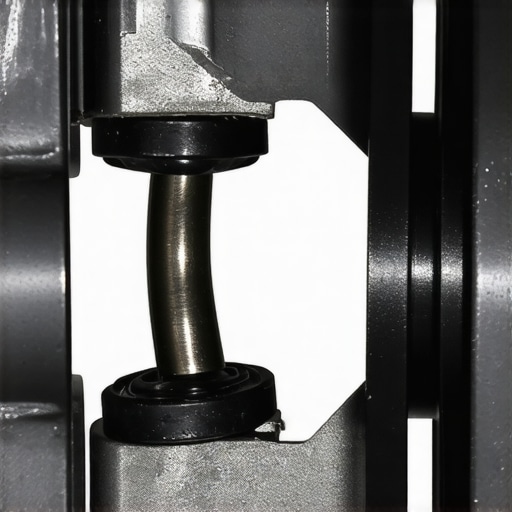
The Emergency Zip Tie Trick That Actually Works
Now, for the fix. You can buy a specific replacement kit, but in an emergency, a heavy-duty zip tie can get you home. This is one of those auto repair hacks that every driver should have in their mental toolkit. Loop the zip tie around the cable and the shift lever arm in a cross-pattern to hold the eyelet against the pin. I once drove for three weeks on a zip-tied shifter before the actual part arrived in the mail. It is not a permanent solution, but it beats a $200 tow and a long walk.
Snapping the New Bushing Into Place
To do it right, you need to clean the metal pin on the transmission first. Old grease and plastic grit will prevent the new bushing from seating properly. Much like the easy way to check transmission fluid without a dipstick, this requires a bit of patience and a steady hand. Once the pin is clean, press the new bushing into the cable eyelet first, then snap the whole assembly onto the metal pin. You should hear or feel a distinct click. If it doesn’t click, it’s going to fall off the next time you hit a pothole. Maintaining these small components is just as vital as your regular oil change or brake service. Following top auto repair tips to extend your vehicles lifespan means looking at these plastic wear items every 100,000 miles before they leave you stranded.Most mechanics will tell you that if your car is struggling to find a gear, you need a full transmission flush or, worse, a rebuild. But in my years of turning wrenches, I’ve found that high-priced services are often the “easy” answer for shops that do not want to spend time on vehicle diagnostics. Here is the contrarian truth: changing your fluid is great, but it will not fix a physical bind in the linkage. People often fall into the synthetic oil myth or pay for unnecessary flushes when the real problem is a $10 sensor or a bent bracket.
The Heat Trap That Most DIYers Ignore
One massive mistake I see people make when fixing their own shifter is using petroleum-based grease on these plastic bushings. Petroleum actually eats away at the plastic, making it soft and prone to failing again in months. Always use silicone-based lubricant. According to a study by CarMD, nearly 25% of all transmission-related failures reported by consumers were actually linked to simple external components like sensors and linkages rather than internal gear damage.
Why did my new bushing pop off after only a week?
If you replaced the part and it failed immediately, check the shift cable’s alignment. If the cable is under constant tension because the mounting bracket is slightly bent, no amount of plastic will hold it. This is why top auto repair tips to extend your vehicles lifespan always include checking the “why” behind the failure, not just replacing the “what.” 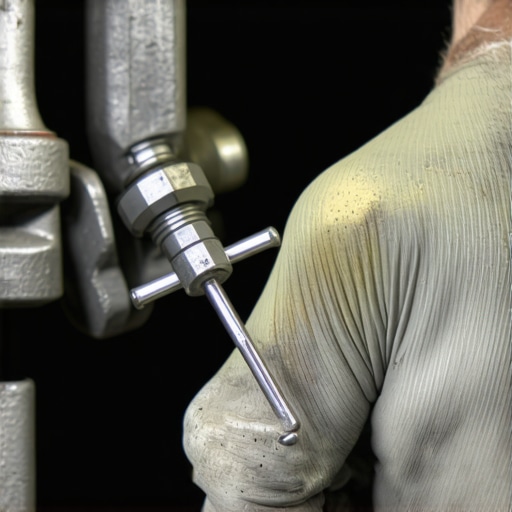
Stop Paying for Simple Mechanical Checks
I have seen shops charge $150 just to look at a cable. You should stop letting shops charge you for things you can do for free, like checking for simple physical disconnects. Whether it is brake service or a shifter fix, knowing the nuances—like why your transmission shifts late after a cold start versus a complete physical disconnect—saves you thousands. Have you ever been told you needed a new transmission only to find out it was a cheap fix? Let me know in the comments or contact me if you are currently facing a mystery repair bill.
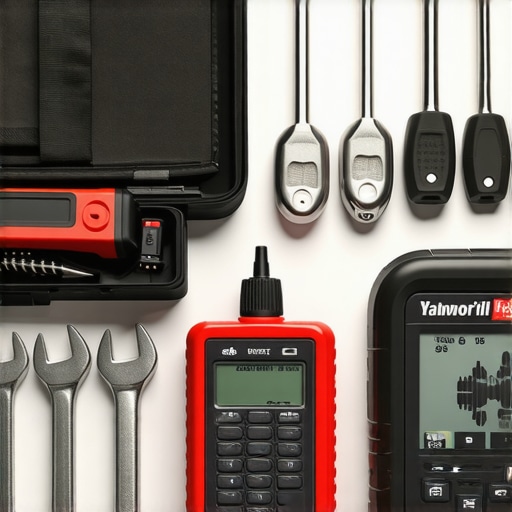
I’ve spent too many hours using the wrong tools for the job. If you’re serious about moving beyond basic repairs, you need to stop guessing and start measuring. When I’m tackling a stiff shifter or a mystery rattle, my go-to isn’t just a socket set; it is a dedicated OBD2 scanner with live data capabilities. I personally use an Autel unit because it allows me to see the gear command status in real-time. This is the gold standard of how advanced vehicle diagnostics prevent costly breakdowns. If the computer says it’s in ‘Drive’ but the car is in ‘Neutral,’ you know for a fact the problem is mechanical, not electronic. Pairing this with a high-quality silicone lubricant—specifically something like Sil-Glyde—is my secret weapon. Unlike petroleum-based greases that turn your bushings into mush, silicone keeps them pliable for years.
How do I keep my shifting smooth for another 100k miles?
Maintenance is a marathon, not a sprint. To ensure you never face that limp-shifter feeling again, I recommend a ‘touch and look’ inspection every time you do an oil change. Reach into the linkage area and give the cable a gentle wiggle. If there is any play, that $10 bushing is starting to fail. According to the ASE (Automotive Service Excellence) technical guides, regular inspection of non-sealed plastic linkages can extend the life of the entire shifter assembly by nearly 50% because it prevents the ‘hammering’ effect that occurs when loose parts vibrate at highway speeds. This kind of proactive checking is exactly what I discuss in my essential auto repair strategies for frequent drivers. By catching the wear early, you aren’t just saving money; you’re ensuring your safety on the road.
Why Your Next Car Won’t Have a Shifter Cable At All
We are currently living through the end of the mechanical linkage era. Most modern vehicles are pivoting toward ‘shift-by-wire’ systems, where your gear selector is essentially just a joystick sending a digital signal to a solenoid on the transmission. While this eliminates the broken plastic bushing problem, it introduces a whole new world of decoding vehicle diagnostics that involve software updates rather than wrenches. In the next decade, the ‘limp shifter’ won’t be a broken clip; it will be a corrupted bit of code or a blown fuse. This is why staying ahead of the curve with top auto repair tips to extend your vehicles lifespan is more important now than ever. You have to understand both the old-school mechanical world and the new-school digital one.
If you want to keep your current ride feeling crisp, here is my advanced tip: this weekend, open your hood and apply a small dab of silicone paste to any exposed shift linkage pins. It takes thirty seconds and prevents the friction that leads to heat-related plastic failure. If you run into a snag or your shifter still feels ‘crunchy’ even after a new bushing, contact me or check out my guide on auto repair hacks to see if a bent bracket might be the real villain in your story.
What I Learned After Tossing $150 Down the Drain
Looking back at that first tow truck bill, I realized that the biggest enemy of a car owner isn’t wear and tear—it’s panic. When the shifter goes limp, our brains immediately jump to the most expensive scenario. I’ve learned that vehicle diagnostics should always start with the simplest mechanical link before assuming the worst. My lightbulb moment was discovering that most shops won’t even look for a broken bushing; they’ll just quote you for a $300 cable assembly and two hours of labor. By mastering a few auto repair hacks, you shift the power from the mechanic’s invoice back to your own hands.
Tools That Keep Me From Getting Stranded
You don’t need a professional garage to handle these hiccups, but you do need a few specific items. I never go on a road trip without my personal shifter survival kit:
- Silicone Grease: I swear by Sil-Glyde. It is the only way to ensure those plastic bushings don’t get brittle and snap again in six months.
- Heavy-Duty Zip Ties: These are the ultimate temporary fix. If you can’t get the part immediately, a cross-pattern zip tie is a literal lifesaver that can get you home.
- OBD2 Scanner: Even for mechanical issues, how advanced vehicle diagnostics prevent costly breakdowns is by showing you what the computer thinks is happening versus what the transmission is actually doing.
- A High-Lumen Flashlight: You can’t fix what you can’t see, especially when the linkage is buried deep under a battery tray or air box.
Don’t Let a Tiny Clip Stop Your Journey
At the end of the day, your car is just a collection of parts, and sometimes the smallest ones cause the biggest headaches. But once you realize that a limp shifter is often just a five-minute fix, the road feels a lot less intimidating. You shouldn’t have to fear your own vehicle. Whether you’re dealing with a weird rattle or a shifter that won’t bite, remember that auto repair is often just about patience and looking in the right spot. By following essential auto repair strategies for frequent drivers, you will be the one helping others in the parking lot instead of waiting for an expensive tow. Have you ever had a tiny, cheap part cause a massive breakdown for you? Let me know in the comments below!