
I was halfway through a six-hour trek back from the coast when it happened. I went to slow down for a stoplight, and instead of that crisp, firm resistance I’m used to, my foot just… kept going. It felt like stepping into a bucket of wet sand. My heart did a literal somersault. If you’ve ever felt your brake pedal lose its backbone after an hour or two on the highway, you know exactly the panic I’m talking about. It’s unsettling, it’s scary, and honestly, it’s your car’s way of screaming for help. We’re going to dive into exactly why this happens and how you can stop it before your next big trip.
That Spongy Feeling Is Not Just in Your Head
Most people assume that if the car eventually stops, everything is fine. I made that same mistake years ago. I figured my old truck was just ‘tired’ from the heat of a July afternoon. I kept driving until one day the pedal went almost to the floor while I was trying to exit the interstate. It turns out, I was dealing with a classic case of brake fade and moisture-contaminated fluid. When you’re on a long drive, your braking system generates an incredible amount of heat. If your fluid is old, it can actually start to boil. According to technical data from Brembo, brake fluid is hygroscopic, meaning it absorbs water over time, which drastically lowers its boiling point and leads to that terrifying ‘soft’ pedal. This isn’t something to ignore; it’s a critical part of your brake service for safety and performance.
If you’ve noticed this, you might be wondering why your brake pedal sinks to the floor at red lights even when you aren’t pushing it hard. It usually boils down to heat management and the health of your hydraulic system. This isn’t just about comfort; it is about ensuring that when you need to stop suddenly, your car actually responds. I remember thinking I could just ‘pump the brakes’ to get me home, but that is a dangerous game to play when you are dealing with potential vapor lock in your lines.
Is my car actually dangerous to drive like this?
The short answer is a resounding yes. A changing pedal feel is a massive red flag that your braking system is failing under stress. You aren’t just being paranoid. While some common brake service myths might tell you it’s just ‘air in the lines’ that will work itself out, the reality is that the problem only gets worse as the components get hotter. Have you ever felt that moment of doubt where you weren’t sure if the car would actually stop at the next light? Tell me about it in the comments; I’ve been there, and it’s a lonely feeling when you’re 200 miles from home and your stopping power is vanishing.
Getting your stopping power back usually involves more than just slapping on a set of cheap pads. Often, it requires the right trick for a perfect brake bleed to get every last bubble of air and drop of moisture out of the system. In the next few minutes, I am going to walk you through how to diagnose if you are dealing with fluid breakdown, a failing master cylinder, or just poor-quality pads that can’t handle the heat of a long-distance cruise.
Stop Guessing and Start Testing Your Fluid
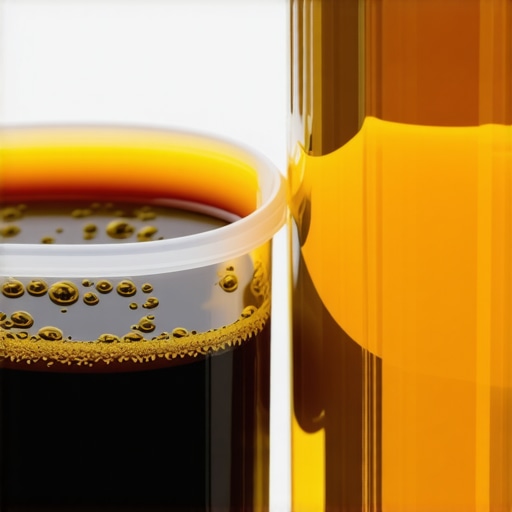
The very first thing you need to do is evaluate the state of your hydraulic fluid. Think of your brake fluid like a professional athlete’s hydration; if it’s full of junk, performance drops off a cliff. Brake fluid is designed to be incompressible, but water is not. When that moisture-heavy fluid gets hot, the water turns into steam. Unlike liquid, gas compresses. So, when you hit the pedal, you’re just squishing steam bubbles instead of moving your brake pads. I once helped a buddy diagnose a ‘soft’ pedal on his old sedan. We pulled a sample of his fluid, and it looked like murky swamp water. Even though his pads were thick, the fluid was so contaminated that a simple vehicle diagnostics check before his road trip would have caught the issue before he lost braking power on a mountain pass.
Look for Internal Leaks in the Master Cylinder
If your fluid looks clean but the pedal still sinks, you likely have an internal leak in the master cylinder. Imagine a bicycle pump with a worn-out rubber seal inside; you push the handle, but no air comes out of the hose because it’s leaking past the seal inside the tube. That is exactly why your brake pedal sinks to the floor at red lights. To test this, with the engine off, pump the brakes until the pedal is firm, then hold it with steady pressure. If it slowly drops toward the floorboards without any visible leaks on the ground, your master cylinder’s internal seals have checked out. This is a common failure point that requires immediate brake service for safety and performance.
Stop Buying Cheap Pads That Cant Handle the Heat
We all want to save a buck, but ‘white-box’ special brake pads are a recipe for disaster on long hauls. These cheap pads often use inferior friction materials that act as insulators rather than heat conductors. When you’re riding the brakes down a long grade, that heat has nowhere to go, so it transfers directly into your calipers and boils your fluid. Using essential auto repair strategies for frequent drivers means opting for ceramic or high-quality semi-metallic pads that can dissipate heat efficiently. If you’ve ever wondered why your brake pedal vibrates when you stop on a hill, it’s often because these cheap materials have left uneven deposits on your rotors due to excessive heat.
Perform the Bleed That Actually Works
Once you’ve replaced the fluid or the faulty parts, you must get every last micro-bubble out of the lines. Most people just pump the pedal a few times and call it a day, but that’s one of the most common brake service myths—that a quick bleed is ‘good enough.’ You need to use the trick for a perfect brake bleed, which involves starting at the wheel furthest from the master cylinder and using a clear hose to ensure no more bubbles are escaping. I remember spending four hours trying to fix a spongy pedal on my first car because I was impatient with the bleeding process. The moment I slowed down and did it systematically, the pedal returned to that factory-firm feel I thought I’d lost forever.
You have bled the lines, replaced the pads, and even swapped the master cylinder, yet that pedal still feels like a sponge. This is where most DIYers—and even some pros—hit a wall. There is a common belief that if the hydraulic system is sealed, the pedal must be firm. In my experience, the hidden culprit is often the flexible rubber brake lines. Over a decade or more, the internal braiding of these hoses weakens. When you step on the pedal, instead of all that force moving the calipers, the hoses actually expand like long, skinny balloons. It is a subtle failure that does not show up as a leak, but it ruins your stopping power. Upgrading to stainless-steel braided lines is a classic trick used in brake service for safety and performance that most people overlook for daily drivers.
Can Your ABS System Hide Trapped Air Bubbles?
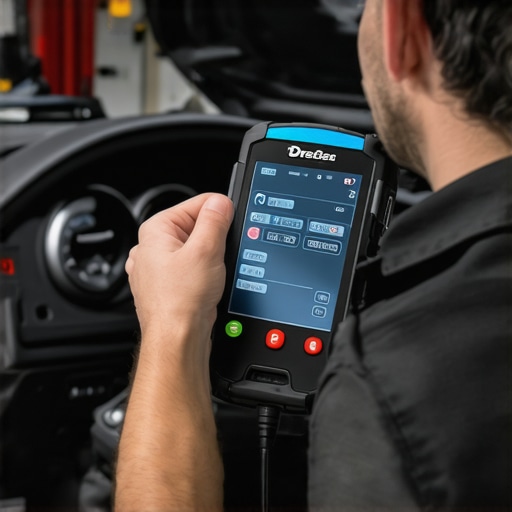
Yes, and this is the sophisticated trap that drives people crazy. If you have ever let the master cylinder run dry or replaced an ABS actuator, air can get trapped inside the internal valves of the ABS module itself. A traditional pump-and-hold bleed will never move those bubbles. You often need a bidirectional scan tool to trigger an ‘automated bleed’ sequence that cycles the internal solenoids. This is where decoding vehicle diagnostics becomes about more than just reading codes; it is about knowing how to manipulate the car’s computer to purge the system. Without this step, you will chase a soft pedal forever, falling victim to one of the most frustrating brake service myths that ‘more bleeding’ at the wheels will eventually fix it.
Another nuance involves the fluid itself. Many enthusiasts think they are doing their car a favor by switching to high-performance DOT 5.1 fluid. While it has a higher boiling point, it is significantly more hygroscopic than standard DOT 3 or 4. According to data from the Society of Automotive Engineers (SAE), brake fluid can absorb enough moisture to lower its boiling point by 100 degrees Fahrenheit in just one year of normal driving. If you put racing-spec fluid in a car that sits or is not maintained religiously, you are actually inviting internal corrosion and a lower safety margin over time. It is similar to the synthetic oil myth where people pay for ‘premium’ solutions that might not actually benefit their specific driving style. If you really want to protect your engine, focus on the basics like avoiding the oil filter brand that causes low oil pressure lights rather than just chasing the highest price tag on the shelf.
The Critical Bedding Process You Are Probably Skipping
The ‘oops’ factor for most brake jobs happens after the car is back on the ground. Most people just drive away normally, but new pads and rotors require a specific thermal seasoning process called burnishing or bedding. If you don’t perform several controlled stops from 45 mph to 10 mph to transfer a thin layer of friction material onto the rotor, you risk glazed pads and a vibrating pedal later on. I have seen countless people ask why your brake pedal vibrates when you stop on a hill only to find out they ‘babied’ their new brakes too much during the first fifty miles. Have you ever fallen into this trap of skipping the break-in period? Let me know in the comments. It is these small, expert-level details that separate a ‘good’ repair from a professional-grade job that lasts for years. When you master these nuances, you stop being a part-changer and start being a true technician.
Don’t Settle for One-Person Bleeder Kits
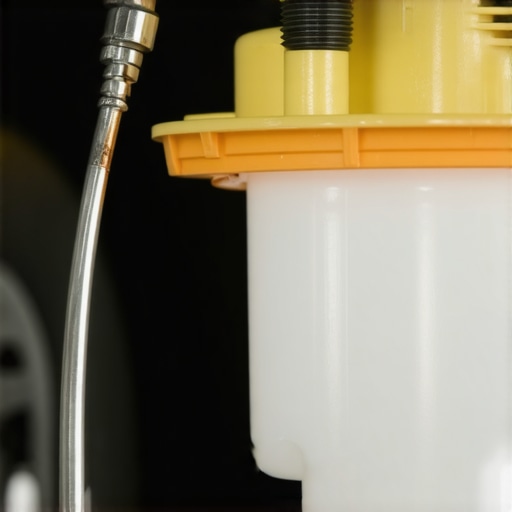
If you are serious about maintaining that firm pedal feel long-term, you need to ditch the old ‘jar and hose’ method or those cheap vacuum hand pumps. I spent years struggling with persistent micro-bubbles until I finally invested in a professional-grade pressure bleeder. The problem with vacuum bleeders is that they often pull air past the bleeder screw threads, making you think you have a never-ending leak when you don’t. A pressure bleeder, like the ones used by specialty shops, pushes fluid from the master cylinder down through the lines. It is the gold standard for brake service for safety and performance because it mimics the natural flow of the system without introducing turbulence. Using the right equipment is one of the most effective auto repair hacks to save money over the life of your vehicle because it ensures you won’t be re-doing the same job next month.
How do I keep my brakes performing like new for years?
Consistency is more important than expensive parts. To maintain peak performance, you need a strict schedule that goes beyond just checking the pads. Every spring, I perform a thorough visual inspection of the caliper slide pins. If these pins aren’t lubricated with high-temperature silicone paste, they will stick, causing the inner pad to wear out while the outer pad looks brand new. This is a common oversight that leads people to believe they need a full replacement when they really just needed a five-dollar tube of grease. Integrating this into your top auto repair tips to extend your vehicle’s lifespan prevents the heat buildup that destroys rotors. According to the Automotive Maintenance and Repair Association (AMRA), moisture in the hydraulic system is the leading cause of internal ABS unit failure—a repair that can easily cost thousands of dollars compared to a twenty-dollar fluid flush.
Real-Time Monitoring is the Next Frontier
We are rapidly moving away from purely mechanical systems. Just as oil change innovations and technologies now allow cars to calculate oil life based on engine load and temperature, braking systems are becoming ‘smarter.’ With the rise of electric vehicles and brake-by-wire technology, the physical connection between your foot and the calipers is being replaced by sensors and actuators. This shift means that how advanced vehicle diagnostics prevent costly breakdowns will soon include real-time fluid analysis. I predict that within the next decade, your dashboard will alert you to the exact percentage of moisture in your brake fluid before you ever feel that first ‘spongy’ sensation. Staying ahead of these changes requires a solid foundation in decoding vehicle diagnostics so you aren’t left in the dark when the computer takes over the heavy lifting.
If you want to keep your car safe and your pedal firm, don’t wait for a warning light. Use essential auto repair strategies for frequent drivers to stay proactive. My best advice? Grab a digital moisture tester—they are inexpensive and provide an immediate, objective reading of your fluid’s health. Take ten minutes this weekend to test your fluid; if it shows more than 3% water content, it’s time for a flush. Taking this one small step today can prevent a terrifying ‘no-brakes’ moment on the highway tomorrow.
What I Learned the Hard Way About Pedal Pressure
Experience is a brutal teacher, but it’s the only one that sticks. After years of turning wrenches, I’ve realized that a soft pedal isn’t just a nuisance; it’s a diagnostic puzzle. Always bench-bleed the master cylinder before installation. I once spent an entire afternoon chasing air bubbles only to realize the air was trapped in the cylinder itself because I was too impatient to bleed it on the bench. It’s a step you absolutely cannot skip if you want a rock-solid pedal. Another hard lesson? Don’t ignore the smell. If your brakes smell like burning rubber or sulfur after a long descent, pull over. Heat is the ultimate enemy of hydraulic pressure, and once you boil that fluid, you’ve likely compromised your internal seals. Lastly, if you are wondering why your brand new brake pads are already squealing, check your slider pins first; a stuck caliper generates the kind of heat that causes a pedal to sink at the next light.
The Gear That Changed My Brake Jobs Forever
You don’t need a professional shop to get professional results, but you do need the right tools. I personally swear by the Motive Products Power Bleeder. It transformed my brake service from a two-person shouting match into a five-minute solo task, and it’s the most effective of all the auto repair hacks to save money because it ensures a perfect job the first time. I also recommend a Digital Brake Fluid Tester—this tiny device provides a percentage of moisture content, removing the ‘I think it looks okay’ guesswork from your maintenance routine. For those working on newer vehicles, an OBDLink MX+ Scan Tool is essential for cycling the ABS pump to clear those stubborn trapped bubbles.
Drive Without That Sinking Feeling
Maintenance is more than just a checklist; it’s the bond of trust between you and your machine. By adopting these essential auto repair strategies for frequent drivers, you are taking ownership of your safety on the road. Knowing that you’ve used the trick for a perfect brake bleed every single time gives you the peace of mind to enjoy the journey without worrying about the next stoplight. Have you ever experienced that heart-stopping moment when your brake pedal went soft on a long trip? Tell me how you handled it in the comments below.