

I remember the first time it happened to me. I was merging onto the highway on a humid Tuesday afternoon, foot buried in the floorboard to match the flow of traffic. The second I hit the gas, my steering wheel felt like it had been possessed by a ghost, lunging my sedan toward the right shoulder. My heart skipped a beat. I let off the throttle, and like magic, the car straightened right back up. It was terrifying, confusing, and honestly, a little embarrassing. Most people think a car that pulls to the side just needs an alignment, but if your ride only acts up when you are gaining speed, you are dealing with a completely different animal. Today, I am going to help you pinpoint exactly why your vehicle has developed this frustrating personality trait and how we can fix it together.
That Heart-Stopping Moment Your Car Tries to Steer for You
When your car behaves perfectly while cruising but tries to dive into the ditch the moment you accelerate, you are likely experiencing a phenomenon called torque steer or a localized mechanical failure in the suspension. I once made the massive mistake of spending nearly two hundred dollars on a high-end alignment because I was convinced my tires were just crooked. It turns out, I was completely wrong. My alignment was fine; my control arm bushings were shot. If you have noticed the tire wear pattern that reveals a bent control arm on your front wheels, you are already halfway to the answer. This isn’t just about comfort; it is about keeping you in control when you need power the most. We are going to look at everything from worn-out bushings to the quirks of front-wheel-drive systems.
Is my steering rack actually about to fall out?
It is a valid fear. When the car jerks under load, it feels like something major is snapping under the hood. However, most of the time, the culprit is much more subtle. According to the Car Care Council, neglected suspension components are among the top causes of unpredictable vehicle handling. Whether it is a failing CV axle or just a tire with a slightly different diameter, your car is sending you a message through the steering wheel. Sometimes, the issue even presents as the reason your steering wheel is vibrating at low speeds before it turns into a full-blown pull during acceleration. Have you ever felt that sudden tug and wondered if you were just imagining it? You aren’t. It is your car’s way of decoding vehicle diagnostics in real-time, and ignoring it only leads to more expensive repairs down the road.
The Real Culprits Behind the Acceleration Tug
Usually, this comes down to one of three things: engine mounts, suspension wear, or torque steer. If your engine shifts too much when you give it gas, it pulls on the drive axles unevenly. If you have been hearing the clunking sound you hear when driving over speed bumps lately, that is a massive red flag that your suspension is loose and shifting under the pressure of your engine’s torque. I learned the hard way that a small rattle today becomes a steering nightmare tomorrow. We are going to dive into how you can test these parts in your own driveway without needing a lift or a master’s degree in engineering.
Stop the Guesswork and Check Your Engine Mounts
Think of your engine as a 400-pound gorilla strapped into a cage. If the rubber mounts holding that gorilla in place are cracked or soggy, the engine is going to lunge forward or to the side every time you hit the gas. This physical shift changes the angle of your drive axles, creating an uneven delivery of power that physically pulls the steering rack. To test this, you need a buddy. Pop the hood, have your friend stand safely to the side, and with your foot firmly on the brake, shift into drive and give the gas a quick blip. If the engine looks like it is trying to leap out of the engine bay, you have found your problem. This often coincides with why your car jerks when you take your foot off the gas. I once helped a neighbor who was convinced his transmission was dying, only to find a single sheared bolt on his motor mount was the true villain.
The Shake Test for Your Front End
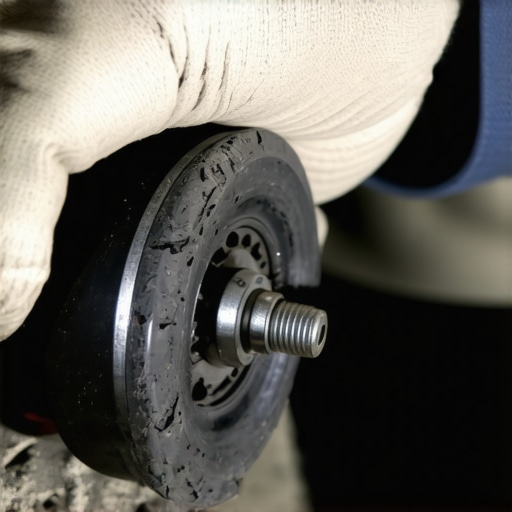
If the engine stays put, it is time to get dirty. Most of the pull happens because a suspension component has too much play. When you accelerate, the force pushes the wheel forward. If a bushing is soft, that wheel physically moves further forward than the other one, effectively steering the car for you. You can perform the tie rod test you can perform in your own driveway to see if your steering links are the culprit. Jack up the car and grab the tire at the three and nine o’clock positions. Give it a firm, rhythmic shake. Any clicking or movement means you are losing your steering geometry the moment you apply torque. This is one of those essential auto repair strategies for frequent drivers that saves you from a high-speed disaster.
Identify Failing Ball Joints and Bushings
Sometimes the movement isn’t side-to-side but up-and-down. You need to learn how to spot a bad ball joint using a floor jack. If the ball joint is toast, the entire wheel assembly wanders under load. Look closely at the rubber boots on your control arms. If they are torn and leaking grease, that joint is bone-dry and likely the reason your car is diving toward the shoulder. This mechanical instability is why some drivers experience the reason your steering wheel is vibrating at low speeds before the pull becomes severe.
Inspect Your CV Axles for Internal Binding
Front-wheel-drive cars rely on Constant Velocity (CV) axles to transfer power. If the internal bearings in these axles get notched or worn, they do not spin smoothly under heavy load. Instead, they bind, creating a tugging sensation that feels like the car is fighting you. Listen for the clicking sound when you turn that means your cv axle is toast. I remember working on an old wagon where the axles looked fine from the outside, but as soon as we hit the highway on-ramp, the car would practically jump lanes. Replacing the half-shafts turned it back into a one-finger-on-the-wheel cruiser. Use auto repair hacks save money without sacrificing quality like checking for boot tears early to avoid these expensive axle replacements entirely.
A lot of shops will tell you that if the car pulls, you need an alignment. I am here to tell you that jumping straight to an alignment rack is often a waste of your hard-earned money. Here is the contrarian truth: a standard alignment is a static measurement. It tells you how your wheels sit while the car is parked. But your car does not just sit in a driveway; it lives under the stress of torque and weight transfer. I have seen hundreds of drivers get a ‘perfect’ alignment printout only to have the car still lunge toward the grass the moment they hit the gas. This is because your car is suffering from a dynamic alignment shift, where the force of the engine actually pulls the wheels out of position due to worn soft-parts like bushings.
Stop Blaming Your Alignment for Every Steering Pull
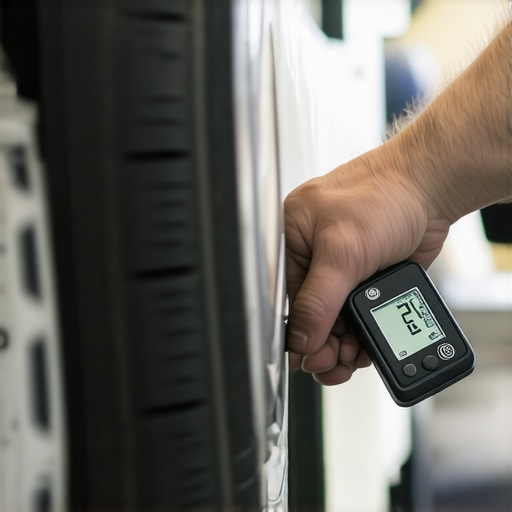
The most common mistake I see involves the ‘Oops’ factor of mismatched tire circumference. Most people know that you should not mix a snow tire with a summer tire, but they do not realize that even two tires of the same brand can be the culprit if one is significantly more worn than the other. On a front-wheel-drive car, the differential sends power to the path of least resistance. If your right tire is 3/32nds thinner than your left, it effectively has a smaller diameter. This causes it to spin faster than the other side to cover the same distance, creating a physical pull that no alignment in the world can fix. Before you pay for a diagnostic, grab a tread depth gauge and ensure your drive tires are twins, not just cousins.
Beyond the rubber, we have to talk about the ‘advanced’ diagnostics that go beyond the hardware. According to a study by the Automotive Service Association, nearly 40% of drivability issues are misdiagnosed because technicians ignore the data streams coming from the vehicle’s computer. For instance, if your car has an Electronic Power Steering (EPS) system, a failing steering angle sensor can ‘think’ you are turning when you are actually going straight, causing the motor to provide assist when you do not want it. This is why decoding vehicle diagnostics is so much more than just reading trouble codes.
Could a Faulty Engine Sensor Actually Mimic a Suspension Tug?
It sounds crazy, but yes. Modern cars use traction control systems that tap into individual brakes to keep the car straight. If you have a wonky wheel speed sensor or a glitchy throttle position sensor, the car might intermittently apply the brake on one side during acceleration because it ‘thinks’ a wheel is slipping. This feels exactly like a mechanical pull. This is why I always warn against the truth about using cheap aftermarket sensors in your engine; they can send ‘dirty’ data that makes your car behave like the front end is falling apart. We also see similar confusion when it comes to stopping power; many brake service myths busted what really matters for safety revolve around the idea that brakes only affect stopping, but a dragging caliper can cause a massive pull during acceleration as the engine fights that resistance.
The Pro-Level Check You Can Do Right Now
If you want to be truly thorough, check your tire pressure while the tires are hot. Most people check them cold, but heat increases pressure unevenly if one brake is dragging or one wheel bearing is running hot. A 5-PSI difference between the front tires can create a steering bias that feels like a failing CV axle. Staying ahead of these small details is one of the most essential auto repair strategies for frequent drivers. Have you ever spent a fortune on an alignment only to have the pull stay exactly the same? Let me know in the comments below—I would love to help you figure out which hidden nuance you might be dealing with.
To stop the guessing game, you need to graduate from a basic $20 code reader to a bi-directional scan tool. I personally use an Autel or Launch tablet because they allow me to perform ‘active tests’—meaning I can tell the car’s computer to cycle a specific solenoid or recalibrate the steering angle sensor while I am sitting in the driver’s seat. If your car has electronic power steering and pulls under load, you might just need a software reset rather than a wrench. This level of decoding vehicle diagnostics is what separates a parts-changer from a true troubleshooter. According to the SAE International J1979 standard, the depth of data available through the OBDII port is massive, but most drivers only scratch the surface by looking for a check engine light. Using live data to monitor wheel speed sensors in real-time can show you exactly which side is dragging before you ever pull a wheel off.
How do I keep my suspension from wandering as the miles pile up?
Keeping your car straight during acceleration requires more than just reactive fixes; it requires a proactive approach to rubber health. Rubber bushings are the unsung heroes of your front end, but they are vulnerable to oil leaks and road salt. I make it a habit to spray my bushings with a high-quality silicone lubricant every time I am under there for an oil change. This keeps the rubber from drying out and cracking, which is one of the top auto repair tips to extend your vehicles lifespan that most people overlook. If you let those bushings turn to stone, your control arms will eventually develop play, leading right back to that terrifying steering tug. 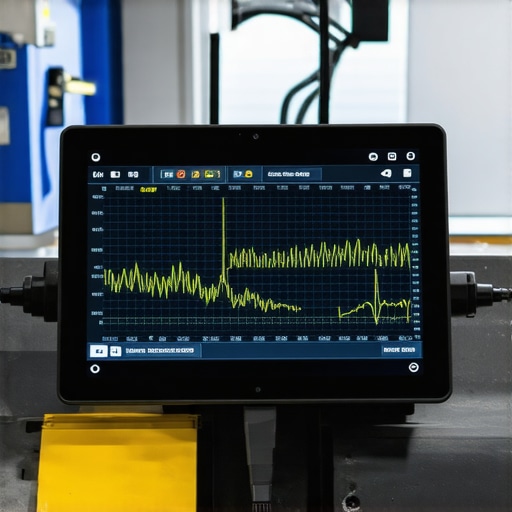 I also recommend checking your CV boot integrity every six months. A tiny tear is a cheap fix, but if that grease escapes, you are looking at a full axle replacement. Utilizing auto repair hacks save money without sacrificing quality like catching these small tears early can save you a thousand dollars over the life of the car. Looking ahead, I suspect we are moving toward predictive diagnostics where your car will alert your phone the second a bushing begins to deflect beyond factory specs. For now, we still rely on our hands and a good pry bar. If you want to master your car’s health, I challenge you to perform a ‘dry park’ test: have a friend wiggle the steering wheel while you watch the steering linkage for any sign of a pop or a gap. This simple, advanced check can reveal more than a dozen expensive sensor readings ever could. Make sure you also stay on top of your stopping hardware by checking out the ultimate guide to brake service for safety and performance to ensure your calipers aren’t the hidden cause of your steering issues.
Hard Truths About Steering Tugs I Learned the Expensive Way
Over the years, I have realized that a car pulling under load is rarely a complete mystery; it is usually a lack of thoroughness in the diagnostic process. First, never underestimate the power of symmetry. If your tires are not identical in wear, you are fighting a losing battle against physics from the start. Second, remember that the reason your steering wheel is vibrating at low speeds is almost always the early warning sign of a bushing about to give up entirely. Third, I have learned that the truth about using cheap aftermarket sensors in your engine applies to suspension parts too; off-brand rubber degrades significantly faster under the heat of the road. Finally, trust your gut—if the alignment shop says it is fine but the car still lunges, check your engine mounts immediately.
#IMAGE_PLACEHOLDER_E#
The Gear That Keeps My Garage Running
To stop being a parts changer and start being a diagnostic pro, you need the right tools in your arsenal. I always recommend a bi-directional scan tool for how advanced vehicle diagnostics prevent costly breakdowns; it lets you talk to the car’s brain directly to see if electronic steering assist is the problem. A heavy-duty pry bar is also non-negotiable for finding hidden play in those control arms during your shake test. I also swear by a high-quality silicone spray to maintain rubber health, which is one of the top auto repair tips to extend your vehicles lifespan. Lastly, keep a digital tread depth gauge handy to ensure your drive wheels are perfectly matched to avoid differential pull.
Take Back Control of Your Drive
Driving should not feel like a wrestling match with your steering rack every time you merge onto the highway. When you take the time to look beyond a basic alignment and dive into decoding vehicle diagnostics, you gain a level of safety that a simple quick fix can never provide. Whether you are preparing for a cross-country move or just handling your daily commute, a straight-tracking car is the foundation of a stress-free trip. Do not let a mystery pull ruin your love for the road—grab your tools and get to the bottom of it today. Have you ever replaced a part thinking it would fix a pull, only to have the car keep lunging toward the shoulder? Let me know your story in the comments below!