
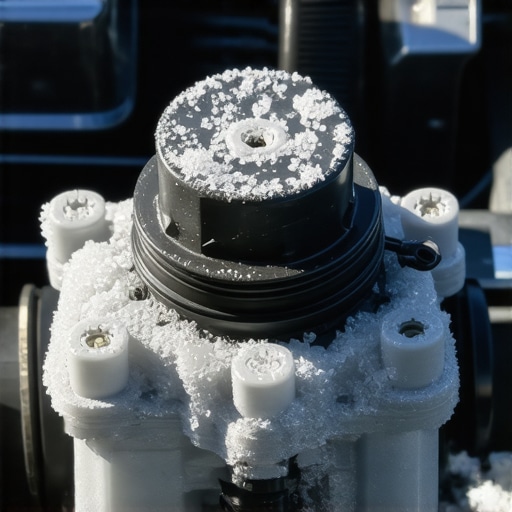
It was a brutal 25-degree morning last January when I first heard it. I turned the key, and instead of the usual hum, my SUV emitted a high-pitched, agonizing wail that sounded like a blender full of gravel. Every time I nudged the steering wheel to back out of the driveway, the sound intensified, vibrating right through my palms. I felt that familiar pit in my stomach, the one that usually precedes a massive credit card charge. But here is the kicker: by the time I reached the end of the block, the noise had completely vanished. I used to think if a sound went away on its own, I could safely ignore it. I was wrong. Early in my DIY journey, I made the mistake of ignoring a tiny hiss in a return hose, only to have the entire pump seize up three weeks later. Today, I am going to show you exactly how to pin down that morning screech so you can avoid a massive repair bill and keep your car on the road longer. This is about more than just a quiet commute; it is about catching a small leak before it turns into a total system failure. Have you ever sat in your driveway, terrified to turn the wheel because of that banshee-like scream? Let me know in the comments if your car only screams when the frost is on the windshield.
Stop Cringing Every Time You Turn the Key
That morning whine is almost always a sign of ‘aeration’—a fancy way of saying air is getting trapped where only fluid should be. When the temperature drops, seals shrink and fluid thickens, making it the perfect environment for a tiny air bubble to cause a ruckus. According to the Car Care Council, neglected fluid maintenance is a leading cause of premature steering component failure, often leading to a steering rack failure that feels exactly like a bad alignment. It is a classic case of a ten-dollar fix preventing a thousand-dollar headache. Before you start panicking about buying a new car, you should perform some easy checks before your next trip to see if the fix is as simple as a loose clamp or a dirty reservoir screen. I have seen so many neighbors waste money on a new pump when all they really needed was a fresh O-ring and a proper fluid flush.
Will This Actually Kill My Power Steering Pump?
The short answer is yes, eventually. While the noise might disappear as the fluid warms up and expands, the microscopic bubbles are causing cavitation, which basically acts like a tiny sandblaster inside your pump. If you want to keep your vehicle healthy, following top auto repair tips to extend your vehicles lifespan means addressing these symptoms the moment they appear. I have learned the hard way that a quiet car is usually a happy car, and that morning whine is your power steering system screaming for a little bit of attention before the metal-on-metal damage becomes permanent.
Let’s Track Down the Source of That Scream
Before you start ordering parts, you need to play detective. The very first thing I do when I hear that morning groan is pop the hood while the engine is still running. You are looking for evidence of air intrusion. I remember working on an old sedan where I was convinced the pump was toast. I even had the new one sitting on my workbench. But after performing some easy checks before your next trip, I noticed a tiny bead of fluid weeping from a return hose. It wasn’t even a leak in the traditional sense; it was just enough of a gap to let air in when the rubber was cold and stiff. If you can’t find a visible wet spot, you can use the cardboard trick to find a tiny oil leak overnight, which works just as well for power steering fluid to narrow down where the drips are landing.
Check Your Reservoir for the Strawberry Milkshake Look
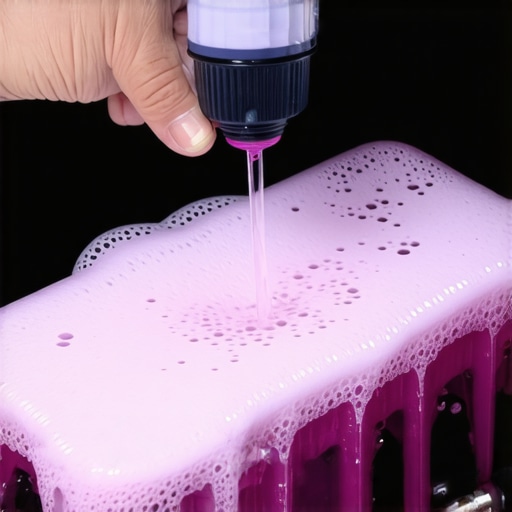
Open the power steering reservoir cap. Healthy fluid should be clear and red. If it looks like a pink, frothy strawberry milkshake, you’ve found your problem: aeration. Those tiny bubbles are the gravel you’re hearing. Think of it like trying to drink a thick milkshake through a straw with a hole in it—you get more air than liquid, and it makes a hell of a noise. This is one of those auto repair hacks to save money because often, the fluid just needs to settle and the leak needs to be sealed. If the fluid is black or smells burnt, you’re looking at internal wear that can lead to steering rack failure that feels exactly like a bad alignment.
The 50-Cent Part That Saves the Whole System
On many modern cars, the culprit isn’t the pump itself but a small O-ring on the intake nipple. When it gets cold, that O-ring flattens out and loses its seal. My biggest DIY regret involved a $300 premium pump for my truck. I spent an entire Saturday morning fighting rusted bolts and spilled fluid, only for the new pump to scream just as loud. After hours of frustration, I swapped the fifty-cent O-ring on the plastic elbow where the hose meets the pump, and the silence was instant. Using essential auto repair strategies for frequent drivers means checking these soft parts first. Tighten your hose clamps and check the integrity of your hoses before you commit to the heavy lifting.
Purge the Air Without Making a Mess
Once you’ve tightened the clamps or replaced the O-ring, you have to get the air out. This isn’t like bleeding brakes where you need a complicated setup—though you can learn the trick for a perfect brake bleed every single time for your next project. For power steering, the process is simpler but requires patience. With the front wheels off the ground, turn the steering wheel slowly from lock to lock about 20 times. Do not hit the stops hard; just a gentle nudge at the end of the travel. This forces the air bubbles up and out through the reservoir. I used to rush this step and end up with a foam-over that ruined my driveway. Take it slow, keep the reservoir topped off, and you’ll hear the pump gradually quiet down as the air escapes.
Stop Trusting the Magic Fix in a Bottle
When that morning screech starts, the first instinct for many is to reach for a bottle of ‘Stop-Leak.’ It is a tempting shortcut, but in my experience, it is a band-aid that eventually causes a hemorrhage. Most of these additives work by using chemicals to swell your rubber seals. While this might stop a minor drip for a week, it also softens the rubber throughout the entire system, making every hose and O-ring prone to a blowout. If you really want to protect your investment, focusing on auto repair hacks to save money should involve fixing the source of the leak, not chemically attacking your seals. According to technical reports from the Car Care Council, using non-compliant fluids or aggressive additives can degrade internal components up to 50% faster than maintaining a system with the manufacturer’s specified fluid.
What if the Noise Persists After a Perfect Bleed?
If you have purged the air and the fluid is fresh but that groan remains, you are likely dealing with a nuance most people overlook: the internal collapse of the high-pressure hose. Think of it like a clogged artery. The outer shell of the hose looks fine, but the inner liner has detached and is flapping inside, restricted the flow. This is where decoding vehicle diagnostics becomes critical. You might think the pump is failing because it’s struggling, but it’s actually the hose that’s starving the system of pressure. I have seen countless DIYers replace a perfectly good pump three times because they didn’t realize a $40 hose was the real culprit.
The Synthetic Fluid Trap and Why it Matters
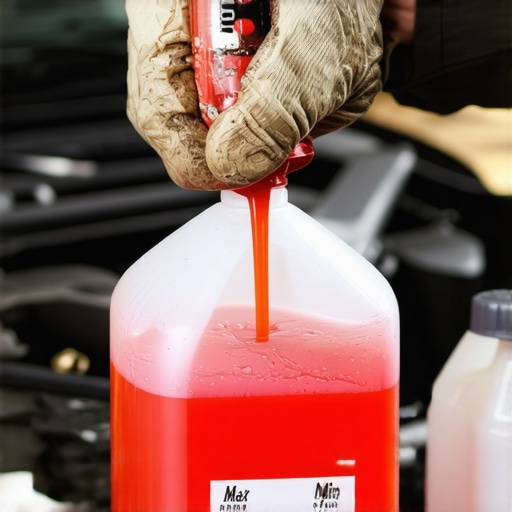
There is a common belief that ‘fluid is fluid,’ especially if it’s red. This is a dangerous myth. Using standard Automatic Transmission Fluid (ATF) in a system designed specifically for dedicated power steering fluid (like many European or Japanese models) is a recipe for disaster. Much like the synthetic oil myth that costs you money, using the wrong specialty fluid can lead to foaming and pump cavitation even if there isn’t a leak in sight. Always check your owner’s manual or the reservoir cap itself before topping off. Mixing incompatible fluids creates a chemical slurry that can eat through your rack and pinion seals, eventually leading to a steering rack failure that feels exactly like a bad alignment.
Don’t Ignore the Subtle Vibration in Your Palms
Sometimes the noise isn’t a scream; it’s a subtle shudder when you turn the wheel at low speeds. This ‘telegraphing’ through the steering column is a sign that the bypass valve inside the pump is sticking. Before you condemn the pump, try a full system flush. Over time, microscopic metal shavings build up and jam these tiny valves. Utilizing how advanced vehicle diagnostics prevent costly breakdowns means looking at the fluid quality under a bright light. If you see a ‘metallic’ sheen in the sun, that is your pump’s internal components wearing away. Catching it early with a flush can save the rack, but once that metal reaches the steering gear, the bill triples. Have you ever fallen into the ‘stop-leak’ trap or spent money on a pump you didn’t need? Let me know in the comments.
While I am a big advocate for the lock-to-lock wheel turning method I mentioned earlier, if you are doing this more than once a decade, you need a vacuum pump. I personally use a Mityvac 8500. Why? Because it allows you to pull a vacuum on the entire reservoir while the engine is running using a specialized rubber stopper, which draws out air bubbles that are physically too small to rise on their own. It is the difference between a good enough job and professional-grade silence. This level of precision is exactly how advanced vehicle diagnostics prevent costly breakdowns by ensuring you are not leaving microscopic air pockets to eat your pump from the inside out. 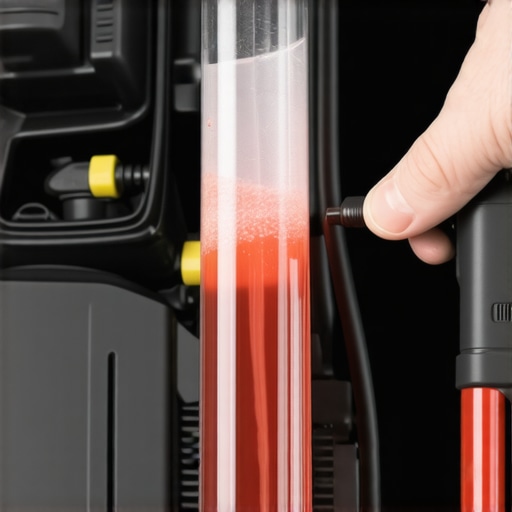 I predict that within the next five to ten years, the hydraulic power steering pump will be a relic found only in classic car shows. We are moving rapidly toward fully Electric Power Steering (EPS). While this eliminates the messy fluid and the scream of a failing pump, it introduces a new world of electrical gremlins. You won’t be listening for whines; you will be decoding vehicle diagnostics to find out which torque sensor or software update is causing your steering to feel heavy.
How can I keep my steering system silent for the next 100,000 miles?
My personal rule of thumb is the Baster Method every other oil change. You do not need a full machine flush every time. Just take a clean turkey baster, suck out the fluid from the reservoir, and replace it with fresh, high-quality synthetic fluid. It takes five minutes, and if you do it regularly, your fluid stays pristine red instead of turning into that strawberry milkshake or burnt coffee mess. Just like following oil change innovations and technologies that save your engine, keeping your hydraulic fluids fresh prevents the buildup of varnish on internal valves. If you see the brake fluid color that means you need a flush immediately, chances are your power steering fluid is in just as bad a shape. Combining these small habits is the most effective of all top auto repair tips to extend your vehicles lifespan. According to technical documentation from SAE International Standard J514, the integrity of hydraulic seals depends heavily on the presence of specific anti-foaming agents in the fluid. These additives shear down over time, which is why that lifetime fluid claim from manufacturers is usually a marketing myth. If you want to be proactive, I highly suggest checking out the ultimate guide to brake service for safety and performance as well, because once you master fluid maintenance in one system, you will realize it is the secret sauce to keeping any high-mileage vehicle feeling brand new. Go out to your garage tonight, grab a clean white paper towel, and dip it into your power steering reservoir. If it is anything but bright red, it is time to start that refresh.
The Hard Truth About Hydraulic Systems That Most Shops Skip
Over the years, I have realized that power steering issues are rarely about catastrophic failure and almost always about simple physics. One big lightbulb moment for me was realizing that air is a fluid’s worst enemy; it doesn’t compress the same way, and it carries heat like a torch. Another hard lesson? Never trust a ‘leak-free’ system just because the driveway is dry. Air can get in where fluid can’t get out, especially when those rubber seals get brittle in the cold. Focusing on top auto repair tips to extend your vehicles lifespan often means looking for the absence of things, like missing O-ring elasticity, rather than just looking for puddles. Finally, remember that your power steering pump is essentially a precision-machined heart—give it the wrong ‘blood type’ by using generic ATF, and it will eventually reject the transplant.
Gear That Saved My Sanity in the Driveway
If you want to stop guessing and start fixing, there are three things I never go without. First is a quality vacuum pump like the Mityvac; it turns a frustrating two-person job into a solo victory. Second, I always keep a dedicated turkey baster in my tool chest for the ‘Baster Method’—it is one of the best auto repair hacks to save money while keeping your fluid fresh. Lastly, get your hands on a digital copy of your car’s actual service manual. Relying on forum hearsay for fluid specifications is how pumps get ruined. These tools allow you to move from guessing to decoding vehicle diagnostics with actual confidence.
Your Road Back to a Quiet Morning
You don’t have to be a master mechanic to silence that morning scream. It starts with a simple observation and a five-dollar O-ring. By taking the time to understand the ‘why’ behind the whine, you’re not just saving money; you’re taking control of your car’s health. This approach to auto repair turns a stressful commute into a victory lap. Silence is golden, but the knowledge that you fixed it yourself is even better. Have you ever replaced an entire pump only to realize it was just a loose hose clamp causing the noise? Let me know in the comments below!