
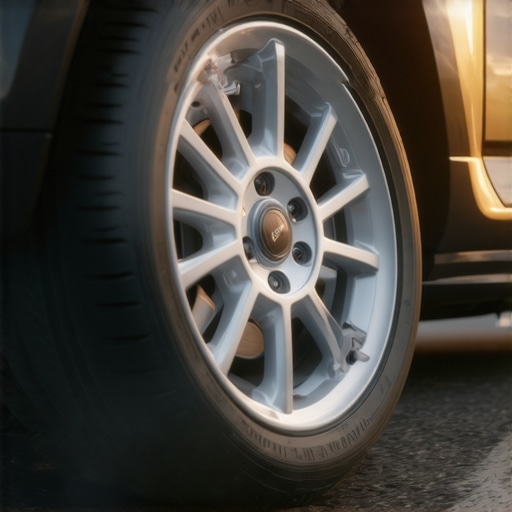
It happened last Tuesday on the bypass, and I’m not ashamed to admit it scared the daylights out of me. A squirrel darted out, I mashed the brake pedal, and my SUV didn’t just slow down—it tried to dive headfirst into the right-hand ditch like it had spotted a lost treasure. My heart was in my throat, and I had to white-knuckle the steering wheel just to stay in my lane. It’s a visceral, terrifying feeling when your vehicle suddenly decides to follow its own path. Have you ever felt that sudden, heart-stopping yank on the steering wheel when you’re just trying to stop for a red light? If you have, you know exactly why I spent my Saturday morning covered in grease figuring this out.
Why Your Steering Wheel Suddenly Tries to Steer for You
Look, your car should be your most predictable friend, especially when you’re asking it to stop. When it pulls to one side, it’s screaming that something is unbalanced. I’m not here to tell you to go out and buy a brand-new car today. I’ve spent too many weekends under my own rusty project vehicles to want that for you. Instead, we’re going to look at the ‘why’ behind that tug. Most of the time, it comes down to uneven pressure. One side is working harder than the other, and that physics battle is being played out through your steering rack. If you’ve been noticing other weird symptoms, you might want to check the ultimate guide to brake service for safety and performance to see where your routine maintenance stands. According to the National Highway Traffic Safety Administration (NHTSA), brake-related issues are a factor in nearly 22% of crashes involving vehicle failure, so this isn’t something we can just ignore. [image_placeholder_1]
Is a Pulling Car Actually Worth Fixing Right Now?
I hear this all the time from my neighbors: ‘Can’t I just hold the wheel tighter?’ Honestly, that’s a dangerous game. Years ago, I made the mistake of thinking my pull was just a minor alignment issue. I actually spent eighty bucks on a front-end alignment, thinking it was an easy fix. Spoiler alert: I wasted that money because the car still pulled like a magnet to a fridge. It turned out to be a seized caliper pin—a ten-dollar part I could have swapped in twenty minutes if I’d done my homework. This is why how advanced vehicle diagnostics prevent costly breakdowns is such a vital concept to understand. We’re going to solve this by looking at the components that actually cause the pull, like your brake hoses, calipers, and even the brake fluid color that means you need a flush immediately. My goal today is to get you back to a smooth, straight stop without the drama.
The Scary Reality of Uneven Braking Pressure
When you hit that pedal, hydraulic fluid should travel equally to both front wheels. If one side has a collapsed hose or a stuck piston, your car is essentially only braking on one side. Imagine trying to stop a bicycle by only squeezing the right handlebar brake; you’re going to swerve. It’s the same logic with your car. If you’ve noticed that your car pulls to the left when you hit the brakes, or specifically to the right, we need to narrow down whether it’s a hydraulic failure or a mechanical one. It’s often the small things, like a slide pin that hasn’t seen a drop of grease in five years, that cause the most trouble.
Spot the Difference Between a Sticky Caliper and a Bad Line
Before you start throwing parts at your car, you need to play detective. The first thing I always do is pull the front wheels off and look for ‘the signature.’ If your driver-side brake pad looks brand new while the passenger-side pad is worn down to a sliver, you’ve found your culprit. This uneven wear is a neon sign pointing toward a seized caliper. Think of your caliper like a C-clamp; if it can’t release its grip, it’s going to keep rubbing, generating heat, and dragging your car toward that side of the road. If you find yourself in this spot, knowing why your brakes squeal even after you replaced the pads can help you distinguish between a simple noise and a mechanical failure.
Clean Your Slide Pins Before You Buy New Parts
I remember working on my old 2004 F-150 a few summers ago. Every time I touched the brakes, the truck wanted to jump into the next lane. I was convinced I needed a whole new steering rack, which would have cost me hundreds. Instead, I spent thirty minutes pulling out the caliper slide pins. They were so bone-dry and rusted they looked like they’d been sitting at the bottom of the ocean. A quick scrub with a wire brush and a five-dollar tube of high-temp grease was all it took. Suddenly, the truck tracked straight as an arrow. This is one of those classic auto repair hacks to save money without sacrificing quality that every driver should have in their back pocket. If those pins don’t slide, the caliper can’t center itself, and you get that dreaded pull. 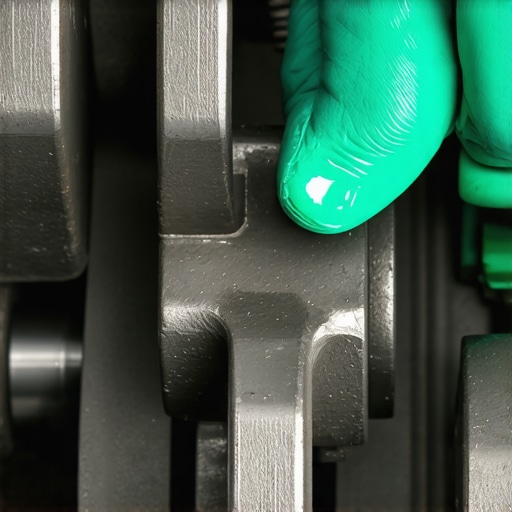
Don’t Forget the Liquid Gold in Your Lines
Sometimes the problem isn’t metal-on-metal; it’s the fluid itself. Brake fluid is hygroscopic, which is a fancy way of saying it sucks up moisture from the air like a sponge. Over time, that water causes internal corrosion or even ‘brake fade’ when things get hot. If your pedal feels like stepping on a marshmallow, you likely have air or old, dirty fluid in the system. You should check the brake fluid color that means you need a flush immediately to see if your hydraulic system is actually working against you. If the fluid looks like coffee instead of light honey, it’s time for a change.
Master the One Person Bleeding Technique
If you’ve determined the fluid is the issue, you need to get the air out. Most people think you need a second person to pump the pedal while you scream ‘open’ and ‘close’ at the bleeder valve. While that works, I prefer using a vacuum bleeder or a simple one-way check valve hose. Using the trick for a perfect brake bleed every single time ensures that no stray air bubbles stay trapped in the lines. Air is compressible, but fluid isn’t. If one line has air, that wheel won’t bite as hard as the others, creating an immediate pull during hard stops. It’s a precision job, but doing it yourself ensures it’s done right without the rushed shortcuts a busy shop might take.
Check the Bones of Your Suspension
If your brakes look perfect but the pull persists, it’s time to look at the ‘bones’—your control arms and bushings. A worn-out rubber bushing can allow the entire wheel assembly to shift backward when you apply the brakes, changing the alignment dynamically. It feels exactly like a brake problem, but it’s actually a geometry problem. In some cases, the steering rack failure that feels exactly like a bad alignment can also mimic these symptoms. Grab a pry bar and check for play in your ball joints and control arms; if they wiggle, the brakes aren’t the ones to blame.
Most DIYers assume that if the car dives to the right when they hit the pedal, the right brake is the “bad” one. In my experience, it’s often the exact opposite. If your left caliper is completely seized and won’t compress, it’s doing zero work. When you hit the pedal, the right side is the only one biting, so the car pivots around that working wheel. I’ve seen guys spend hundreds replacing parts on the “pulling” side only to realize the other side was dead. This is one of those brake service myths busted that can save you a week of frustration and a lot of wasted cash. It’s about looking at the system as a whole, not just the symptom.
The Side You’re Pulling Toward Might Be the Innocent One
Everyone says to fix the side that feels ‘active,’ but in reality, you need to check for hydraulic bias. If you’ve spent any time looking into top auto repair tips to extend your vehicles lifespan, you know that keeping systems balanced is key. When one front brake fails to engage, the steering wheel will always jerk toward the wheel that is actually providing friction. If you’ve been chasing a ghost pull, try measuring the temperature of your rotors with an infrared thermometer after a short drive. If one rotor is 200 degrees and the other is 70, the cool one is your culprit.
Don’t Fall for the ‘One-Side-Only’ Replacement Trap
Then there’s the “Oops” factor: replacing just one caliper. I know, money is tight, but calipers are like shoes; you don’t just replace the left one when the sole wears out. A new caliper will almost always have a slightly different piston speed and seal tension than a five-year-old unit. This creates a permanent, subtle imbalance that no alignment can fix. If you’re doing the work, do both. It’s part of the essential auto repair strategies for frequent drivers to ensure total symmetry across the axle. 
According to a technical report by SAE International, even a 10% variance in hydraulic pressure between the front wheels can significantly alter steering geometry and stability under heavy load. This is why understanding how advanced vehicle diagnostics prevent costly breakdowns is so crucial—it’s about measuring the invisible forces that a simple visual inspection misses. If the pressure isn’t equal, the stop won’t be straight.
Can a Failing ABS Pump Mimic a Mechanical Drag?
This is a high-level question I get from experienced wrench-turners. The answer is a frustrating ‘yes.’ If an internal valve in the ABS modulator block gets stuck or partially clogged with debris—usually from neglecting the brake fluid color that means you need a flush immediately—it can hold residual pressure on one wheel even after you release the pedal. It feels exactly like a mechanical stick, but it’s actually a computer-controlled hydraulic nightmare. You can test this by safely cracking the bleeder valve when the “pull” is happening; if fluid squirts out under pressure and the wheel suddenly spins free, you’ve got a hydraulic blockage in the ABS, not a bad caliper. Have you ever fallen into this trap where you replaced the “wrong” side? Let me know in the comments. Keeping your car straight shouldn’t be a guessing game, and by decoding vehicle diagnostics properly, you stop being a part-changer and start being a real mechanic.
Why I Never Touch a Brake Job Without These Specific Tools
I’ve learned the hard way that a standard socket set and a ‘good enough’ attitude will eventually leave you stranded on the shoulder of the road. If you’re serious about stopping that annoying pull, you need a high-quality torque wrench. Most people just crank down on the caliper mounting bolts until their veins pop, but according to the Friction Materials Standards Institute (FMSI), uneven torque on those bolts can actually cause the caliper bracket to twist slightly, leading to that exact uneven wear we’ve been trying to avoid. I also swear by a dedicated piston compressor tool rather than a C-clamp; it applies perfectly even pressure across the piston face, which protects the delicate internal seals. If you’re looking to upgrade your garage game, checking out oil change innovations and technologies that save your engine can give you a better idea of how precision tools are changing the DIY landscape.
How do I keep my braking system healthy for the long haul?
Maintenance isn’t just about fixing things when they break; it’s about preventing the breakdown before it happens. Every time I do an oil change, I perform a quick visual inspection of the brake lines. I look for ‘sweating’—that faint dampness on a rubber hose that signals an internal failure is imminent. If you’re worried about leaks but can’t see them, try the cardboard trick to find a tiny oil leak overnight; it works just as well for brake fluid as it does for oil. Keeping the system sealed and the fluid fresh is the best way to avoid a expensive trip to the shop. You should also stop letting shops charge you for a free battery test while you’re at it, because a weak electrical system can actually cause erratic ABS behavior in modern vehicles. Consistency is your best friend here. 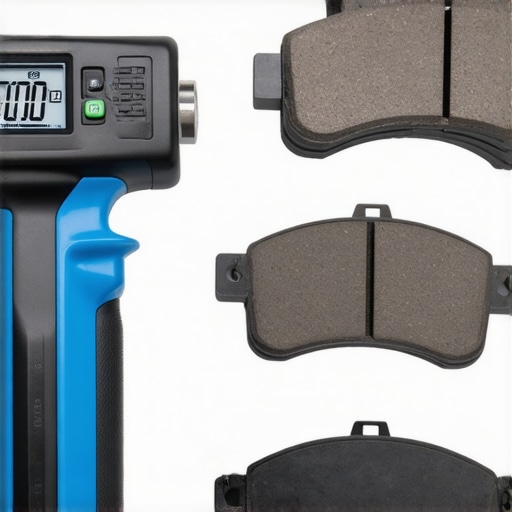
The Future of Stopping When Computers Take the Wheel
As we move toward more electric and autonomous vehicles, the ‘feeling’ in the brake pedal is actually being replaced by ‘brake-by-wire’ systems. We are moving away from purely hydraulic setups toward electronic actuators that can adjust pressure in milliseconds. While this means fewer mechanical pulls, it also means that decoding vehicle diagnostics will become even more critical for the home mechanic. We’re already seeing sensors that can predict pad wear based on driving style and temperature. In the next decade, your car won’t just pull to the right; it will send a notification to your phone telling you exactly which slide pin is sticking before you even feel it in the steering wheel.
If you really want to be ahead of the curve, I challenge you to try the thermal check I mentioned earlier. Grab an inexpensive infrared thermometer and check your rotor temperatures after a normal 15-minute drive. It’s the single most effective way to see if your brakes are balanced without taking a single bolt off. If you find a massive discrepancy, you know exactly where to start your weekend project. Staying proactive is the only way to ensure top auto repair tips to extend your vehicles lifespan actually work for you instead of against you.
The Most Expensive Lesson I Learned Under the Chassis
If there is one thing I’ve learned from decades of grease-stained fingernails, it’s that the loudest part of the car isn’t always the broken one. When your vehicle dives to the right, your brain screams to check the right wheel. But as we’ve seen, the left side might just be the one failing to do its job. I wasted two hundred bucks on my first project car replacing a perfectly good rotor because I didn’t understand hydraulic balance. It’s a classic case where auto repair hacks to save money without sacrificing quality aren’t just about cheap parts, but about smart thinking. I also realized that 90% of pulling issues come down to simple friction—keep your slide pins greased, and half your battles are already won. [image_placeholder_final]
Tools You’ll Pry from My Cold Dead Hands
You don’t need a professional shop setup to master your own brake service, but a few specific items are non-negotiable for me. First, an infrared thermometer—it’s like having X-ray vision for your calipers to see which one is actually working. Second, a high-quality torque wrench; guessing ‘tight enough’ on your caliper bolts is a recipe for warped brackets. Finally, I always keep a sturdy pry bar nearby because the simple way to check your ball joints with a pry bar can save you from chasing a brake ghost that’s actually a suspension geometry problem. These tools turn a frustrating guessing game into a precise science.
Taking Back Control of Your Drive
There is a unique kind of pride that comes from fixing a steering pull yourself. It’s about more than just saving a few hundred dollars at the shop; it’s about knowing that your vehicle is safe because you personally verified the work. If your car is acting up, don’t just white-knuckle the wheel and hope for the best. Dive in, check the fluid, grease those pins, and restore that factory-straight stop. If you find yourself wondering why your car pulls left while braking but stays straight otherwise, you now have the detective skills to solve it. Your safety is worth the afternoon of work. Have you ever replaced a part only to find out the real problem was on the complete opposite side of the car? Let me know your biggest ‘oops’ moment in the comments below!