
I remember the first time my old sedan decided that 4,000 RPM was the new normal for a 65 MPH cruise. My engine was wailing like a banshee, and I watched my fuel needle move in real-time. I panicked. I thought for sure my transmission was a goner and I would be out three grand by Tuesday. It is a gut-wrenching feeling when your car just won’t settle down into that top gear. But here is the kicker: after a week of stress, it turned out to be a simple sensor issue I could have swapped in my driveway for the cost of a few pizzas. Today, we are going to dive into why your car is holding onto gears and how you can diagnose it without the dealership tax.
Your Transmission is Not Necessarily Dead
Most folks assume the worst when overdrive goes missing. We have been conditioned to think any transmission hiccup means a total rebuild. Sometimes, it is just the computer protecting itself. If your car is shifting hard when the engine is cold, it might be waiting for the fluid to reach the right temperature before it allows that final shift. I once spent an entire Saturday morning scouring forums because I did not realize my engine coolant was actually too cold, preventing the ECU from enabling overdrive. It was a classic case of overthinking the problem while ignoring the basics. Whether it is a temperature sensor or a simple electrical glitch, the solution is often much closer than the scrap yard.
Is an Overdrive Failure Always a Total Loss?
Not even close. According to the Car Care Council, a huge percentage of transmission issues are actually related to external sensors or low fluid levels rather than internal mechanical failure. You might be dealing with a solenoid failure that locks your car in limp mode, which sounds scary but is often a localized fix. Before you start looking for a new car or a heavy-duty loan, we need to focus on decoding vehicle diagnostics to see what the computer is actually seeing. Trust me, I once misdiagnosed a bad brake light switch as a failing torque converter—don’t be like me and skip the easy checks. Have you ever been stuck in the slow lane because your car refused to shift up, or did your ‘O/D Off’ light start flashing out of nowhere? Let me know in the comments, because I have been there and I know how frustrating that mystery can be. We are about to break down exactly how to find the culprit.
Stop Guessing and Check the Fluid First
Before you assume your transmission is a paperweight, check the lifeblood of the system. Transmission fluid acts as both a lubricant and a hydraulic fluid; if it is low or burnt, the pressure required to engage the overdrive gear simply isn’t there. I have seen cars regain their fourth and fifth gears just by adding a quart of the right stuff. If your car is one of those modern machines without a visible handle under the hood, you need to learn how to check your transmission fluid without a dipstick. It involves a bit more effort, usually leveling the car and checking a plug on the side of the case, but it is the only way to be sure you aren’t running dry. If the fluid looks like dark coffee and smells like a burnt marshmallow, a simple top-off won’t cut it, and you might be looking at deeper wear. 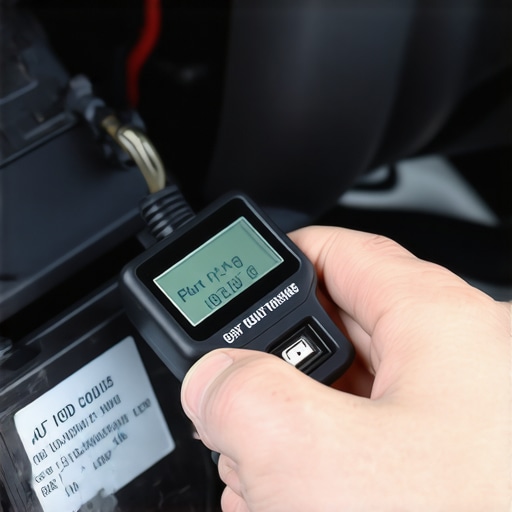
Plug in a Scanner Before You Pull the Pan
Your car’s computer is the brain of the operation, and if it detects a mismatch in speed sensors, it will prevent an upshift to save the mechanical components. Modern vehicle diagnostics explained clearly show that many ‘transmission’ problems are actually electrical. A cheap OBD2 scanner can reveal if a shift solenoid has gone electrically open or if your speed sensor is sending gibberish to the ECU. One of the most common culprits is the solenoid failure that locks your car in limp mode. These solenoids are essentially tiny gates that open to let fluid pass; if the gate is stuck shut, that gear stays off-limits. Most of these are accessible just by dropping the transmission pan, meaning you can fix it in your driveway for under a hundred bucks.
Look at Your Engine Temperature Like a Hawk
It sounds crazy, but your engine cooling system has a direct line of communication with your transmission. To help the engine warm up faster and reduce emissions, many cars are programmed to stay out of overdrive until the coolant reaches a specific operating temperature. If your thermostat is stuck open, the engine might never get hot enough to ‘permit’ that final shift. You can easily learn how to tell if your car thermostat is stuck open by watching your temp gauge; if it never reaches the middle and stays near the bottom during a highway cruise, that is your culprit. I once spent three hours looking for a mechanical slip only to realize a ten-dollar thermostat was the reason my RPMs were screaming.
That Time a Brake Switch Tricked My Entire Drivetrain
I once owned an old SUV that refused to engage the torque converter lockup, which felt exactly like it was refusing to shift into its final gear. I was convinced the transmission was toast. After scouring forums, I found a tip about the brake light switch. In many cars, if the computer thinks you are pressing the brakes, it will unlock the transmission to prevent a stall. My switch was slightly misaligned, constantly sending a ‘brakes on’ signal even though my feet were nowhere near the pedal. A quick adjustment and the car shifted like it was brand new. Following top auto repair tips to extend your vehicles lifespan often starts with these tiny, non-obvious components that interact with the main drivetrain. Always look for the ‘logic’ errors before you assume a mechanical death.Let’s dig a bit deeper into the psychology of the ‘Check Engine’ light. Most drivers—and even some green mechanics—treat an OBD2 code like a grocery list. If the scanner says ‘Shift Solenoid B,’ they run to the parts store immediately. However, the nuance that experts understand is that a code only indicates a circuit is out of range, not necessarily that the part is dead. It could be a frayed wire, a corroded ground, or even metallic debris in the fluid. Blindly replacing parts is the fastest way to drain your wallet without fixing the root cause. This is exactly how advanced vehicle diagnostics prevent costly breakdowns by focusing on the ‘why’ instead of just the ‘what.’ I once saw a DIYer replace three solenoids when the actual culprit was a mouse that had chewed through the wiring harness under the battery tray. 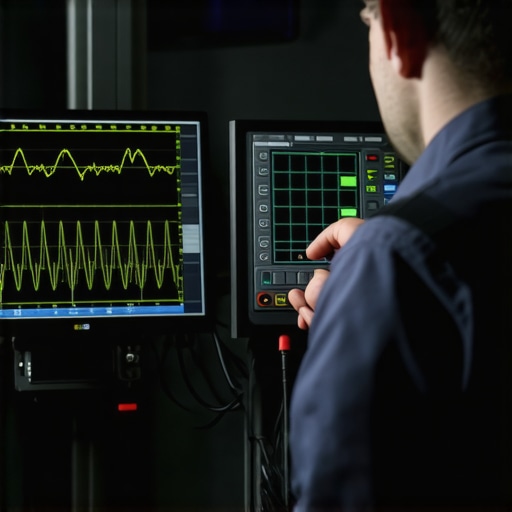
The ‘Lifetime Fluid’ Myth is Killing Your Gears
Many modern manufacturers claim their transmission fluid is ‘filled for life’ and never needs changing. This is a dangerous marketing tactic. While the car might make it through the warranty period, experts from companies like ZF—who actually manufacture the transmissions for many luxury and domestic brands—recommend fluid changes every 50,000 to 80,000 miles depending on driving conditions. Ignoring this leads directly to the solenoid failure that locks your car in limp mode because old fluid loses its ability to suspend contaminants and dissipate heat. If you are pushing a vehicle past 100,000 miles on the ‘original’ fluid, you are essentially driving on borrowed time.
Should You Ever Flush a High-Mileage Transmission?
In my experience, a high-pressure flush can actually be a death sentence for an old, neglected transmission. A forceful flush can dislodge worn clutch material that was actually helping the gears grip, pushing that grit into the microscopic passages of the valve body. I always recommend a simple ‘drain and fill’ instead. It is a gentler way to refresh the additive package without shocking a fragile system. The same logic applies to your braking system; while the ultimate guide to brake service for safety and performance emphasizes the importance of clean fluid, slamming an aging system with high-pressure bleeders can sometimes flip a seal in a master cylinder. You have to respect the age of the components.
Avoid the Trap of the Five-Dollar Sensor
The biggest ‘oops’ factor I see today is the temptation of the ultra-cheap aftermarket sensor. We have all seen them on discount websites for a fraction of the OEM price. But the truth about using cheap aftermarket sensors in your engine is that their resistance values are often just slightly off. The computer might not trigger a light, but it will adjust the transmission shift timing incorrectly, causing a subtle shudder that eventually destroys the torque converter. This is a classic example of the synthetic oil myth that costs you fifty dollars every visit—people try to save pennies on maintenance only to pay thousands in repairs later. Have you ever fallen into this trap of buying the ‘budget’ part only for it to fail two weeks later? Let me know in the comments, because we have all been tempted by those prices at least once.If you really want to move from a weekend tinkerer to someone who truly understands their machine, you have to stop using a $20 code reader that only speaks in riddles. I personally switched to a bi-directional scan tool a few years ago, and it changed everything. Instead of just reading a generic error, I can now tell the car’s computer to toggle the fuel pump or cycle a specific shift solenoid. This is where advanced vehicle diagnostics prevent costly breakdowns because you aren’t guessing; you’re verifying mechanical action with a digital command. If your car is struggling with its gears, being able to force a shift through the scanner tells you instantly if the problem is the solenoid itself or a blockage in the valve body.
Invest in a Scanner That Actually Talks Back
Modern cars are essentially rolling local area networks (LANs). When you plug in a high-end tool, you aren’t just looking for ‘Check Engine’ lights; you’re looking at fuel trims, oxygen sensor voltages, and transmission oil temperature in real-time. I also can’t stress the importance of precision enough. Most people ‘hand-tighten’ things until they feel snug, but that is a recipe for disaster on modern aluminum engine blocks. When I’m doing a brake service for safety and performance, every single caliper bolt gets torqued to the manufacturer’s spec. Over-tightening can stretch bolts or warp rotors, leading to that annoying pedal pulse. This attention to detail is what separates a hack job from a professional repair. It is the core of essential auto repair strategies for frequent drivers who need their cars to last 300,000 miles, not just through the weekend.
Why Precision Torque is Non-Negotiable
According to the SAE J2534 standard, which governs the ‘Pass-Thru’ programming of vehicle modules, the ability to update your car’s software is becoming just as vital as changing the oil. Sometimes a transmission flare or a hard shift isn’t a mechanical failure at all—it’s a software bug that the manufacturer fixed with a patch. You would be surprised how many ‘blown transmissions’ were fixed with a simple 15-minute reflash.
How do I keep my car running smooth as the miles pile up?
Maintaining a high-mileage vehicle requires a shift in perspective. You have to stop being reactive and start being predictive. I keep a dedicated log of every fluid swap and inspection. We are seeing oil change innovations and technologies like bypass filters that can keep oil pristine for much longer, but the human element of visual inspection remains king. Check your CV boots for cracks, look for those tiny green crusts on your radiator hoses, and never ignore a new vibration. Looking ahead, I see the ‘Right to Repair’ movement becoming even more critical as vehicles become ‘smartphones on wheels.’ We are moving toward a future where remote diagnostics will allow your car to order its own parts before you even know a sensor is failing. While that sounds convenient, the soul of auto repair will always stay in the garage. My challenge to you: Go grab a decent torque wrench and find the actual factory spec for your lug nuts. Don’t just ‘uugga-duugga’ them with an impact wrench; you will be surprised how much better your car feels when everything is exactly as the engineers intended.
Lessons Bought with Grease and a Few Too Many Lost Weekends
Over the years, I have realized that ‘limp mode’ is actually a friend, not a foe. When your car refuses to upshift, it is often the computer acting as a digital bodyguard to prevent a total mechanical meltdown. I have also learned that a clean electrical ground is the most underrated fix in the modern mechanic’s arsenal; a tiny bit of corrosion on a frame bolt can cause more transmission grief than a broken gear ever could. Most importantly, I have seen that decoding vehicle diagnostics requires patience—don’t trust the first forum post you read without verifying the data against your own car’s behavior. If you feel the shudder when shifting that feels like a rumble strip, it is a signal to stop and think, not to immediately reach for your wallet.
My Survival Kit for DIY Drivetrain Diagnosis
#IMAGE_PLACEHOLDER_E#
To avoid the dreaded ‘dealership tax,’ I rely on a few specific tools that have paid for themselves ten times over. First is a bi-directional scan tool; being able to command a solenoid to click while you are lying under the car is a diagnostic superpower. Second, a high-quality 3/8-inch drive torque wrench is essential for any valve body work to ensure you don’t warp the delicate aluminum passages. Lastly, I always keep a bottle of electrical contact cleaner and a small wire brush handy. These simple auto repair hacks save money without sacrificing quality and help you rule out the ‘easy fixes’ before you ever drop the transmission pan. By using how advanced vehicle diagnostics prevent costly breakdowns as a guide, you can pinpoint the exact failure point with surgical precision.
Step Into the Garage with Confidence
Taking control of your car’s maintenance is about more than just saving money; it is about the peace of mind that comes from knowing exactly how your machine works. Whether you are dealing with a faulty solenoid or a simple thermostat issue, remember that every successful repair starts with a single, logical step. Applying essential auto repair strategies for frequent drivers will keep you on the road and out of the service bay. Your car isn’t trying to frustrate you; it is just waiting for you to listen to what its sensors are saying. Don’t be afraid to get your hands a little dirty and master the art of auto repair on your own terms. Have you ever been convinced your transmission was dead, only to find out a tiny sensor was the real culprit? Let me know your story in the comments below!