
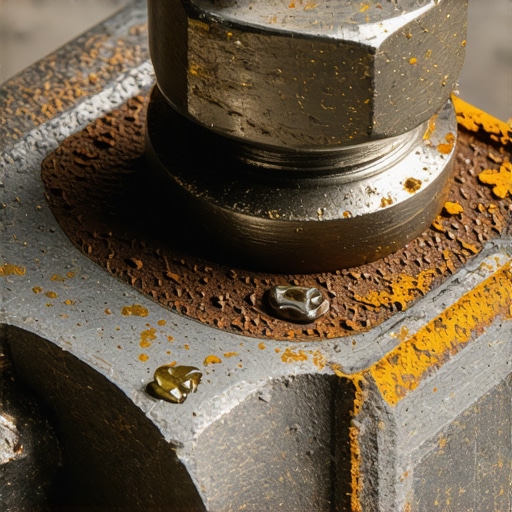
I remember staring at my old truck’s suspension, sweat dripping into my eyes, with a three-foot breaker bar in my hands. I felt that sickening ‘pop’—not the sound of a bolt loosening, but the sound of metal shearing off. That one snapped bolt turned a two-hour job into a two-day nightmare involving drills, extractors, and a lot of swearing. If you have ever been there, you know the sinking feeling in your gut. But after years of skinning my knuckles and drilling out mistakes, I finally learned that brute force is usually your worst enemy when dealing with corrosion. Today, I am going to share the exact process I use to coax even the crustiest fasteners out of their holes without ruining the part or your weekend. We are going to dive into some clever auto repair hacks that rely on science rather than muscle. Have you ever felt that terrifying snap and known immediately your Saturday was ruined? I would love to hear your worst rusted-bolt horror story in the comments below.
Stop Pulling So Hard Before You Regret It
My biggest mistake early on was thinking that more leverage always meant more success. I would grab a long pipe, slide it over my wrench, and lean back with everything I had. It felt productive until the head of the bolt came off in the socket. It is a classic rookie move that ignores how rust actually works. According to metallurgical research from ASM International, corrosion creates a chemical bond between the threads that can actually be stronger than the bolt’s original tensile strength. When you apply massive torque, you are not just turning the bolt; you are twisting the metal until it fails at its weakest point. This is especially true during a brake service for safety and performance, where heat cycles and road salt create a perfect storm of seize. Instead of fighting the rust, we need to break that bond using thermal expansion and chemical penetration. Using essential auto repair tips like these will save you hundreds in replacement parts and professional extraction fees.
Is a Little Spray Really Better Than a Big Wrench?
You might be skeptical that a can of liquid can do what a six-foot bar cannot, but the right penetrant is pure magic. Most people just spray it on and immediately start pulling, which is like trying to eat a steak before it is cooked. You have to give the chemicals time to capillary their way into the threads. I have found that a 50/50 mix of acetone and automatic transmission fluid often outperforms the expensive store-bought stuff. We are going to look at why patience is your most important tool in the box.
Fire Makes the Metal Forget Its Bond
The most effective way to break a chemical rust bond is through thermal expansion. When you apply heat to a nut, the metal expands at a different rate than the bolt inside it. This microscopic movement is often enough to crush the rust crystals and create the clearance you need. I once spent four hours fighting a seized manifold bolt on an old project car. I was sweating and ready to quit until I brought out the MAP pro torch. I heated that nut for two minutes, and it spun off like it was lubricated with butter. I did accidentally melt a nearby vacuum line because I wasn’t paying attention to the flame’s reach, which turned into a lesson about advanced vehicle diagnostics to find the new leak I just created. 
Don’t Go for the Cherry Red Glow Immediately
You do not always need to get the metal glowing to be effective. Excessive heat can actually change the tempering of the bolt, making it brittle and more likely to snap later. Start with moderate heat and use a candle or a bit of paraffin wax against the threads. The wax will melt and get sucked into the threads by capillary action, providing a high-temp lubricant that works better than almost anything else. If you are performing a brake service for safety and performance, be extremely careful not to heat the rubber seals in your calipers or you will be buying a rebuild kit you didn’t plan for.
Small Taps Beat Big Pulls Every Time
Vibration is the silent killer of rust. Instead of putting a massive breaker bar on the bolt and leaning into it, use an impact wrench or even a hammer and a punch. The rapid-fire hammering action creates thousands of tiny shocks that vibrate the rust loose without applying the constant twisting force that snaps the bolt head off. It is like the difference between trying to push a stuck door open versus jiggling the handle quickly. This technique is a staple among clever auto repair hacks because it relies on physics rather than brawn.
The Back and Forth Dance That Saves Your Threads
When the bolt finally starts to budge, do not just keep unscrewing it. If you do, the rust buildup in the threads will bunch up and eventually gall the metal, seizing the bolt halfway out. Instead, turn it out a quarter turn, then turn it back in an eighth. This clears the debris from the path. Think of it like a tap-and-die set cleaning new threads. I learned this the hard way during a simple oil change innovation project where a skid plate bolt felt loose but then snapped because I got greedy. By working the bolt back and forth, you allow the penetrant to work deeper into the hole. If you find the bolt is getting harder to turn as it comes out, stop, spray it again, and wind it back in. This patience is what separates a successful repair from a trip to the machine shop to have a stud extracted.Building on that idea of patience, let us look at a nuance most people miss during a standard brake service. You pull the wheels off, see there is plenty of friction material left, and slap it back together. But thickness is not everything. In my years of working on high-heat systems, I have seen pads that look nearly new but have been ‘glazed’ into a glass-like state by excessive heat. If you have ever wondered why your brake pedal vibrates when you stop on a hill even though your pads are thick, you are likely dealing with crystallized friction material that cannot grab the rotor properly. This is where a simple visual check fails you, and you need a more critical eye for the texture of the pad itself. 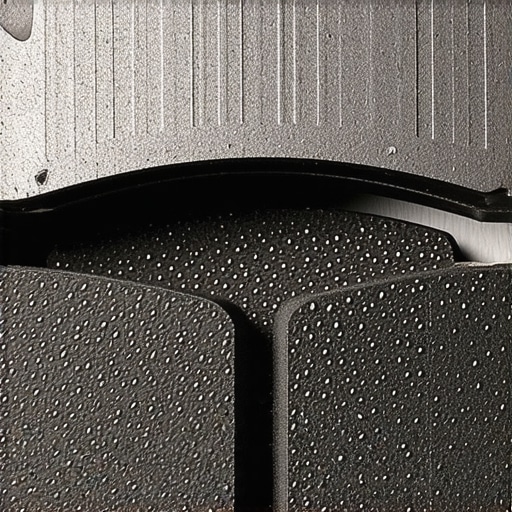
Why Does Your Engine Oil Level Sometimes Go Up?
This is a question that stumps many home mechanics who are used to the ‘cars burn oil’ narrative. If you pull your dipstick and find more fluid than you put in, do not celebrate yet. This is usually a sign of fuel dilution—where unburnt gasoline bypasses the piston rings and mixes with your lubricant. It is a common issue in modern GDI engines and can lead to a catastrophic drop in viscosity. This is why decoding vehicle diagnostics goes beyond just reading codes; it is about understanding the chemistry happening inside the block. According to a study by the Society of Automotive Engineers (SAE), even a 5% fuel dilution can reduce oil film thickness by up to 30%, leading to premature bearing wear. If you find why your engine oil level rises between oil changes, it is time to look at your fuel injectors or your driving habits, specifically if you take many short trips where the engine never reaches full operating temperature.
Stop Crushing Your Oil Pan with This Simple Oversight
One of the most common ‘oops’ factors I see in DIY maintenance involves the humble drain plug. Everyone is terrified of it falling out, so they tighten it until the threads scream. Not only does this risk stripping the soft aluminum of the pan, but most people forget the most critical component: the crush washer. I have seen countless leaks caused simply because someone reused a flattened washer that had lost its ability to seal. While there is a synthetic oil myth that costs you fifty dollars every visit, skipping a fifty-cent washer can cost you the price of a whole new oil pan. This is a classic example of where ‘good enough’ is actually dangerous. You should why you should never skip the crush washer on your drain plug if you want a leak-free driveway. Have you ever fallen into this trap or accidentally over-tightened a critical bolt? Let me know in the comments below. Understanding these nuances—the difference between looking ‘okay’ and being ‘functional’—is what separates a driveway enthusiast from a true pro. It is not just about turning the wrench; it is about knowing when to stop, when to replace, and when to dig deeper into what the car is trying to tell you.
Why Your $20 Code Reader Is Lying to You
It is easy to feel like a pro when you have a $20 code reader from the internet, but those basic tools often hide the real story. I spent years chasing ghost codes until I realized that decoding vehicle diagnostics requires seeing the live data stream, not just the error number. A cheap reader tells you the oxygen sensor is bad; a professional-grade scanner shows you that the fuel trim is actually compensating for a vacuum leak elsewhere. This distinction is the difference between a fifty-dollar fix and a five-hundred-dollar parts-cannon mistake. Professional shops use scanners that cost five figures because they can access proprietary modules like the Transmission Control Module (TCM). If you are troubleshooting why your automatic transmission hesitates to engage drive, a basic OBD-II reader might show nothing, while a pro tool shows you the actual solenoid pressure values in real-time. If you want to take your home shop to the next level, look for a tool with bidirectional control. Being able to command a fuel pump to turn on from your tablet is a game-changer for advanced vehicle diagnostics. 
How do I keep my car reliable for another 100,000 miles?
The secret isn’t just oil changes; it is fluid chemistry. We often focus on the engine and forget the hydraulic systems. According to technical documentation from Bosch, brake fluid is hygroscopic, meaning it actively absorbs moisture from the air. When that moisture content hits just 3%, the boiling point of your fluid can drop by over 100°F, leading to brake fade when you need it most. This is why I always check the brake fluid color that means you need a flush immediately. It is not just about brake service myths busted; it is about preventing the internal corrosion of your ABS pump, which is an incredibly expensive repair compared to a simple flush. To really scale your car’s lifespan, you have to look at the life-blood fluids before they cause a symptom.
The Digital Future of Your Garage Floor
In the near future, I expect we will see more DIY-accessible oil analysis kits that allow us to predict bearing failure months before a knock develops, similar to how industrial fleets operate today. As we move into an era of connected vehicles, the way we perform auto repair hacks is shifting from wrenches to software. We are quickly approaching a time when your car will email you a health report before you even notice a vibration. However, no software can replace mechanical fundamentals. Even if your car tells you the pads are thin, you still need the trick for a perfect brake bleed every single time to ensure the system is free of air and moisture. I want you to try one thing: use that back and forth bolt dancing method we talked about earlier on your next repair. It takes an extra five minutes, but that tactile feedback of the threads cleaning themselves is the most satisfying feeling in auto repair.
Hard-Won Truths from My Grease-Stained Driveway
After years of wrenching, I’ve realized that the most expensive tool in your garage is actually your ego. When you think you can just muscle through a seized bolt, that is exactly when the head snaps off. I’ve learned to listen to the metal; if it groans or feels rubbery, stop immediately. Another big lightbulb moment was realizing that why your brand new brake pads are already squealing usually has nothing to do with the pads themselves and everything to do with the prep work on the caliper brackets. High-quality essential auto repair strategies for frequent drivers always prioritize cleaning and lubrication over raw speed.
The Gear That Keeps My Hands Clean and My Car Running
If you are serious about skipping the shop, you need a few non-negotiables in your cabinet. First, ditch the propane and get a MAP pro torch; the concentrated heat is a lifesaver for stubborn suspension parts. Second, I cannot recommend a simple infrared thermometer enough for checking for dragging calipers or blocked radiators. Third, before you pay a pro for a major engine tear-down, try the simple test for a blown head gasket you can do at home using a combustion leak tester—it costs thirty dollars and can save you thousands in misdiagnosis. Lastly, stop letting shops charge you for a free battery test when most local auto parts stores will do it for zero dollars using high-end load testers.
Master Your Machine One Wrench Turn at a Time
The first time you successfully extract a rusted bolt or finish a full brake service without a single extra trip to the parts store, your confidence will skyrocket. Modern cars are complex, but they still rely on the same fundamental physics we have discussed today. Don’t let the sensors and computers intimidate you; they are just another way the car is trying to communicate. Every oil change and successful vehicle diagnostics session is an investment in your own self-reliance. Your car is more than just transportation; it is a puzzle waiting to be solved. Have you ever had a simple repair turn into a multi-day project because of one stubborn part? I would love to hear how you finally got it loose in the comments below!