

The sun was setting over the I-77, and I could smell it—that sickeningly sweet, pancake-breakfast scent that every car owner should fear. I popped the hood, squinted through the steam, and saw… nothing. No massive geyser, no burst hose. Just a faint dampness on the plastic tank. I brushed it off as road spray. Three days later, I was stranded on the shoulder with a warped head gasket and a repair bill that made my eyes water. It turns out, I was looking for a canyon when I should have been hunting for a hair. I was so caught up in looking for a major failure that I missed the subtle signs of a microscopic fracture. This is a common trap, especially if you are used to older cars where things just “blew up” when they broke.
Stop Hunting for Puddles and Start Looking for the Ghost Leak
Most of us are trained to look for the “big one”—the dramatic puddle under the car or the white clouds from the tailpipe. But modern radiators have changed. They aren’t just solid brass blocks anymore; they are a mix of aluminum and plastic crimped together. Heat cycles make them expand and contract until, eventually, a tiny fissure opens up. It’s often so small that the coolant evaporates the second it hits the air, leaving nothing but a faint crusty residue. If you’ve noticed why your car smells like maple syrup but there is no puddle, you’re already in the danger zone. I’ll be honest: I once spent an entire weekend following top auto repair tips trying to fix a mystery overheat, only to realize I was ignoring a leak that only appeared under high pressure. I even missed a radiator hose failure you cannot see from the top because I was too focused on the metal components. According to the American Automobile Association (AAA), cooling system issues are a primary contributor to engine failures that could have been avoided with early detection.
Can’t I Just Use Stop-Leak and Call It a Day?
It is incredibly tempting to grab a five-dollar bottle of “magic” sealant at the gas station, but that is a mistake I made early in my DIY journey that I still regret. Those sealants don’t just find the crack; they find the narrow passages in your heater core and clog them too. You want to fix the problem, not create a new one that leaves you shivering in the winter. A hairline crack is a warning shot. When you’re stuck in traffic and your engine temperature spikes at red lights, that internal pressure builds until the “hairline” becomes a catastrophic split. Today, I’m going to show you how to find that “ghost leak” using a simple pressure test and a little bit of patience. Have you ever been told your car was “fine” by a shop, only to have it overheat the very next week?
Why Visual Inspections Often Fail on Plastic Radiator Tanks
These plastic end tanks are the Achilles’ heel of modern cooling systems. They don’t rust; they fatigue. When they get hot, they expand, and that’s often the only time the crack opens wide enough to let anything out. By the time the engine cools down and you have your flashlight out, the crack has clamped shut again, hiding like a thief in the night. This is why essential auto repair strategies for cooling systems always involve testing the system while it’s under artificial pressure. If you don’t catch it now, you’ll be looking at a much larger bill than just a replacement radiator.
Rent a Pressure Tester Before You Start Buying Parts
Stop guessing. The number one mistake DIYers make is throwing parts at a problem because they think they know where the leak is. Most auto parts stores have a tool loaner program where you can get a radiator pressure tester for a refundable deposit. This tool is basically a bicycle pump for your cooling system. You attach it to the radiator neck or the overflow tank and pump it up to the exact pressure specified on your radiator cap—usually around 13 to 16 PSI. When I was troubleshooting my first cooling system failure, I assumed the steam meant a blown hose. I wasted money replacing perfectly good rubber, but how advanced vehicle diagnostics prevent costly breakdowns became real to me when I finally used the right tool. The second the pressure hit 14 PSI, a tiny, needle-thin stream shot out of the plastic end tank directly into my eye. I’d never have seen it without that artificial pressure.
Pump It Up and Let the Physics Do the Work
Once the system is pressurized, you have to be patient. Listen for a faint hiss. If the pressure gauge on the pump starts dropping but you don’t see liquid, it’s going somewhere internal. This is a crucial part of vehicle diagnostics explained: easy checks before your road trip. If the gauge holds steady, your radiator is likely fine, and you might be dealing with a faulty cap or a deep-seated block. While the system is under pressure, take a flashlight and look at the bottom of the radiator. People often forget about the hidden drain plug that ruins a DIY radiator flush; those O-rings can dry out and fail, causing a leak that only shows up when the car is moving. 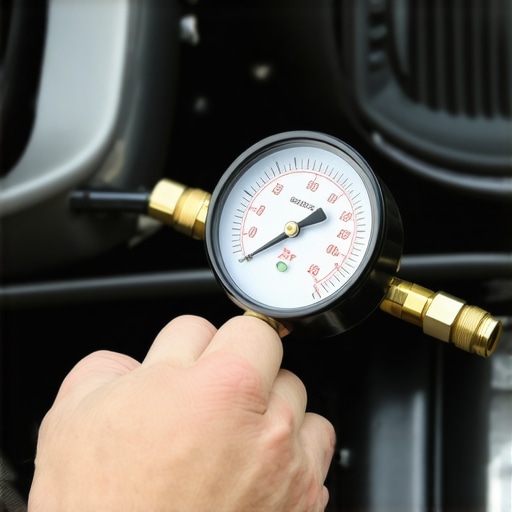
Why You Should Hunt for the White Crusty Trail
Coolant isn’t just water; it’s a chemical cocktail that leaves a calling card. Look for calcification—it looks like white or green dried toothpaste. This residue builds up around those microscopic fractures over time. If you see it, that’s your smoking gun. Using auto repair hacks to save money without sacrificing quality often starts with just cleaning your engine bay. I once spent three hours chasing a leak that was just old residue from a spill. Wipe it all down, run the pressure test again, and watch for fresh moisture. If you still can’t find it, consider adding a UV dye to the reservoir. It glows like a neon sign under a blacklight, revealing exactly where the fluid is escaping. It’s the same logic used when decoding vehicle diagnostics: don’t just look at the symptoms, find the source of the data. Even a radiator hose failure you cannot see from the top will eventually show up under pressure as the fluid finds the path of least resistance.
Don’t Fall for the Thick Oil Myth in High Mileage Engines
One of the most persistent legends in the garage is that you should switch to a much heavier oil weight as your engine gets older to ‘fill the gaps’ in worn bearings. In my early days, I swapped 5W-20 for 20W-50 in an old truck, thinking I was doing it a favor. Instead, I starved the top end of the engine during a cold start because the oil couldn’t flow through the tight tolerances of the overhead cams. Modern oil change innovations and technologies that save your engine focus on flow, not just thickness. The truth is, the truth about synthetic oil vs conventional in older high-mileage cars is that synthetics maintain their viscosity better across temperature swings without needing to be ‘thick as molasses.’ If you see why your oil light flickers only when you are stopped, it’s usually a sign of a failing pump or an internal clearance issue, not a reason to dump in gear oil. I’ve even seen the oil filter brand that causes low oil pressure lights by restricting flow entirely. According to a report by the Society of Automotive Engineers (SAE), using the wrong viscosity in modern engines with variable valve timing can actually trigger a Check Engine Light and decrease fuel economy by as much as 2%.
The Squeak That Doesn’t Always Mean New Pads
Most drivers hear a high-pitched chirp and immediately head to the parts store for a new set of pads. This is a classic ‘oops’ factor. In reality, why your brand new brake pads are already squealing often has nothing to do with the friction material itself. It’s usually about the vibration between the pad and the caliper. If you skip the specialized brake grease on the contact points, you’re essentially creating a giant violin. I’ve seen people spend hundreds on the ultimate guide to brake service for safety and performance only to ignore the hardware. If why your brakes squeak even though the pads are new is driving you crazy, check the anti-rattle clips first. I once spent a whole afternoon chasing a ‘bad rotor’ sound that was actually just a bent dust shield. 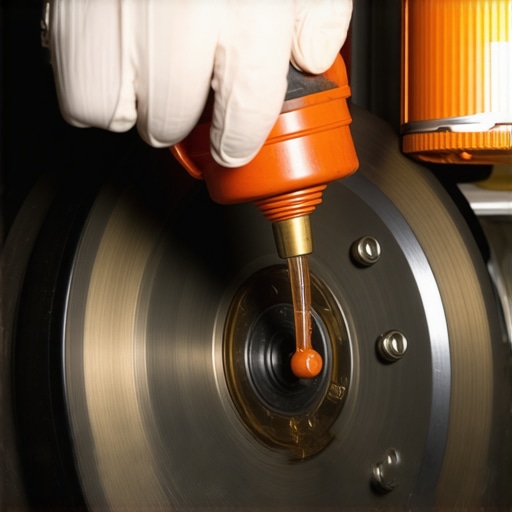
Does Your Diagnostic Scanner Actually Tell You What to Replace?
The biggest trap for the modern DIYer is the ‘Parts Cannon.’ This is when you scan your car, see a code for an O2 sensor, and immediately replace the sensor—only for the light to return. When you are decoding vehicle diagnostics, you have to remember that a code only tells you that a reading is out of range, not why. For example, a ‘lean’ code could be a bad sensor, or it could be how to find a vacuum leak with a cigar and a piece of hose. Using how advanced vehicle diagnostics prevent costly breakdowns requires looking at ‘Live Data’ to see how the engine reacts in real-time. I’ve seen people replace catalytic converters when the real culprit was the $20 part that usually fixes an evap system leak detected warning. It takes patience to learn essential auto repair strategies for frequent drivers, but it saves you thousands. Have you ever fallen into the ‘Parts Cannon’ trap and replaced something that didn’t fix the problem? Let me know in the comments.
The One Tool That Stopped Me From Wasting Money
If you want to move beyond just guessing what is wrong, you need to invest in a bidirectional scan tool. Most cheap readers just tell you the code, but a bidirectional tool allows you to actually talk back to the car. I remember trying to figure out why a fuel pump wasn’t priming. Instead of crawling under the car to check voltages, I used my tablet to command the pump on. When it stayed silent, I knew exactly where the failure was without getting a drop of gas on my shirt. This level of decoding vehicle diagnostics is what separates a frustrated hobbyist from a confident owner. When you can see the fuel trim levels and oxygen sensor data in real-time, you understand how advanced vehicle diagnostics prevent costly breakdowns by catching a lean condition before it melts a piston. I’ve found that even basic auto repair hacks to save money without sacrificing quality often rely on having just a little bit of digital insight before you reach for the wrench.
Stop Tightening Bolts by Feel if You Want Your Gaskets to Last
I used to think my ‘calibrated elbow’ was good enough for tightening bolts. Then I snapped a valve cover stud on a Sunday evening when every parts store was closed. Now, I don’t touch anything internal without a high-quality torque wrench. This isn’t just about preventing broken bolts; it’s about even clamping pressure. Modern engines use multi-layer steel gaskets that are incredibly unforgiving. If one bolt is tighter than the rest, the gasket won’t seal properly, and you’ll be right back where you started with a fresh leak. This applies to your wheels and brakes too. When you are following the ultimate guide to brake service for safety and performance, remember that uneven lug nut torque is the leading cause of rotor warping. It’s a small step that ensures top auto repair tips to extend your vehicle’s lifespan actually work in the long run. 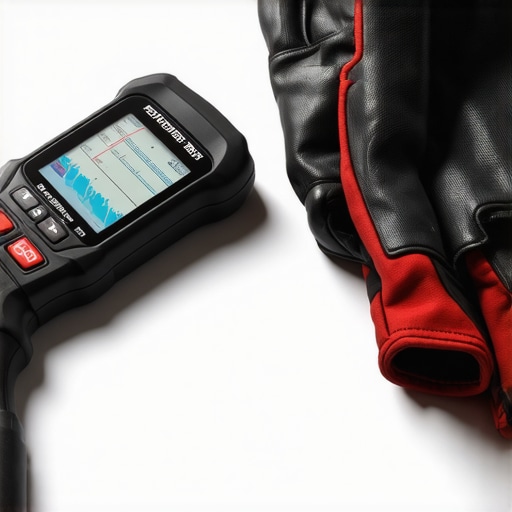
How do I keep my high-mileage engine running like new for another decade?
The secret isn’t a miracle additive in a gold bottle; it is consistency and data. I’ve started sending my used oil to labs for analysis. For about thirty dollars, they tell you exactly how much wear metal is in your oil, which can warn you about a failing bearing months before it starts knocking. Combining this with oil change innovations and technologies that save your engine ensures you aren’t just changing oil for the sake of it, but because you know the health of your internal components. We are also seeing a shift toward predictive maintenance software in the next few years, where your car will likely alert your phone about a failing sensor before the dashboard light even flickers. According to the official Bosch Mobility technical documentation on ESP and braking systems, maintaining the correct fluid pH is just as vital as the mechanical components themselves to prevent internal solenoid corrosion. If you want a pro-level result, try the trick for a perfect brake bleed every single time by using a pressure bleeder instead of pumping the pedal. It prevents air from getting trapped in the ABS module, which is a headache you definitely want to avoid. I challenge you to pick one ‘hidden’ maintenance item this weekend—like a brake fluid flush or a differential oil check—and see how much of a difference it makes in how the car feels. It’s these essential auto repair strategies for frequent drivers that turn a 200,000-mile car into a 300,000-mile car.
Why I Stopped Guessing and Started Testing
After years of turning wrenches, I realized that the biggest difference between a repair that lasts and one that fails is often just a few minutes of extra testing. I spent way too much time in my early twenties being a ‘parts swapper’ instead of a technician. One of the most important top auto repair tips to extend your vehicle’s lifespan is learning to trust the pressure gauge more than your own eyes. I also learned the hard way that brake service myths busted: what really matters for safety isn’t about buying the most expensive rotors, but about ensuring the caliper slides are clean and lubricated. If you see why your check engine light turns off on its own, don’t assume the problem is gone; it’s usually just a sign that the fault is intermittent and waiting to strike at the worst possible moment. My ‘lightbulb moment’ was realizing that every weird sound or smell is the car trying to communicate—you just have to learn its language.
Tools That Actually Save You Thousands
If you’re serious about this, don’t just buy a basic socket set. I swear by my cooling system pressure tester; it’s the only way to find those ghost leaks we talked about earlier. For diagnostics, a mid-range bidirectional scan tool is worth every penny because it lets you test components without taking them apart. I also suggest reading up on the tire pressure trick for better fuel economy on long trips to keep your rolling costs down. Finally, keep a bottle of penetrating oil and learn the secret to removing a rusted bolt without snapping the head—it will save you more frustration than any other skill in the garage. #IMAGE_PLACEHOLDER_E#
The Future of Your High Mileage Engine
The world of modern auto repair can feel intimidating with all its sensors and plastic components, but remember that the fundamentals of physics haven’t changed. Whether you are performing a simple oil change or diving into complex electronics, the key is to stay curious and patient. Your car is an investment, and taking the time to master these skills pays dividends in both reliability and peace of mind. Have you ever struggled with a mystery leak that drove you crazy? Let me know below.