
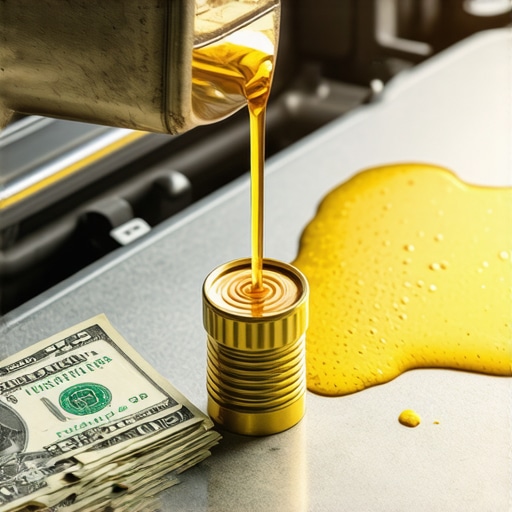
I remember sitting in that plastic chair at the local lube shop, watching the clock and clutching a lukewarm coffee. The service advisor walked over, looking solemn, and told me that because my car had over 75,000 miles, I had to switch to full synthetic or risk a catastrophic engine failure. I paid the extra fifty bucks without a second thought. I felt like I was being a “good” car owner, but in reality, I was just a victim of a very profitable myth.
The Day I Realized My Owner’s Manual Was My Best Friend
It wasn’t until months later, while digging through my glovebox for a stray napkin, that I actually opened my vehicle’s manual. There it was in plain black and white: my engine was designed for conventional oil. All those “upgrades” I’d been buying were essentially flushing money down the drain. This realization hit me hard. I’d been following essential auto repair strategies based on marketing brochures rather than engineering. Today, I’m going to show you exactly how to spot when a shop is upselling you on something you don’t need and how to tell if your oil filter is actually doing its job without the expensive fluff. We are going to cut through the jargon and get back to what actually keeps your car running.
Is Synthetic Oil Really Necessary for Every Modern Car?
You might be thinking, “But wait, isn’t synthetic technically better?” While it’s true that synthetic oils offer superior stability in extreme temperatures, many engines are perfectly happy with a blend or even high-quality conventional oil. In fact, according to a study by AAA, while synthetic oil performed 47% better than conventional oil in their tests, the benefit is only “necessary” if your manufacturer specifically requires it or if you drive in extreme conditions. I once made the mistake of thinking the wrong oil viscosity or grade would somehow make up for an old engine, but it didn’t change the performance—it only changed my bank balance. If you aren’t seeing engine oil disappearing without a leak or dealing with sub-zero winters, you might be overpaying. Have you ever felt pressured into an “upgrade” at the shop just because you were afraid of hurting your car? I’d love to know if you’ve been told the same “high-mileage” story I was. Knowing about oil change innovations is great, but knowing your own car’s needs is better. Let’s look at why this myth persists and what your engine actually craves. [image_placeholder]
Stop Paying for Features Your Engine Can’t Use
The very first thing you need to do is pull that dusty manual out and look for the specific API (American Petroleum Institute) service symbol. This isn’t just bureaucratic fluff; it’s the recipe for your engine’s survival. Think of your engine oil like the blood in your body. You wouldn’t want a transfusion of the wrong type just because it was ‘premium’ or on sale. If your car calls for 5W-20 and you’re putting in 10W-30 because a tech said it ‘coats better,’ you’re actually making the oil pump work harder and potentially starving the upper valvetrain of lubrication. This is one of those auto repair hacks save money without sacrificing quality that actually works: follow the engineering, not the marketing.
Check the API Label Every Single Time
When you’re standing in the aisle at the auto parts store, ignore the flashy labels about ‘extra protection’ and look for the ‘Starburst’ or ‘Shield’ symbols. These certify that the oil meets the current engine protection standards. I once spent twenty minutes arguing with a parts clerk who insisted I needed a specific ‘European blend’ for my old hatchback. I pulled out the manual, showed him the spec, and saved twenty-five dollars on the spot. Using the right grade is one of the most top auto repair tips to extend your vehicles lifespan because it ensures the oil flows exactly as intended during those critical seconds after a cold start. 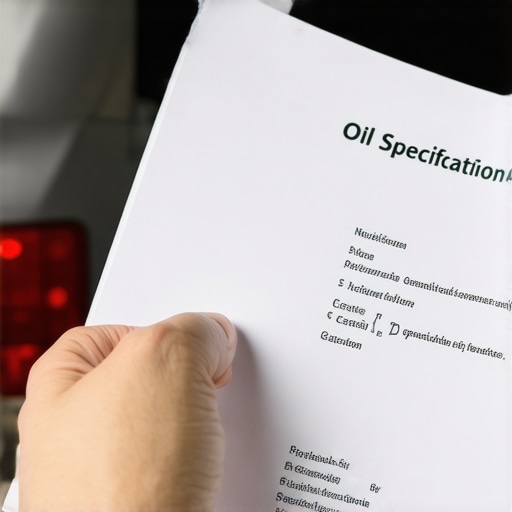
The Tiny Washer That Prevents Big Puddles
One of the most common mistakes I see DIYers and even ‘pro’ shops make is reusing the drain plug crush washer. This is a fifty-cent part that is designed to deform once and create a perfect seal. I learned this the hard way after my first solo oil change. I thought the old washer looked ‘fine.’ Two days later, I had a dinner-plate-sized oil spot on my pristine driveway and had to drain the brand-new oil just to replace a part that costs less than a gumball. This is exactly why you should never skip the crush washer on your drain plug. It’s a tiny detail that separates a successful job from a messy failure.
Run Your Own Diagnostics Before You Book an Appointment
Before you ever hand your keys to a service advisor, perform your own walk-around. Shops rely on your lack of knowledge to sell you ‘preventative’ services you might not need. Use a simple OBD-II scanner—you can get a decent one for the price of a tank of gas—to see what the car’s computer is actually thinking. Getting vehicle diagnostics explained easy checks before your road trip can save you from a ‘check engine light’ panic that results in a thousand-dollar unnecessary repair.
Listen to the Rhythm of Your Engine
While you’re under the hood, don’t just look at the oil dipstick. Look at the condition of the rubber. Learn how to tell if your serpentine belt is about to fail by looking for cracks or ‘glazing’—a shiny, smooth surface that suggests the belt is slipping and getting too hot. If you notice the mistake of using the wrong oil viscosity in cold weather, you’ll hear a distinct ‘clatter’ or ‘tapping’ during start-up. That sound is your engine crying for the right fluid. Taking five minutes to listen to your car when it’s running well makes it much easier to spot the ‘meat’ of a problem when things go south.But don’t stop at the engine bay. Most people assume that if their brakes aren’t screaming, they’re perfectly fine. This is a dangerous gamble. I used to think a ‘brake service’ meant just slapping on the priciest ceramic pads I could find, but I was wrong. The industry loves to push ceramic as the ultimate upgrade, but if you’re a heavy hauler or live in a hilly area, semi-metallic pads often provide better heat dissipation. It’s one of the biggest brake service myths busted by actual performance data. Pushing for the most expensive option without knowing your driving style is a classic rookie mistake.
Why does my brake pedal feel different after a long drive?
It’s likely not the pads at all, but the fluid. Brake fluid is hygroscopic, meaning it acts like a sponge for moisture. According to studies by the Society of Automotive Engineers (SAE), even a 3% water content can lower your fluid’s boiling point by over 100 degrees Fahrenheit. When that water turns to steam, your pedal goes soft. This is why your brake pedal feels spongy after a long drive, and yet, most shops won’t even test your fluid during a standard pad swap. You need the ultimate guide to brake service for safety and performance to know when to demand a flush. 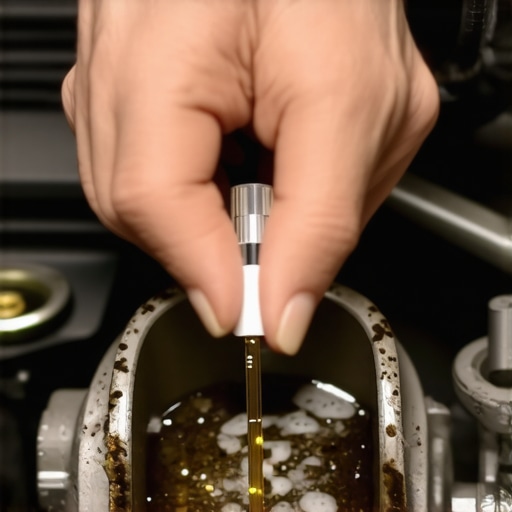
The P0420 Trap That Costs Drivers Thousands
Let’s talk about that dreaded check engine light. If your scanner pulls a P0420 code, the shop will almost always tell you that you need a new catalytic converter. Stop right there. Before you drop $1,500, check for exhaust leaks or a faulty oxygen sensor. I’ve seen people replace perfectly good converters when the real issue was a $50 sensor or a tiny crack in a manifold. Understanding why your scanner says p0420 but the converter is actually fine is the difference between an informed owner and a walking ATM. This is where how advanced vehicle diagnostics prevent costly breakdowns by finding the root cause rather than just treating the symptom.
Stop Ignoring the Brake Fluid Color
If you open your reservoir and the fluid looks like maple syrup instead of white wine, you’re already in trouble. Dark fluid is contaminated fluid. Check the brake fluid color that means you need a flush immediately before the moisture starts corroding your expensive ABS pump from the inside out. Don’t let a mechanic tell you ‘it’s fine’ without a test strip or a refractometer reading. Real decoding vehicle diagnostics involves looking at the physical evidence as much as the digital codes. Have you ever fallen into this trap where a ‘simple’ fix turned into a massive bill? Let me know in the comments.I spent years buying those cheap $5 tool sets from the bargain bin, thinking I was outsmarting the system. I wasn’t. The first time a cheap socket rounded off a rusted bolt head, I spent six hours drilling it out while questioning my life choices. Now, I swear by a mid-range digital multimeter. Knowing how to find a parasitic battery drain with a basic multimeter isn’t just a techy party trick; it is the difference between a car that starts on a freezing Monday morning and a $200 tow bill. When you can verify the ground strap integrity yourself, you stop being at the mercy of a service advisor’s ‘best guess.’ When it comes to the heavy lifting, I never trust the flimsy scissor jack that came with the spare tire. That is a roadside emergency tool, not a maintenance tool. Learning how to spot a bad ball joint using a floor jack changed the game for me. You can feel the physical play in the suspension that you would never see just by looking through the wheel well. It is about having the right leverage to see the truth of your vehicle’s condition. 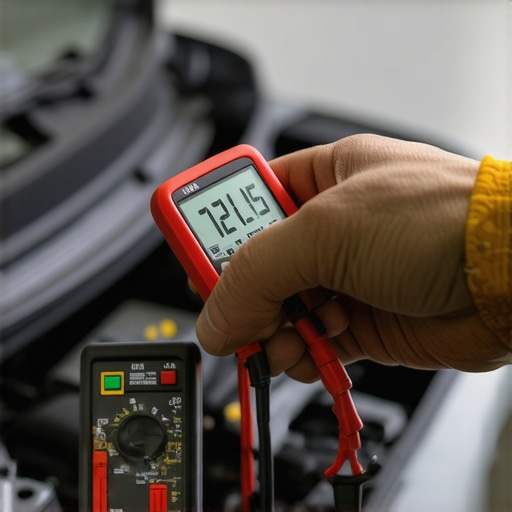
How can I maintain my vehicle’s performance over the long haul?
The secret isn’t just doing the work; it is the quality of the parts you choose to install. I have seen way too many DIYers fall for the truth about using cheap aftermarket sensors in your engine. These budget components often have wider electrical tolerances than Original Equipment Manufacturer (OEM) parts, leading to ‘ghost’ codes that drive you insane. To stay on the road for another 100,000 miles, you must combine essential auto repair strategies with a strict policy against ‘white-box’ mystery parts.
Don’t Guess When You Can Measure the Truth
Professional diagnostics rely on more than just reading a fault code. According to technical documentation from SAE International regarding the J1979 protocol, the ‘Freeze Frame’ data is where the real story lives. It tells you exactly what the engine was doing the moment the error occurred—the RPM, engine temperature, and calculated load. If you aren’t looking at that data, you are just throwing parts at a problem and hoping for a miracle. This data-driven approach is how you properly how to identify which wheel bearing is actually failing before the humming becomes a dangerous vibration. It is also the only way to confirm if the tire wear pattern that reveals a bent control arm is a structural issue or just a bad alignment. I predict that in the next few years, we won’t even need to plug in a scanner manually. Your car’s telematics will likely send a notification to your phone saying, ‘Your fuel trim is 15% lean, check the intake boot for cracks.’ We are moving rapidly from reactive repair to predictive maintenance powered by AI. Before you book your next appointment, I want you to try one specific thing: grab a multimeter this weekend and test your battery’s resting voltage. If it is below 12.4V after sitting overnight, your alternator might be working overtime. Catch it now before it kills your starter and your budget.
Real Lessons from My Most Expensive Mistakes
Looking back, most of my car troubles didn’t come from bad luck; they came from a lack of confidence. I used to think that because I didn’t have a degree in mechanical engineering, I had to take every word a service advisor said as gospel. The first big lesson I learned was that silence is expensive. If you don’t ask for the old parts back or ask to see the diagnostic data, you’re essentially handing over a blank check. I also realized that while I was looking for complex problems, the solution was often simple. Sometimes, learning why your car wanders across the lane on the highway is as easy as checking tire pressure rather than assuming your suspension is shot. Finally, I learned that patience is a tool just as important as a wrench. Rushing a job leads to stripped threads and broken plastic clips. Taking an extra ten minutes to research the simple test for a failing fuel pump can save you from replacing a perfectly good part. [image_placeholder]
The Essential Gear for Every Driveway Mechanic
You don’t need a professional-grade lift to start taking control of your vehicle’s health. I recommend every driver starts with a reliable OBD-II scanner that provides live data, not just code reading. This allows you to perform how advanced vehicle diagnostics prevent costly breakdowns right in your driveway. Next, a high-quality digital multimeter is non-negotiable for chasing electrical ghosts. I personally trust brands that have been in the game for decades because when it comes to electricity, precision matters. Lastly, find a model-specific enthusiast forum. These communities are gold mines for discovering auto repair hacks save money without sacrificing quality that are unique to your specific year and model.
Take the Keys Back into Your Own Hands
The journey from being a passive passenger to an informed owner is one of the most empowering things you can do for your wallet and your safety. Modern cars are complex, but they aren’t magic. By following essential auto repair strategies and trusting your own ability to observe and learn, you stop being a victim of the ‘repair shop panic.’ You have the tools, the data, and the manual to ensure your vehicle lasts for years to come. Don’t be afraid to get your hands a little dirty; the satisfaction of fixing a problem yourself is worth every bit of effort. Have you ever felt like a mechanic was speaking a different language just to justify a massive bill? Let me know your story in the comments below!