
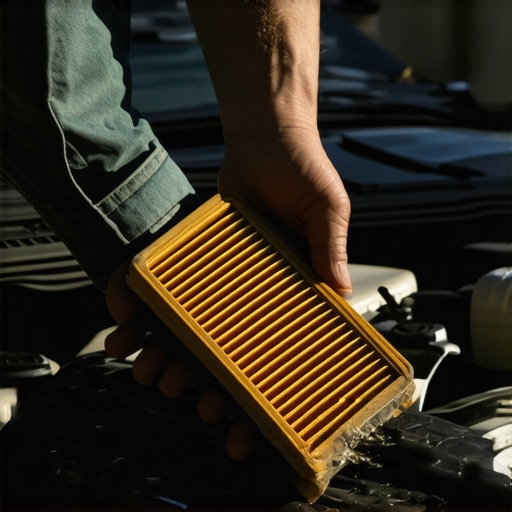
I stood there at the pump last Tuesday, watching the digits fly by like a frantic heartbeat, and realized I’d just visited this exact station four days ago. My wallet felt lighter, and not in a good, minimalist-lifestyle kind of way. My trusty sedan, which usually sips fuel, had started chugging it like a marathon runner at a water station. I’d checked the tires, and I wasn’t carrying a trunk full of lead bricks. Something was wrong under the hood, and it wasn’t just the price of gas these days. It felt personal. I even caught myself apologizing to my bank account as I swiped the card for the second time that week. [IMAGE_PLACEHOLDER]
Stop Throwing Money Down the Tailpipe
It’s incredibly frustrating when your car starts costing you more just to exist. You start wondering if you need a whole new vehicle or if you’re just imagining the needle moving faster. Believe me, I’ve been there. In fact, early on, I made the classic mistake of dumping three different bottles of expensive miracle fuel injector cleaner into the tank, hoping for a quick fix. Spoiler alert: it did absolutely nothing because I wasn’t looking at the real culprits. I was treating a broken leg with a band-aid. Today, I’m going to show you exactly how to find that phantom fuel thief so you can get back to those glorious 30+ MPG days without spending a fortune on parts you don’t need. I remember my neighbor, Joe, telling me his truck was just ‘getting tired’ because it was 10 years old. He was ready to trade it in and take on a massive monthly payment just to save $20 at the pump. I told him to hold his horses. We spent a Saturday afternoon poking around, and it turned out his mass airflow sensor was just caked in dust. A ten-minute cleaning job saved him from a five-year car loan. That is exactly why I want to help you spot these issues early.
Is your car really just getting old?
Many folks assume that as a car hits 100,000 miles, it just naturally becomes a gas-guzzler. That’s a myth I used to believe too, but it’s mostly an excuse we use to avoid opening the hood. While basic wear and tear happen, a sudden drop is usually a cry for help from a specific component. For instance, I once ignored a slight hesitation while merging onto the highway, only to realize later that the spark plug gap error that is killing your gas mileage was the actual villain hiding in plain sight. If you’ve noticed your car acting sluggish or just not feeling ‘peppy,’ it might be time for some vehicle diagnostics to see what the onboard computer is actually struggling with. The hidden reasons are often the ones we overlook because they seem too simple to be the cause of such a big problem. We expect a massive engine failure or a giant leak, but often it’s just that a dirty engine air filter ruins your fuel economy by literally suffocating the combustion process. It’s like trying to run a 5K while breathing through a straw. Or perhaps you’ve noticed why your gas mileage tanks every time the temperature drops; while winter blend fuel is part of it, your car’s efficiency depends heavily on how quickly it can reach operating temperature. One of the most shocking facts I learned from the U.S. Department of Energy is that a faulty oxygen sensor can disrupt your air-fuel ratio so badly that your fuel economy drops by up to 40% (FuelEconomy.gov). That’s like losing nearly half a tank of gas just because a small sensor is grumpy. Often, the 10 sensor that causes your car to stumble during acceleration is the very same one responsible for that painful nosedive in efficiency. Have you noticed your fuel gauge dropping faster than usual lately, even though you haven’t changed your driving habits? I’d love to hear if you’ve tried any ‘quick fixes’ that ended up being a waste of time—drop a comment or reach out! We’re going to dig into the mechanical Gremlins that are actually responsible for this, starting with the sensors that lie to your engine.
Clean the Sensors That Control the Mix
The Mass Airflow (MAF) sensor is like the nose of your car. If it’s stuffed up with grime, the engine can’t ‘smell’ how much air is coming in. When Joe and I cleaned his sensor, we used a specific MAF cleaner spray—never use WD-40 or carb cleaner, as those leave a residue that ruins the delicate wires. A few quick sprays and his idle smoothed out instantly. If your car is acting up at stoplights, the 20 sensor that usually fixes a rough idle is often the IAC valve or a dirty MAF. It’s a 15-minute job that keeps the computer from over-injecting fuel to compensate for bad data. 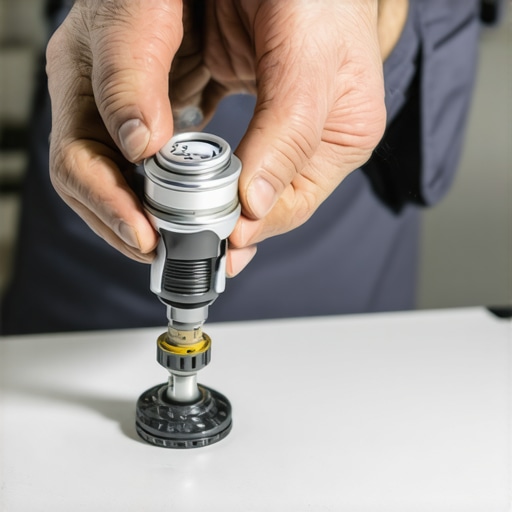
Check for Brakes That Won’t Let Go
I once spent three weeks wondering why my fuel economy dropped by 5 MPG after a simple pad swap. It turns out one of my caliper pins was seized. The brake wasn’t fully locking, but it was creating enough ‘drag’ to act like a constant anchor. You can check this easily after a drive: if one wheel smells like burnt toast or feels significantly hotter than the others, you have a sticking caliper. This is why a proper ultimate guide to brake service emphasizes lubricating those slide pins. If you ignore it, you’re literally burning gas to fight your own wheels. Sometimes, why your car shakes when you apply the brakes at high speeds is a warped rotor caused by that same heat and friction.
Stop Ignoring the Check Engine Light
We’ve all done it—putting a piece of black tape over that glowing amber ‘Check Engine’ light. But that light is the key to decoding vehicle diagnostics. Most auto parts stores will scan your codes for free. If you see a code like P0171 (System Too Lean), your car is gasping for fuel and the computer is dumping extra gas into the cylinders to prevent a stall. I once helped a friend who had this code; we used how to find a vacuum leak with a cigar and a piece of hose to locate a tiny crack in a rubber line. Cost? Fifty cents for the hose and five minutes of time. He got his mileage back overnight.
The Fuel Delivery System Is Not Invincible
If you’ve checked the air and the sensors, look at the delivery. A failing pump can cause low pressure, making the engine work twice as hard. Learning how to identify a bad fuel pump before it leaves you stranded can save you from a massive towing bill and restore your efficiency. It’s also worth considering oil change innovations that reduce internal friction. Thicker, older oil creates more resistance for the pistons, forcing the engine to burn more fuel just to stay in motion. I keep a log of every fill-up and oil change because a sudden dip often correlates exactly with the last time someone touched the car.I see it all the time in enthusiast forums: the ‘snake oil’ debate. Many people believe that dumping a $15 bottle of mystery fluid into their crankcase will magically seal a leak or restore lost compression. But here’s the nuanced truth: if your mechanical tolerances are gone, no chemical is going to rebuild that metal. In fact, the truth about oil additives and if they actually save your engine is that most are just heavy solvents or thickeners that can actually interfere with the carefully balanced chemistry of your motor oil. Modern synthetics already contain everything your engine needs. Speaking of which, the old-school advice to avoid synthetic oil in high-mileage cars is a total myth. I’ve run full synthetic in 200,000-mile engines with zero issues because the truth about synthetic oil vs conventional in older high mileage cars is that synthetic doesn’t ‘create’ leaks; it simply cleans away the sludge that was plugging an existing hole.
Why do your brakes still scream after a full replacement?
It is one of the most common complaints I hear. You spend Saturday afternoon swapping rotors and pads, yet by Tuesday, you’re hearing that high-pitched squeal. Most beginners think they got a ‘bad batch’ of pads. In my experience, it’s almost always a failure to properly lubricate the contact points or a complete skip of the ‘bedding’ procedure. If you don’t transfer a layer of friction material to the rotor, you get vibration and noise. This is one of those brake service myths busted what really matters for safety that can save your sanity. Even worse, if you ignore the hardware, you’ll find why your brand new brake pads are already squealing is actually the metal shims vibrating against the caliper. 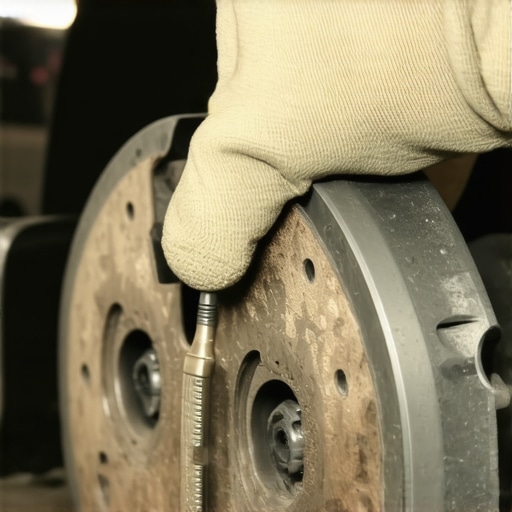
The Precision Trap That Destroys Parts
One ‘oops’ factor I’ve learned the hard way involves the humble oil filter. Not all filters are created equal. Using a cut-rate, no-name filter can lead to a restrictive flow that triggers your dash lights. I once spent three days diagnosing a ghost pressure issue only to find the oil filter brand that causes low oil pressure lights was the sole culprit. The internal bypass valve was so poorly made it stayed open. According to data from the Car Care Council, nearly 80% of vehicles on the road need at least one service or repair, and many of these are botched by DIYers trying to use auto repair hacks save money without sacrificing quality that ignore factory torque specs. Over-tightening a spark plug or an oil drain plug can stretch threads and lead to catastrophic failures later. Have you ever fallen into this trap of over-repairing or using a ‘quick fix’ that backfired? Let me know in the comments. We have to be smarter than the marketing on the bottle if we want our cars to last another decade.
Stop Guessing and Start Scanning
I’ve spent years trying to ‘feel’ what a car is doing, but my gut isn’t as fast as a modern processor. To really master decoding vehicle diagnostics, you need a decent OBD-II scanner. I’m not talking about the $2,000 tablets professional shops use, but a solid $100 Bluetooth dongle that changed my life. It lets me see ‘Live Data’ like fuel trims and coolant temperature in real-time. This is exactly how I caught a thermostat stuck open before it killed my MPG and ruined my catalytic converter. 
The Tools That Pay for Themselves in One Use
If you’re a high-mileage commuter, you need essential auto repair strategies for frequent drivers. One of my favorite ‘pro’ tools that most people ignore is a simple vacuum gauge. It’s old school, but it tells you more about internal engine health than a computer ever could. For example, knowing how to tell if your catalytic converter is clogged using a vacuum gauge is a game-changer; you just watch the needle drop while holding the RPMs steady. It’s pure physics, and physics doesn’t lie when it comes to exhaust backpressure. According to technical documentation from Delphi Technologies, even a 5% deviation in fuel pressure can lead to significant catalytic converter overheating and failure over time. By checking these stats yourself, you bypass the ‘parts cannon’ approach often seen in auto repair hacks save money without sacrificing quality.
How do I keep my car running like new as the miles climb?
The secret isn’t a secret at all: it’s the fluids, consistently managed. I follow top auto repair tips to extend your vehicles lifespan by never letting my oil go past 5,000 miles, regardless of what the dealership’s marketing says. I also invested in a Motive Power Bleeder. If you want the trick for a perfect brake bleed every single time, this is it. It uses constant pressure to push fresh fluid through the lines, ensuring you never have a spongy pedal. This is a critical part of the ultimate guide to brake service because air in the lines is the primary cause of modern ABS module failure. I suspect we’re moving toward a world where your car won’t just tell you something is broken; it will use AI to predict a failure 500 miles before it happens. Until then, we have to stay diligent. Pick up a basic Bluetooth scan tool this week and check your long-term fuel trims; if they are over 10%, you’ve likely got a ‘ghost’ vacuum leak that is currently robbing you of your hard-earned money.
The Hardest Lessons I Learned While Chasing Lost MPG
Over the years, I’ve realized that the biggest enemy of a fuel-efficient engine isn’t the mileage—it’s the silence. We often ignore the subtle hums and slight hesitations until they become $500 repairs. One of the most vital things I’ve learned is that the truth about synthetic oil vs conventional in older high mileage cars is often the difference between a clean engine and one choked by sludge. Also, don’t let a mechanic convince you that a ‘parts cannon’ approach is the only way; always start with the simplest air and fuel delivery checks before replacing expensive modules. I once spent hundreds on a new catalytic converter only to find a $5 vacuum leak was the real culprit.
Gear That Actually Saves You Money at the Pump
I don’t keep a massive shop, but I do keep the right tools to stay ahead of the curve. If you want to stop the guesswork, grab a Bluetooth OBD-II scanner—it is the single best investment for decoding vehicle diagnostics without the dealership markup. [IMAGE_PLACEHOLDER] For those of you doing your own stopping-power maintenance, I swear by the Motive Power Bleeder. It’s the trick for a perfect brake bleed every single time, ensuring your calipers aren’t dragging and stealing your momentum. Finally, keep a simple vacuum gauge in your drawer; it’s the fastest way to see if your engine is breathing properly or if an exhaust restriction is killing your power.
Take Control of Your Car’s Destiny Today
Your high-mileage car isn’t a lost cause; it’s a precision machine that just needs a little mechanical empathy. By following top auto repair tips to extend your vehicles lifespan, you can easily see another 100,000 miles of reliable, efficient driving. Don’t be afraid to get your hands dirty—most of these fixes cost less than a single tank of premium gas but pay dividends every time you pass a station. Mastering your car’s health is the ultimate way to fight back against rising costs. Have you ever discovered a tiny, cheap part that was causing a massive drop in your fuel economy? I’d love to hear your success stories in the comments below!