
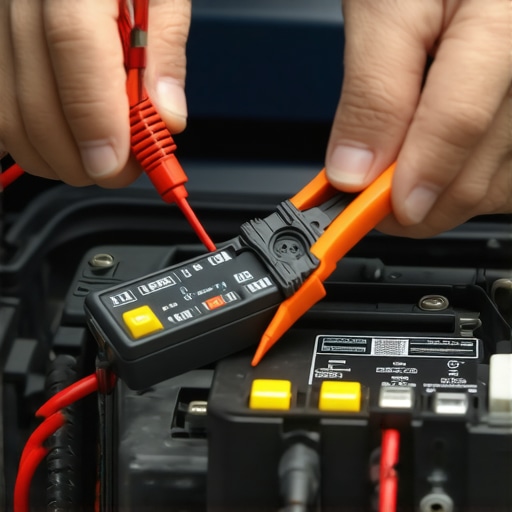
It was a Tuesday morning, exactly three degrees outside, and my truck was as dead as a doornail. I had just bought a brand new battery two weeks prior, so I knew the cells weren’t the problem. I felt that specific, sinking frustration of knowing my vehicle was basically “bleeding” electricity while I slept. I spent three hours jumping it, only for the same thing to happen the next day. I felt defeated. I almost called a tow truck, but then I remembered my trusty, dusty multimeter sitting on the workbench. That morning, I stopped guessing and started measuring.
Your Battery Isn’t the Problem and Neither is the Alternator
Most people assume that when a car won’t start, they need a new battery or a trip to the shop for complex vehicle diagnostics. But often, the culprit is a “parasitic drain”—a sneaky component like a glovebox light or a faulty computer module that stays awake when it should be napping. I learned this the hard way years ago when I wasted $200 on a high-output alternator I didn’t need. Talk about a blow to the ego! Today, I’m going to show you exactly how to pin down that thief without spending a dime at a shop. We are going to use a basic multimeter to see exactly where those electrons are escaping. [IMAGE_PLACEHOLDER]
Can a beginner really handle electrical troubleshooting?
I get it. Electricity feels like black magic. You’re afraid of blowing a fuse or, worse, frying your car’s expensive “brain.” But here is the truth: if you can change a lightbulb, you can do this. You don’t need a $500 scan tool. You just need to know how to test if your battery is actually dead versus just being drained. According to the experts at the Battery Council International, a healthy modern vehicle should typically pull no more than 50 to 85 milliamps when everything is shut off. Anything more, and you’ve got a leak. Have you ever walked out to a dead car and felt like your vehicle was personally gaslighting you?
Stop Chasing Shadows and Start Pulling Fuses
The secret isn’t in some high-tech sensor; it’s in the fuse box. By hooking your multimeter in series with the battery, you create a window into the car’s soul. You’ll see the exact amount of current being pulled in real-time. From there, it’s a simple game of elimination. You pull a fuse, check the meter, and repeat until the numbers drop. It’s strangely satisfying, like finding a needle in a haystack with a giant magnet. This is one of those auto repair hacks that makes you feel like a genius once you see the meter hit zero. Before you run out and pay for advanced diagnostics, let’s walk through the setup that will save your sanity and your wallet.
Hooking Up the Meter Without Blowing a Fuse
To catch the thief, you have to turn your multimeter into a gatekeeper. Unlike checking voltage where you just touch the probes to the battery terminals, measuring a drain requires the electricity to flow through the meter. This is called a series connection. Think of it like a water meter on your house; you can’t measure flow if the meter is just sitting next to the pipe. You have to break the pipe and put the meter in the middle. Before you start, ensure your multimeter is set to the highest DC Amps setting—usually 10A. If you set it to milliamps and the car’s computer wakes up, you’ll pop the internal fuse of your meter instantly. Disconnect the negative battery cable and touch one probe to the battery post and the other to the disconnected cable terminal. [IMAGE_PLACEHOLDER_B#]
Wait for the Computers to Go to Sleep
Modern cars are basically laptops on wheels. When you turn the key off, the computers don’t just shut down; they ‘go to sleep’ over about 20 to 45 minutes. I once spent an hour chasing a ‘leak’ on a neighbor’s sedan, only to realize the car was just busy running its own self-diagnostics. If you start pulling fuses the second you hook up the meter, you’ll get false readings. Pro tip: use a screwdriver to click the door latch shut while the door is open. This tricks the car into thinking it’s locked up tight while still giving you access to the interior fuse box. If you aren’t sure if the battery itself is the issue, you should check the simple test to see if your battery is actually dead before assuming there is a drain.
The Systematic Way to Catch the Thief
Once the meter settles (ideally below 50mA), it’s time for the ‘Pull and Peek.’ Open your fuse box and start pulling fuses one by one. After each pull, look at the meter. If the reading doesn’t change, plug it back in and move to the next one. This is one of the most effective auto repair hacks because it narrows down the massive electrical system to a single circuit. I remember a specific project on an old SUV where we did the simple test to see if your alternator is killing your battery and found nothing. We started the fuse-pulling dance, and when I hit the ‘Interior Lighting’ fuse, the meter dropped from 400mA to 15mA. The culprit? A stuck vanity mirror light that was staying on behind the visor.
What to Do When the Numbers Drop
When you find the fuse that makes the numbers tank, you’ve found your circuit. Now, you don’t need advanced diagnostics to finish the job. Look at your owner’s manual to see what that fuse covers. If it’s the radio circuit, unplug the radio. If the drain goes away, you’ve found the broken component. Sometimes it’s as simple as a $5 relay that has ‘stuck’ in the ON position. Knowing how to tell if your alternator is dying before the battery dies is helpful, but often, the most persistent issues come from these tiny, hidden components that refuse to turn off.One of the biggest mistakes I see people make is assuming that disconnecting the battery terminal for a ‘hard reset’ will solve a parasitic drain. It’s a classic move: you think you’re clearing the glitches, but in reality, you’re just resetting the clock on the car’s computer modules. Most modern vehicles need to cycle through their shutdown sequence naturally to reveal where the leak is. If you force a reset, you might hide a ‘stuck’ module for a few days, only for it to leave you stranded again next week. This is why the simple test to see if your battery is actually dead is only the first step. You need patience, not just a wrench. The ‘Oops’ factor here is huge. If you have your multimeter hooked up and you accidentally hit the ‘Unlock’ button on your key fob, you’ll likely send a 20-amp surge through a meter set to a 10-amp limit. Boom—you just fried your multimeter’s internal fuse. It’s one of those auto repair hacks that requires a bit of discipline. Always keep your keys on the workbench, not in your pocket, while testing.
Why does the current pulse every few seconds even when the car is off?
If you see your meter jumping from 20mA to 100mA and back again, don’t panic. You’ve stumbled into the world of ‘module heartbeats.’ According to researchers at SAE International, high-tech vehicles often ‘wake up’ briefly to check systems like the security sensors or the remote start receiver. This is the nuance that separates the pros from the amateurs. If you pull a fuse during one of these heartbeats, you’ll misdiagnose a perfectly healthy car as having a fault. You need to watch the meter for at least two minutes to establish a baseline before you start pulling fuses. This level of decoding vehicle diagnostics is what keeps your car out of the scrap yard. 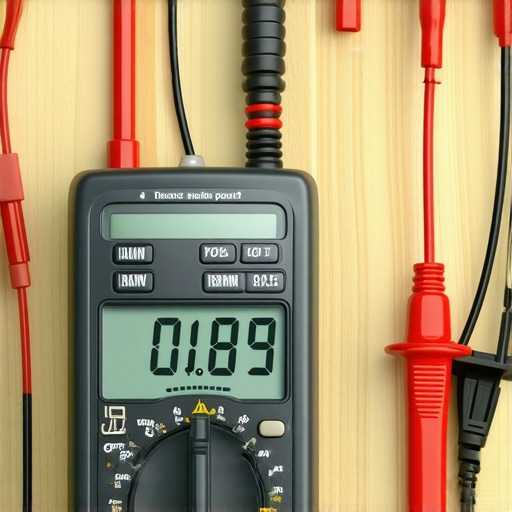 We often think of car maintenance in silos—brakes, oil, or battery. But electrical ‘noise’ can cause bizarre symptoms elsewhere. For instance, a bad ground wire can actually interfere with anti-lock brake sensors. You might think you need brake service because of a dashboard light, when in reality, your computer is just ‘starving’ for clean power. Understanding these connections is one of the top auto repair tips to extend your vehicles lifespan. Have you ever fallen into the trap of replacing a battery only to find it dead two days later? Let me know in the comments.
The Tools You Actually Need to Stop Guessing
I’ve spent years trying every $10 multimeter under the sun, and they usually end up in the trash after six months. If you’re serious about decoding vehicle diagnostics, you need a meter with ‘True RMS’ capability. I personally use a Fluke 87V because it captures spikes that cheaper tools miss, but a mid-range Klein or Extech will also do the job. According to the Fluke Corporation’s technical documentation on electrical troubleshooting, using a meter with low input impedance (LoZ) is vital because it prevents ‘ghost voltages’—static electricity that lingers in a wire—from tricking you into thinking a circuit is live when it’s actually dead. Beyond the meter, keep a set of ‘back-probes’ in your kit. These tiny needles allow you to test a connector while it’s still plugged in, which is one of the best auto repair hacks for finding intermittent shorts without damaging the weather-sealing on your wiring harnesses.
How do I keep these electrical gremlins away for good?
Maintenance isn’t just about the hardware; it’s about the environment. I’ve found that most parasitic drains start with corrosion at the ground points. Once a year, I go through and spray my main ground straps with a dedicated terminal protector. It’s a five-minute job that belongs alongside your brake service routine. If you live in a cold climate, a smart battery maintainer—not a ‘dumb’ trickle charger—is your best friend. A smart charger monitors the internal resistance of the battery and won’t cook it over time. This is especially important if you’ve made the switch and know the truth about synthetic oil vs conventional in older high-mileage cars, as those engines rely on a strong, fast crank to get the thicker oil moving on sub-zero mornings. 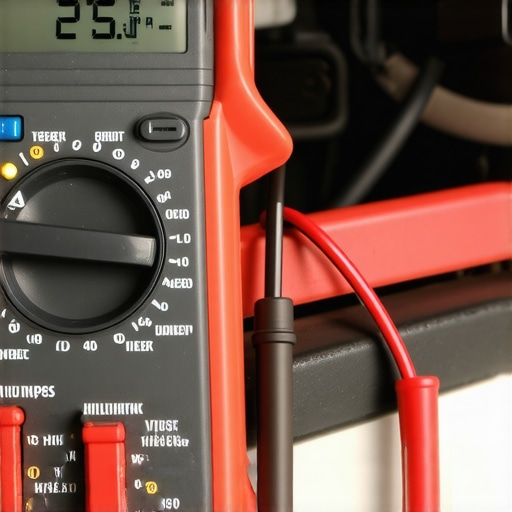
Why Your OBD2 Scanner Needs a Companion
We are moving toward a future where cars are basically mobile servers. I predict that within the next five years, most vehicles will run their own parasitic drain self-tests while you sleep and push a notification to your phone if a module fails to enter sleep mode. But until your car is that smart, you need to pair your multimeter with a basic OBD2 scanner. While the meter finds the physical leak, the scanner tells you which computer module is throwing a ‘U-code’ (communication error). Combining these two tools is the ultimate way to follow top auto repair tips to extend your vehicles lifespan. I’ve seen people spend $500 on a new infotainment head unit when the real issue was a $20 gateway module that refused to shut down. Don’t forget that cleanliness matters here, too. Use the secret to keeping your engine bay clean without damaging electronics to ensure that salt and road grime don’t create a ‘bridge’ for electricity to track across your battery terminals. If you want to feel like a pro, I challenge you to go out tonight, set your meter to the 10A setting, and just establish a baseline reading for your car while it’s healthy. Knowing what ‘normal’ looks like is the only way to spot ‘broken’ before it leaves you stranded.
Hard-Won Truths from My Electrical War Room
One of the biggest lessons I’ve learned is that a multimeter doesn’t just measure voltage; it measures your patience. I once spent four hours chasing a drain only to realize I had left a phone charger plugged into the 12V outlet in the center console. Modern chargers with LED lights are notorious for this. Another “lightbulb moment” was discovering that keeping your engine bay clean without damaging electronics is actually part of electrical maintenance. Dirt and salt can create “tracking” paths that slowly drain energy. Also, remember that you should stop letting shops charge you for a free battery test before you start digging into the wiring; always rule out a bad cell first.
The Toolkit That Actually Stops the Guesswork
If you’re moving beyond basic checks, you need more than just a cheap meter. I always recommend a fused jumper lead. This allows you to bypass the meter while the computers wake up, preventing you from blowing your meter’s internal fuse. I also swear by extra-long probe leads. Being able to set the meter on the windshield while you pull fuses under the dash is a game-changer. These are the kind of auto repair hacks that save your back and your sanity. Lastly, don’t overlook the secret to getting another year out of your car battery by ensuring your terminal connections are physically tight and corrosion-free before you condemn a component.
Own Your Data and Keep the Lights On
Electrical issues are the number one reason people get rid of perfectly good cars. By mastering the parasitic drain test, you aren’t just fixing a car; you’re gaining the confidence to tackle any auto repair challenge that comes your way. You are no longer at the mercy of a flashing dashboard light or a mystery drain. Use these top auto repair tips to extend your vehicles lifespan and keep your daily driver reliable for years to come. Have you ever found a truly bizarre object causing a battery drain in your vehicle? Let me know in the comments below!