

The frost was thick on my windshield that morning, and I was already five minutes late for a meeting I could not afford to miss. I climbed in, turned the key, and instead of that beautiful engine rumble, I heard it. Click. Click. Click. That rapid-fire metallic sound is the universal language of a car that is going absolutely nowhere. My heart sank. I remember thinking I would have to shell out hundreds for a new starter motor, a mistake I actually made back in my twenties when I did not know any better. It turns out, that noise is often just a cry for help from a system that is not quite dead yet. The metallic click you hear every time you turn the key is usually the sound of your car’s electrical system giving you its last bit of effort before giving up the ghost. [IMAGE_PLACEHOLDER]
Stop Cursing Your Starter and Check the Small Stuff First
We have all been there, staring at the dashboard while the lights flicker in sync with that annoying noise. It is easy to assume the worst, but that click is usually just the starter solenoid trying its best with the tiny bit of electricity it can find. Most of the time, we are looking at a battery that has lost its punch or a connection that has corroded to high heaven. Before you call a tow truck, you need to realize that why your car makes a clicking noise when you try to start it often comes down to simple physics, not a mechanical catastrophe. I spent an entire Saturday tearing apart a dashboard once because I thought a relay had fried. I felt like a total amateur when a neighbor pointed out my battery terminals were covered in blue crust. According to the Car Care Council, neglecting simple maintenance like cleaning battery terminals is one of the leading causes of “no-start” scenarios. If I had just performed some basic vehicle diagnostics instead of panicking, I would have saved eight hours of frustration and a lot of pride.
Is a clicking engine always a sign of a massive repair bill?
It is the question that keeps us up at night when the car is sitting dead in the driveway. The short answer is no. While it could be the starter, it might also be a sign that your alternator is killing your battery by undercharging it. Or maybe you just have a car battery that dies every three days because of a tiny parasitic drain you haven’t found yet. Today, we are going to walk through how to tell the difference so you do not get taken for a ride at the shop. Have you ever been stranded by that “machine gun” clicking sound, only to find out it was something silly? I would love to hear your stories in the comments below. We are going to dig into the auto repair tips that actually keep your wallet fat and your engine turning. Knowing the difference between a dead cell and a loose wire is the first step toward being your own best advocate.
Grab Your Wrench and Check the Terminals
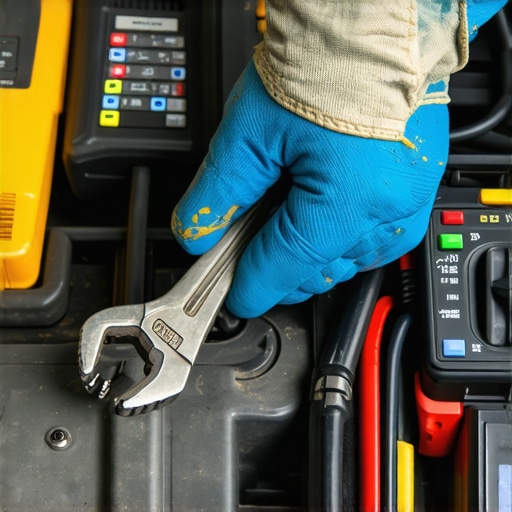
First things first: perform the wiggle test. Think of your battery terminals like the plug on a bedside lamp; if it is loose, the light flickers, and if it is dirty, it might not turn on at all. I once sat in a supermarket parking lot for twenty minutes, sweating through my work shirt, only to realize the negative terminal was so loose I could rotate it with my pinky finger. Use a 10mm wrench—nearly every modern car uses that size—and ensure those metal clamps are snug. If you see that white or blue snow on the posts, you need to scrub it off immediately. That stuff is basically an electrical insulator that blocks the path of the current, making it impossible for the battery to push its power to the starter.
Clean Up Those Connections for Good
If you find corrosion, do not just wipe it away with a rag. Mix a little baking soda and water to neutralize the acid, then scrub the posts with a wire brush until they shine like a new dime. Applying a tiny bit of terminal protector or even a dab of petroleum jelly can be the secret to getting another year out of your car battery. It prevents that crust from returning and ensures that every bit of amperage actually makes it to the starter solenoid when you turn the key.
Stop Guessing and Measure the Voltage
If the connections are tight and clean but the click persists, you need to know if the battery is actually holding a charge. You do not need a degree in electrical engineering; a simple multimeter set to DC voltage is your best friend. A healthy battery should read about 12.6 volts when the engine is off. If it is sitting at 10.5, you likely have a dead cell. However, you should stop letting shops charge you for a free battery test because most auto parts stores have high-end load testers they will use for you at no cost. This is the heart of vehicle diagnostics explained: start with the easiest, cheapest component and work your way up to the expensive stuff.
The Hammer Trick That Might Save Your Morning
Sometimes the battery is perfect, but the starter motor is physically stuck. This usually happens because of a dead spot on the internal armature or a solenoid that has jammed from age. I learned a trick from an old-timer in a breakdown lane years ago: the gentle tap. You take a tire iron or a hammer and give the side of the starter motor a few firm (but not destructive) thumps while a friend turns the key. It sounds barbaric, but it can jar the internal components back into contact just enough to get the engine cranking. If this works, consider it a warning shot. You need to replace the unit soon, but it is one of those auto repair hacks that can save you a tow bill in an emergency.
Watch Out for the Charging System Traps
If you manage to jump-start the car but it dies again the moment you turn on the headlights or the AC, your battery is not the primary villain—your alternator is failing. Think of the alternator as the power plant and the battery as the storage tank. If the power plant is offline, the tank will eventually run dry no matter how new the battery is. You can perform the simple test to see if your alternator is killing your battery by checking the voltage while the engine is running; it should jump up to about 13.5 to 14.5 volts. If it stays at 12 or drops lower, your alternator has retired. This is why essential auto repair strategies for frequent drivers always involve keeping a cheap voltmeter in the glovebox for quick checks.
Avoid the Common Jump Start Blunders
When you finally give in and ask a neighbor for a jump, be careful with those cables. Modern cars are rolling computers, and a massive voltage surge can fry expensive control modules. There is a specific mistake people make when jump starting a modern car, which is connecting the final ground cable directly to the dead battery’s negative terminal. This can cause a spark near flammable battery gases or a voltage spike that the car’s computer hates. Instead, clip that last black cable to a solid, unpainted metal part of the engine block. It creates a cleaner circuit and protects your sensitive electronics from a sudden jolt that could leave you with a much higher repair bill than a simple battery swap.
Most people assume that once they bolt on a new part, the job is done and the mystery is solved. But here is the nuance that separates a driveway tinkerer from a seasoned expert: parts are not always a ‘plug-and-play’ solution. I have seen countless DIYers spend a fortune on an oxygen sensor only for the check engine light to pop back on before they even leave the driveway. They often fall into the trap of the truth about using cheap aftermarket sensors in your engine. These budget components often have different electrical resistance values than the original manufacturer specifications, which causes the car’s computer to stay in a ‘limp’ mode. It is a frustrating cycle where you are essentially replacing a broken part with a subpar one that the car refuses to trust. Have you ever fallen into this trap and blamed the car instead of the part? Let me know in the comments below.
Why a Shiny New Part Might Still Trigger Your Check Engine Light
The mistake isn’t just the quality of the part, but the assumption that the part was the only problem. We often treat the symptom rather than the system. For instance, you might replace a sensor, but if the wiring harness has a microscopic break or a corroded ground, that new sensor is effectively deaf and dumb. This is why how advanced vehicle diagnostics prevent costly breakdowns is about looking at the data stream, not just reading a code. Research from the Society of Automotive Engineers (SAE) indicates that a significant percentage of sensor ‘failures’ are actually caused by external circuit issues rather than the internal component itself. If you aren’t checking for voltage drops, you are just throwing parts at a ghost.
Why do my fresh pads scream like a banshee?
It is one of the most common complaints after a weekend brake job. You’ve got the best ceramic pads and brand-new rotors, yet every stop sounds like a freight train. Most people think they got a bad batch of parts, but why your brand new brake pads are already squealing is usually a failure to perform a proper ‘bedding’ procedure. You need to perform a specific series of controlled stops to transfer a thin, even layer of friction material from the pad to the rotor surface. Without this, the pads vibrate against the metal at a high frequency, creating that ear-piercing squeal. 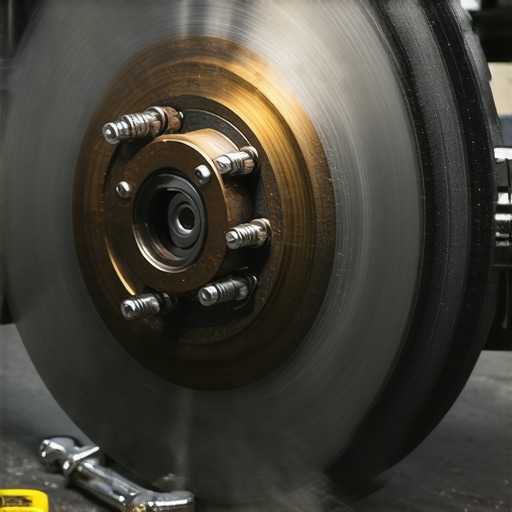
The Invisible Danger Hiding in Your Brake Lines
Another nuance experts watch for is the chemical state of your fluids. We talk a lot about oil, but brake fluid is the unsung hero that most people ignore until the pedal feels like a marshmallow. You need to recognize the brake fluid color that means you need a flush immediately. Because brake fluid is hygroscopic, it absorbs moisture from the air. According to the Car Care Council, moisture-contaminated fluid can lower the boiling point of your brakes by over 100 degrees, which leads to terrifying brake fade during heavy use. It is one of those top auto repair tips to extend your vehicles lifespan that costs twenty dollars in fluid but saves thousands in potential collision repairs. Finally, keep an eye on your engine’s reaction to maintenance. If you notice why your engine makes a tapping noise only after an oil change, you might have switched to a high-detergent synthetic that is clearing out sludge too quickly for your old lifters to handle. Real expertise isn’t just about turning the wrench; it’s about listening to what the car tells you after the wrench is put away.
Why a $20 Scanner Is Not Enough for Serious Diagnostics
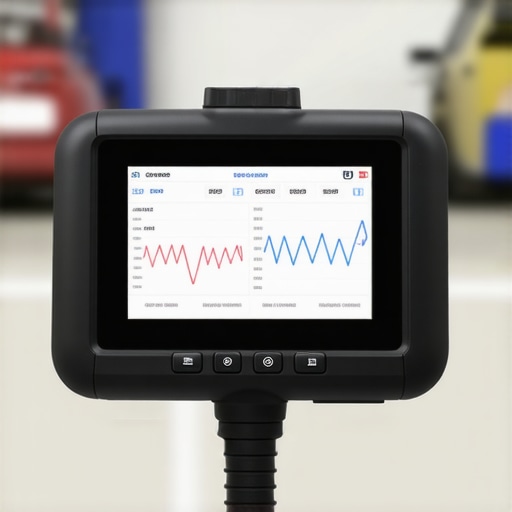
I have a shelf in my garage filled with tools that promised the world but delivered nothing but frustration. The biggest culprit is usually the bargain-bin OBD2 scanner. While a cheap dongle can tell you why a light is on, it will not tell you the why behind the what. I personally switched to a mid-range bidirectional scanner because it allows me to command the car’s computer to test individual components, like turning on a cooling fan or cycling an ABS pump. This is how advanced vehicle diagnostics prevent costly breakdowns before they leave you stranded on the highway. According to Delphi Technologies, nearly 80% of engine performance issues are now sensor-driven, meaning you need to see the live data stream to catch a failing component before it triggers a full-blown failure. If you are serious about your car’s health, invest in a tool that shows you fuel trims and oxygen sensor voltages in real-time.
The Fluids That Keep Your Engine from Eating Itself
We often treat an oil change like a chore, but it is actually the most critical chemistry experiment happening in your life. I have seen engines with 300,000 miles that look brand new inside because the owner ignored the ‘extended life’ marketing and stuck to a rigorous 5,000-mile schedule with high-quality synthetics. You need to stay updated on oil change innovations technologies that save your engine, especially as modern engines use thinner oils to meet fuel economy standards. These low-viscosity oils are incredible for efficiency, but they leave very little margin for error if you let the level drop or the additives break down. I always use a magnetic drain plug now; it is a tiny investment that catches microscopic metal shavings before they can circulate back into your bearings.
How do I maintain my braking system over years of driving?
Consistency is the secret to a pedal that never feels soft. Beyond just swapping pads, you need to be performing a full fluid flush every two years, regardless of mileage. I use a pressure bleeder because it ensures no air bubbles enter the system, which is the trick for a perfect brake bleed every single time. If you skip this, the moisture in the fluid will eventually corrode your ABS actuator, a part that can cost upwards of a thousand dollars. When you do go in for a the ultimate guide to brake service for safety and performance, make sure you are also lubricating the slide pins with high-temp silicone grease. If those pins seize, one pad will wear to the metal while the other stays brand new, leading to uneven braking and ruined rotors.
Data Will Replace the Wrench in Your Future Garage
I predict that within the next decade, the traditional ‘mechanical’ intuition we grew up with will be secondary to data literacy. We are already seeing cars that self-diagnose and send reports directly to your phone. However, the physical hardware—the nuts and bolts—will always need a human hand. The trend is moving toward modular repairs where we replace entire intelligent sub-assemblies. This makes top auto repair tips to extend your vehicles lifespan more about software updates and electrical health than just tightening belts. My advice? Grab a multimeter today and learn how to check for a parasitic draw. It is the single most valuable skill you can have in an era of rolling computers. Pick up a basic digital multimeter this weekend and test your battery’s resting voltage; it is the first step in taking control of your car’s destiny.
The Hard Truth About Modern Engine Management
After years of turning wrenches, I’ve realized that the most common failure isn’t mechanical—it’s electrical. A ‘bad’ sensor is often just a victim of a corroded ground wire or a weak connection. My biggest lightbulb moment came when I stopped looking at parts and started looking at circuits. When you start decoding vehicle diagnostics properly, you stop being a ‘parts changer’ and start being a problem solver. I used to think a clicking sound meant a massive bill, but now I know it’s often just a five-minute terminal cleaning job away from being fixed.
[IMAGE_PLACEHOLDER]
The Gear That Saved My Road Trip
If you want to move beyond guessing, you need a few non-negotiables in your trunk. First, a digital multimeter is your eyes and ears; it lets you see the electricity you can’t feel. Second, I swear by a dedicated terminal cleaning tool—those wire brushes specifically shaped for battery posts. Lastly, having a library of essential auto repair strategies for frequent drivers on your phone can be the difference between a minor delay and a ruined vacation. I trust these tools because they focus on prevention rather than just reaction.
Your Journey Toward Garage Independence
Starting your own repair journey can feel overwhelming, but every expert was once a novice with a dead battery. By learning these top auto repair tips to extend your vehicles lifespan, you aren’t just saving money—you are gaining a sense of security. The next time you hear that dreaded clicking noise, don’t reach for your wallet; reach for your multimeter. You have the power to keep your machine running smoothly for years to come. Have you ever replaced a part only to realize the real problem was just a loose wire? Tell me your story in the comments below!