

I was cruising down the highway last week, enjoying a rare moment of silence, when it started. A tiny, rhythmic tic-tic-tic coming from right inside my driver-side door. Every time the road got even slightly textured, that rattle flared up like an uninvited passenger who won’t stop talking. It’s funny how a machine made of thousands of pounds of steel can be ruined by one loose piece of plastic the size of a nickel. I’ve spent my fair share of time dealing with the clunking sound in your floorboards when hitting small bumps, but those rhythmic interior buzzes are a special kind of torture. Today, I’m going to walk you through the exact process I use to hunt down these noises and kill them for good. No expensive tools, no dealership diagnostic fees, just a bit of patience and a few household items.
Stop the Buzzing Before It Drives You Crazy
A rattling door isn’t just an annoyance; it’s a distraction that can actually make your commute more stressful. According to the Society of Automotive Engineers, interior noise, vibration, and harshness (NVH) are direct contributors to driver fatigue and cognitive load. I learned this the hard way during a cross-country trip where a loose speaker mount nearly drove me to pull over and leave the car on the side of the road. Back then, I made the classic mistake of trying to wedge things into the cracks—napkins, credit cards, you name it. All I did was make the gaps wider and the rattle louder. Learning proper essential auto repair strategies for frequent drivers taught me that you have to address the root cause, not just mask the symptom. If you have ever handled the simple fix for a power window that wont go up, you already have the skills to tackle this.
Won’t I just break more clips if I try to fix it myself?
This is the number one fear I hear from folks. They’re terrified that the moment they use a pry tool, those little plastic Christmas tree clips are going to shatter like glass. While it’s true they can be finicky, having a few auto repair hacks save money without sacrificing quality in your back pocket makes the process painless. Most of the time, the fix is as simple as adding a tiny bit of foam tape or tightening a screw that’s vibrated loose over five years of slamming the door shut. Have you ever found yourself driving with one hand pressed firmly against the door panel just to make the noise stop? If so, you’re in the right place. We’re going to solve this together, and I promise your car will feel five years newer by the time we’re done.
Pinpoint the Noise Before Touching a Tool
The biggest mistake people make is grabbing a screwdriver the moment they hear a tick. You have to be a detective first. I remember a Saturday with my old sedan where I was convinced the speaker was blown because of a persistent buzzing. I almost bought a whole new sound system before my brother sat in the passenger seat and realized it was actually a loose coin in the door pocket vibrating against the plastic. That’s why decoding vehicle diagnostics what your car is trying to tell you starts with your own ears and a helper. Have someone else drive while you press your hand against different parts of the door. When the noise stops under your palm, you’ve found the epicenter. This kind of sensory check is just as important as knowing vehicle diagnostics explained easy checks before your road trip.
Why the Tap Test is Your Secret Weapon
Once you think you know where it’s coming from, park the car and use the side of your fist to gently thump the door panel. You are trying to mimic the vibration of the road. If you hear that same ‘tic’ or ‘buzz’ while the car is stationary, you’re golden. This saves you from the headache of chasing ghosts while flying down the interstate at 70 mph. I used this trick to find a loose wire harness that was slapping against the inner metal skin of the door. It sounded like a heavy clunk, almost like the clunking sound in your floorboards when hitting small bumps, but it was just a three-ounce piece of plastic.
Pop the Panel Without the Heartbreak
To get to the guts of the door, you usually have to remove the interior panel. Most modern cars hide their screws behind little plastic caps or inside the door pull handle. Use a plastic trim removal tool—never a metal flathead screwdriver. Metal will gouge your plastic and leave ugly scars that you’ll stare at for the next three years. 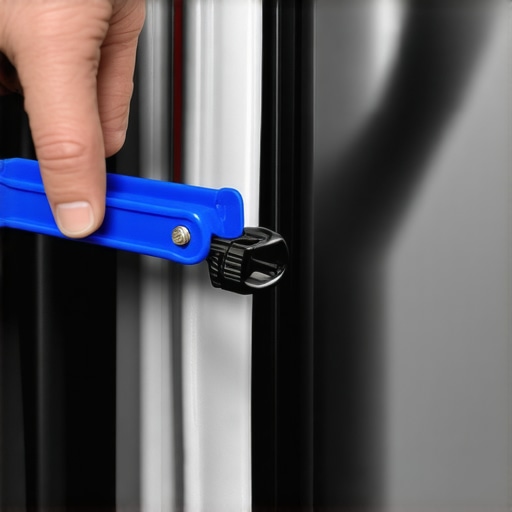 While you are in there, keep an eye out for the 5 plastic clip that stops your shifter from working or similar fasteners that might be brittle. When you pull the panel away, do it with a firm, steady pressure. You’ll hear a series of pops. That’s the sound of success, not destruction, as long as you’re using the right leverage.
Silence is Cheap if You Use Foam
Now that the panel is off, look for the ‘witness marks’—shiny spots where two pieces of plastic or metal have been rubbing together. This is where the magic happens. You don’t need expensive automotive dampening sheets; a roll of adhesive-backed felt or thin weatherstripping foam works wonders. I once fixed a rattling lock rod that was driving me insane by simply wrapping it in a bit of foam. While the door is open, it’s a great time to check other components, like making sure you don’t need how to fix a door that will not open from the outside because of a loose linkage. Apply your foam to any point where plastic meets metal. If you see a loose screw, don’t just tighten it; add a drop of blue threadlocker so it doesn’t back out again in six months. This is one of those auto repair hacks save money without sacrificing quality that separates the pros from the amateurs. Reassembling the door is just the reverse, but make sure every single clip is lined up before you give it the final ‘thwack’ back into place.Once you’ve successfully silenced those cabin rattles, you’ll find that a quieter car often reveals mechanical whispers you never noticed before. This is where most owners fall into the trap of over-servicing or misdiagnosing symptoms. Let’s start with a major point of contention: the 3,000-mile oil change. While it was gospel for decades, modern oil change innovations technologies that save your engine have rendered it largely obsolete. Most people believe that more frequent changes are a cheap insurance policy, but in reality, you are likely just throwing money away. Modern synthetic oils are engineered to maintain their viscosity and additive packages far longer than conventional blends. According to studies by the Society of Automotive Engineers (SAE), changing your oil before the manufacturer-recommended interval—often 7,500 to 10,000 miles today—provides no measurable benefit to engine longevity and can actually lead to increased wear during the ‘break-in’ period of the new filter.
Stop Wasting Money on the 3,000-Mile Oil Change Myth
However, the real nuance lies in how you handle older engines. There is a persistent myth that switching to synthetic will ’cause’ leaks. In my experience, the truth about synthetic oil vs conventional in older high mileage cars is that the synthetic oil simply finds the holes that are already there. Synthetics have smaller molecular structures and better detergency, meaning they clean out the sludge that was actually plugging a failing seal. If you see a drip after a switch, don’t blame the oil—it’s just performing a high-level diagnostic for you. 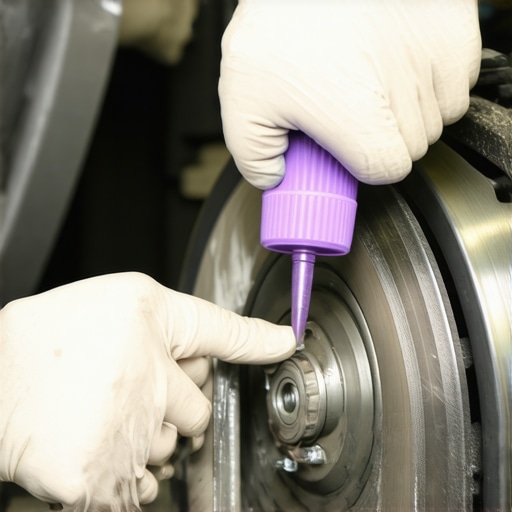
Why does your brake pedal still feel spongy after a perfect bleed?
This is a classic frustration for advanced DIYers. You have followed the ultimate guide to brake service for safety and performance, yet the pedal lacks that firm ‘bite.’ The ‘oops’ factor here is usually the caliper slide pins or the master cylinder bypass. Many people forget that brake fluid is hygroscopic—it absorbs water from the air. The Car Care Council notes that failing to flush brake fluid every two years leads to internal corrosion that can damage expensive ABS modules and cause internal leaks in the master cylinder. If you are wondering why your brand new brake pads are already squealing, it’s often because the slide pins were lubricated with petroleum-based grease instead of high-temp silicone. Petroleum causes the rubber dust boots to swell and seize, preventing the pads from retracting properly.
The Hidden Danger of Topping Off Fluids
Another subtle mistake occurs when you notice the reason your brake fluid level is low but you see no leaks. Most drivers instinctively top off the reservoir. But as your pads wear, the caliper pistons extend further, naturally drawing more fluid from the reservoir. If you top it off, you are masking the most reliable visual indicator of pad wear. Worse, when it’s time for a brake job and you compress those pistons, the excess fluid will overflow, potentially damaging your paint or electrical components. Real expertise means how advanced vehicle diagnostics prevent costly breakdowns by reading the system as a whole, not just reacting to a low level. Have you ever fallen into this trap? Let me know in the comments.
If you really want to graduate from a parts-changer to a true master of your own garage, you need to invest in your diagnostic arsenal. For years, I relied on the ‘guess and check’ method, which is a great way to turn a twenty-minute fix into a three-day ordeal. Everything changed when I picked up a dedicated OBD-II interface. While the cheap $20 dongles are fine for clearing a check engine light, they barely scratch the surface of what your car is actually thinking. I personally use a high-speed ELM327 adapter paired with FORScan software for my Ford projects. It allows me to see real-time fuel trim data and cylinder contribution, which is exactly how advanced vehicle diagnostics prevent costly breakdowns by catching a failing injector before it melts a piston.
Upgrade Your Brain with a Real Scanner
Stepping up to professional-grade tools doesn’t just save time; it changes your relationship with the machine. When you can see the millisecond response times of an oxygen sensor, you aren’t just fixing a car—you are performing surgery. I’ve found that essential auto repair strategies for frequent drivers almost always boil down to having better data than the guy next to you. In the near future, I suspect we are moving toward a world where car enthusiasts will rely on AI-driven telematics that text you a shopping list of parts three weeks before a component actually fails. According to Bill Hanvey, President and CEO of the Auto Care Association, the shift toward ‘Right to Repair’ legislation is critical because modern vehicle data is increasingly locked behind proprietary firewalls, making these tools even more vital for the DIYer.
How do I keep my high-mileage daily driver from falling apart?
Maintenance over the long haul isn’t about one big repair; it’s about the small, obsessive habits. For example, I’ve made it a ritual to detail the engine once a year. It sounds like vanity, but the secret to keeping your engine bay clean without damaging electronics is that it allows you to spot a fresh oil weep or a weeping coolant hose instantly against a clean surface. Using top auto repair tips to extend your vehicles lifespan means looking for trouble before it finds you. 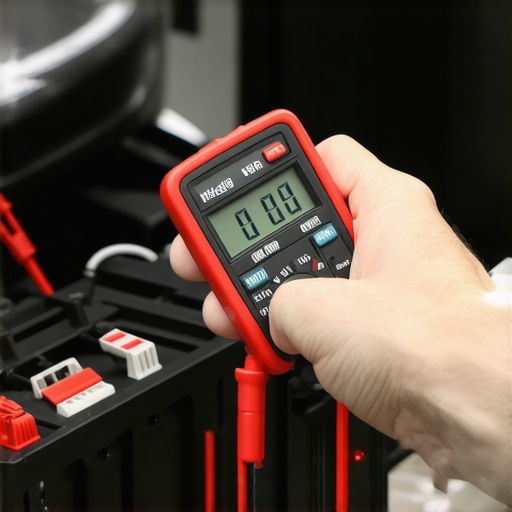 One of my favorite auto repair hacks save money without sacrificing quality is using a basic multimeter to check for ‘ghost’ issues. If your car feels sluggish or the battery seems weak, knowing the secret to finding a parasitic battery drain with a simple multimeter can save you from buying three alternators you didn’t need. My best advice? Start tonight by using the cardboard trick to find a tiny oil leak overnight. It’s the easiest way to perform a high-level diagnostic while you sleep, and it’s the perfect first step toward total vehicle mastery.
Experience Is Just the Sum of All My Greasy Mistakes
After decades of turning wrenches, I’ve realized that the most valuable tool isn’t in my chest—it’s the mindset of healthy skepticism. When you perform an oil change, don’t just swap the filter; look at the old oil for a ‘metallic shimmer’ that shouldn’t be there. I’ve learned that listening to your car is a literal skill. For instance, knowing the trick for a perfect brake bleed every single time taught me that if the pedal still feels soft, I didn’t fail the task; I just haven’t found the last air bubble yet.
Another lightbulb moment was realizing that ‘clean’ is a diagnostic state. A dirty engine hides its secrets. I stopped viewing detailing as vanity and started seeing it as a way to use top auto repair tips to extend your vehicles lifespan by spotting leaks before they hit the driveway. My biggest win? Realizing that 90% of ‘major’ electrical problems are actually just bad grounds or a simple drain you can find by mastering the secret to finding a parasitic battery drain with a simple multimeter.
The Short List of Gear That Lives in My Personal Toolbox
You don’t need a five-figure tool chest to be a master. I swear by these three things: First, a high-quality silicone lubricant—it’s the only way to prevent why your brand new brake pads are already squealing because petroleum grease is the enemy of rubber components. Second, a simple piece of old cardboard. Seriously, the cardboard trick to find a tiny oil leak overnight is still more reliable than any electronic sensor for finding ‘phantom’ drips. Third, a dedicated OBD-II interface that supports manufacturer-specific protocols. Relying on generic codes is like reading a book through a keyhole; you need the full picture to see how advanced vehicle diagnostics prevent costly breakdowns.
#IMAGE_PLACE_HOLDER_E#
Your Car Will Reward You for Paying Attention
Modern vehicles are incredibly resilient, but they aren’t invincible. The transition from someone who ‘fixes things when they break’ to someone who ‘prevents the break’ is the ultimate goal of essential auto repair strategies for frequent drivers. Whether you are hunting a door rattle or performing your first brake service, remember that your time is an investment in your safety and your wallet. Don’t be afraid to get your hands dirty—there is no better feeling than a silent cabin and a smooth-running engine that you maintained yourself. Have you ever spent hours chasing a noise only to find it was something incredibly simple like a loose coin or a forgotten pen? Let me know in the comments below!